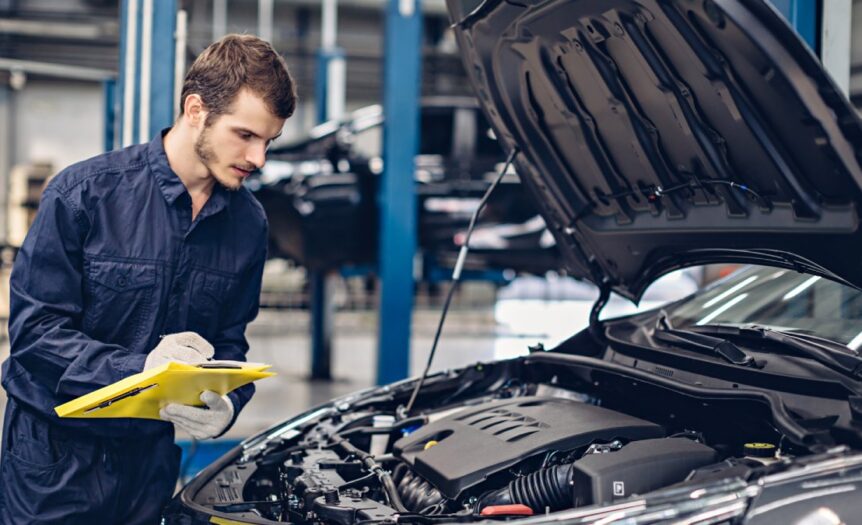
You’ve been thinking about swapping out that tired engine under your hood. The question is: Will replacing your car’s engine help or hurt its trade-in value? The answer depends on several factors that dealerships and buyers consider when evaluating your ride.
How Dealerships View Engine Replacements
Most dealerships approach engine replacements with caution. Usually, they see it as a red flag that something went seriously wrong with the original motor. Even if you installed a brand-new engine, they’ll question why the replacement was necessary.
Dealerships prefer original equipment. They know the vehicle’s complete history when everything matches the factory specs. A replaced engine creates uncertainty about the car’s reliability and maintenance history.
The Documentation Factor
Your paperwork makes all the difference here. Professional installation receipts, warranty information, and detailed records of the work can boost confidence in your replacement engine. Without proper documentation, dealers will assume the worst about the quality of work.
Keep every receipt from the engine swap. Include labor costs, parts specifications, and any warranty coverage. This documentation proves you invested in quality work rather than a quick fix.
Market Perception Varies by Vehicle Type
The impact on trade-in value changes based on what you’re driving. Performance cars and trucks often benefit more from engine upgrades than economy vehicles. Car enthusiasts understand that some owners replace engines for performance gains rather than mechanical failure. For instance, that’s one of the factors contributing to how much a 7.3L Powerstroke diesel engine is worth. It’s a performance upgrade worth its salt and loved by the diesel community.
Overall, some classic cars and specialty vehicles can gain value with proper engine swaps. However, matching numbers still matter most to collectors. Deviation from original specifications usually decreases value in vintage markets.
Timing Your Trade-In
Fresh engine replacements face more scrutiny than ones with proven track records. A motor that’s been running strong for two years carries more weight than one installed last month. Buyers want evidence that the new engine performs reliably over time.
Consider driving your car for at least a year after the engine replacement before trading. This gives you time to work out any installation issues and proves the motor’s dependability.
Alternative Upgrades To Consider
Some upgrades that typically increase resale value include suspension improvements, transmission work, and cosmetic enhancements. These modifications often add value without raising reliability concerns that engine replacements create.
You can also focus on documented maintenance and popular performance modifications. Cold air intakes, exhaust systems, and tuning packages appeal to buyers without the complexity of major engine work.
Making the Smart Move
Typically, replacing your car’s engine affects its trade-in value in a bad way. That said, the impact varies widely based on your specific situation. Professional installation, proper documentation, and time to prove reliability all work in your favor.
Before making any major modifications, research your vehicle’s market value and buyer preferences. You might find that investing in maintenance and smaller upgrades delivers better returns than a complete engine swap, or vice versa. The key is understanding what your target market values most when you’re ready to move on to your next ride. Best of luck!













 Deering Estate
 Massage Envy South Miami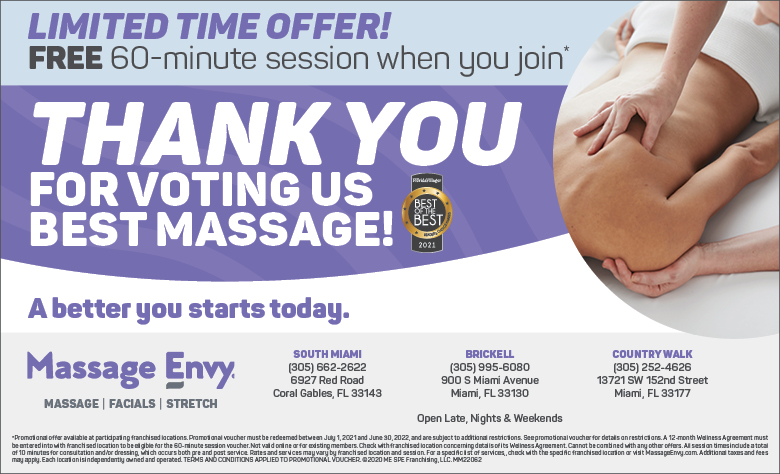
 Calla Blow Dry
 My Derma Clinic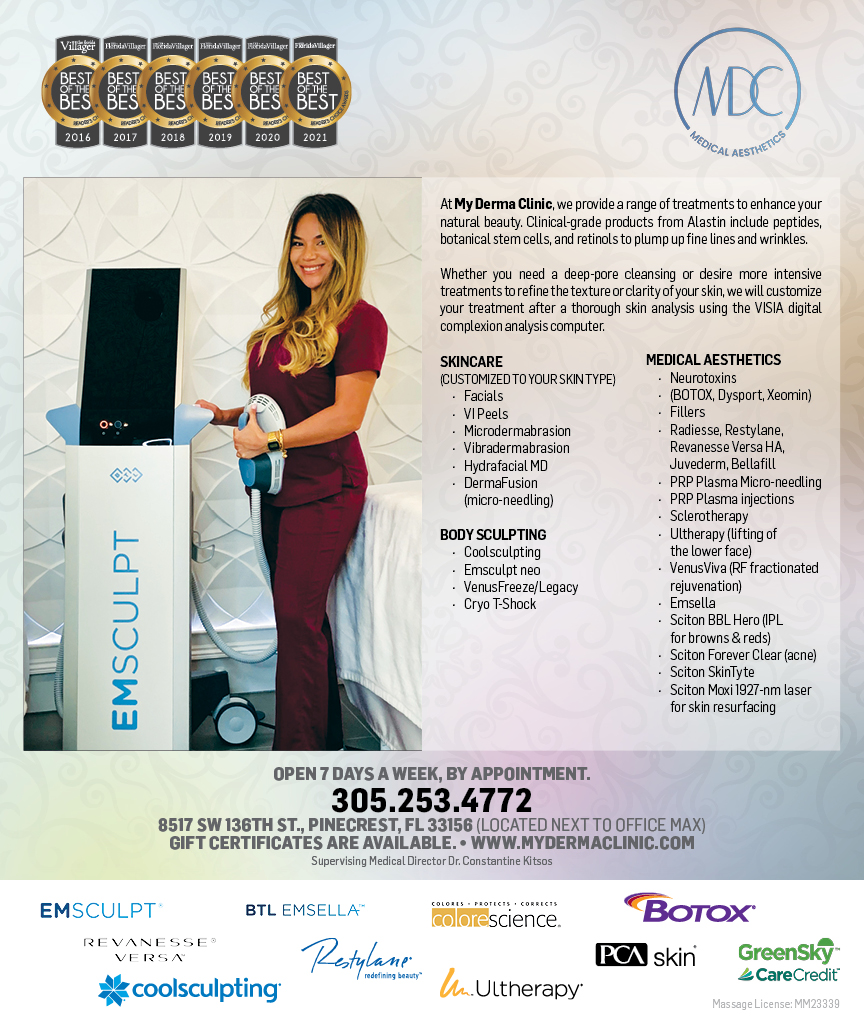
 Sports Grill
 The Healthy Kitchen
 Sushi Maki
 Golden Rule Seafood
 Malanga Cuban Café


 Kathleen Ballard
 Panter, Panter & Sampedro
 Vintage Liquors
 The Dog from Ipanema
 Rubinstein Family Chiropractic
 Your Pet’s Best
 Indigo Republic
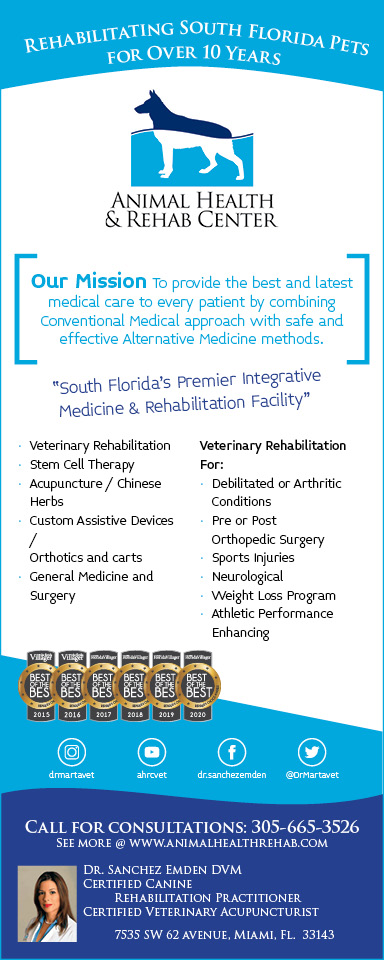
 Animal Health and Rehab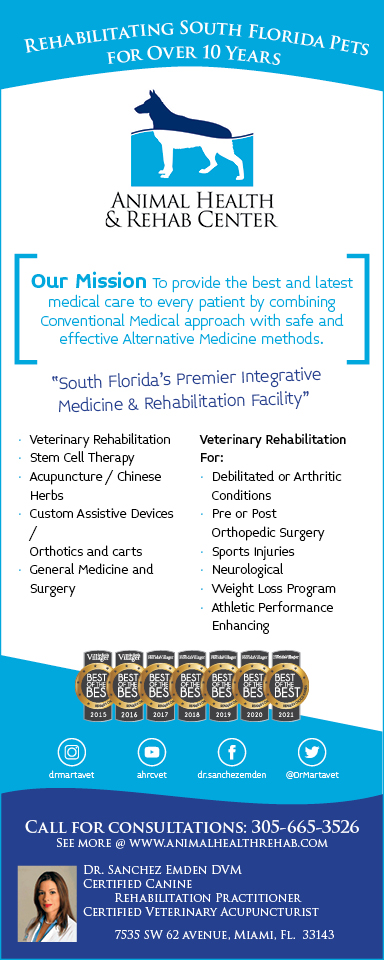
 Maurice’s Jewelers
 ATR Luxury Homes

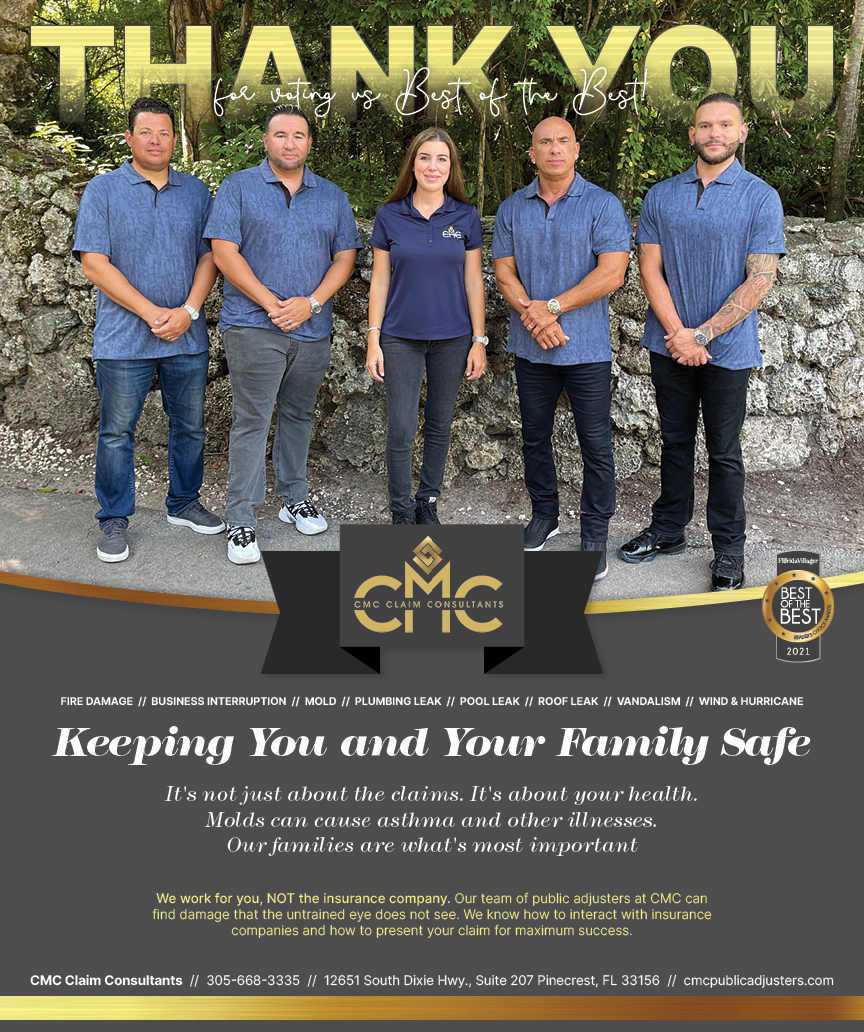
 2112 Design Studio
 Hamilton Fox & Company
 Creative Design Services
 Best Pest Professionals
 HD Tree Services
 Trinity Air Conditioning Company
 Cisca Construction & Development
 Mosquito Joe
 Cutler Bay Solar Solutions


 Miami Royal Ballet & Dance
 Christopher Columbus
 Pineview Preschools
 Westminster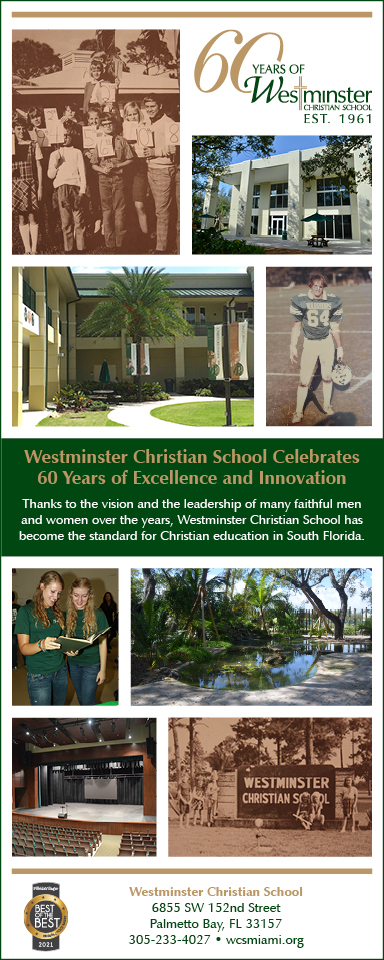
 Carrollton
 Lil’ Jungle
 Frost Science Museum
 Palmer Trinity School
 South Florida Music
 Pinecrest Orthodontics
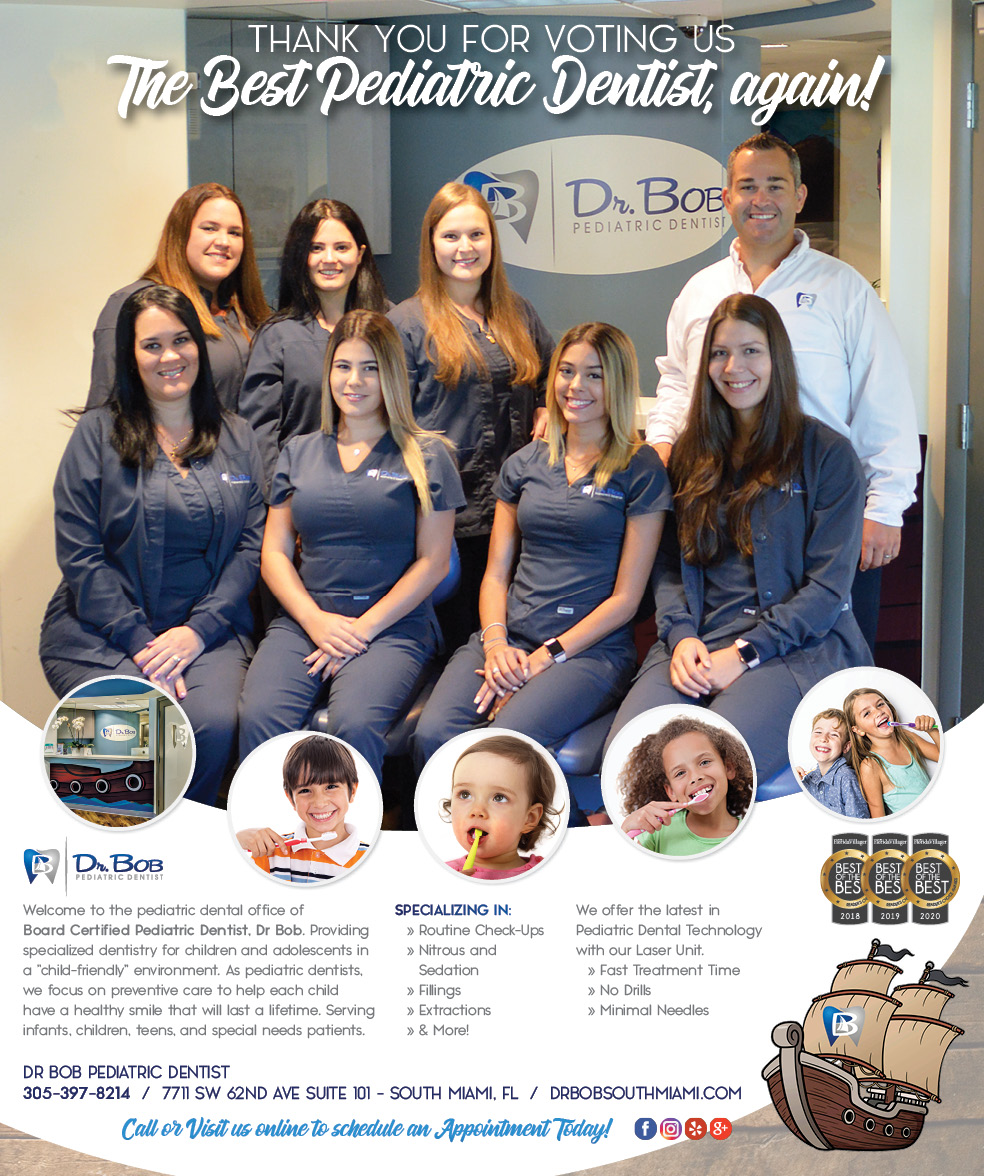
 Dr. Bob Pediatric Dentist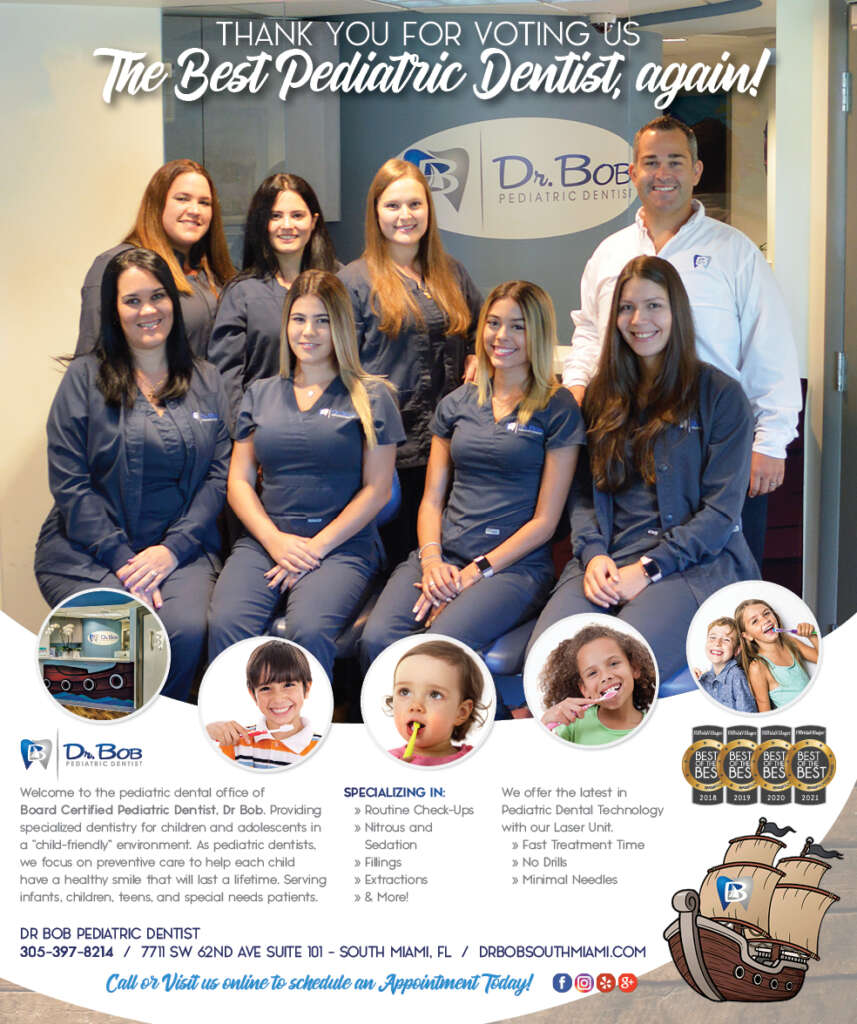
 d.pediatrics


 South Miami Women’s Health
 Endodontix Dental Group
 The Spot Barbershop
 My Derma Clinic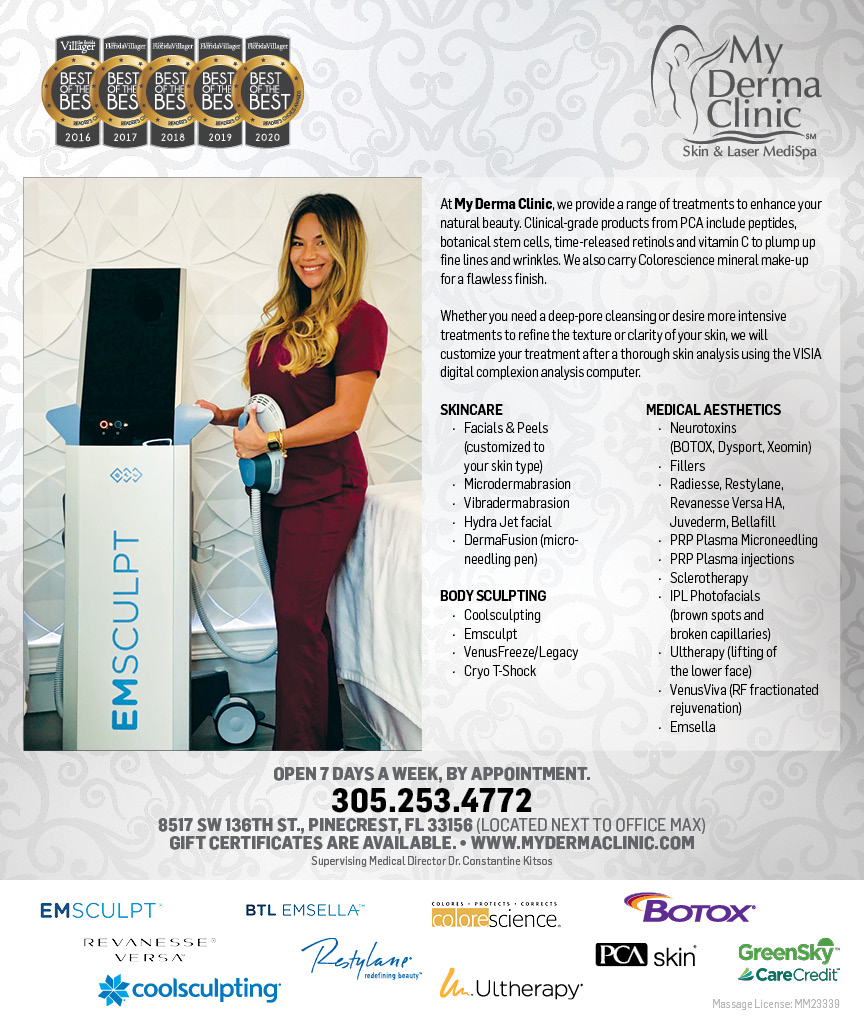




 Miami Dance Project
 Rubinstein Family Chiropractic
 Indigo Republic
 Safes Universe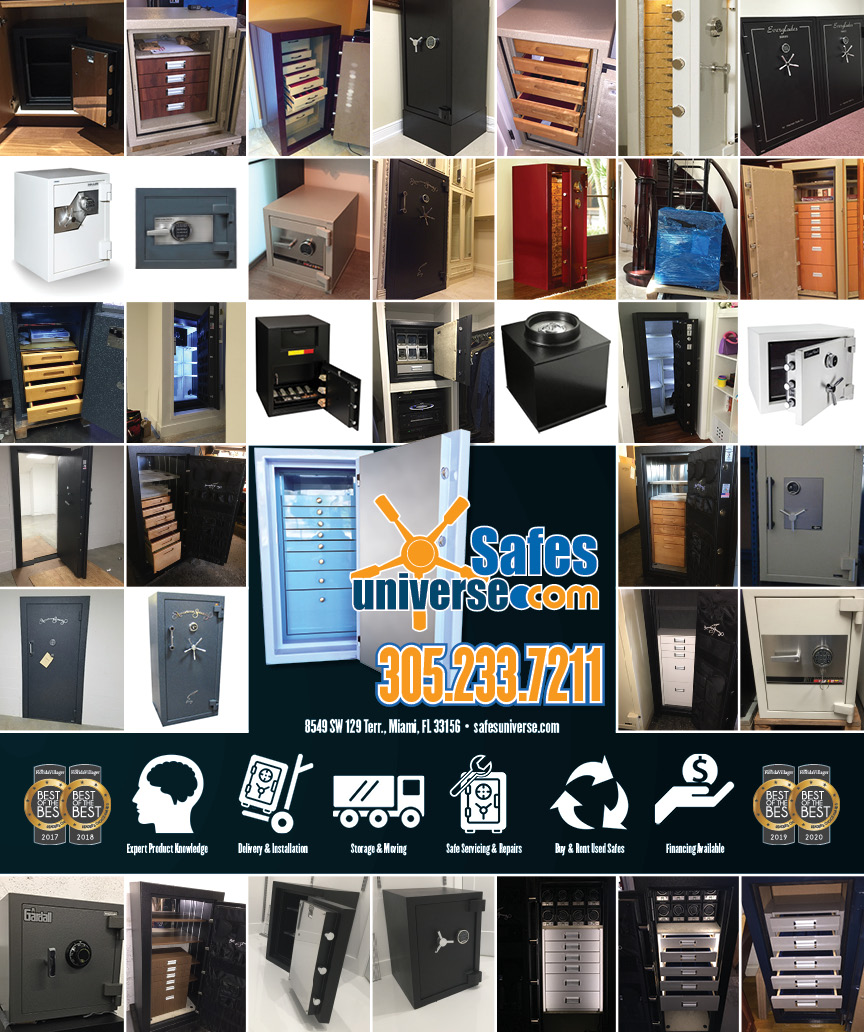
 Vintage Liquors
 Evenings Delight





 Atchana’s Homegrown Thai
 Baptist Health South Florida

 Laser Eye Center of Miami
 Visiting Angels
 OpusCare of South Florida



 Your Pet’s Best

 HD Tree Services
 Hamilton Fox & Company

 Creative Design Services