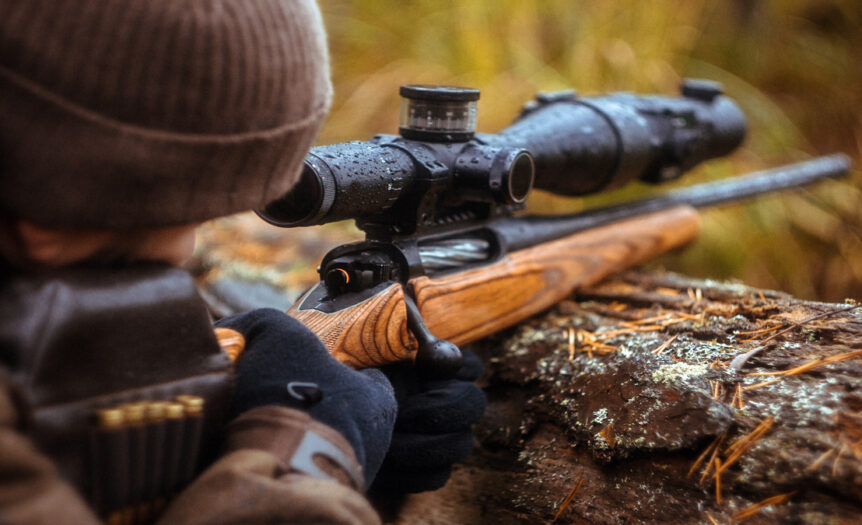
Hogs don’t keep a fixed schedule, so why should you? When you head into the field can shape the entire hunting experience. Everything from temperature to moonlight to hunting pressure shifts hog behavior by the hour.
Here’s how time of day affects your wild hog hunting and what you should consider before choosing when to go.
Understanding Wild Hog Behavior
Wild hogs are adaptable, but they’re not unpredictable. In Florida, these animals adjust their activity based on temperature and disturbance levels. During the warmer months—typically April through October—they become almost entirely nocturnal, with peak movement between 9 PM and 4 AM. Cooler months offer more flexibility as hogs begin to move earlier in the evening and closer to sunrise.
This behavior is important if you’re planning a wild hog hunt. Hunters who overlook these patterns often end up in the field during periods of low activity, wasting hours in areas where hogs were only active the night before.
Early Morning vs. Late Evening
Dawn and dusk both offer windows of opportunity, but they’re not equal. In South Florida, early-morning hunts between 5 and 7 AM can be productive in cooler months, particularly after cold fronts. Light winds and lower humidity levels at dawn minimize scent spread, giving hunters a small but important edge.
Evening hunts between 6 and 8 PM tend to be more successful during transitional months such as March or November, when temperatures drop quickly after sunset. However, once humidity spikes or heat lingers, hogs delay movement until well after dark.
Night Hunting Considerations
On private land in Florida, night hunting with the proper equipment is legal. But visibility becomes a concern. Thermal scopes and night vision can help, but only if you’re already familiar with the terrain. In many areas, including the Everglades, specific restrictions are in place.
If you’re wondering why you can’t hunt hogs over bait in the Everglades, the reason is tied to wildlife preservation and the protection of native species. Baiting encourages unnatural feeding behaviors and can affect nearby ecosystems, especially in sensitive wetland habitats.
Weather and Moon Phases
Hogs respond strongly to moonlight. During a full moon, they often delay movement until later in the night, taking advantage of the cover that the darkness provides. On new moon nights, they tend to become active earlier, sometimes right after sunset.
So when is the best time to hunt wild hogs? Look for new moon phases paired with cooling temperatures and light wind. In Florida’s inland regions, this often occurs between 8 PM and 2 AM, particularly from November through February.
If you’ve been wondering how time of day affects your wild hog hunting, the answer might surprise you—it’s all about adapting to your surroundings.






 Deering Estate
 Massage Envy South Miami
 Calla Blow Dry
 My Derma Clinic
 Sports Grill
 The Healthy Kitchen
 Sushi Maki
 Golden Rule Seafood
 Malanga Cuban Café


 Kathleen Ballard
 Panter, Panter & Sampedro
 Vintage Liquors
 The Dog from Ipanema
 Rubinstein Family Chiropractic
 Your Pet’s Best
 Indigo Republic
 Animal Health and Rehab
 Maurice’s Jewelers
 ATR Luxury Homes


 2112 Design Studio
 Hamilton Fox & Company
 Creative Design Services
 Best Pest Professionals
 HD Tree Services
 Trinity Air Conditioning Company
 Cisca Construction & Development
 Mosquito Joe
 Cutler Bay Solar Solutions


 Miami Royal Ballet & Dance
 Christopher Columbus
 Pineview Preschools
 Westminster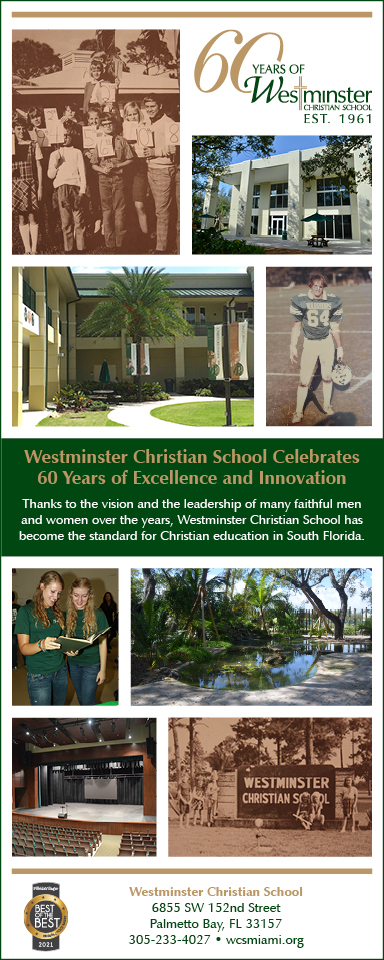
 Carrollton
 Lil’ Jungle
 Frost Science Museum
 Palmer Trinity School
 South Florida Music
 Pinecrest Orthodontics
 Dr. Bob Pediatric Dentist
 d.pediatrics

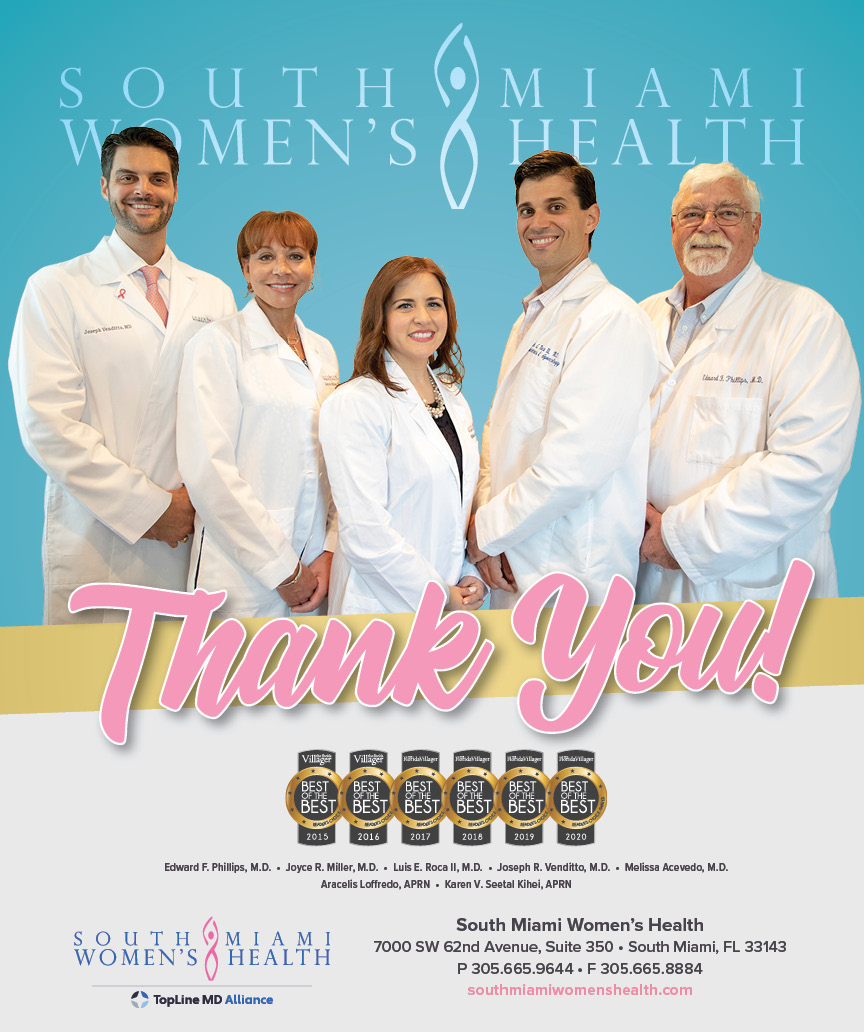
 South Miami Women’s Health
 Endodontix Dental Group
 The Spot Barbershop
 My Derma Clinic




 Miami Dance Project

 Rubinstein Family Chiropractic
 Indigo Republic

 Safes Universe
 Vintage Liquors
 Evenings Delight





 Atchana’s Homegrown Thai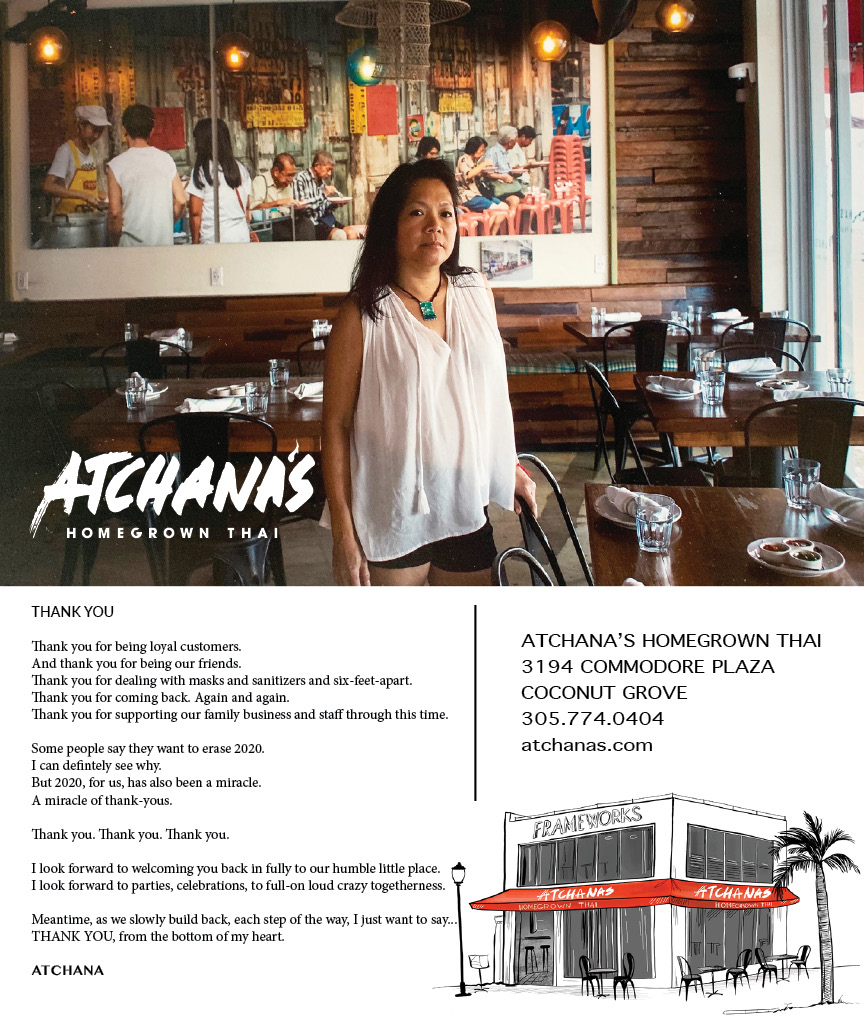
 Baptist Health South Florida

 Laser Eye Center of Miami
 Visiting Angels
 OpusCare of South Florida


 Your Pet’s Best

 HD Tree Services
 Hamilton Fox & Company

 Creative Design Services