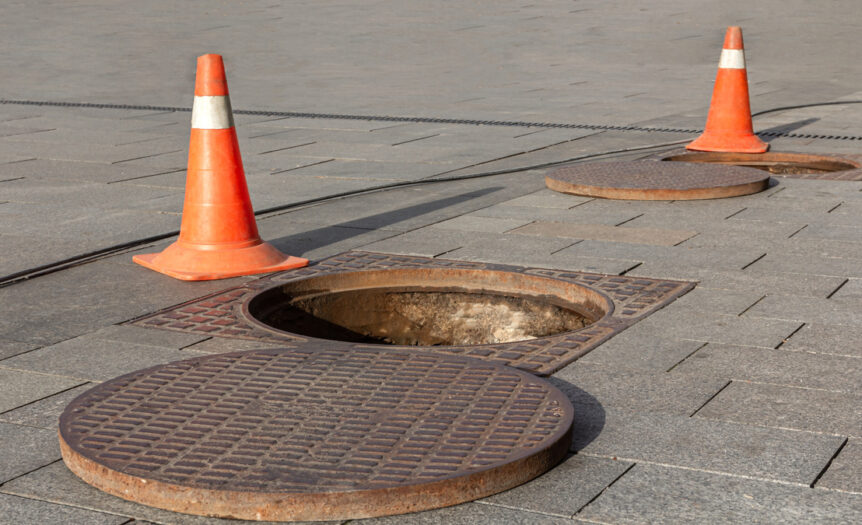
Manholes serve as critical access points to our underground infrastructure, connecting us to essential utilities like water, sewer, and telecommunications systems. These seemingly simple openings require proper closure and maintenance to prevent serious consequences that can affect public safety, environmental health, and municipal budgets.
When workers complete maintenance tasks and move on without ensuring secure closure, the results are catastrophic. A simple oversight can transform an ordinary street corner into a hazardous zone that threatens pedestrians, drivers, and the entire community. We’re exploring the various consequences of not closing a manhole properly.
Immediate Threats to Public Safety
Open or loosely secured manholes create immediate dangers for anyone navigating city streets. Pedestrians can suffer severe injuries from unexpected falls, particularly during nighttime hours or in poorly lit areas. These accidents often result in broken bones, head trauma, or worse.
Vehicles face equally serious risks when encountering improperly closed manholes. Cars can sustain significant tire damage, bent rims, or suspension problems when hitting unstable covers. Motorcyclists and cyclists face even greater dangers, as an unexpected encounter with a displaced manhole cover can cause loss of control and serious accidents. Emergency response times increase when these incidents block traffic or require immediate medical attention.
Environmental and Infrastructure Consequences
Unsealed manholes allow debris, rainwater, and contaminants to enter underground systems where they don’t belong. Leaves, trash, and sediment accumulate in sewer lines, creating blockages that can cause backups and flooding. During heavy rainfall, these obstructions become particularly problematic as water has nowhere to flow.
Common manhole cover problems extend beyond simple displacement. Damaged covers allow pollutants to seep into groundwater supplies, potentially contaminating drinking water sources. Chemical runoff from roads, including oil, antifreeze, and de-icing salts, can flow directly into sewer systems when manholes remain improperly sealed.
Security Vulnerabilities and Vandalism
Unsecured manholes create security risks that extend far beyond simple accidents. Unauthorized individuals can access sensitive infrastructure, potentially causing deliberate damage or gaining entry to restricted areas. This vulnerability becomes particularly concerning near government buildings, airports, or other high-security locations.
Manhole covers themselves become targets for theft when left unsecured. Thieves often steal these heavy metal covers to sell as scrap, leaving dangerous openings that pose immediate hazards to the public. Replacing stolen covers costs municipalities thousands of dollars while creating liability issues until replacement occurs.
Financial and Legal Implications
Municipalities face significant financial exposure when manholes remain improperly closed. Personal injury lawsuits can result in settlements reaching hundreds of thousands of dollars. Property damage claims from vehicle repairs add additional costs that strain municipal budgets.
Insurance companies increasingly scrutinize municipal maintenance practices, potentially raising premiums for cities with poor manhole management records. Legal fees alone can exceed the cost of proper maintenance programs by substantial margins.
Prevention Through Proper Management
Regular inspection schedules identify problems before they become dangerous. Maintenance crews should use standardized procedures for securing manholes after completing work. This includes ensuring covers sit flush with surrounding pavement and that locking mechanisms function properly.
Training programs for utility workers emphasize the importance of proper closure techniques. Simple checklists prevent oversights that lead to dangerous situations. Some municipalities now use technology like RFID tags to track manhole status and maintenance history.
The consequences of improperly closed manholes extend far beyond simple inconveniences. These oversights threaten lives, damage property, harm the environment, and create significant financial liabilities for communities.










 Deering Estate
 Massage Envy South Miami
 Calla Blow Dry
 My Derma Clinic
 Sports Grill
 The Healthy Kitchen
 Sushi Maki
 Golden Rule Seafood
 Malanga Cuban Café


 Kathleen Ballard
 Panter, Panter & Sampedro
 Vintage Liquors
 The Dog from Ipanema
 Rubinstein Family Chiropractic
 Your Pet’s Best
 Indigo Republic
 Animal Health and Rehab
 Maurice’s Jewelers
 ATR Luxury Homes


 2112 Design Studio
 Hamilton Fox & Company
 Creative Design Services
 Best Pest Professionals
 HD Tree Services
 Trinity Air Conditioning Company
 Cisca Construction & Development
 Mosquito Joe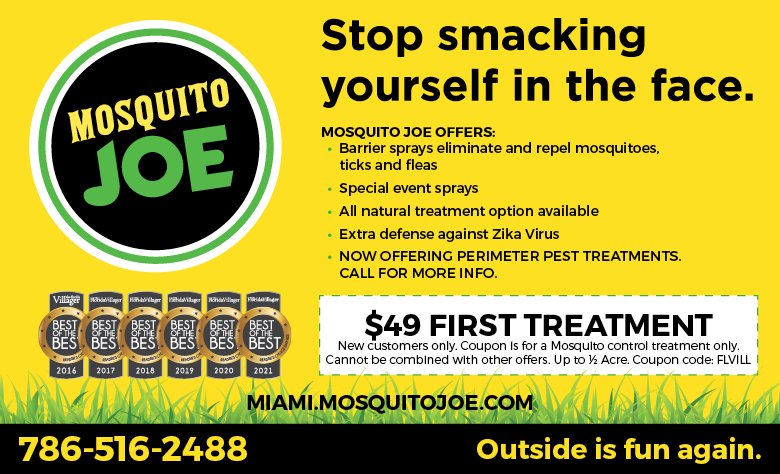
 Cutler Bay Solar Solutions


 Miami Royal Ballet & Dance
 Christopher Columbus
 Pineview Preschools
 Westminster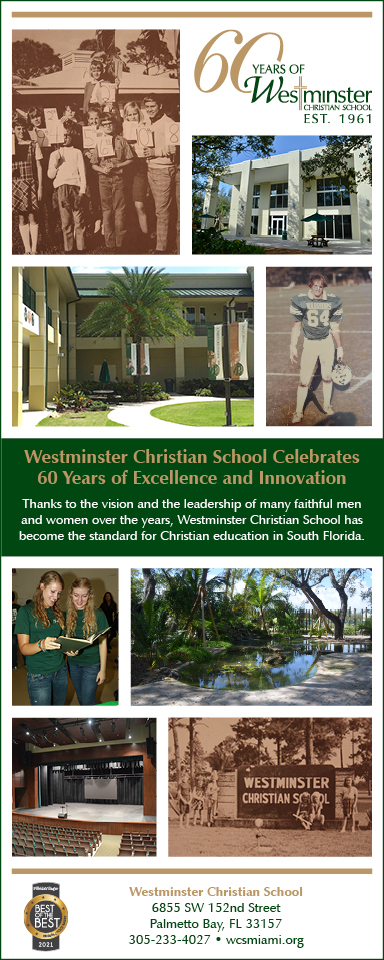
 Carrollton
 Lil’ Jungle
 Frost Science Museum
 Palmer Trinity School
 South Florida Music
 Pinecrest Orthodontics
 Dr. Bob Pediatric Dentist
 d.pediatrics


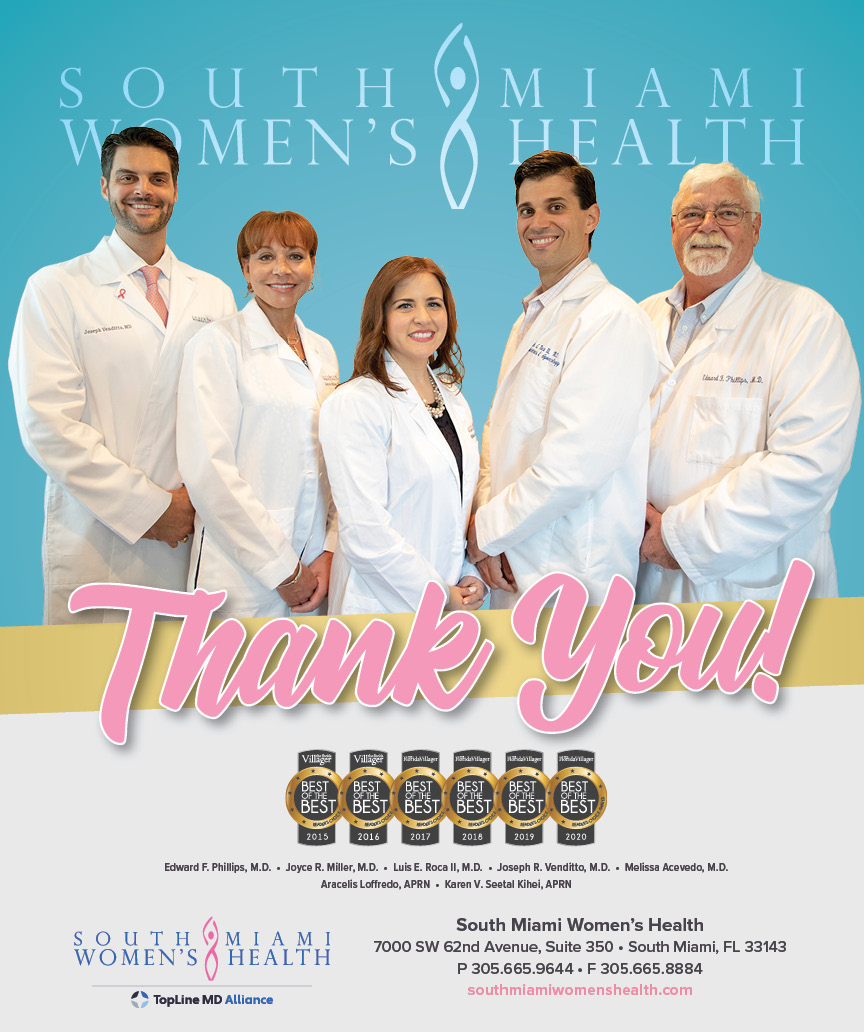
 South Miami Women’s Health
 Endodontix Dental Group
 The Spot Barbershop
 My Derma Clinic




 Miami Dance Project

 Rubinstein Family Chiropractic
 Indigo Republic

 Safes Universe
 Vintage Liquors
 Evenings Delight





 Atchana’s Homegrown Thai
 Baptist Health South Florida

 Laser Eye Center of Miami
 Visiting Angels
 OpusCare of South Florida


 Your Pet’s Best

 HD Tree Services
 Hamilton Fox & Company

 Creative Design Services