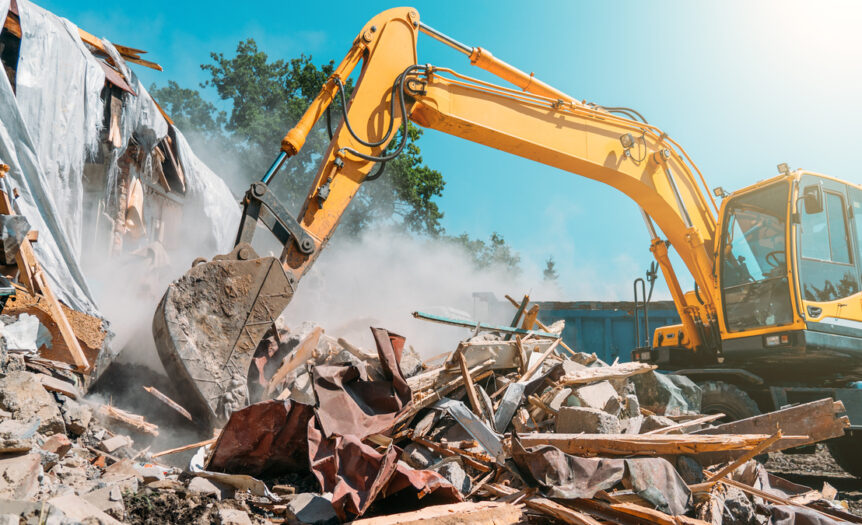
On active construction sites, the performance of heavy machinery needs to be productive and safe. Excavators perform demanding tasks like digging foundations, moving earth, and demolishing structures. Their consistent operation depends on several integrated systems working together seamlessly.
A well-maintained excavator keeps projects on schedule and within budget. From the engine to the hydraulic system, learn the keys to operating functional excavators on construction sites.
Understanding the Powertrain
The powertrain delivers power from the engine to the tracks. It includes the engine, transmission, and final drives. The engine generates the necessary force, and the transmission modifies the force to control speed and torque.
Final drives receive this power and rotate the tracks. They endure immense stress, especially on uneven or soft ground. Effective powertrain performance allows the excavator to navigate challenging terrains while maintaining stability for digging and lifting operations.
The Importance of Hydraulic Systems
Hydraulic systems give excavators their digging and lifting strength. Pressurized fluid, managed by pumps and valves, moves the machine’s boom, arm, and bucket. The precision of this system allows operators to perform delicate tasks with immense power.
The efficiency of the hydraulic system directly impacts fuel consumption and the machine’s responsiveness. Regular checks of hydraulic fluid levels, filters, and hoses prevent leaks and failures. Maintaining this system keeps the excavator operating at full capacity.
Differentials and Final Drives
Differentials and final drives are fundamental components for an excavator’s mobility and power distribution. The final drives reduce speed and increase torque, providing the necessary force to move the machine. They are the final link in the powertrain before power reaches the tracks.
Within this system, differentials in off-highway equipment allow the tracks to rotate at different speeds when turning. This capability is vital for maneuverability on a construction site. Without it, turning would put extreme strain on the axles and tracks.
Maintain Your Excavators for a Productive Jobsite
Keeping an excavator in top working condition involves attention to its core systems. The powertrain, hydraulics, and drive components must work in harmony.
For managers and operators, knowing the keys to functional excavators helps in identifying simple issues before they become serious problems. By focusing on these areas, you can maintain a productive and safe construction environment.










 Deering Estate
 Massage Envy South Miami
 Calla Blow Dry
 My Derma Clinic
 Sports Grill
 The Healthy Kitchen
 Sushi Maki
 Golden Rule Seafood
 Malanga Cuban Café


 Kathleen Ballard
 Panter, Panter & Sampedro
 Vintage Liquors
 The Dog from Ipanema
 Rubinstein Family Chiropractic
 Your Pet’s Best
 Indigo Republic
 Animal Health and Rehab
 Maurice’s Jewelers
 ATR Luxury Homes


 2112 Design Studio
 Hamilton Fox & Company
 Creative Design Services
 Best Pest Professionals
 HD Tree Services
 Trinity Air Conditioning Company
 Cisca Construction & Development
 Mosquito Joe
 Cutler Bay Solar Solutions


 Miami Royal Ballet & Dance
 Christopher Columbus
 Pineview Preschools
 Westminster
 Carrollton
 Lil’ Jungle
 Frost Science Museum
 Palmer Trinity School
 South Florida Music
 Pinecrest Orthodontics
 Dr. Bob Pediatric Dentist
 d.pediatrics


 South Miami Women’s Health
 Endodontix Dental Group
 The Spot Barbershop
 My Derma Clinic




 Miami Dance Project

 Rubinstein Family Chiropractic
 Indigo Republic

 Safes Universe
 Vintage Liquors
 Evenings Delight





 Atchana’s Homegrown Thai
 Baptist Health South Florida

 Laser Eye Center of Miami
 Visiting Angels
 OpusCare of South Florida



 Your Pet’s Best

 HD Tree Services
 Hamilton Fox & Company

 Creative Design Services