Off-roading in Florida offers no shortage of trail diversity, from deep sand in Miami to dense woodlands outside Ocala. But too often, beginners learn key lessons the hard way.
These are five off-road driving mistakes you’ll want to avoid if you want to save your gear, your wallet, and your weekend.
1. Skipping Trail Research
Not all trails are open to vehicles, and not all unpaved roads are legal off-road routes. Some public lands in Florida require vehicle permits, while others have strict seasonal closures.
Research trails at least three days in advance. Use up-to-date maps and call the local land manager or ranger station to confirm access. Terrain can shift with weather, especially in sand-heavy regions, so don’t assume conditions will match what someone posted online last month.
2. Carrying the Wrong Gear
Packing gear you don’t know how to use—or worse, leaving the essentials behind—leaves you exposed when things go wrong. A traction board buried under camping gear won’t help much.
At a minimum, carry a full-size shovel, a tire plug kit, and recovery boards. Store gear in a way that keeps it accessible, not locked in a roof box or hidden under cargo. Walk through your full recovery setup at least once every 30 days, so you’re not learning under pressure.
3. Failing to Prep Recovery Points
Tow straps won’t help without strong points to attach them. Factory tie-downs bend easily and won’t provide much assistance during trail recovery.
Install steel D-rings on both ends of your vehicle before your first off-road trip. If you’re starting with a stock 4×4, it’s smart to prioritize these mods when building a budget off-road rig, rather than investing early in cosmetic upgrades or lift kits.
4. Ignoring Tire Pressure
Standard street tire pressure—usually between 32 and 36 PSI—is too high for most off-road terrain. It limits traction, increases bouncing, and puts stress on your suspension.
Before hitting the trail, reduce tire pressure to 15 to 25 PSI, depending on your tires and vehicle weight. Use a digital gauge, and recheck pressure after every 90 minutes of off-road driving. Always carry a portable compressor to re-inflate before getting back on pavement.
5. Overdriving in Mud or Sand
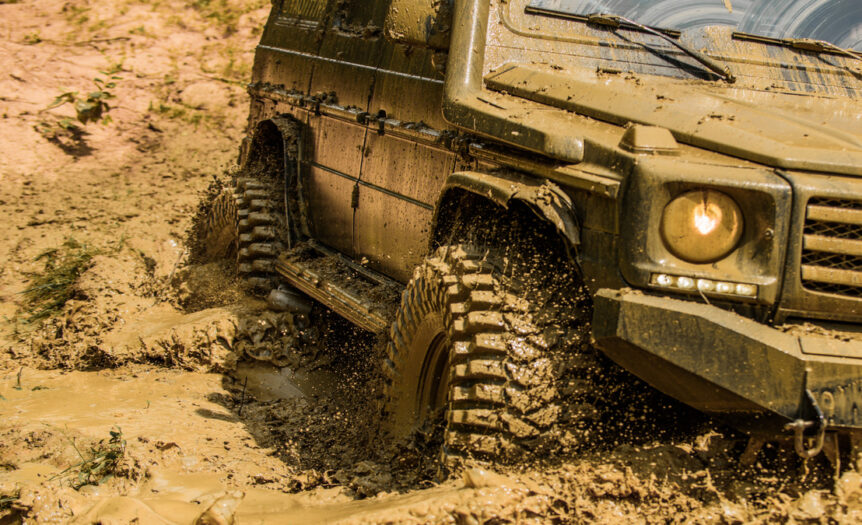
When tires start to spin, it’s tempting to give more throttle. However, that usually makes things worse. Sand and mud require finesse, not brute force.
Engage 4WD before you hit soft terrain, not after. Keep your momentum steady. And if you feel the tires digging in, ease off the throttle and adjust your steering instead of powering through. In Miami, where wet sand mixes with sugar-like beach terrain, wheel spin can bury your rig in seconds.
Start Smart, Then Build
Beginner mistakes aren’t always obvious until they cost you time, or worse, damage. As your trail experience grows, your gear and habits should evolve with it. These are five off-road driving mistakes you’ll want to avoid regardless of skill level.
Let the trail teach you what truly matters next time out.








 Deering Estate
 Massage Envy South Miami
 Calla Blow Dry
 My Derma Clinic
 Sports Grill
 The Healthy Kitchen
 Sushi Maki
 Golden Rule Seafood
 Malanga Cuban Café


 Kathleen Ballard
 Panter, Panter & Sampedro
 Vintage Liquors
 The Dog from Ipanema
 Rubinstein Family Chiropractic
 Your Pet’s Best
 Indigo Republic
 Animal Health and Rehab
 Maurice’s Jewelers
 ATR Luxury Homes

 2112 Design Studio
 Hamilton Fox & Company
 Creative Design Services
 Best Pest Professionals
 HD Tree Services
 Trinity Air Conditioning Company
 Cisca Construction & Development
 Mosquito Joe
 Cutler Bay Solar Solutions


 Miami Royal Ballet & Dance
 Christopher Columbus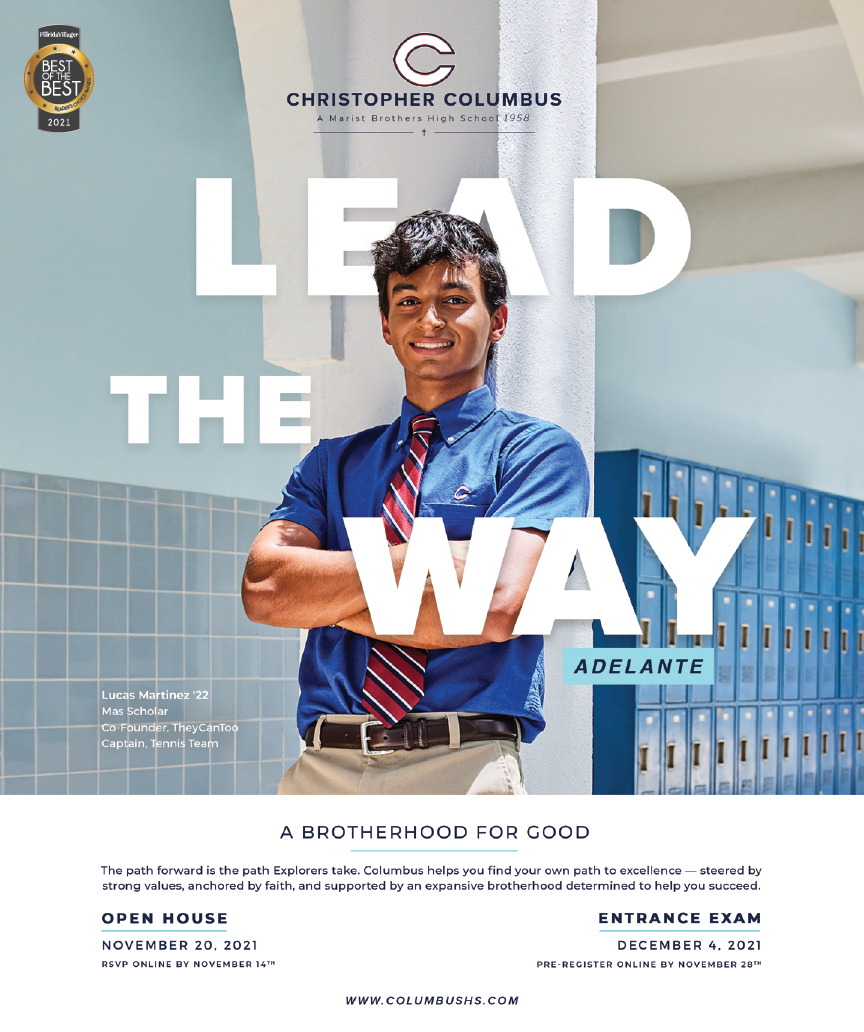
 Pineview Preschools
 Westminster
 Carrollton
 Lil’ Jungle
 Frost Science Museum
 Palmer Trinity School
 South Florida Music
 Pinecrest Orthodontics
 Dr. Bob Pediatric Dentist
 d.pediatrics


 South Miami Women’s Health
 Endodontix Dental Group
 The Spot Barbershop
 My Derma Clinic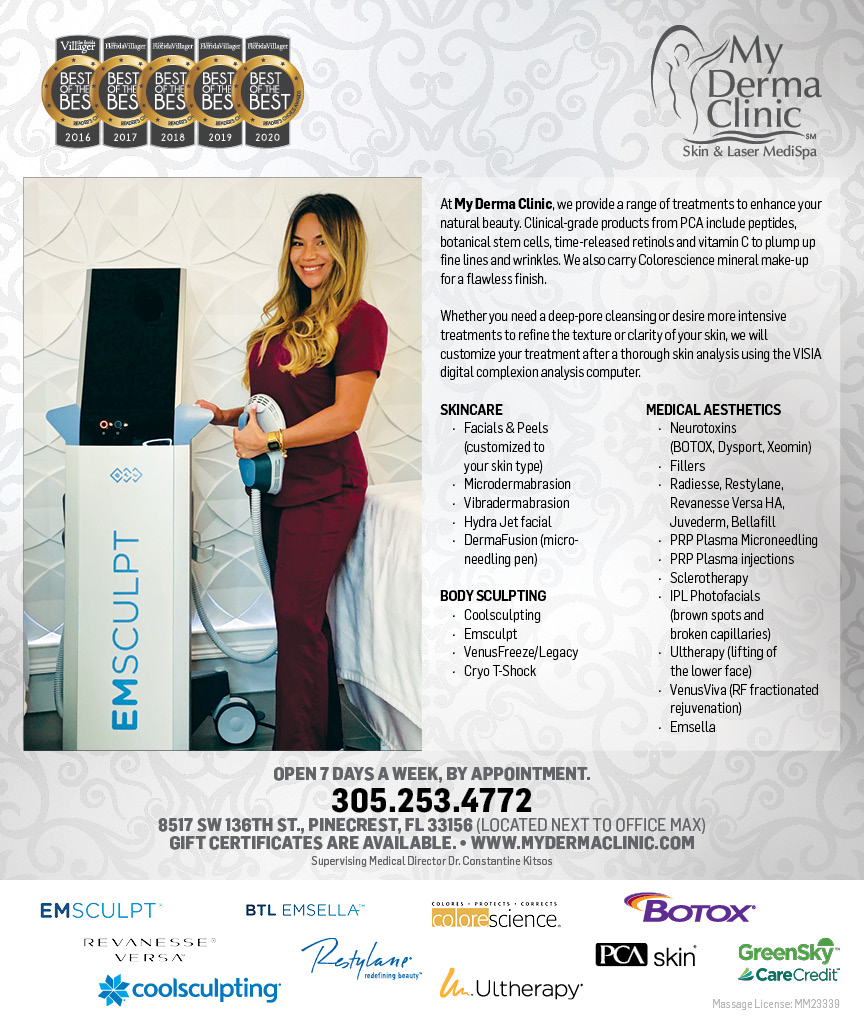




 Miami Dance Project

 Rubinstein Family Chiropractic
 Indigo Republic

 Safes Universe
 Vintage Liquors
 Evenings Delight





 Atchana’s Homegrown Thai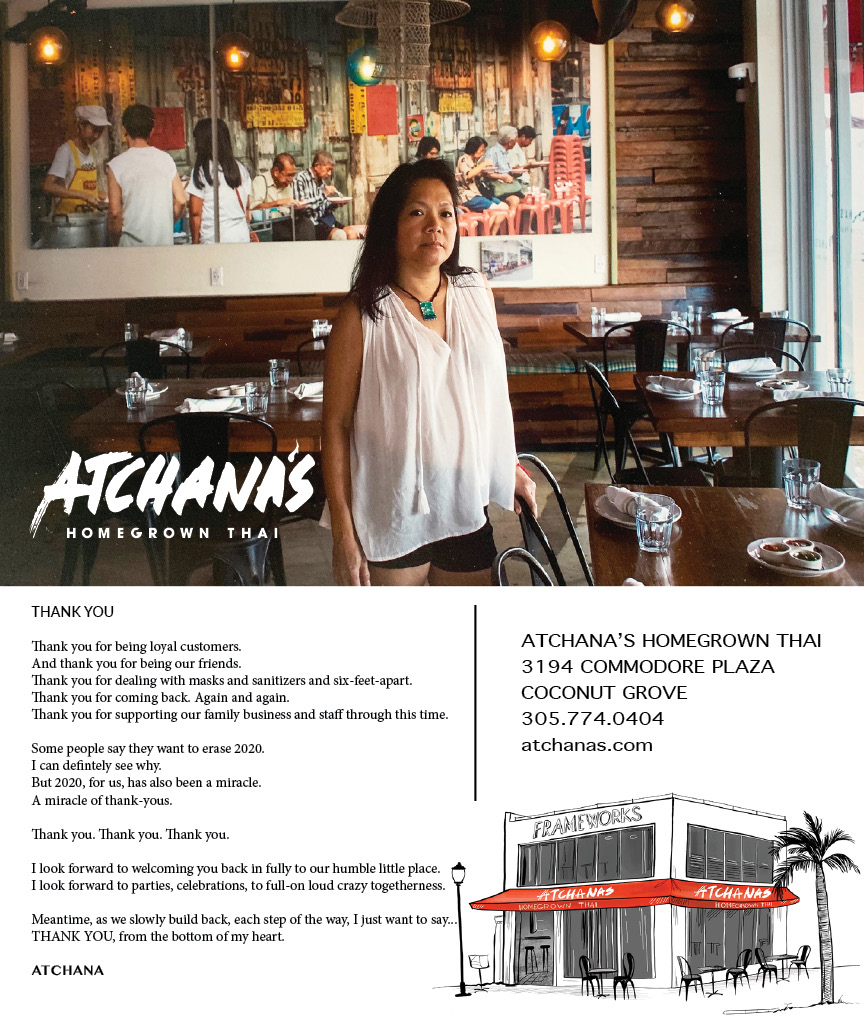
 Baptist Health South Florida

 Laser Eye Center of Miami
 Visiting Angels
 OpusCare of South Florida



 Your Pet’s Best

 HD Tree Services
 Hamilton Fox & Company

 Creative Design Services