When the backyard mango tree produces more fruit than your neighbors can take, it’s tempting to turn the surplus into something you can sell. A batch of mango preserves may qualify under Florida’s Cottage Food Law. Freshly squeezed juice is a different story.
Jenn Hagen, a Family and Consumer Sciences agent with UF/IFAS Extension Lee County, hears questions like these regularly from people looking to start a home-based food business. In the third installment of UF/IFAS Extension’s Cottage Foodie Connections series, Hagen explains which products may qualify and what home producers need to know about food safety.
Can I sell juice, dips or sauces made with produce from my garden?
Freshly squeezed juice cannot be sold as a cottage food. Juicing and bottling fruits or vegetables for sale requires a permit from the Florida Department of Agriculture and Consumer Services (FDACS). If you plan to sell a homemade dip or sauce, check with FDACS first, especially if the product needs refrigeration for safety.
Homegrown high-acid fruits can be used in qualifying jams, jellies and preserves. Fresh fruits and vegetables can also be baked into the batter of qualifying baked goods. Hagen advises against decorating or garnishing those products with fresh or frozen produce. Commercially canned ingredients, such as pumpkin or fruit pie filling, can be incorporated into the batter and baked, provided the finished product qualifies and is properly packaged and labeled.
Do I need a permit or food safety training to sell baked goods?
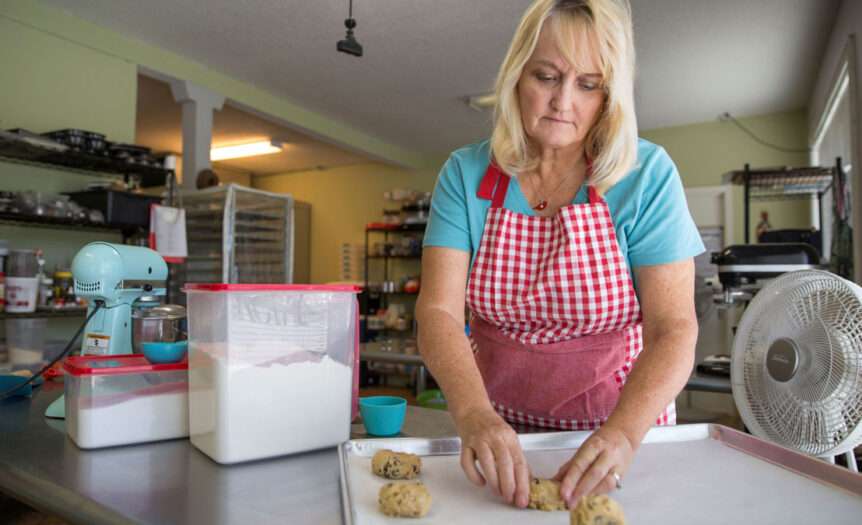
If your baked goods qualify under Florida’s Cottage Food Law, you can sell them without a food permit or mandatory food safety training. Labeling requirements still apply. If your product contains any of the nine major food allergens, you must disclose them on the label. Those allergens are milk, eggs, soy, wheat, tree nuts, peanuts, fish, crustacean shellfish and sesame.
Who is responsible for keeping cottage foods safe?
That responsibility belongs to the producer. Although cottage food operations are exempt from routine inspections, FDACS can investigate complaints. Even foods considered low risk can cause illness if handled improperly.
“While you are not required to complete food safety training to run a home-based cottage food operation, you are responsible for following safe food handling practices,” said Stephanie Brown, a UF/IFAS state specialized food science agent.
Start with thorough handwashing and a clean prep area. Wash work surfaces to remove food residue, then sanitize them with a product labeled for use on food-contact surfaces.
What should I do if a product is recalled or may have made someone sick?
If you think you bought a recalled product, avoid eating, tasting, serving or donating it. Keep it away from pets and follow the instructions in the recall notice. You can report concerns about a cottage food product through the FDACS Division of Food Safety’s online complaint system or by calling 1-800-HELP-FLA (1-800-435-7352).
For producers, keeping ingredient records makes it easier to determine which batches may be affected by a recall. If you suspect you used a recalled ingredient, follow the instructions in the official notice.
For help determining whether a recipe qualifies, contact your local UF/IFAS Extension office or FDACS.






 Deering Estate
 Massage Envy South Miami
 Calla Blow Dry
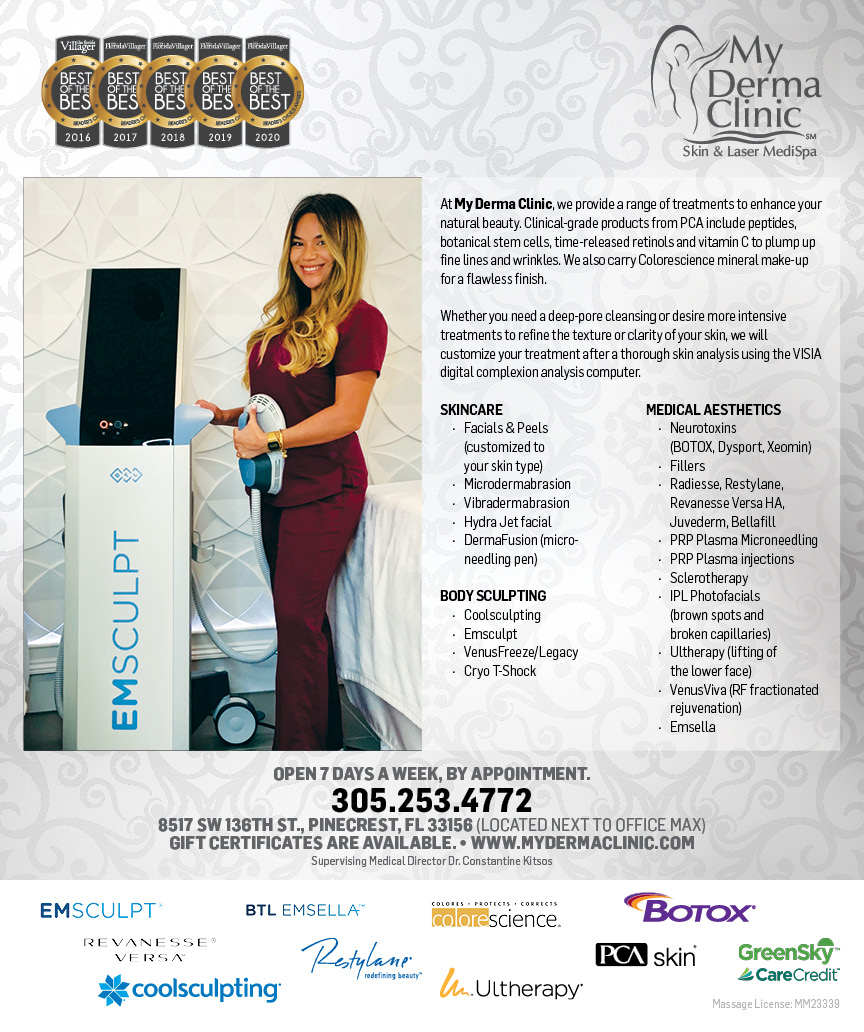
 My Derma Clinic
 Sports Grill

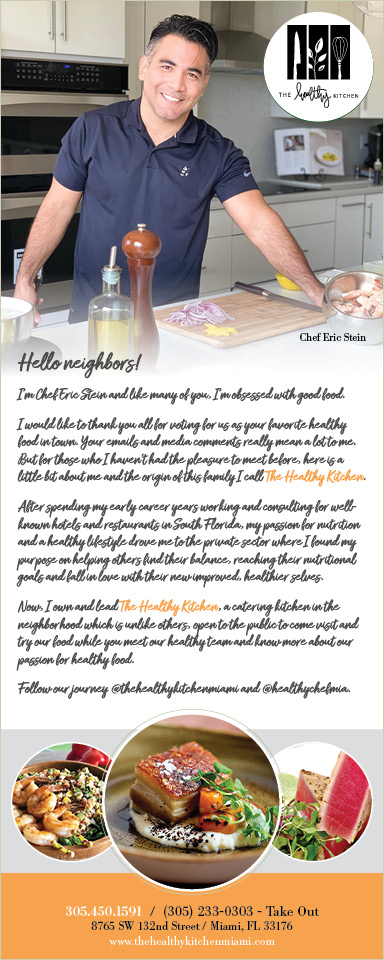
 The Healthy Kitchen

 Sushi Maki

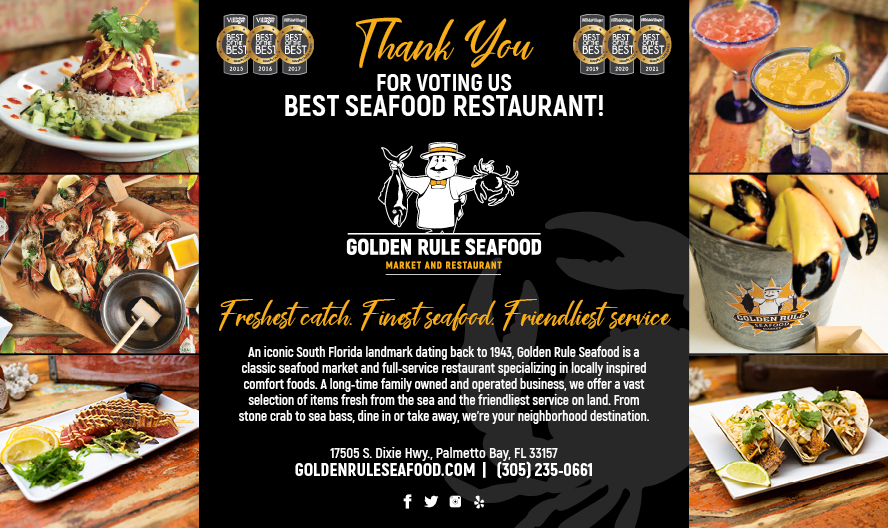
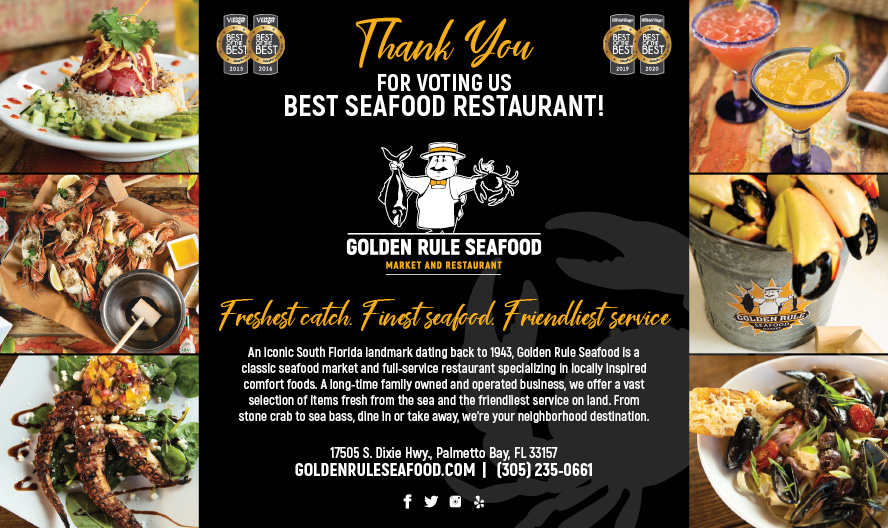
 Golden Rule Seafood
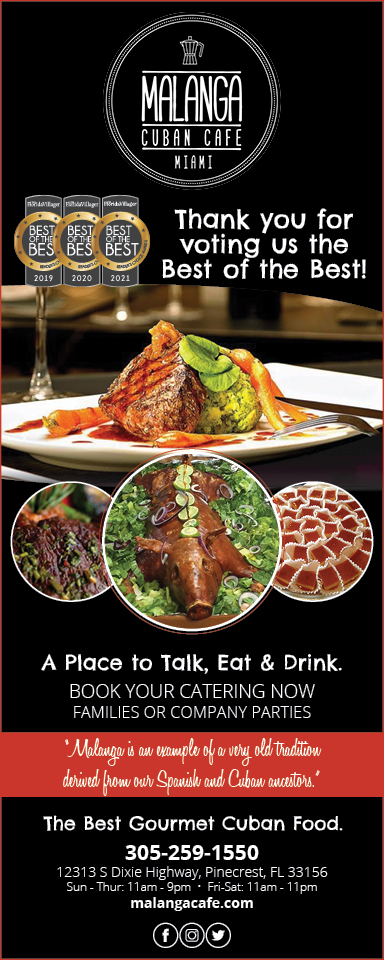
 Malanga Cuban Café


 Kathleen Ballard

 Panter, Panter & Sampedro

 Vintage Liquors

 The Dog from Ipanema

 Rubinstein Family Chiropractic

 Your Pet’s Best

 Indigo Republic

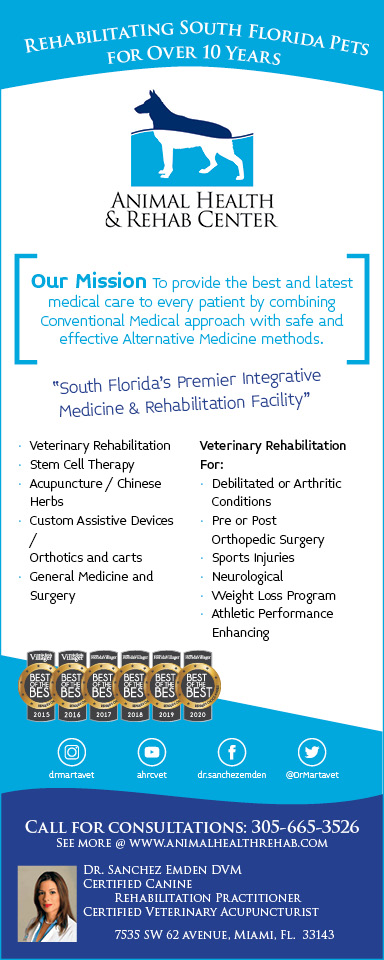
 Animal Health and Rehab
 Maurice’s Jewelers

 ATR Luxury Homes


 2112 Design Studio

 Hamilton Fox & Company

 Creative Design Services

 Best Pest Professionals

 HD Tree Services

 Trinity Air Conditioning Company
 Cisca Construction & Development

 Mosquito Joe

 Cutler Bay Solar Solutions



 Miami Royal Ballet & Dance

 Christopher Columbus

 Pineview Preschools

 Westminster

 Carrollton

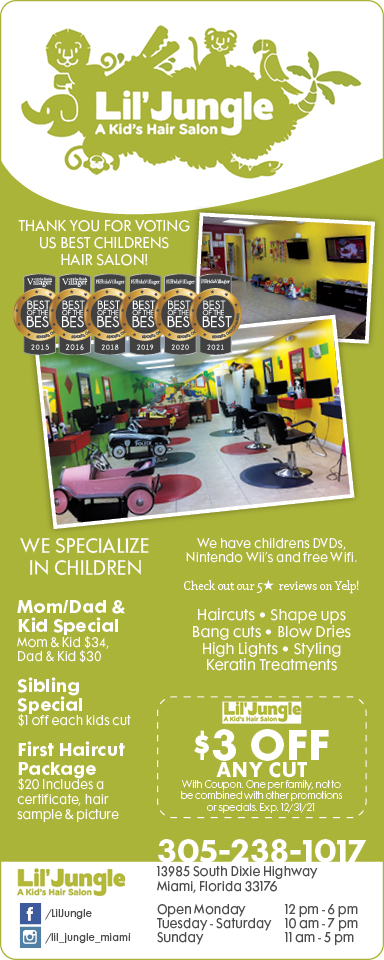
 Lil’ Jungle
 Frost Science Museum

 Palmer Trinity School

 South Florida Music

 Pinecrest Orthodontics

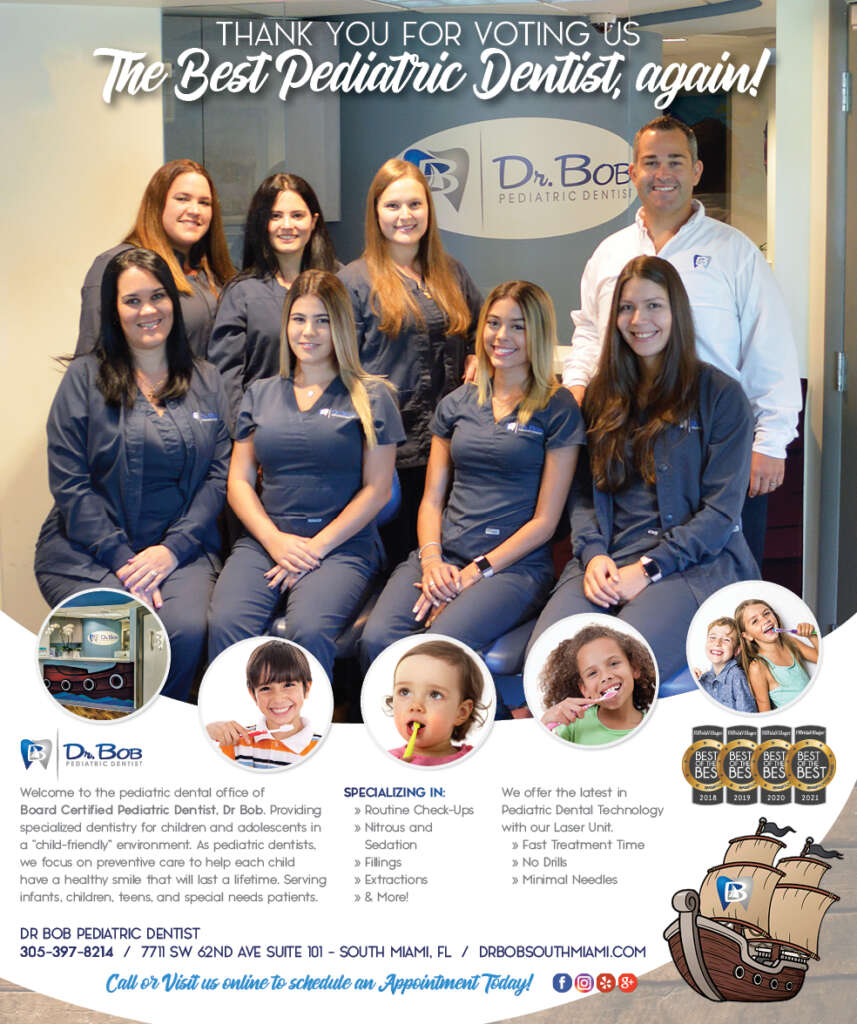
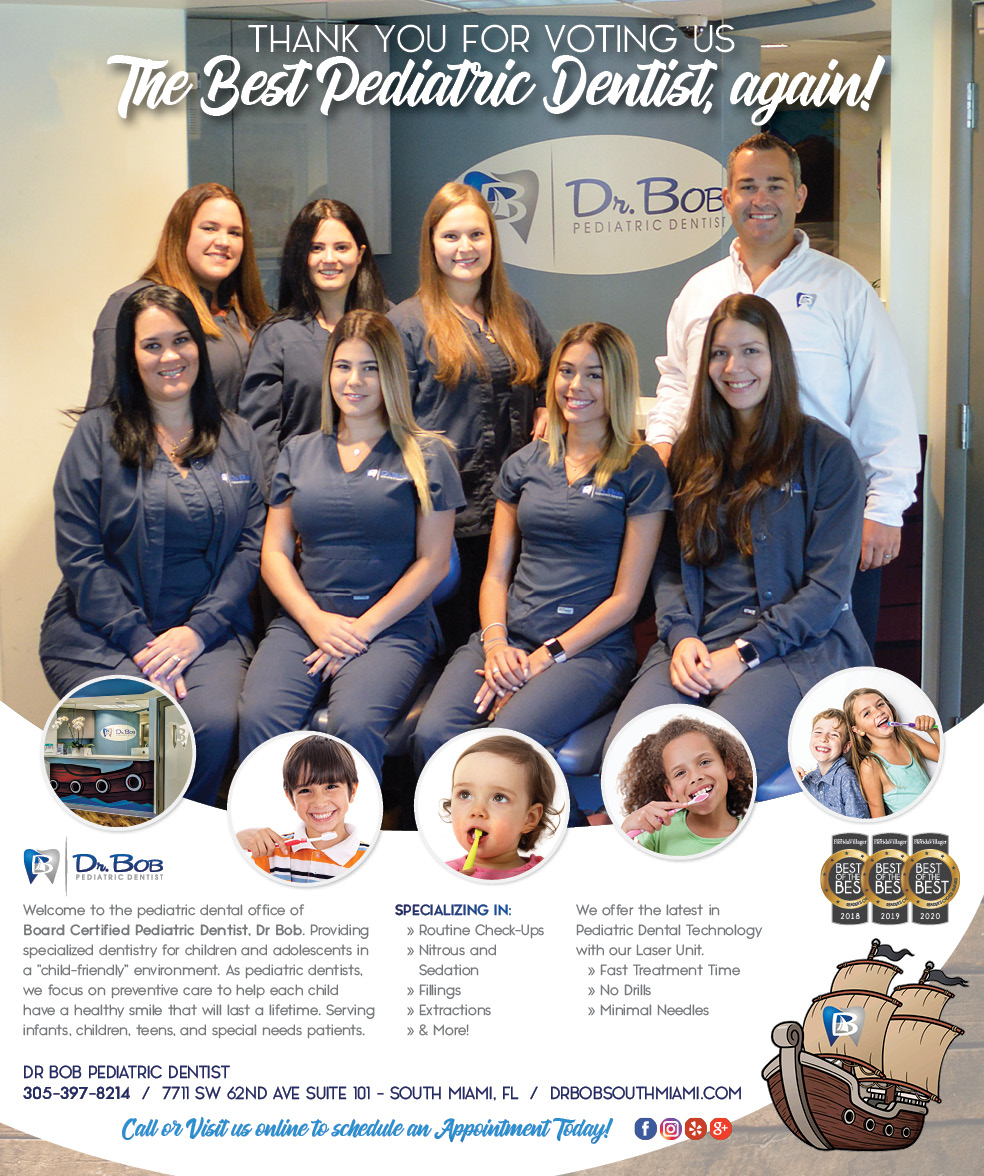
 Dr. Bob Pediatric Dentist
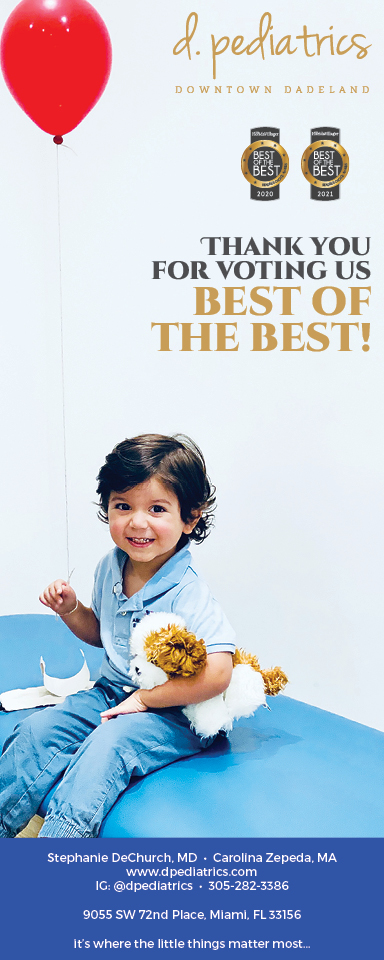
 d.pediatrics

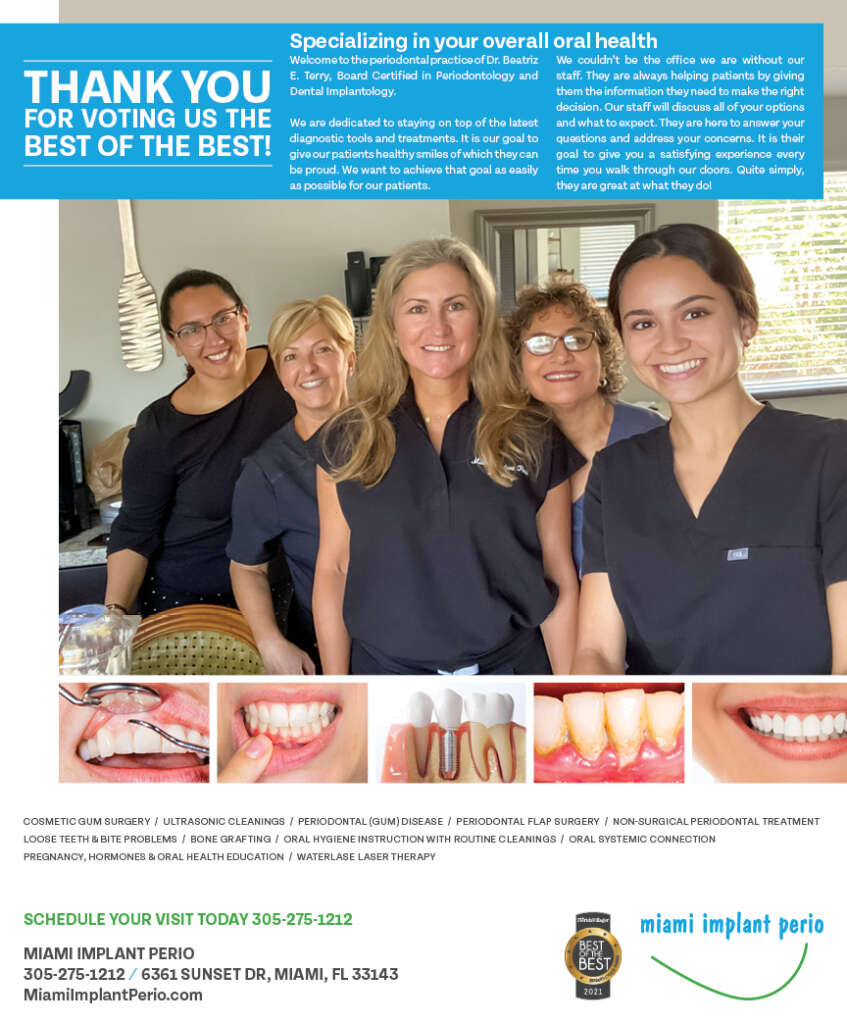
 South Miami Women’s Health

 Endodontix Dental Group

 The Spot Barbershop

 My Derma Clinic


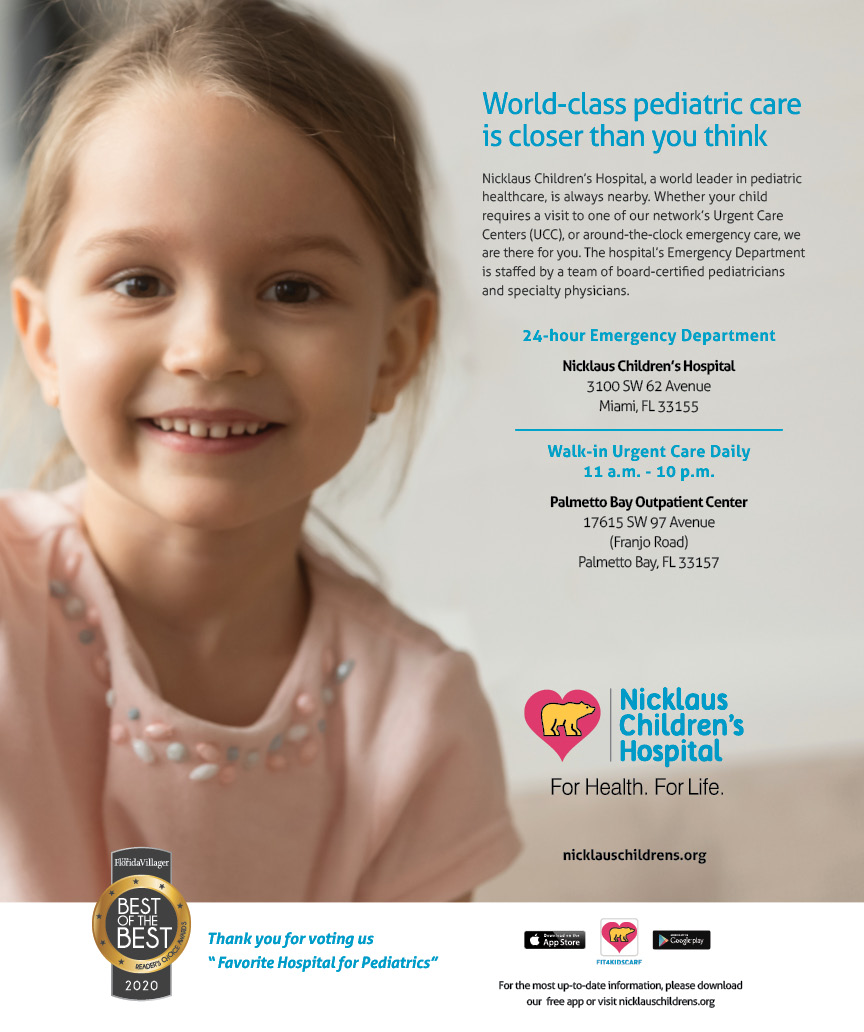

 Miami Dance Project
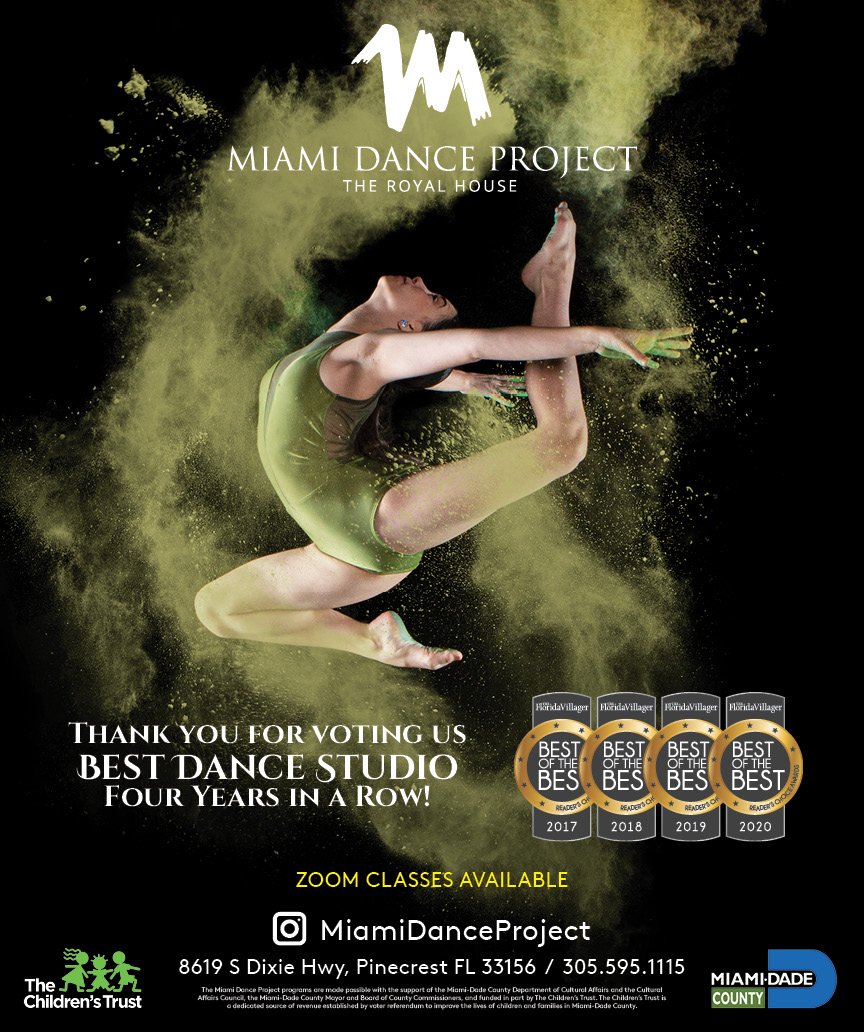
 Rubinstein Family Chiropractic

 Indigo Republic

 Safes Universe

 Vintage Liquors

 Evenings Delight




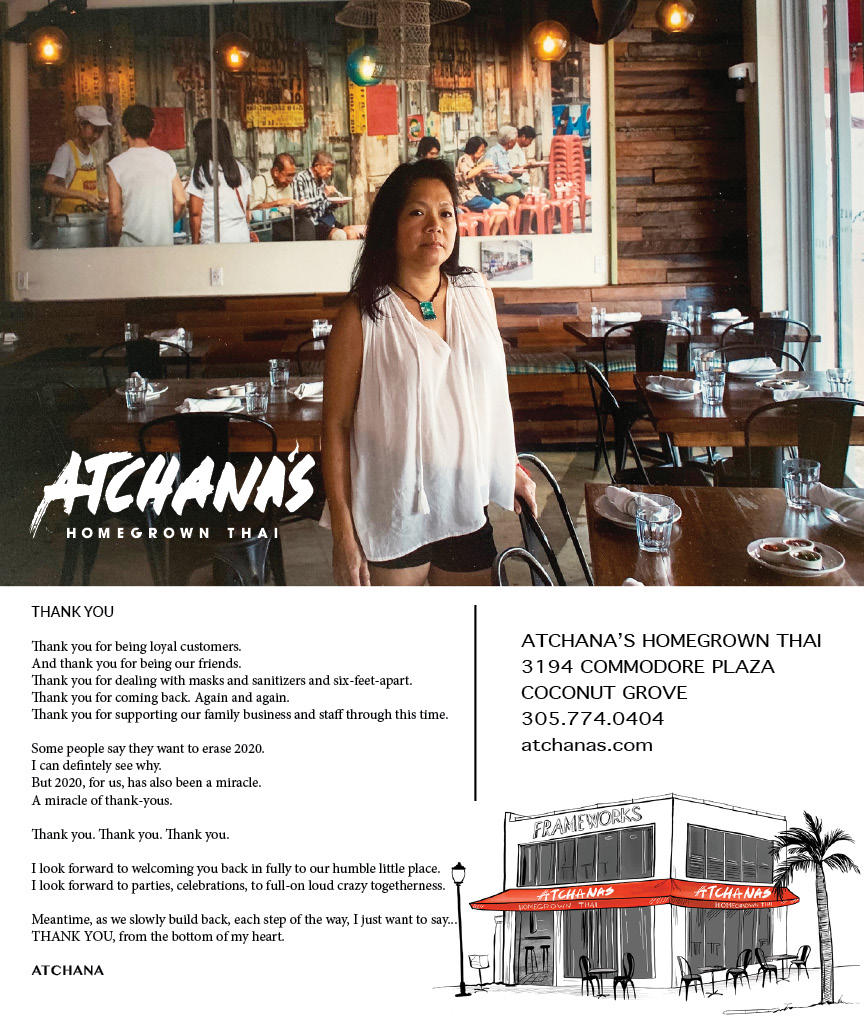
 Atchana’s Homegrown Thai
 Baptist Health South Florida


 Laser Eye Center of Miami

 Visiting Angels

 OpusCare of South Florida




 Your Pet’s Best


 HD Tree Services

 Hamilton Fox & Company


 Creative Design Services