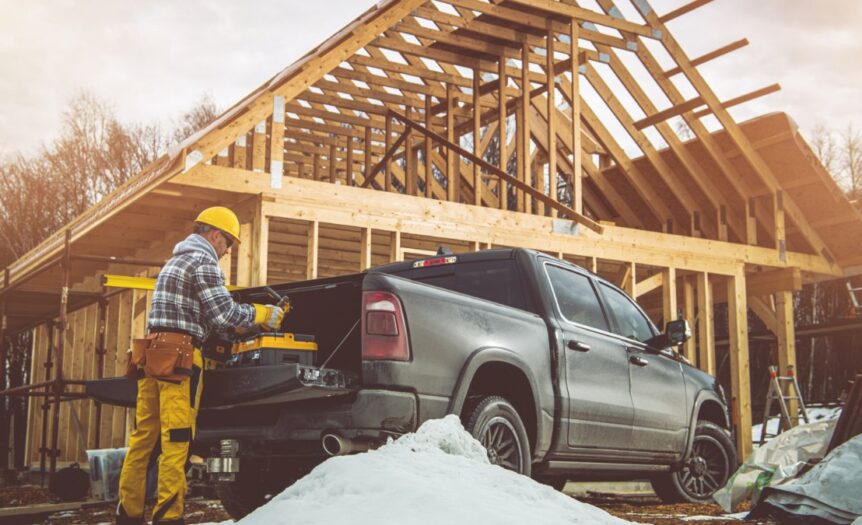
Heavy hauling puts tremendous stress on pickup trucks. From hauling construction equipment and towing trailers to transporting landscaping supplies or heavy tools, trucks used for demanding work face daily exposure to scratches, dents, corrosion, and mechanical wear. Without proper maintenance and protection, even a dependable truck can begin to show signs of damage much sooner than expected. Whether you own a single pickup or manage a fleet, understanding the smart ways to protect trucks used for heavy hauling can help reduce downtime and maintain resale value.
Prioritize Bed Protection Early
The truck bed is often the first area to suffer visible damage during heavy hauling. Repeated loading and unloading of tools, equipment, gravel, lumber, and machinery can leave deep scratches and dents in the surface. Once the protective finish is compromised, moisture can reach exposed metal and lead to rust.
Bedliners provide an important layer of protection against abrasion and impact damage. Spray-on coatings and drop-in liners each offer different benefits depending on how the truck is used. However, older bedliners can eventually wear down or peel, leaving sections vulnerable. Truck owners should understand the common tips and risks involved with applying a new bedliner over an old one before deciding whether to repair or replace damaged coatings.
Using bed mats or cargo padding can also help reduce friction and movement during transportation. Heavy items that slide across the bed create repeated stress on painted surfaces, accelerating wear over time.
Avoid Overloading the Truck
One of the most common causes of premature truck damage is exceeding the vehicle’s weight capacity. Heavy hauling often pushes trucks near their limits, but consistently carrying excessive loads can strain the suspension, brakes, transmission, and tires.
Every truck has a Gross Vehicle Weight Rating (GVWR) designed to indicate the maximum safe load capacity. Ignoring those limits can create long-term mechanical issues and increase the risk of accidents. Overloaded trucks are also more difficult to control, especially during sudden stops or poor weather conditions.
Drivers should distribute cargo evenly to avoid placing unnecessary pressure on one side of the vehicle. Uneven loads can damage suspension components and reduce tire life. Proper load balancing also improves towing stability and overall driving safety.
Wash Trucks Frequently
Heavy hauling exposes trucks to dirt, gravel dust, road salt, mud, chemicals, and moisture. Over time, these contaminants build up underneath the vehicle and on exterior surfaces, increasing the likelihood of corrosion.
Frequent washing is especially important during winter months or after driving on muddy job sites. Undercarriage cleaning helps remove salt and debris that collect around wheel wells, suspension components, and the frame. Trucks used for hauling construction materials may also encounter concrete dust or industrial residue that can damage paint if left untreated.
Regular washing also allows owners to inspect the vehicle for scratches, dents, rust spots, or fluid leaks before small problems become larger repairs.
Invest in Rust Prevention
Rust remains one of the biggest threats to trucks used for heavy-duty work. Even small chips in the paint can eventually spread into larger corrosion problems if moisture reaches exposed metal surfaces.
Applying rust inhibitors or undercoating treatments helps create a barrier against moisture and road salt. Trucks operating in snowy or coastal environments may benefit from additional protection due to constant exposure to corrosive conditions.
Owners should pay close attention to common rust-prone areas such as wheel wells, rocker panels, tailgates, and the underside of the bed. Addressing minor rust spots early can prevent structural damage later.
Garage storage also plays a role in rust prevention. Keeping a truck protected from rain, snow, and prolonged sun exposure helps preserve both paint and metal surfaces.
Use High-Quality Tires Designed for Hauling
Tires play a critical role in heavy hauling performance and safety. Using standard passenger tires on trucks that regularly carry heavy loads can increase the risk of blowouts and poor traction.
Heavy-duty hauling tires are specifically designed to handle increased weight and stress. They often feature reinforced sidewalls and deeper tread patterns for better durability and stability. Tire pressure should also be checked regularly, since underinflated tires generate excessive heat and wear faster under heavy loads.
Rotating tires at recommended intervals helps distribute wear evenly and extends tire lifespan. Truck owners should also inspect tires frequently for punctures, cracking, or uneven tread patterns that may indicate suspension issues.
Protect the Suspension System
Heavy hauling places constant pressure on suspension components, including shocks, springs, and control arms. Over time, these parts wear down and affect handling and towing performance.
Upgraded suspension systems may be necessary for trucks that consistently haul near maximum capacity. Airbag suspension kits, helper springs, and reinforced shocks can improve stability and reduce sagging under heavy loads.
Routine inspections are essential for catching worn suspension components early. Signs such as uneven tire wear, excessive bouncing, or poor steering response may indicate suspension damage that requires attention.
Ignoring suspension problems not only affects comfort but can also place additional strain on other vehicle systems.
Maintain Proper Towing Equipment
Many heavy hauling trucks spend significant time towing trailers, equipment, or machinery. Faulty towing equipment can create serious safety hazards and increase wear on the truck itself.
Trailer hitches should always match the towing capacity of the vehicle. Safety chains, brake controllers, trailer lights, and weight distribution hitches should be inspected regularly for signs of wear or malfunction.
Improper trailer alignment or unstable loads can place excessive stress on the truck frame and drivetrain. Drivers should also ensure trailer tires are properly inflated and maintained to reduce unnecessary strain during transport.
Safe towing habits, including slower acceleration and wider turning distances, help reduce stress on both the truck and trailer.
Long-Term Protection Saves Money
Protecting a truck used for heavy hauling requires a combination of preventive maintenance, smart driving habits, and quality protective equipment. Owners who invest time into preserving their vehicles often experience fewer breakdowns, lower repair costs, and longer service life.
As workloads increase and trucks face harsher conditions, proactive care becomes even more important. Understanding the smart ways to protect trucks used for heavy hauling helps drivers maintain reliability while protecting the value of one of their most important investments. A well-maintained truck not only performs better but also remains safer, more efficient, and more dependable for years to come.








 Deering Estate
 Massage Envy South Miami
 Calla Blow Dry
 My Derma Clinic
 Sports Grill
 The Healthy Kitchen
 Sushi Maki
 Golden Rule Seafood
 Malanga Cuban Café


 Kathleen Ballard
 Panter, Panter & Sampedro
 Vintage Liquors
 The Dog from Ipanema
 Rubinstein Family Chiropractic
 Your Pet’s Best
 Indigo Republic
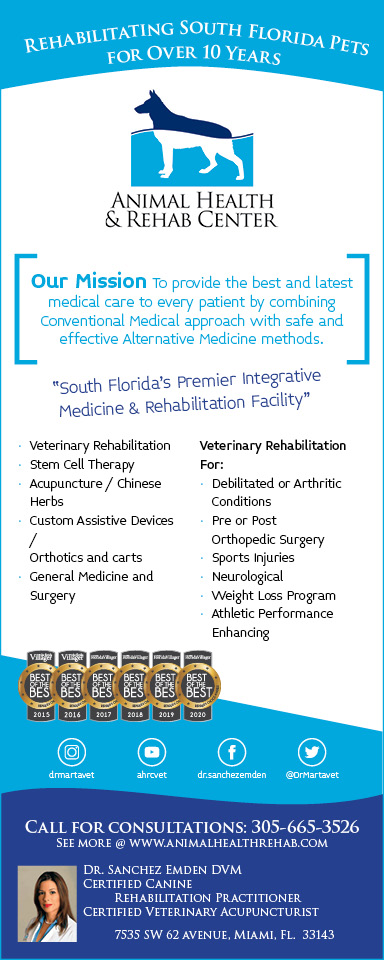
 Animal Health and Rehab
 Maurice’s Jewelers
 ATR Luxury Homes


 2112 Design Studio
 Hamilton Fox & Company
 Creative Design Services
 Best Pest Professionals
 HD Tree Services
 Trinity Air Conditioning Company
 Cisca Construction & Development
 Mosquito Joe
 Cutler Bay Solar Solutions


 Miami Royal Ballet & Dance
 Christopher Columbus
 Pineview Preschools
 Westminster
 Carrollton
 Lil’ Jungle
 Frost Science Museum
 Palmer Trinity School
 South Florida Music
 Pinecrest Orthodontics
 Dr. Bob Pediatric Dentist
 d.pediatrics


 South Miami Women’s Health
 Endodontix Dental Group
 The Spot Barbershop
 My Derma Clinic




 Miami Dance Project

 Rubinstein Family Chiropractic
 Indigo Republic
 Safes Universe
 Vintage Liquors
 Evenings Delight





 Atchana’s Homegrown Thai
 Baptist Health South Florida

 Laser Eye Center of Miami
 Visiting Angels
 OpusCare of South Florida



 Your Pet’s Best

 HD Tree Services
 Hamilton Fox & Company

 Creative Design Services