
Training effectively with firearms requires more than just skill and consistency. The type of target you choose can significantly influence your experience, accuracy, and overall progress. Whether you’re a beginner or a seasoned shooter, it’s important to determine which shooting targets are best for you to achieve your goals and enhance your practice sessions. This article breaks down key considerations to help you make an informed choice.
Material Matters
Targets come in a variety of materials, each suiting different purposes. Paper targets are budget-friendly and ideal for short-range practice or precision shooting. They provide clear visuals for assessing shot placement. Steel targets, on the other hand, offer durability and immediate auditory feedback. They’re excellent for tactical training or drills that require quick reactions. Setting up a private steel target range can give you access to an immersive, responsive training opportunity that delivers immediate feedback without the need for manual resetting or inspection.
Plastic or polymer targets are another durable option, designed to handle repeated hits while keeping maintenance low. Considering how you plan to train and the frequency of use will help guide material selection.
Shapes and Sizes
Target shapes and sizes directly impact the complexity of your training. Traditional bullseye targets encourage accuracy, while silhouette targets simulate real-world scenarios, offering a practical edge for defensive training. Reactive targets, which move or change appearance upon impact, make practice dynamic and engaging.
If you’re a beginner, larger targets offer an accessible starting point for building confidence. Experienced shooters, on the other hand, can benefit from smaller or irregularly shaped targets that challenge precision.
Range and Location
Practicality depends heavily on where you’ll train and the range distance. Indoor ranges often limit target options to paper or lightweight material, while outdoor setups open the door to a wider variety, including steel or reactive targets. Always check local range rules and personal safety protocols when making your selection.
Portability matters too. If your setup requires frequent transport, lightweight or collapsible targets may be more convenient than heavy steel options.
Take Your Pick
When trying to determine which shooting targets are best for you, consider your skill level, training goals, and the environment where you’ll practice. Targets that match your specific needs will help sharpen your accuracy and make each session more productive. Whether you prefer paper for detailed evaluation or steel for responsive training, choosing the right type will be key to seeing consistent growth.








 Deering Estate
 Massage Envy South Miami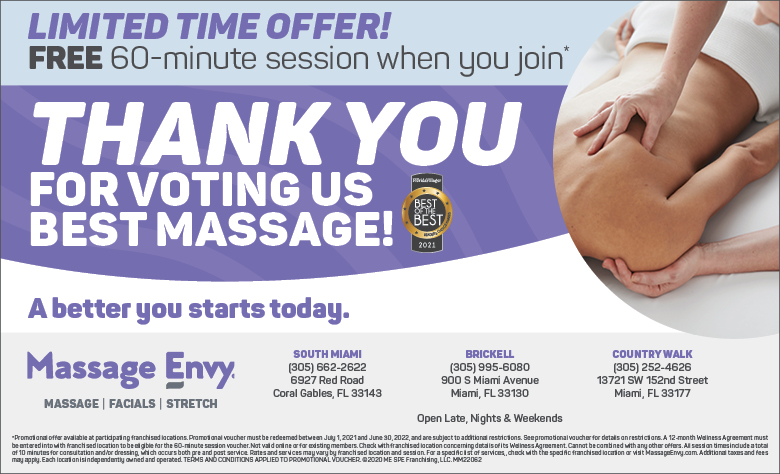
 Calla Blow Dry
 My Derma Clinic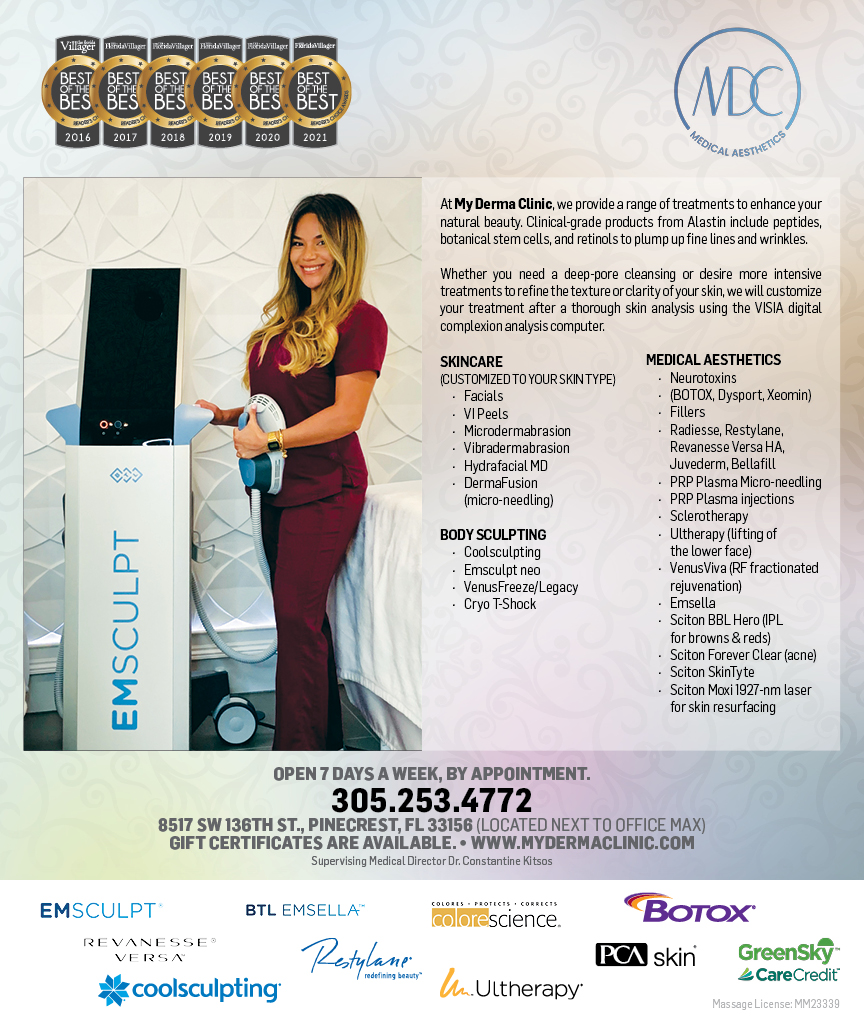
 Sports Grill
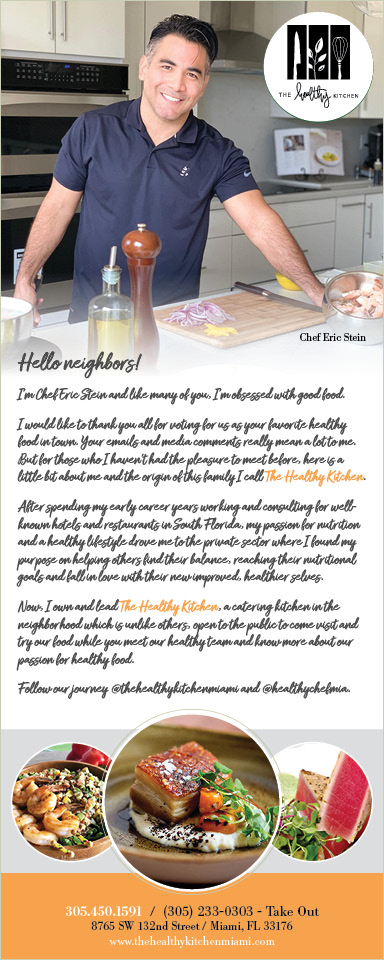
 The Healthy Kitchen
 Sushi Maki
 Golden Rule Seafood
 Malanga Cuban Café

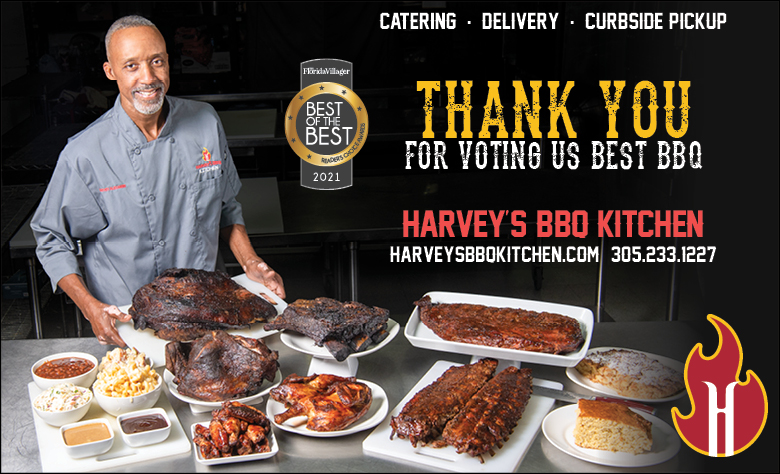
 Kathleen Ballard
 Panter, Panter & Sampedro
 Vintage Liquors
 The Dog from Ipanema
 Rubinstein Family Chiropractic
 Your Pet’s Best
 Indigo Republic
 Animal Health and Rehab
 Maurice’s Jewelers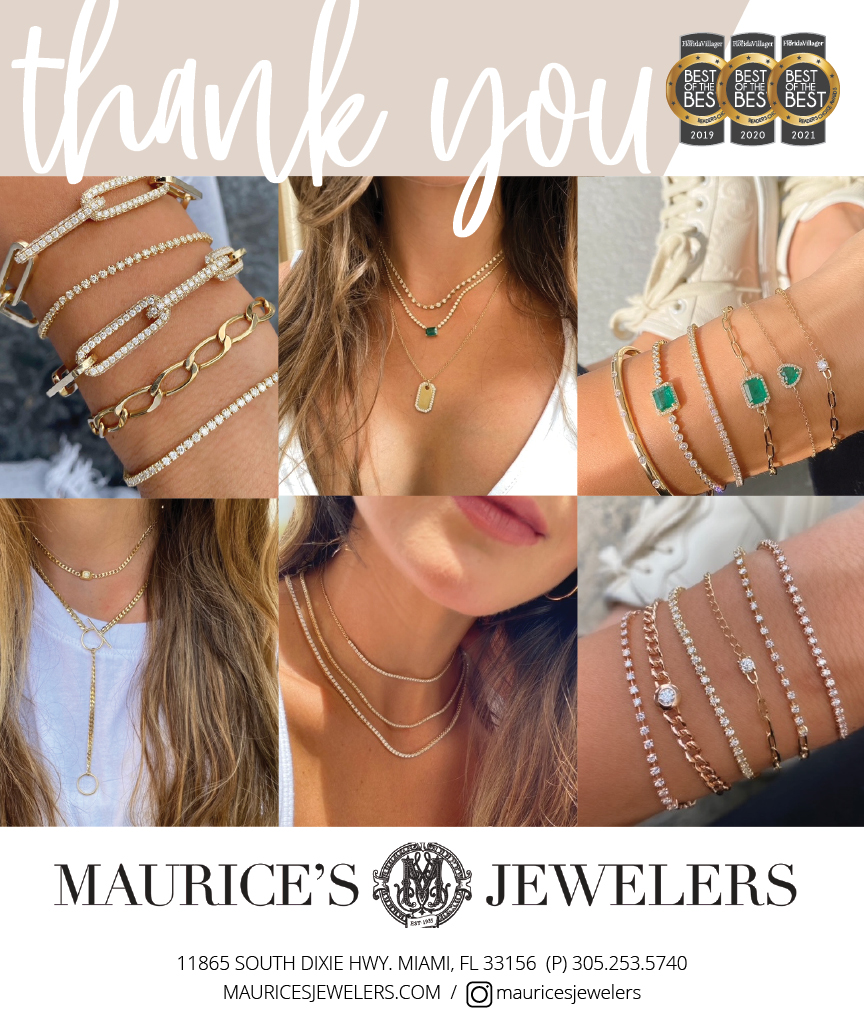
 ATR Luxury Homes

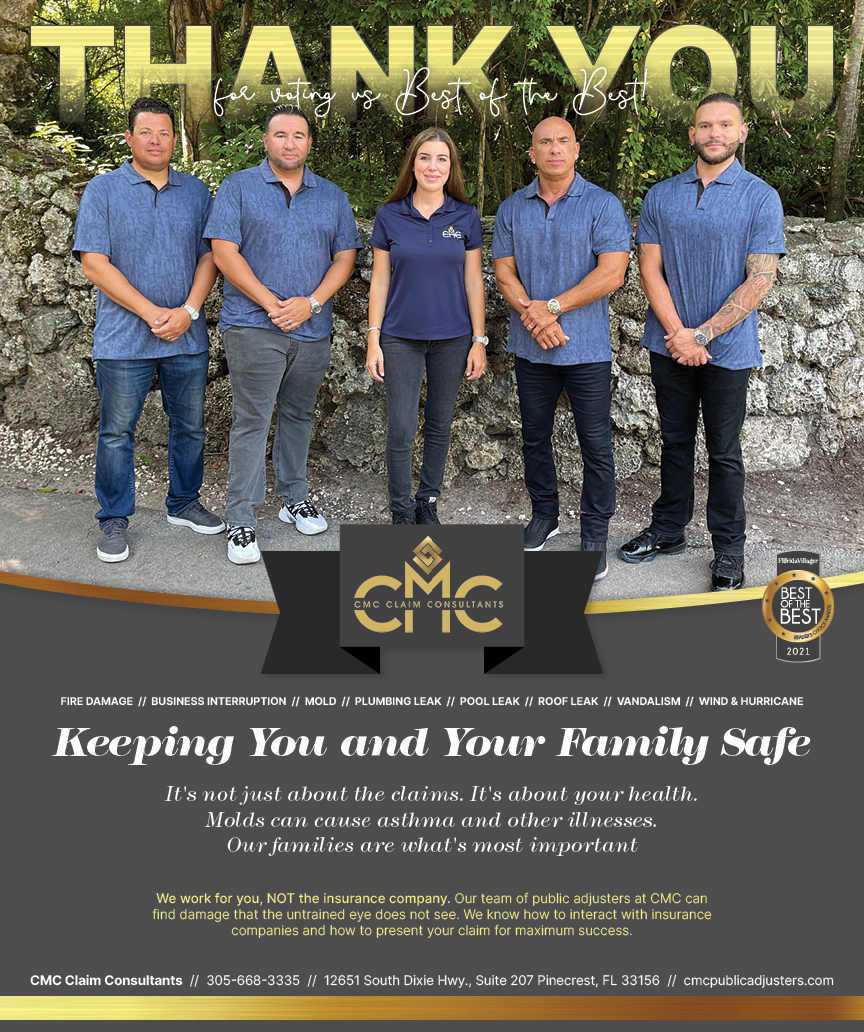
 2112 Design Studio
 Hamilton Fox & Company
 Creative Design Services
 Best Pest Professionals
 HD Tree Services
 Trinity Air Conditioning Company
 Cisca Construction & Development
 Mosquito Joe
 Cutler Bay Solar Solutions


 Miami Royal Ballet & Dance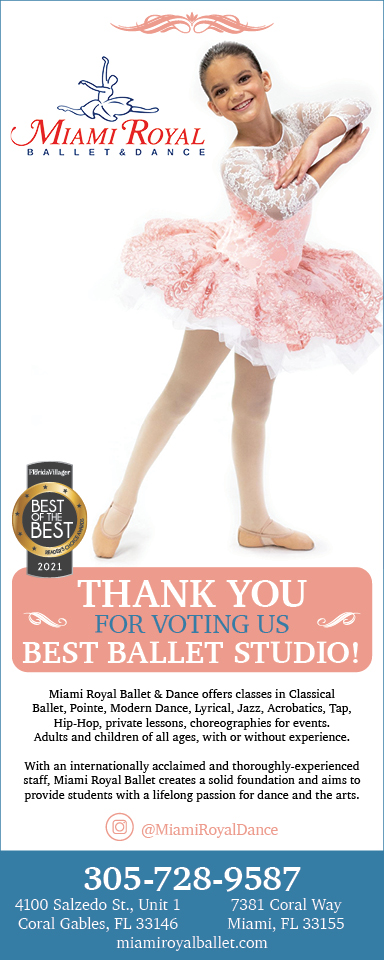
 Christopher Columbus
 Pineview Preschools
 Westminster
 Carrollton
 Lil’ Jungle
 Frost Science Museum
 Palmer Trinity School
 South Florida Music
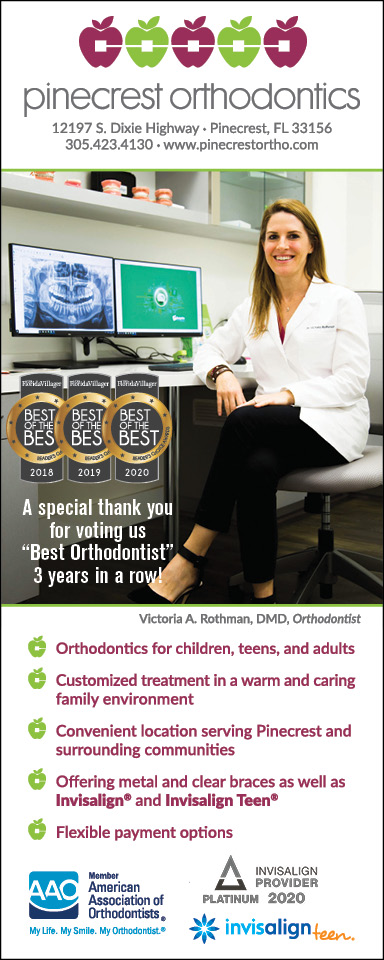
 Pinecrest Orthodontics
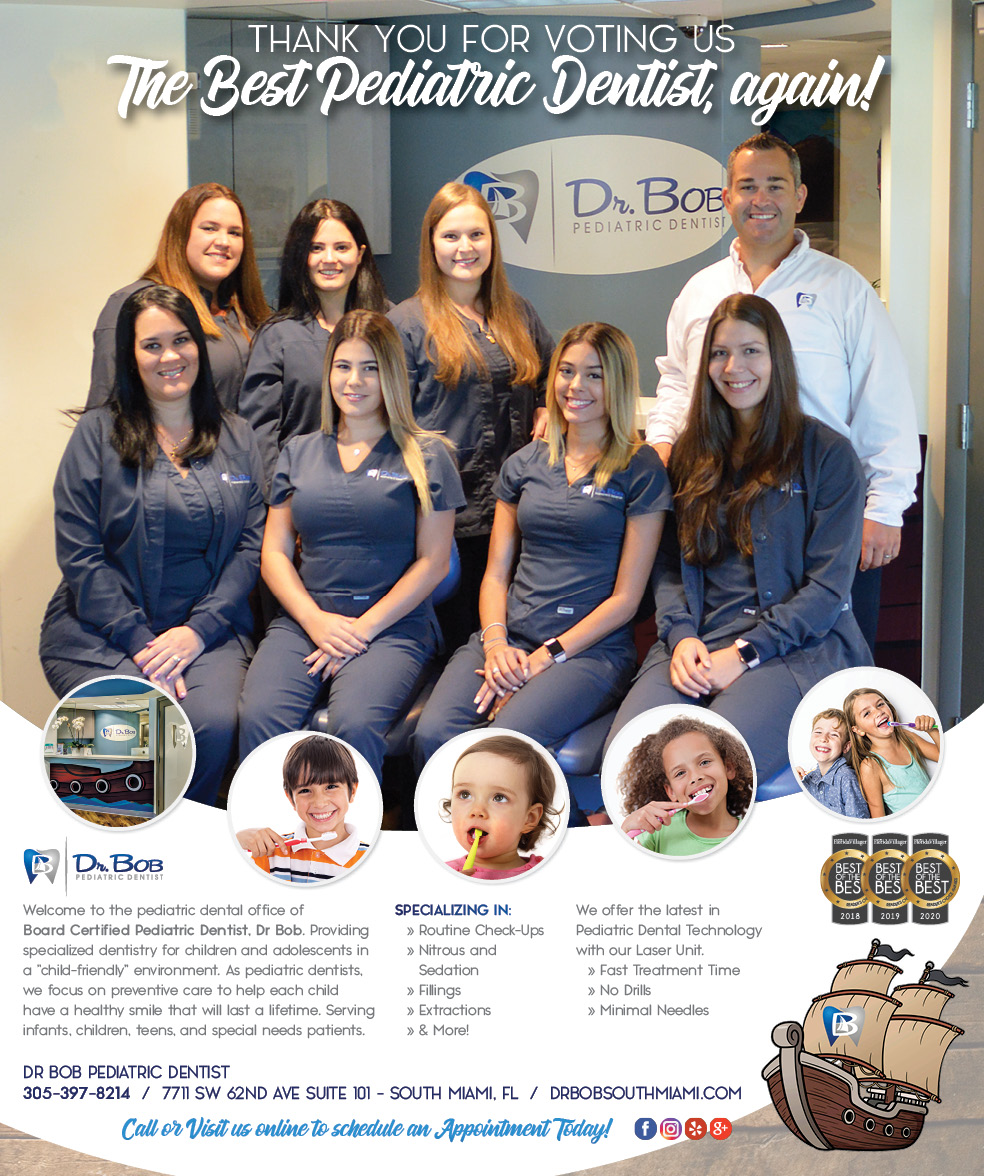
 Dr. Bob Pediatric Dentist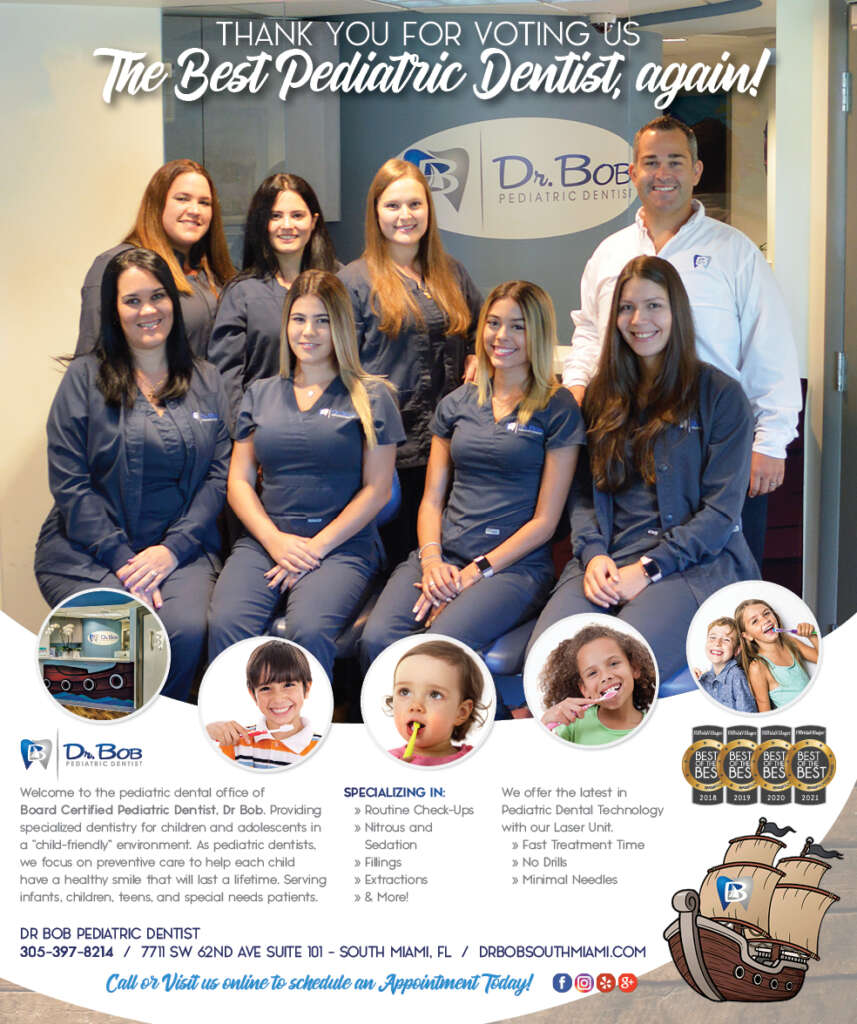
 d.pediatrics


 South Miami Women’s Health
 Endodontix Dental Group
 The Spot Barbershop
 My Derma Clinic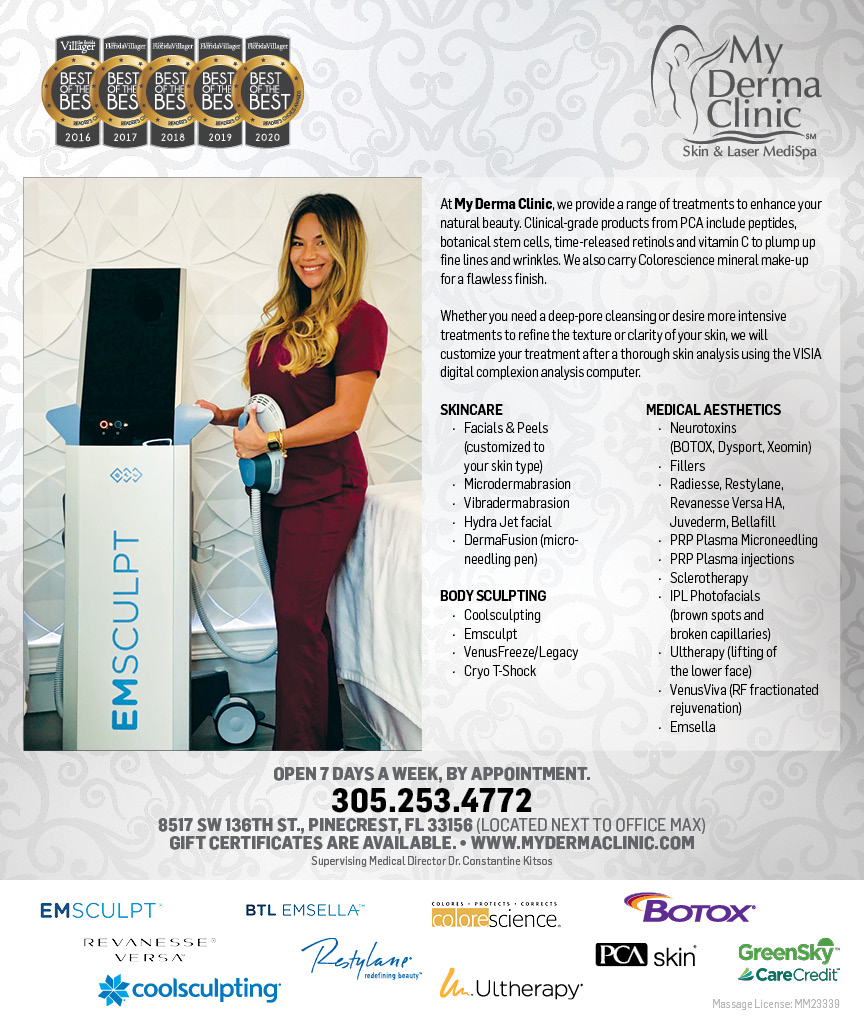



 Miami Dance Project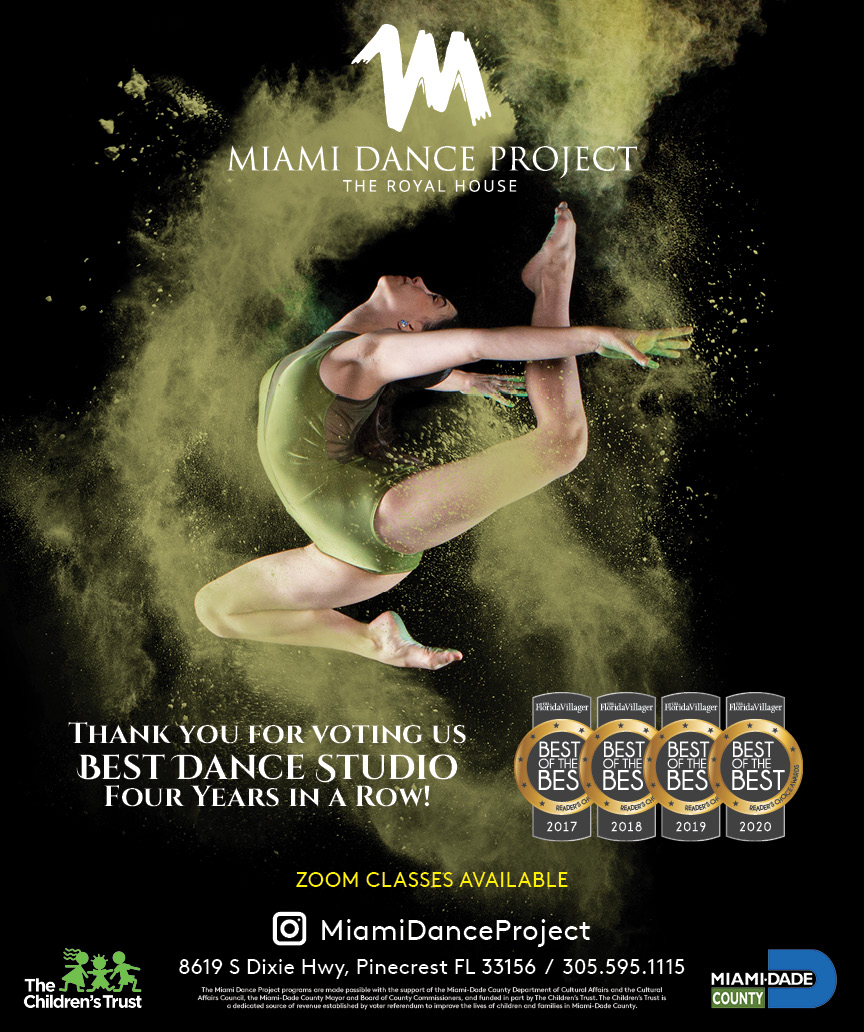
 Rubinstein Family Chiropractic
 Indigo Republic

 Safes Universe
 Vintage Liquors
 Evenings Delight




 Atchana’s Homegrown Thai
 Baptist Health South Florida

 Laser Eye Center of Miami
 Visiting Angels
 OpusCare of South Florida



 Your Pet’s Best

 HD Tree Services
 Hamilton Fox & Company

 Creative Design Services