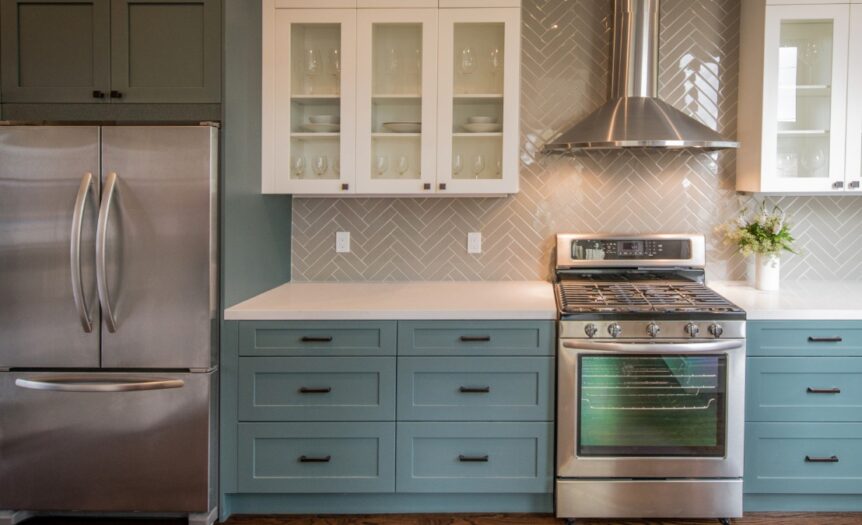
A kitchen remodel stands as one of the most impactful decisions a homeowner can make for comfort, function, and value. It affects daily routines and even how guests experience your home during visits and gatherings. Understanding how often and why to remodel your kitchen will help prevent wasted money and ensure each update serves a meaningful purpose.
Many homeowners delay upgrades until visible damage appears, yet this approach often leads to higher costs and limited design flexibility later. A thoughtful remodel plan considers lifestyle changes, appliance efficiency, and evolving design preferences rather than reacting only to deterioration or failure. With proper timing and clear goals, a remodel becomes an investment that improves quality of life and property appeal.
Signs Your Kitchen Needs Attention
A kitchen often reveals its age through worn surfaces, outdated finishes, and inefficient layouts that slow daily tasks and reduce overall satisfaction. Cabinets may lose alignment, and lighting fails to support safe food preparation during busy routines. These issues signal that the space no longer supports modern expectations for comfort and usability.
Functional limitations also appear when storage feels insufficient and workflow forces unnecessary movement between appliances and preparation zones. Small inconveniences accumulate and turn simple meals into frustrating experiences that discourage time spent in the kitchen. Addressing these concerns early helps restore efficiency and creates a more enjoyable environment for everyday use.
Recommended Remodeling Frequency
Most experts suggest a kitchen remodel every ten to fifteen years, depending on usage, material quality, and changing household needs over time. This timeframe allows homeowners to balance cost with meaningful improvements that reflect current standards and personal preferences. Regular evaluation helps determine whether a full renovation or smaller updates will better suit the space.
Minor updates such as paint, hardware replacement, and lighting improvements may occur more frequently without requiring a complete redesign of the kitchen layout. These smaller changes extend the life of existing features and maintain a fresh appearance between major renovations. Thoughtful maintenance reduces the urgency of large projects and spreads investment across manageable phases.
Lifestyle Changes and Kitchen Design
Life transitions often influence kitchen needs, including growing families, remote work patterns, or a desire for more social interaction within the home. A kitchen that once served basic cooking tasks may require expanded seating or dedicated zones for multiple users. Adapting the space ensures it continues to support evolving routines without unnecessary stress.
Entertaining preferences also shape design choices, as many homeowners seek open layouts that encourage conversation and connection during meals and gatherings. The kitchen becomes a central hub rather than an isolated workspace hidden from guests and family members. Remodeling in response to lifestyle shifts creates a space that feels aligned with daily habits and goals.
Impact on Home Value
A well-planned kitchen remodel can significantly increase property value, making it one of the most rewarding home improvement projects available to owners. Buyers often focus on kitchens when evaluating homes, as the space reflects style and functionality in a highly visible way. Updated features signal care and reduce the need for immediate renovations after purchase.
Even modest improvements can influence buyer perception, as clean finishes and modern appliances create a sense of readiness and convenience. A dated kitchen may discourage interest or lead to lower offers due to anticipated renovation costs. Strategic upgrades help position the home competitively within the real estate market.
Energy Efficiency and Sustainability
Modern kitchen remodels often incorporate energy-efficient appliances, improved insulation, and sustainable materials that reduce environmental impact and lower utility costs. These upgrades support responsible resource use while providing financial savings for homeowners. Energy-conscious design also aligns with broader trends toward environmentally aware living.
Water-saving fixtures and efficient lighting systems further enhance sustainability without sacrificing performance or convenience within the kitchen environment. Small adjustments in material selection and appliance choice contribute to a more responsible and efficient household. Remodeling provides an opportunity to align the kitchen with modern environmental standards.
Layout Efficiency and Flow
Kitchen layout determines how easily tasks move from preparation to cooking and cleanup, making it a key factor in overall usability and satisfaction. Poor layouts force unnecessary steps and disrupt workflow, leading to frustration during even simple cooking activities. A remodel offers the chance to correct these inefficiencies.
With these popular layouts to consider for your kitchen remodel, you can create a space that supports efficient movement and clear task separation. Thoughtful placement of appliances, counters, and storage zones reduces effort and improves overall experience. A well-designed layout transforms the kitchen into a practical and enjoyable environment.
Aesthetic Updates and Personal Style
Design preferences change over time, and a kitchen that once felt modern may appear outdated as trends and personal tastes evolve. Colors, materials, and finishes influence how the space feels and how comfortable it becomes for daily use. One of the main reasons to remodel your kitchen is that it allows you to express current style choices.
Updating visual elements such as countertops and lighting creates a cohesive look that enhances the entire home’s interior design. These changes contribute to a sense of pride and satisfaction within the living space. Personal style plays an important role in making the kitchen feel welcoming and complete.
Budget Planning and Timing
Careful budget planning ensures that a kitchen remodel delivers value without causing financial strain or incomplete work due to unexpected costs. Setting priorities helps allocate funds toward features that offer the greatest impact on functionality and appearance. A clear plan reduces uncertainty and supports smoother project execution.
Timing also influences cost, as material prices and contractor availability can vary based on demand and seasonal factors. Planning allows homeowners to secure better pricing and avoid delays during construction. Strategic timing supports a more efficient and cost-effective remodeling process.
Professional Guidance and Execution
Working with experienced professionals ensures that design ideas translate into practical solutions that meet building standards and durability expectations. Designers and contractors provide insight into materials, layouts, and construction methods that homeowners may overlook. Their expertise helps prevent costly mistakes.
Clear communication between all parties supports accurate timelines and consistent progress throughout the remodeling process. Collaboration ensures that each detail aligns with the overall vision for the kitchen. Professional involvement enhances both the quality and reliability of the final result.
A kitchen remodel represents more than a visual upgrade, as it directly affects how a home functions and how people interact within that space. Understanding when to remodel and why allows homeowners to make informed decisions that balance cost, comfort, and value. Each improvement should serve a clear purpose that enhances daily life.
Regular evaluation of kitchen performance, combined with thoughtful planning and design, ensures that the space remains efficient and enjoyable for years to come. Whether driven by necessity or preference, remodeling offers an opportunity to create a kitchen that reflects current needs and future aspirations.








 Deering Estate
 Massage Envy South Miami
 Calla Blow Dry
 My Derma Clinic
 Sports Grill
 The Healthy Kitchen
 Sushi Maki
 Golden Rule Seafood
 Malanga Cuban Café


 Kathleen Ballard
 Panter, Panter & Sampedro
 Vintage Liquors
 The Dog from Ipanema
 Rubinstein Family Chiropractic
 Your Pet’s Best
 Indigo Republic
 Animal Health and Rehab
 Maurice’s Jewelers
 ATR Luxury Homes


 2112 Design Studio
 Hamilton Fox & Company
 Creative Design Services
 Best Pest Professionals
 HD Tree Services
 Trinity Air Conditioning Company
 Cisca Construction & Development
 Mosquito Joe
 Cutler Bay Solar Solutions


 Miami Royal Ballet & Dance
 Christopher Columbus
 Pineview Preschools
 Westminster
 Carrollton
 Lil’ Jungle
 Frost Science Museum
 Palmer Trinity School
 South Florida Music
 Pinecrest Orthodontics
 Dr. Bob Pediatric Dentist
 d.pediatrics


 South Miami Women’s Health
 Endodontix Dental Group
 The Spot Barbershop
 My Derma Clinic




 Miami Dance Project

 Rubinstein Family Chiropractic
 Indigo Republic

 Safes Universe
 Vintage Liquors
 Evenings Delight





 Atchana’s Homegrown Thai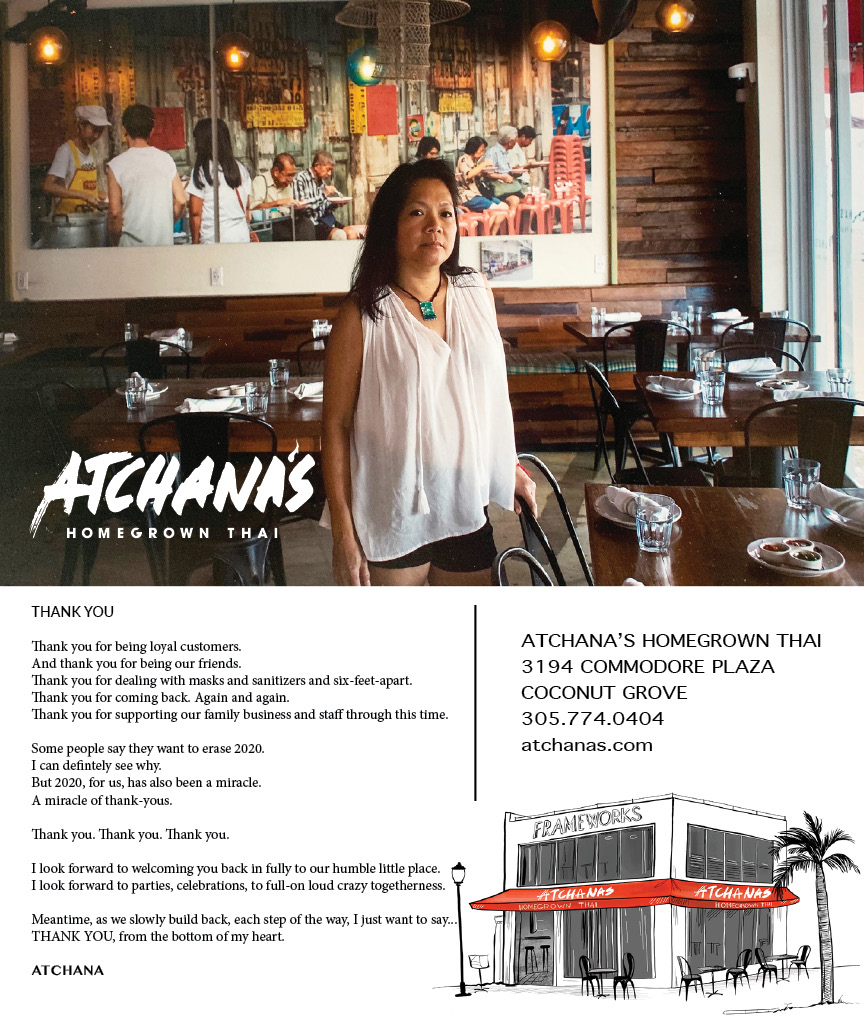
 Baptist Health South Florida

 Laser Eye Center of Miami
 Visiting Angels
 OpusCare of South Florida



 Your Pet’s Best

 HD Tree Services
 Hamilton Fox & Company

 Creative Design Services