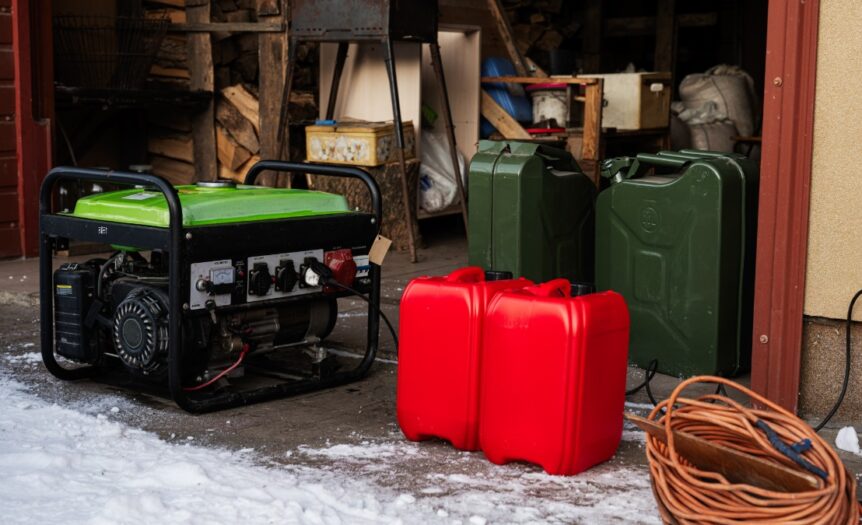
Portable generators can make a major difference during power outages, especially in storm-prone places like South Florida, where families must prepare for hurricane season well before the first warning arrives. For many people, a portable generator is something they buy, put in storage, and only think about when it’s time to break it out. However, this can lead to problems with your generator.
There are many things to know about caring for your generator, from the fuel you use to its oil and air filters. Keep reading to understand how to take care of your home’s portable generator, so it can take care of you when you need it most.
1. Start With the Owner’s Manual
Every portable generator model has its own maintenance schedule, oil type, fuel recommendations, and operating limits. The owner’s manual should guide every part of care, from startup steps to service intervals. Homeowners who rely on guesswork can easily use the wrong oil, overfill the tank, or miss necessary maintenance.
The manual also explains the generator’s wattage limits and safe runtime practices. Those details matter because overloading a portable unit can damage both the generator and the devices connected to it. A quick review of the manual before storm season can prevent mistakes when conditions become urgent.
2. Use Fresh, High-Quality Fuel
Fuel problems rank among the most common reasons portable generators fail to start. Gasoline does not stay fresh forever. It’s bad to keep old fuel in a generator because, over time, it can degrade, separate, and leave deposits inside the fuel system. That process can gum up the carburetor, reduce combustion efficiency, and make startup much harder after storage.
That is why homeowners should pay close attention to storage timelines and stabilization methods. Keeping fresh fuel on hand, rotating stored gasoline, and avoiding old gas in the tank all help protect the engine.
3. Use Fuel Stabilizer When Necessary
If a portable generator sits dormant for more than a short period, fuel stabilizer can help preserve gasoline quality. Fuel stabilizer slows the breakdown process and gives homeowners a better chance of starting the unit when they need it. This small step can be especially helpful during the months between hurricane seasons, when backup equipment may stay in storage.
Stabilizer does not replace smart fuel habits. Homeowners should still label fuel containers, monitor dates, and avoid storing gasoline longer than recommended. Starting the generator occasionally and using fresh fuel remains one of the best ways to keep the system reliable.
4. Change the Oil on Schedule
Another thing to know about caring for your generator is that you need to change its oil according to its schedule, like your car. Oil lubricates the engine and helps control wear during operation. As a generator runs, oil gradually breaks down and collects contaminants. Ignoring oil changes can cause overheating, increase friction, and cause long-term engine damage.
This matters even more during extended outages, when a generator may run for many hours over several days. Homeowners should check oil levels before each use and after long operating periods. Keeping the correct oil and a funnel on hand makes routine care easier when storms limit the supplies available to users.
5. Keep the Air Filter Clean
A generator engine requires clean airflow to run efficiently. Dust, yard debris, and general dirt can clog the air filter, especially if the generator is outdoors near leaves, mulch, or construction dust. A dirty filter can restrict airflow, reduce performance, and increase fuel consumption.
Inspecting the air filter regularly helps prevent these problems. You may be able to clean some filters, while others you will need to replace. Either way, this is a simple task that supports stronger engine performance and easier starts.
6. Inspect the Spark Plug
The spark plug plays a small but important role in starting and running the engine. If it becomes dirty, worn, or corroded, the generator may misfire, run roughly, or fail to start. This issue typically appears after long storage periods, when corrosion or carbon buildup develops over time.
A visual inspection can reveal whether the plug needs cleaning or replacement. Many homeowners can handle this step with basic tools, though the manual should guide the gap setting and replacement interval. Replacing an old spark plug on time is an inexpensive way to support dependable performance.
7. Store the Generator the Right Way
Proper storage protects the generator between uses. The unit should stay in a dry, well-ventilated area away from direct exposure to rain, standing water, and excessive dust. You should never store it with fuel leaks or in a location where fumes could pose a safety risk. A fitted storage cover can help shield the generator from dirt while still allowing safe ventilation when appropriate.
Storage also includes thinking ahead about storm response. Homeowners should place the generator in a location that is easy to access when severe weather approaches, but not in a place where flooding could damage it or make it difficult to move. In South Florida, where sudden weather shifts are common, preparing early can save valuable time.
8. Run the Generator Periodically
One of the best ways to care for your generator is to run it from time to time, even when there is no outage. A brief test run circulates oil, lubricates internal parts, and provides a chance to spot problems before an emergency. It also lets homeowners confirm that extension cords, transfer equipment, and fuel supplies are ready.
These test runs should happen outdoors in a safe, open area. During the check, homeowners can listen for unusual sounds, monitor startup ease, and confirm that the generator handles a basic load properly.
9. Focus on Safety Every Time
Generator care is not only about maintenance. Safe operation matters just as much. Portable generators must always run outdoors and far from doors, windows, and garages to reduce the risk of carbon monoxide exposure. Even partially enclosed spaces can trap dangerous fumes. Families with children should pay extra attention to safe placement and secure the area around the unit during use.
Electrical safety also deserves close attention. Homeowners should use properly rated cords, keep connections dry, and avoid overloading the machine. A well-maintained generator still becomes hazardous with careless operation or an unsafe environment.
10. Prepare Before Storm Season Starts
The best time to care for a generator is long before the forecast turns serious. Waiting until a tropical storm watch or hurricane warning can mean long fuel lines, crowded hardware stores, and limited repair options. Families who inspect, clean, test, and supply their generator in advance enter storm season with fewer unknowns.
Preparation should include checking fuel freshness, changing oil if necessary, inspecting filters and plugs, and confirming that extension cords and safety gear are ready. A simple seasonal routine can turn a portable generator into a dependable part of the household emergency plan.
Conclusion
Caring for a portable home generator comes down to a few essential steps that require proactive maintenance. These habits help the generator start more reliably, perform better during outages, and last longer over the years. For families preparing for storms and power interruptions, steady maintenance is one of the most practical ways to stay ready.








 Deering Estate
 Massage Envy South Miami
 Calla Blow Dry
 My Derma Clinic
 Sports Grill
 The Healthy Kitchen
 Sushi Maki
 Golden Rule Seafood
 Malanga Cuban Café


 Kathleen Ballard
 Panter, Panter & Sampedro
 Vintage Liquors
 The Dog from Ipanema
 Rubinstein Family Chiropractic
 Your Pet’s Best
 Indigo Republic
 Animal Health and Rehab
 Maurice’s Jewelers
 ATR Luxury Homes


 2112 Design Studio
 Hamilton Fox & Company
 Creative Design Services
 Best Pest Professionals
 HD Tree Services
 Trinity Air Conditioning Company
 Cisca Construction & Development
 Mosquito Joe
 Cutler Bay Solar Solutions


 Miami Royal Ballet & Dance
 Christopher Columbus
 Pineview Preschools
 Westminster
 Carrollton
 Lil’ Jungle
 Frost Science Museum
 Palmer Trinity School
 South Florida Music
 Pinecrest Orthodontics
 Dr. Bob Pediatric Dentist
 d.pediatrics


 South Miami Women’s Health
 Endodontix Dental Group
 The Spot Barbershop
 My Derma Clinic




 Miami Dance Project

 Rubinstein Family Chiropractic
 Indigo Republic

 Safes Universe
 Vintage Liquors
 Evenings Delight





 Atchana’s Homegrown Thai
 Baptist Health South Florida

 Laser Eye Center of Miami
 Visiting Angels
 OpusCare of South Florida



 Your Pet’s Best

 HD Tree Services
 Hamilton Fox & Company

 Creative Design Services