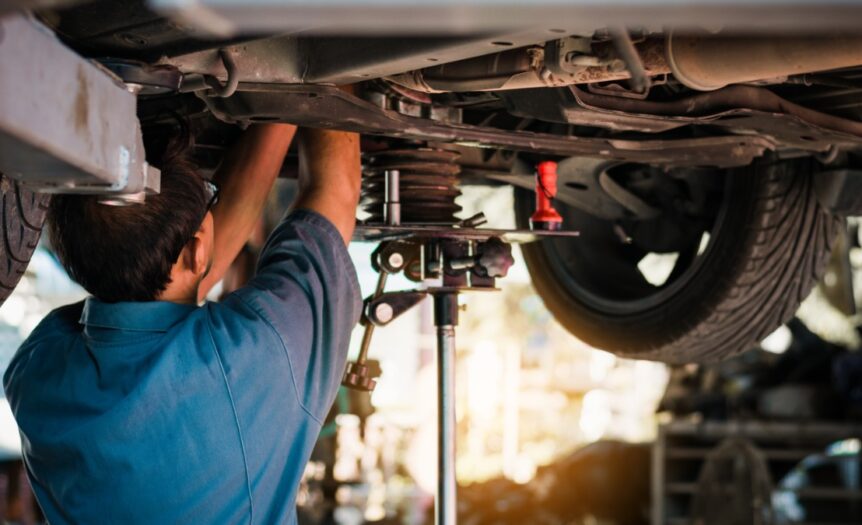
A manual transmission depends on steady friction. When the clutch no longer holds that friction under load, engine speed rises without a matching increase in vehicle speed. That is clutch slippage, and it can turn a smooth, dependable car into one that feels weak, noisy, and unpredictable.
Understanding the causes matters because clutch slippage rarely comes from one issue alone. Wear, heat, contamination, poor adjustment, and damaged related parts can all play a role. Keep reading to understand the things that can cause clutch slippage in your car.
What Clutch Slippage Means
A clutch connects the engine to the transmission through friction. When the driver releases the pedal, the pressure plate clamps the clutch disc against the flywheel so engine power can move through the drivetrain. If that clamping force drops or the friction surfaces lose their grip, the disc slips instead of holding firmly.
That loss of grip typically shows up in clear ways. The engine may rev high while the car struggles to gain speed. A burning smell may appear after stop-and-go driving. In severe cases, the clutch may slip in higher gears even during normal acceleration. Such symptoms point to a system that can no longer transfer power as it should.
1. Worn Clutch Friction Material
Simple wear is one of the most common things that can cause clutch slippage. The clutch disc uses friction material that thins over time with normal use. Every launch from a stop, every gear change, and every moment of controlled slip during parking or traffic adds wear. Eventually, the disc becomes too thin to maintain a strong hold against the flywheel.
Wear tends to accelerate in vehicles that see frequent city driving, repeated short trips, or aggressive starts. A worn disc may still function for a while, but it frequently slips first under heavy throttle or when the vehicle carries extra weight. Once the material reaches that point, replacement is usually the only real fix.
2. Weak Pressure Plate Clamping Force
The pressure plate supplies the force that presses the clutch disc tightly against the flywheel. If that force drops, even a decent disc may begin to slip. Springs inside the pressure plate can weaken from age, repeated heat cycles, or poor-quality components. The plate surface itself can also wear or distort.
This issue can be difficult to spot without disassembly because the symptoms overlap with other clutch faults. A driver may notice slipping after a clutch job if the pressure plate does not match the application well or if an old part stays in service too long. In any clutch system, clamping force matters as much as the condition of the disc.
3. Oil or Grease Contamination
A clutch needs clean, dry friction surfaces. If engine oil, transmission fluid, or excess grease reaches the disc, grip drops sharply. Rear main seal leaks, transmission input shaft leaks, and careless installation practices can all contaminate the clutch. Even a small leak can become a big problem once the fluid spreads across spinning components.
Contamination changes the feel of the whole system. The clutch may chatter, grab unevenly, or slip unpredictably. In many cases, replacing the clutch alone does not solve the issue unless you also repair the leak. Otherwise, the fresh parts can fail for the same reason as the old ones.
4. Improper Clutch Pedal Adjustment
Some clutch systems require correct free play and release adjustment to work properly. If the pedal or hydraulic mechanism slightly engages the release bearing, the pressure plate may never clamp with full force. That partial disengagement can cause slippage even when the disc itself is still usable.
Improper adjustment may happen after repair work, cable stretch, or wear in linked components. Drivers sometimes miss the warning signs because the vehicle still shifts. Over time, though, constant slight release creates heat, accelerates wear, and degrades the clutch to the point it cannot hold power under normal driving conditions.
5. Flywheel Surface Problems and Runout
The flywheel gives the clutch disc a flat, stable surface to grip. If that surface cracks, glazes, becomes uneven, or a technician machines it improperly, the clutch cannot contact it correctly. This can reduce friction, cause uneven engagement, and create progressive slipping. Flywheel condition matters during both diagnosis and replacement because a damaged surface can shorten the life of a new clutch.
Runout adds another layer of trouble. Flywheel runout causes clutch slippage because when a flywheel does not rotate true, it can create inconsistent contact and heat across the friction surface. That variation can contribute to slippage and premature wear.
6. Glazing from Frequent Overheating
Glazing happens when clutch surfaces become excessively smooth and hardened from heat. Instead of creating the friction necessary for a solid hold, the surfaces begin to slide over one another. A glazed clutch may still feel normal at first, but it will frequently slip under load because of changes to the friction characteristics.
This condition usually follows a period of frequent abuse rather than one dramatic event. Holding the vehicle on a hill with the clutch, slipping excessively in traffic, or using an ill-suited clutch for the vehicle’s power level can all create glazing. Once the surfaces harden and polish, they rarely recover through normal driving.
7. Driver Habits That Accelerate Slippage
Driving behavior plays a larger role than many people realize. Resting a foot on the clutch pedal, launching hard at every stoplight, and using the clutch to control vehicle speed on inclines all add unnecessary wear. Those habits keep the clutch between fully engaged and fully released, which is where heat and damage build.
Not every driver notices the effect right away. The vehicle may seem fine for months or years before the wear catches up. But over time, poor habits shorten clutch life, strain related parts, and increase the odds of clutch slippage showing up well before the expected service interval.
8. Overloading, Towing, and Added Power
A clutch must match its workload. Carrying heavy cargo, towing beyond the vehicle’s practical limits, or adding engine power without upgrading the clutch can overwhelm the system. When torque demand rises beyond what the disc and pressure plate can hold, slippage becomes much more likely.
This issue matters for both work vehicles and enthusiast cars. A clutch for stock output may not hold once modifications increase torque. Likewise, a family vehicle that spends more time hauling, towing, or climbing steep grades may wear through a standard clutch faster than expected.
Conclusion
Clutch slippage can come from many sources, including worn friction material, weak pressure plate force, heat damage, contamination, improper adjustment, flywheel surface problems, glazing, poor driving habits, overloading, and added power. The common thread is loss of friction or loss of clamping force, both of which prevent the clutch from transferring power effectively. When drivers catch the symptoms early and inspect the entire clutch system instead of one part in isolation, they have a better chance of fixing the problem correctly and avoiding more serious repairs.







 Deering Estate
 Massage Envy South Miami
 Calla Blow Dry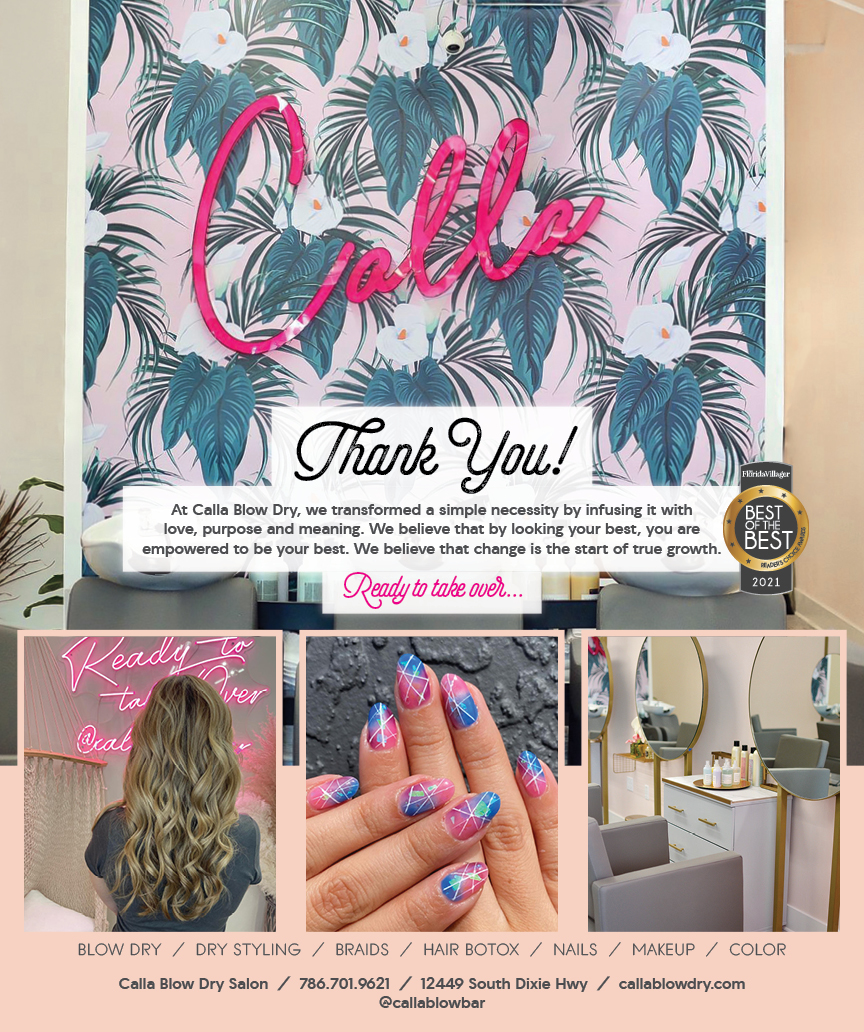
 My Derma Clinic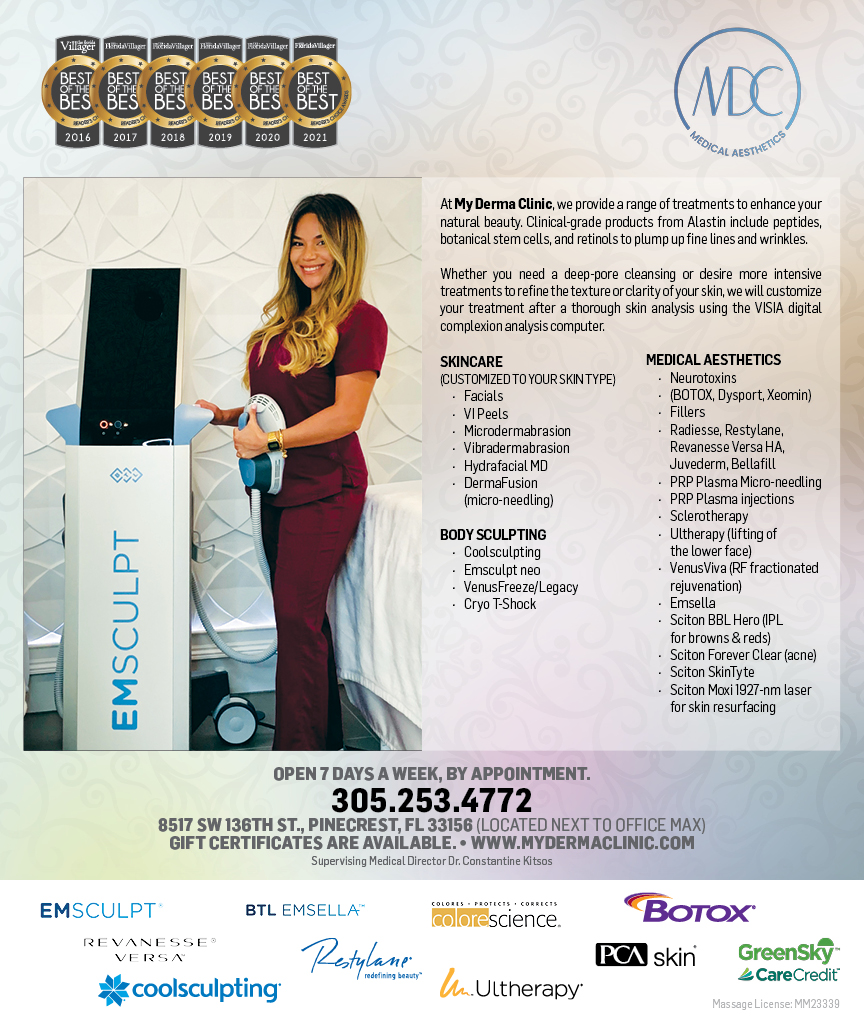
 Sports Grill
 The Healthy Kitchen
 Sushi Maki
 Golden Rule Seafood
 Malanga Cuban Café


 Kathleen Ballard
 Panter, Panter & Sampedro
 Vintage Liquors
 The Dog from Ipanema
 Rubinstein Family Chiropractic
 Your Pet’s Best
 Indigo Republic
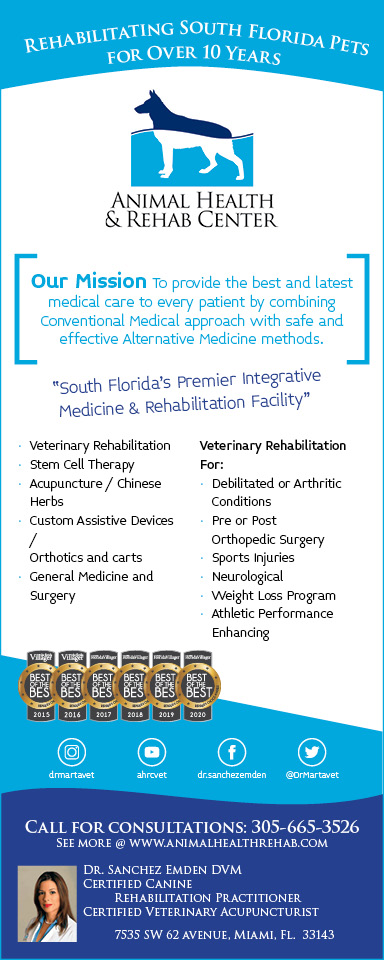
 Animal Health and Rehab
 Maurice’s Jewelers
 ATR Luxury Homes


 2112 Design Studio
 Hamilton Fox & Company
 Creative Design Services
 Best Pest Professionals
 HD Tree Services
 Trinity Air Conditioning Company
 Cisca Construction & Development
 Mosquito Joe
 Cutler Bay Solar Solutions


 Miami Royal Ballet & Dance
 Christopher Columbus
 Pineview Preschools
 Westminster
 Carrollton
 Lil’ Jungle
 Frost Science Museum
 Palmer Trinity School
 South Florida Music
 Pinecrest Orthodontics
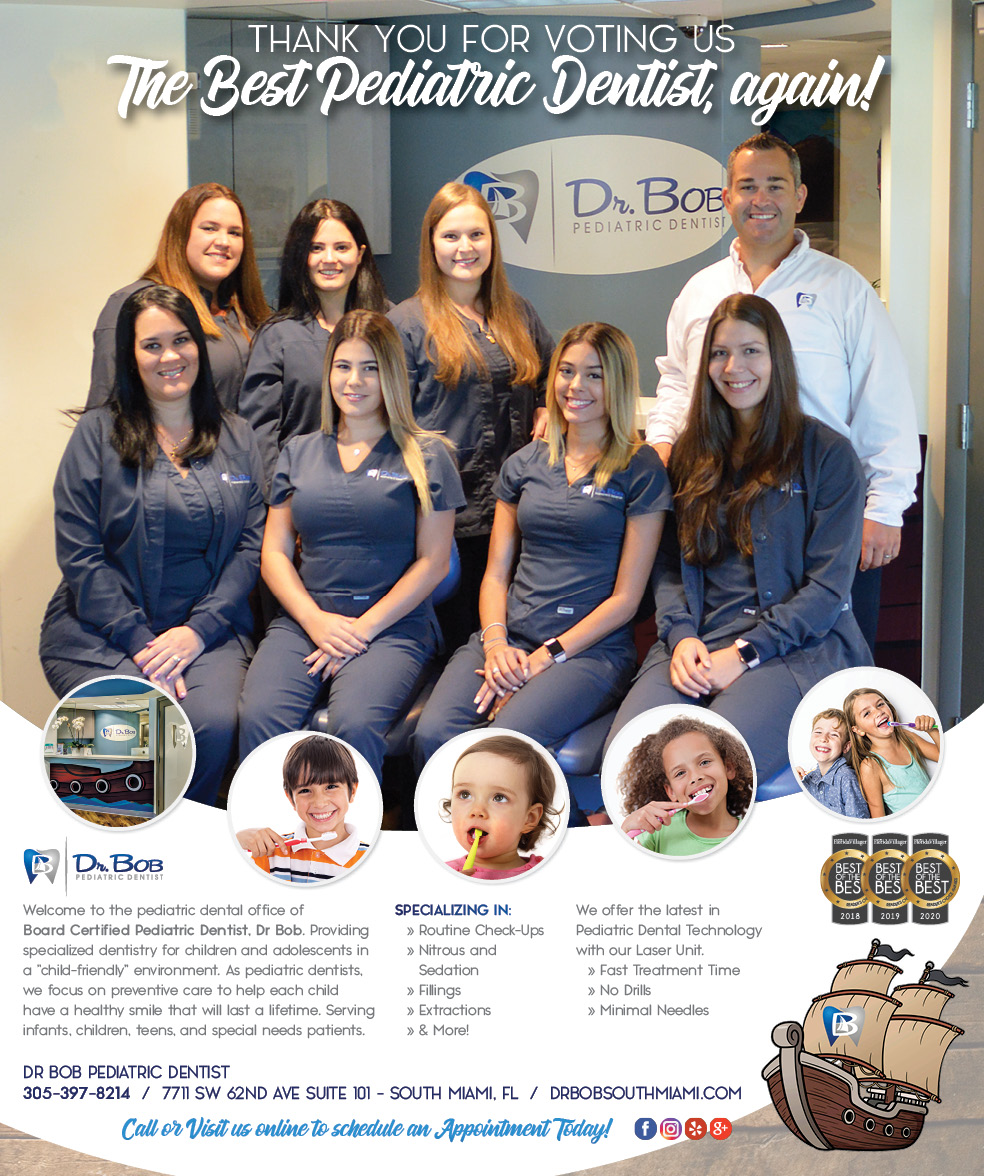
 Dr. Bob Pediatric Dentist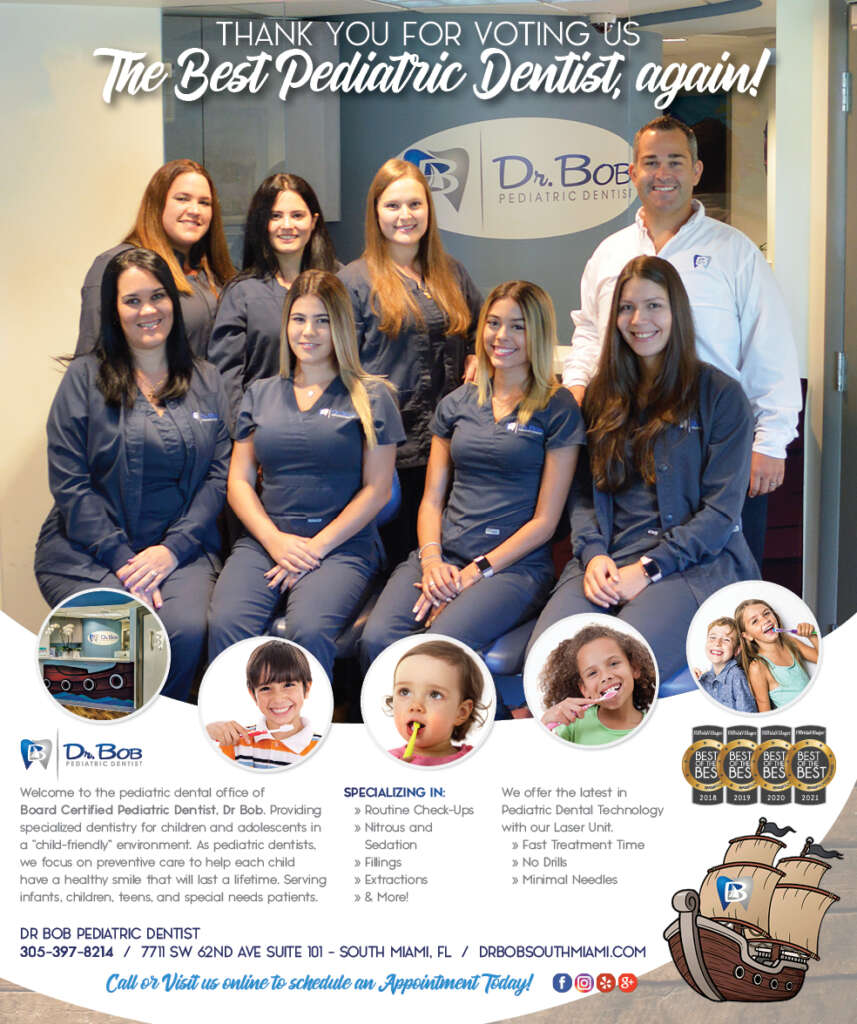
 d.pediatrics

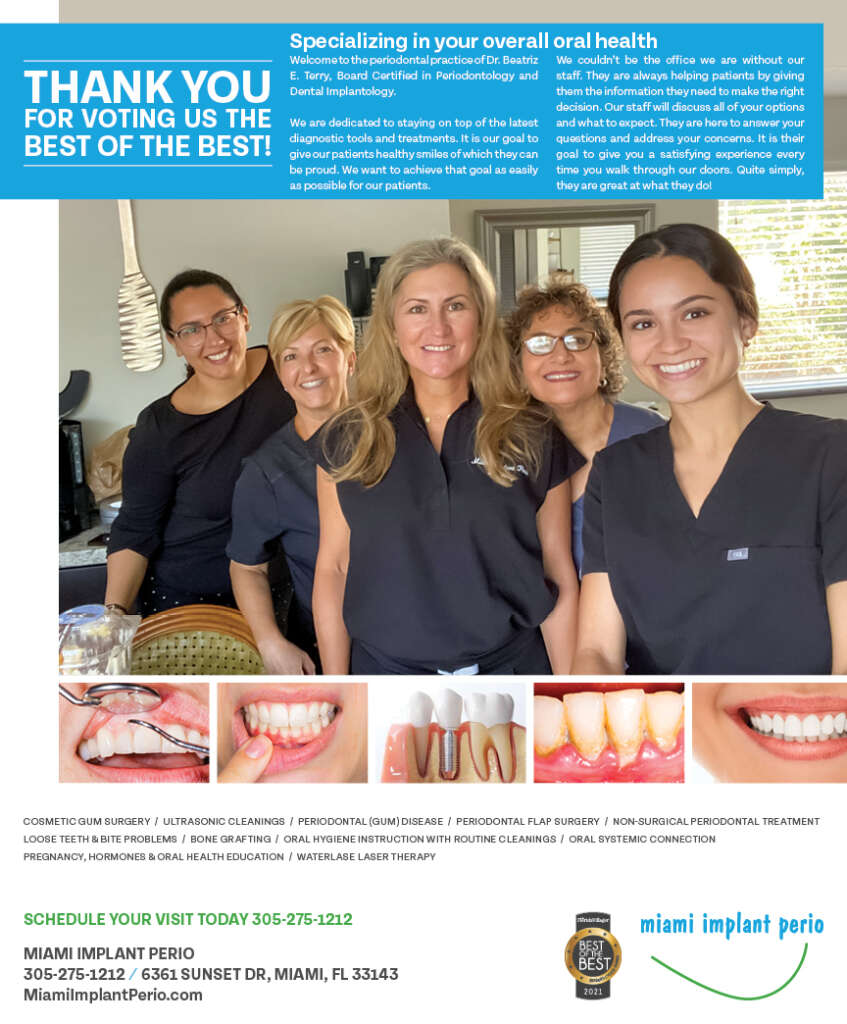
 South Miami Women’s Health
 Endodontix Dental Group
 The Spot Barbershop
 My Derma Clinic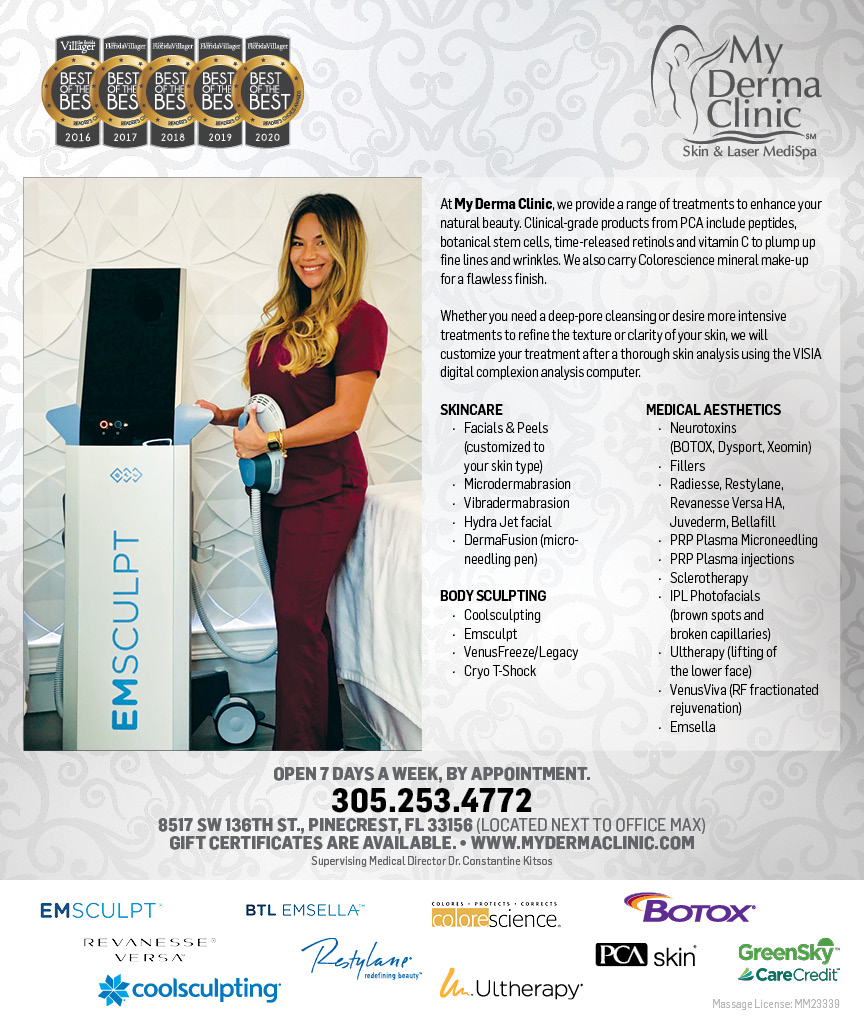




 Miami Dance Project
 Rubinstein Family Chiropractic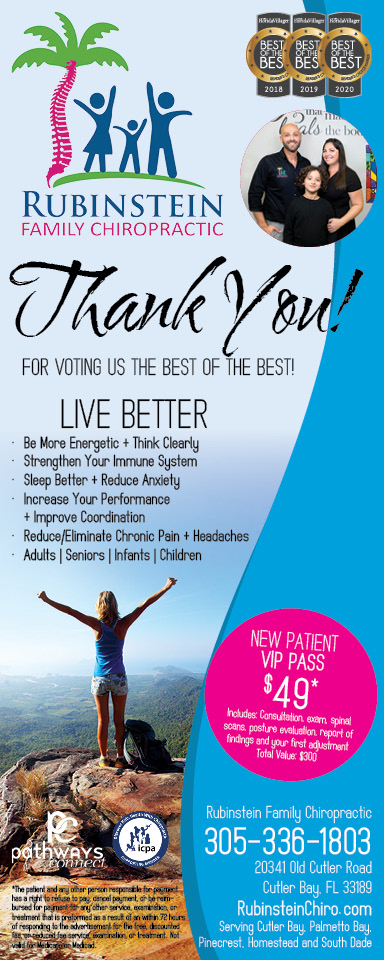
 Indigo Republic
 Safes Universe
 Vintage Liquors
 Evenings Delight





 Atchana’s Homegrown Thai
 Baptist Health South Florida

 Laser Eye Center of Miami
 Visiting Angels
 OpusCare of South Florida


 Your Pet’s Best

 HD Tree Services
 Hamilton Fox & Company

 Creative Design Services