
Running a business comes with plenty of opportunities for growth and innovation, but it also carries inherent risks. One of the most significant risks that companies face is the potential for costly claims. These claims can arise from a range of situations, including professional mistakes, misunderstandings with clients, or accidents involving employees or customers. Without proper protection, such claims can threaten a company’s financial stability and even its reputation. Fortunately, businesses can take proactive steps to safeguard themselves.
Understand the Risks
The first step in protecting your business is understanding the specific risks it faces. Every industry has its unique challenges, and awareness of these risks allows businesses to prepare accordingly. For example, a consulting firm might face legal exposure if a client claims financial loss due to poor advice, while a construction company may encounter liability if a site accident causes injury. Conducting a thorough risk assessment helps identify potential vulnerabilities before they escalate into major issues.
Invest in the Right Insurance
Insurance is one of the most effective tools for mitigating financial risk. General liability insurance is essential for covering common incidents such as property damage or bodily injury. However, businesses that provide professional services should also consider specialized coverage. An E&O insurance policy can be invaluable for protecting companies from claims arising from errors, omissions, or negligence in their professional services. This type of insurance ensures that even if a mistake occurs, the business has financial backing to cover legal fees, settlements, or judgments, safeguarding both the company and its reputation.
Implement Strong Internal Policies
Insurance alone isn’t enough. Businesses must also establish robust internal policies to prevent errors and misunderstandings from occurring in the first place. This can include clear contract management procedures, client communication protocols, and quality control measures. For instance, documenting every client interaction and confirming project expectations in writing can reduce the likelihood of disputes. Regularly reviewing these policies and training staff on best practices creates a culture of accountability and reduces the chance of costly errors.
Maintain Accurate Records
Accurate record-keeping is another critical defense against claims. Keeping detailed records of contracts, emails, invoices, and project milestones not only helps in daily operations but also serves as evidence in case of disputes. Well-organized records can demonstrate that the business acted responsibly and followed agreed-upon procedures, which can be crucial if a claim arises. Modern software solutions can simplify this process, making it easier to track activities and maintain transparency.
Engage Legal Expertise
Having access to legal counsel can significantly reduce risk exposure. Lawyers can help draft contracts, review policies, and provide guidance on regulatory compliance. When a claim does arise, timely legal advice can prevent escalation and ensure the business responds appropriately. Even routine consultations with legal experts can identify potential vulnerabilities and mitigate risks before they become major problems.
Foster Client Relationships
Sometimes, claims stem from miscommunication or unmet expectations. Building strong, transparent relationships with clients can prevent misunderstandings from turning into disputes. Regular check-ins, updates, and clear communication about project scope and deliverables establish trust. Clients who feel informed and valued are less likely to pursue claims, reducing the financial and reputational burden on the business.
Regularly Review Coverage and Policies
Finally, businesses should regularly review both their insurance coverage and internal policies. As the company grows or diversifies its services, its exposure to risk may change. Updating insurance or adjusting internal procedures ensures that protection keeps pace with evolving business needs.








 Deering Estate
 Massage Envy South Miami
 Calla Blow Dry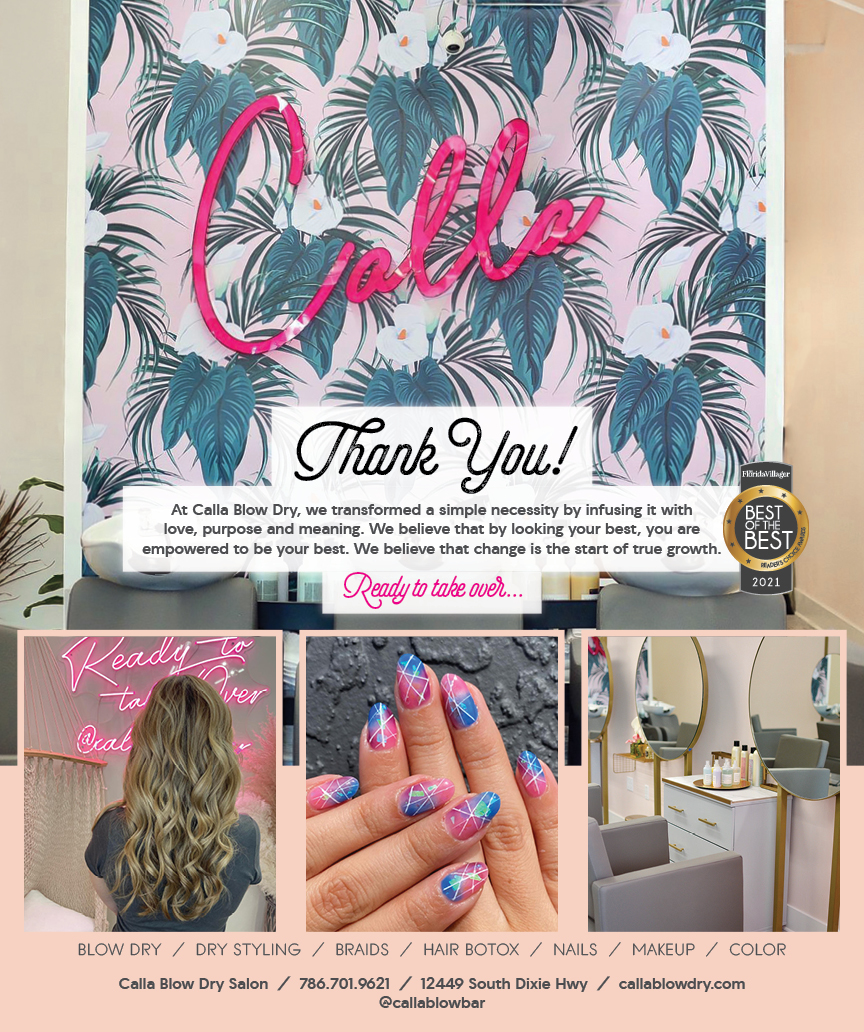
 My Derma Clinic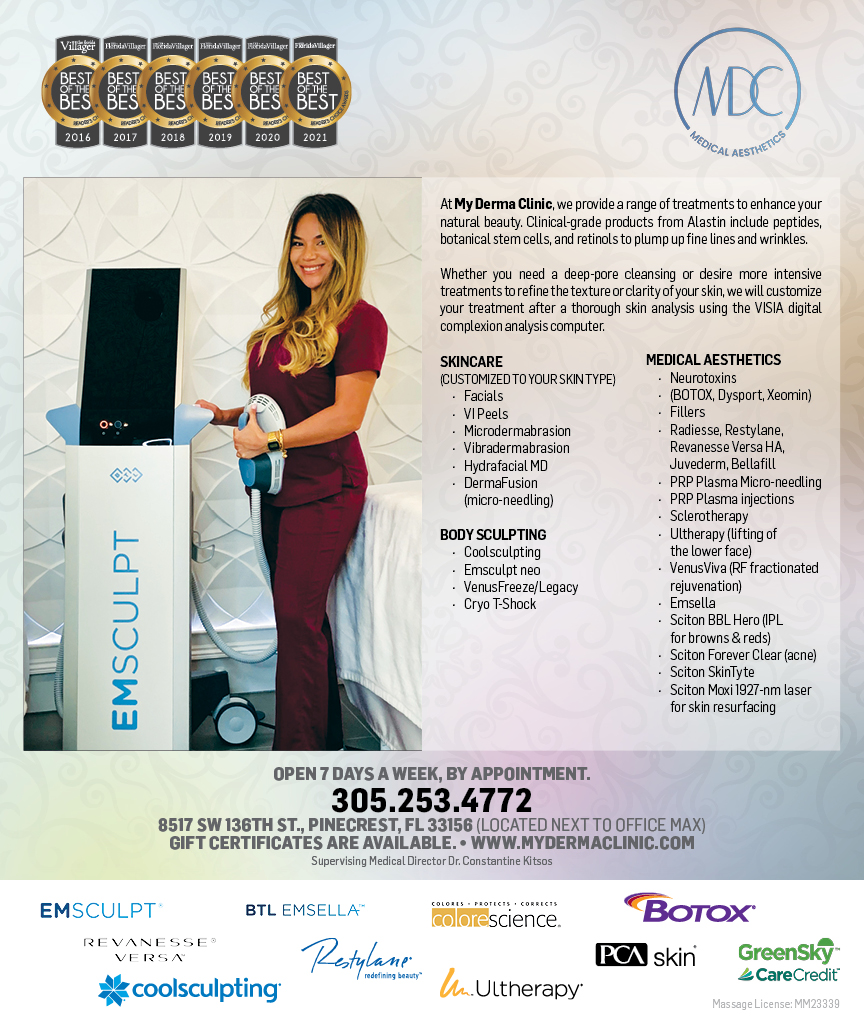
 Sports Grill
 The Healthy Kitchen
 Sushi Maki
 Golden Rule Seafood
 Malanga Cuban Café


 Kathleen Ballard
 Panter, Panter & Sampedro
 Vintage Liquors
 The Dog from Ipanema
 Rubinstein Family Chiropractic
 Your Pet’s Best
 Indigo Republic
 Animal Health and Rehab
 Maurice’s Jewelers
 ATR Luxury Homes
 2112 Design Studio
 Hamilton Fox & Company
 Creative Design Services
 Best Pest Professionals
 HD Tree Services
 Trinity Air Conditioning Company
 Cisca Construction & Development
 Mosquito Joe
 Cutler Bay Solar Solutions


 Miami Royal Ballet & Dance
 Christopher Columbus
 Pineview Preschools
 Westminster
 Carrollton
 Lil’ Jungle
 Frost Science Museum
 Palmer Trinity School
 South Florida Music
 Pinecrest Orthodontics
 Dr. Bob Pediatric Dentist
 d.pediatrics


 South Miami Women’s Health
 Endodontix Dental Group
 The Spot Barbershop
 My Derma Clinic




 Miami Dance Project

 Rubinstein Family Chiropractic
 Indigo Republic

 Safes Universe
 Vintage Liquors
 Evenings Delight





 Atchana’s Homegrown Thai
 Baptist Health South Florida

 Laser Eye Center of Miami
 Visiting Angels
 OpusCare of South Florida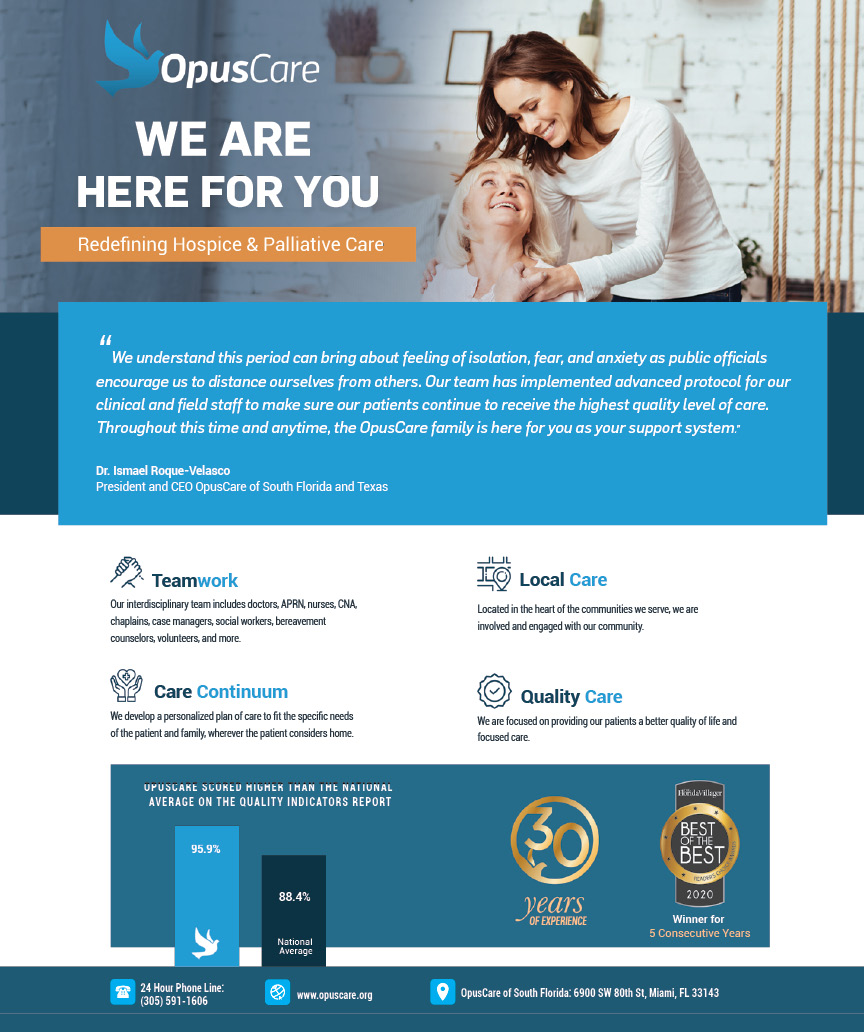



 Your Pet’s Best

 HD Tree Services
 Hamilton Fox & Company

 Creative Design Services