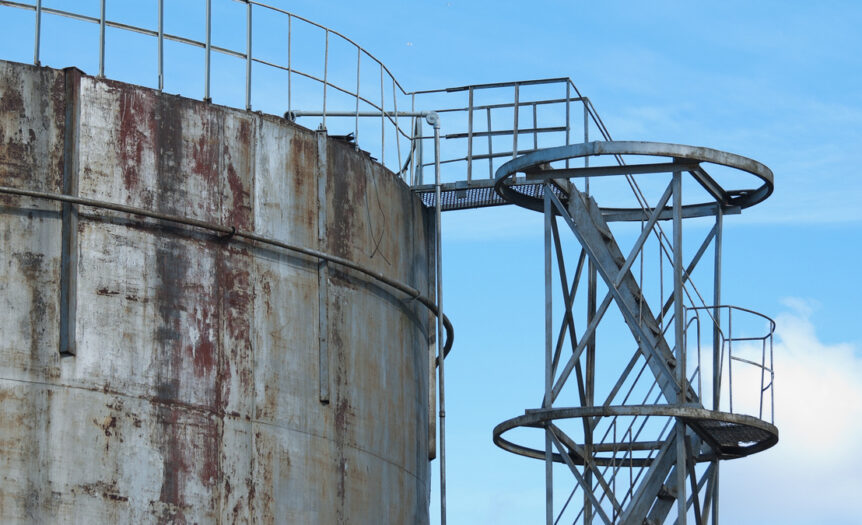
Industrial storage tanks are a significant investment for any facility. When corrosion compromises these assets, it leads to expensive repairs, product loss, and potential environmental hazards. Understanding the specific causes behind corrosion helps facility managers implement effective prevention strategies and extend the lifespan of their holding tanks.
What Causes Storage Tank Corrosion?
Corrosion occurs when materials deteriorate due to chemical reactions with their environment. In storage tanks, this deterioration happens from both the inside out and the outside in. Identifying the source of the problem is the first step toward mitigation.
Internal Corrosion Factors
The contents of the tank primarily drive internal corrosion. Water often settles at the bottom of fuel or oil tanks, creating a layer that facilitates electrochemical reactions on the metal surface. This process accelerates when sediments trap moisture against the tank floor.
Microbial activity also plays a significant role in internal degradation. Bacteria and fungi thrive in the interface between fuel and water, producing acidic byproducts that eat away at the metal. This type of localized attack often leads to rapid pitting and unexpected leaks.
External Corrosion Factors
Environmental conditions dictate the rate of external corrosion. Atmospheric moisture, salt spray in coastal areas, and industrial pollutants all attack the tank’s outer shell. UV radiation degrades paint systems over time, exposing the underlying steel to these elements.
For underground tanks or above-ground tanks directly on the ground, soil chemistry is also a critical factor. Soils with high acidity, moisture content, or stray electrical currents can cause rapid deterioration of the tank bottom. Without proper isolation, the metal reacts with the soil components, leading to structural weakness.
Methods for Preventing Corrosion
Effective corrosion control requires a multi-layered approach. By combining physical barriers with vigilant monitoring, operators can significantly reduce the risk of failure.
Protective Coatings
Applying specialized industrial coatings creates a robust barrier between the metal substrate and corrosive elements. Epoxy, polyurethane, and zinc-rich primers are common choices that offer durability and chemical resistance. Proper surface preparation, such as sand or hydroblasting, ensures the coating adheres correctly and performs as intended.
Tank Liners
Installing a liner provides a secondary containment measure that completely isolates the tank interior from its contents. High-performance liners resist harsh chemicals and abrasion, effectively stopping internal corrosion in its tracks. Utilizing liners for tank protection extends the service life of older tanks that may already show signs of pitting.
Regular Inspections and Maintenance
Routine inspections allow operators to detect early signs of coating failure or metal loss. Ultrasonic thickness testing measures the remaining wall thickness without draining the tank. Visual checks should focus on weld seams, nozzles, and areas where water accumulates.
Protecting Your Assets
Ignoring corrosion risks leads to catastrophic failures and significant financial liabilities. A proactive maintenance strategy that addresses both internal and external causes of tank liner corrosion ensures operational continuity. By investing in proper coatings, liners, and regular monitoring, facilities can protect their storage tanks for decades to come.








 Deering Estate
 Massage Envy South Miami
 Calla Blow Dry
 My Derma Clinic
 Sports Grill
 The Healthy Kitchen
 Sushi Maki
 Golden Rule Seafood
 Malanga Cuban Café


 Kathleen Ballard
 Panter, Panter & Sampedro
 Vintage Liquors
 The Dog from Ipanema
 Rubinstein Family Chiropractic
 Your Pet’s Best
 Indigo Republic
 Animal Health and Rehab
 Maurice’s Jewelers
 ATR Luxury Homes

 2112 Design Studio
 Hamilton Fox & Company
 Creative Design Services
 Best Pest Professionals
 HD Tree Services
 Trinity Air Conditioning Company
 Cisca Construction & Development
 Mosquito Joe
 Cutler Bay Solar Solutions


 Miami Royal Ballet & Dance
 Christopher Columbus
 Pineview Preschools
 Westminster
 Carrollton
 Lil’ Jungle
 Frost Science Museum
 Palmer Trinity School
 South Florida Music
 Pinecrest Orthodontics
 Dr. Bob Pediatric Dentist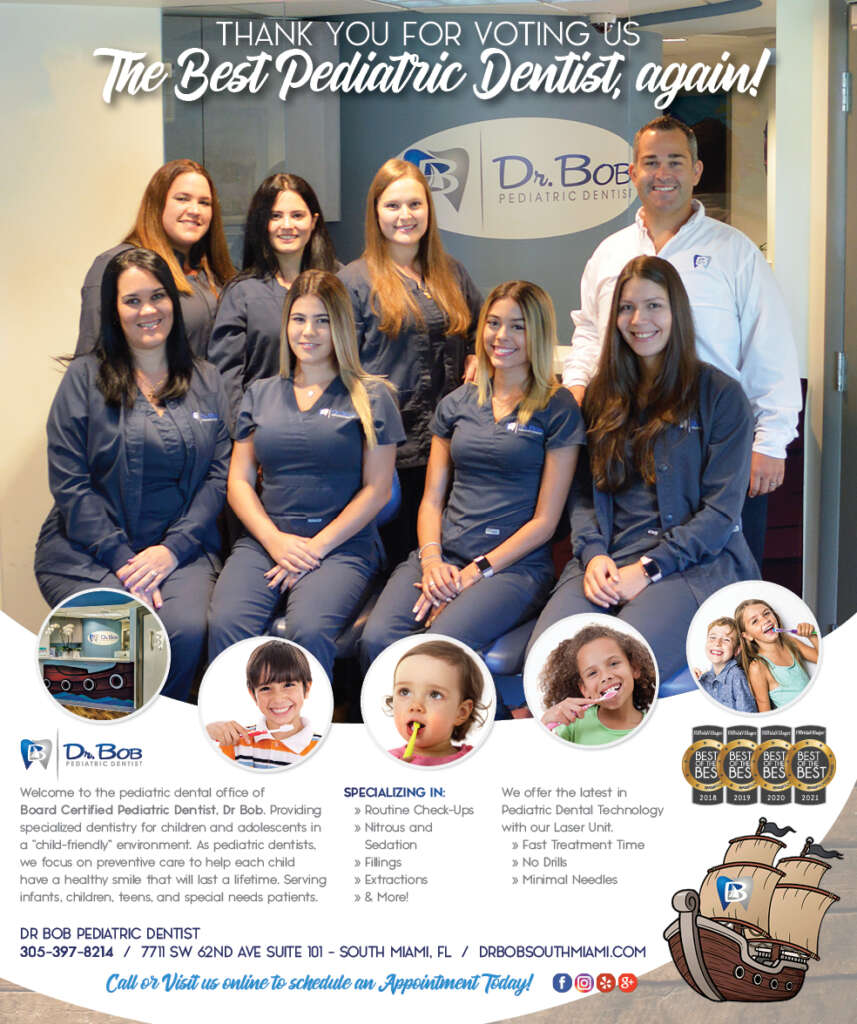
 d.pediatrics


 South Miami Women’s Health
 Endodontix Dental Group
 The Spot Barbershop
 My Derma Clinic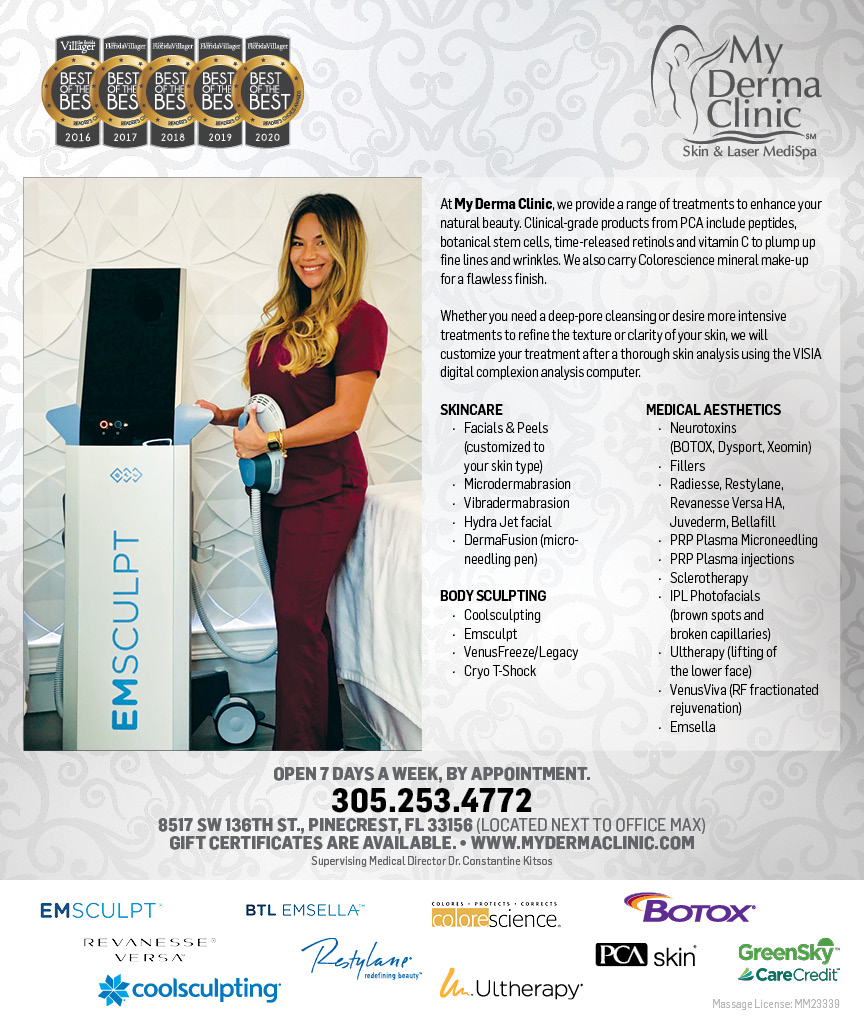




 Miami Dance Project
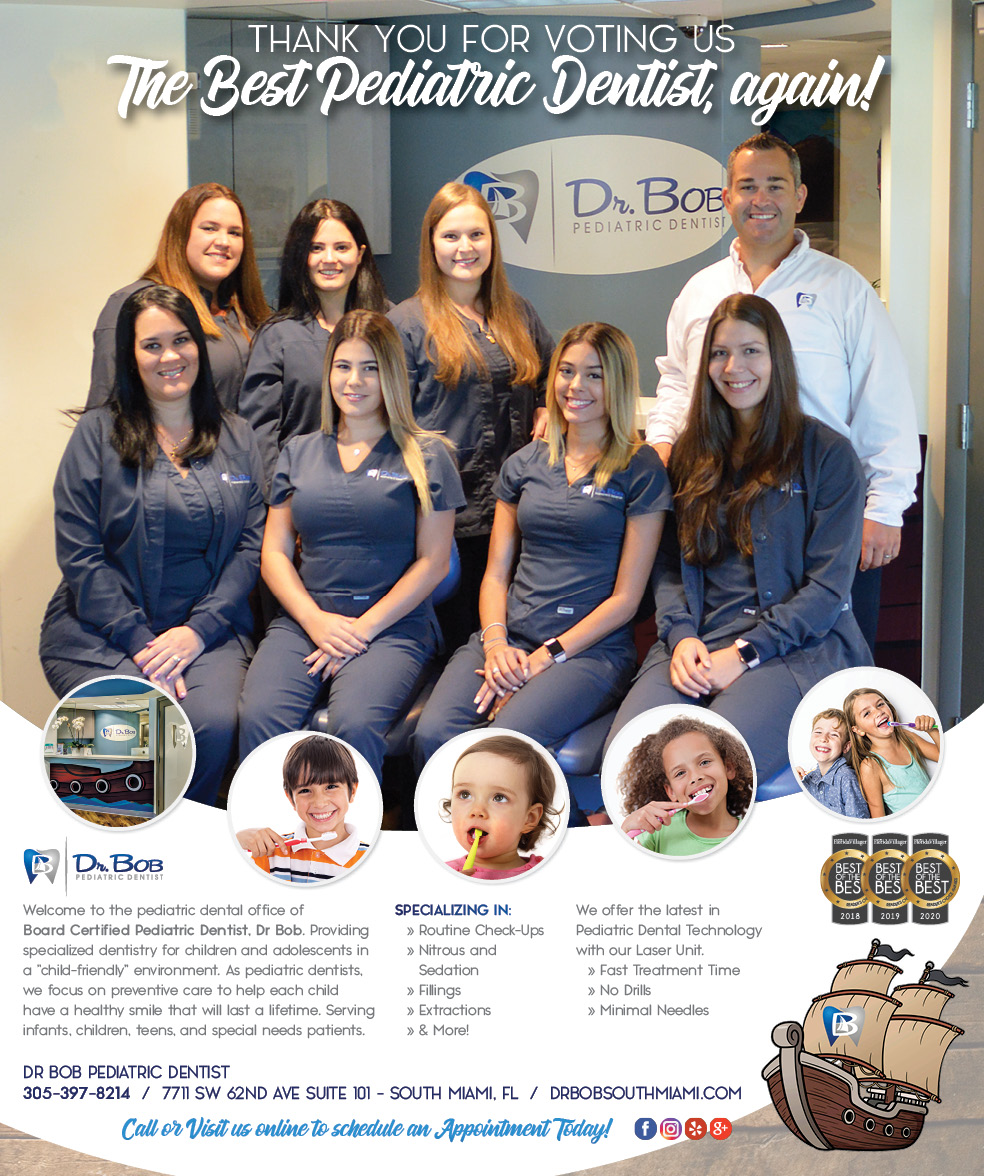
 Rubinstein Family Chiropractic
 Indigo Republic
 Safes Universe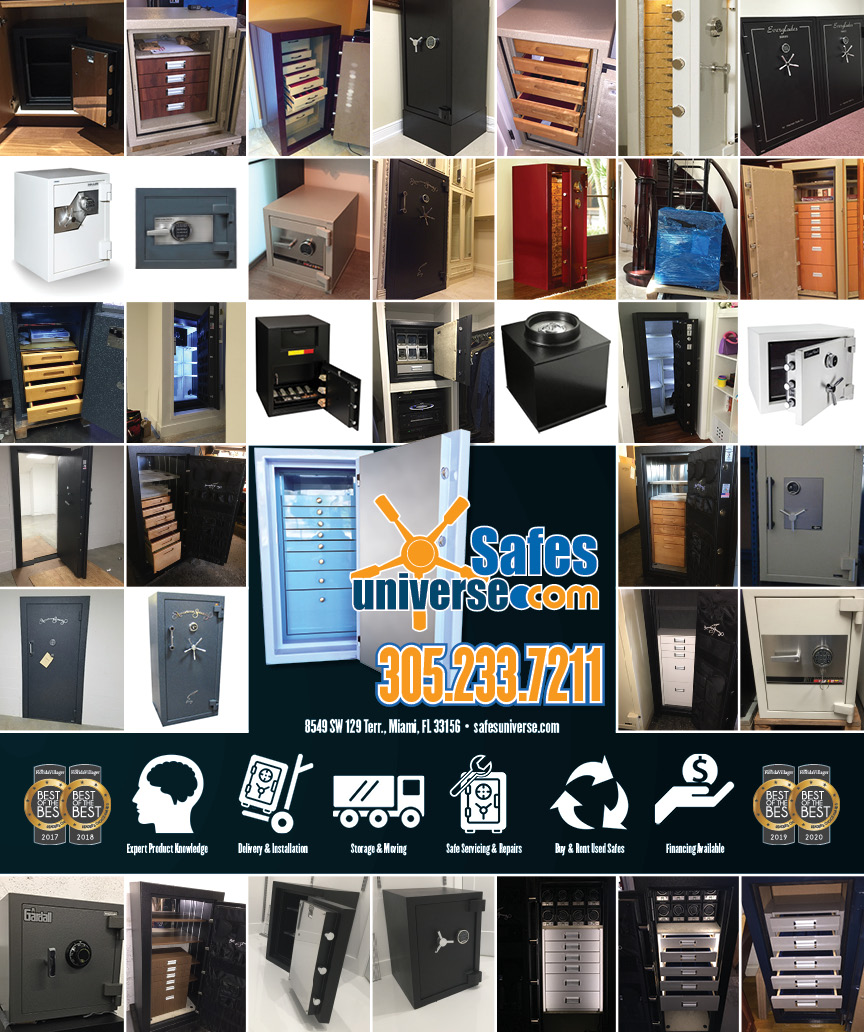
 Vintage Liquors
 Evenings Delight





 Atchana’s Homegrown Thai
 Baptist Health South Florida

 Laser Eye Center of Miami
 Visiting Angels
 OpusCare of South Florida


 Your Pet’s Best

 HD Tree Services
 Hamilton Fox & Company

 Creative Design Services