Pneumatic components, which use compressed air to generate force and motion, are essential in many industries. Their reliability, safety, and efficiency make them a preferred choice for a wide range of tasks. This article will explore four common applications of pneumatic components, showcasing their role in powering systems that are crucial to our daily lives. From factory floors to hospital rooms, these parts play a vital role in modern technology.
Automation in Manufacturing
In the manufacturing sector, pneumatic components are the backbone of automation. They power machinery that performs repetitive and high-precision tasks, such as assembling, packaging, and moving products along a conveyor belt. Pneumatic cylinders provide the linear motion needed to position items, while grippers handle delicate materials with just the right amount of force. This automation boosts production speed and enhances workplace safety by taking over hazardous jobs. The result is a more efficient and consistent manufacturing process.
Tools in Construction
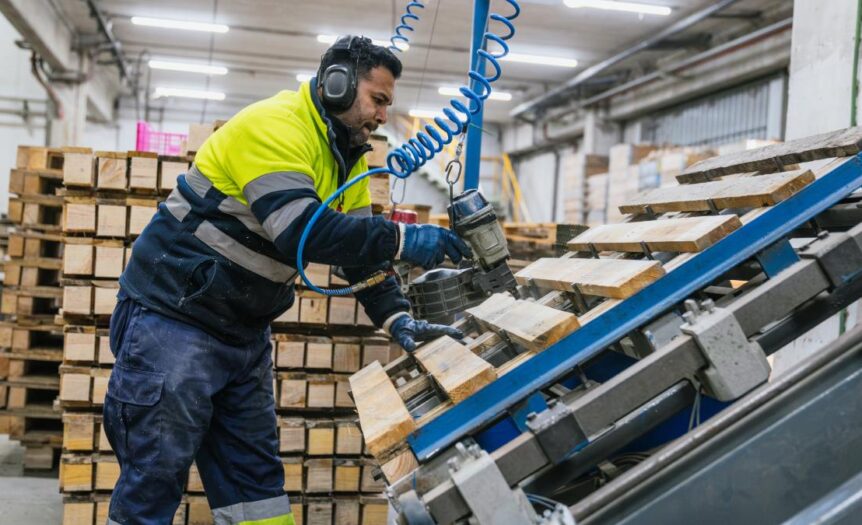
The construction industry relies heavily on pneumatic tools for their power and durability. Tools like nail guns, jackhammers, and impact wrenches use compressed air to deliver immense force, making demanding tasks much easier and faster. Unlike electric tools, pneumatic equipment is often lighter and less prone to overheating during continuous use. Learning how to choose the right pneumatic parts for your system is essential for ensuring that these tools operate effectively and safely on a busy job site.
Air Brakes in Transportation
Pneumatic systems are critical for safety in the transportation industry, particularly in the air brake systems of large vehicles like trucks and trains. These brakes use compressed air to apply the force needed to stop a heavy vehicle safely and reliably. When the driver presses the brake pedal, the system releases air pressure, causing the brakes to engage. This fail-safe design ensures that even if there is an air leak, the brakes will activate, preventing potential accidents and making our roads and railways safer.
Systems in Healthcare
The medical field also utilizes pneumatic technology for various applications where precision and cleanliness are paramount. Compressed air powers many dental tools, such as drills and polishers, because it allows for high-speed operation with minimal vibration. In hospitals, pneumatic tubes transport lab samples, medications, and documents quickly and securely between different departments. These systems are clean, reliable, and help streamline hospital operations, allowing medical staff to focus more on patient care.
These examples are just a few of the many common applications of pneumatic components. As technology advances, the use of these versatile parts will continue to expand, driving innovation across various sectors.







 Deering Estate
 Massage Envy South Miami
 Calla Blow Dry
 My Derma Clinic
 Sports Grill
 The Healthy Kitchen
 Sushi Maki
 Golden Rule Seafood
 Malanga Cuban Café


 Kathleen Ballard
 Panter, Panter & Sampedro
 Vintage Liquors
 The Dog from Ipanema
 Rubinstein Family Chiropractic
 Your Pet’s Best
 Indigo Republic
 Animal Health and Rehab
 Maurice’s Jewelers
 ATR Luxury Homes


 2112 Design Studio
 Hamilton Fox & Company
 Creative Design Services
 Best Pest Professionals
 HD Tree Services
 Trinity Air Conditioning Company
 Cisca Construction & Development
 Mosquito Joe
 Cutler Bay Solar Solutions


 Miami Royal Ballet & Dance
 Christopher Columbus
 Pineview Preschools
 Westminster
 Carrollton
 Lil’ Jungle
 Frost Science Museum
 Palmer Trinity School
 South Florida Music
 Pinecrest Orthodontics
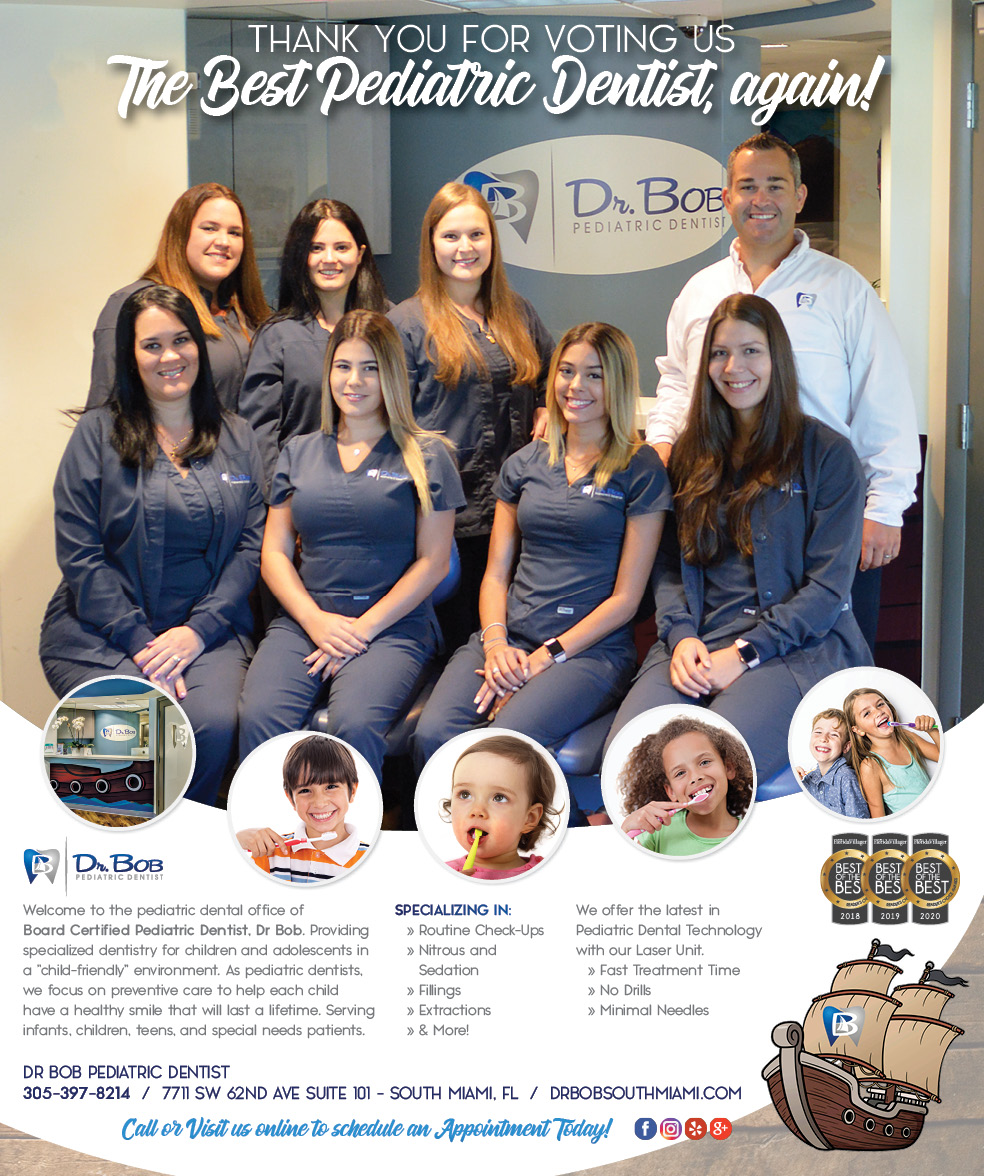
 Dr. Bob Pediatric Dentist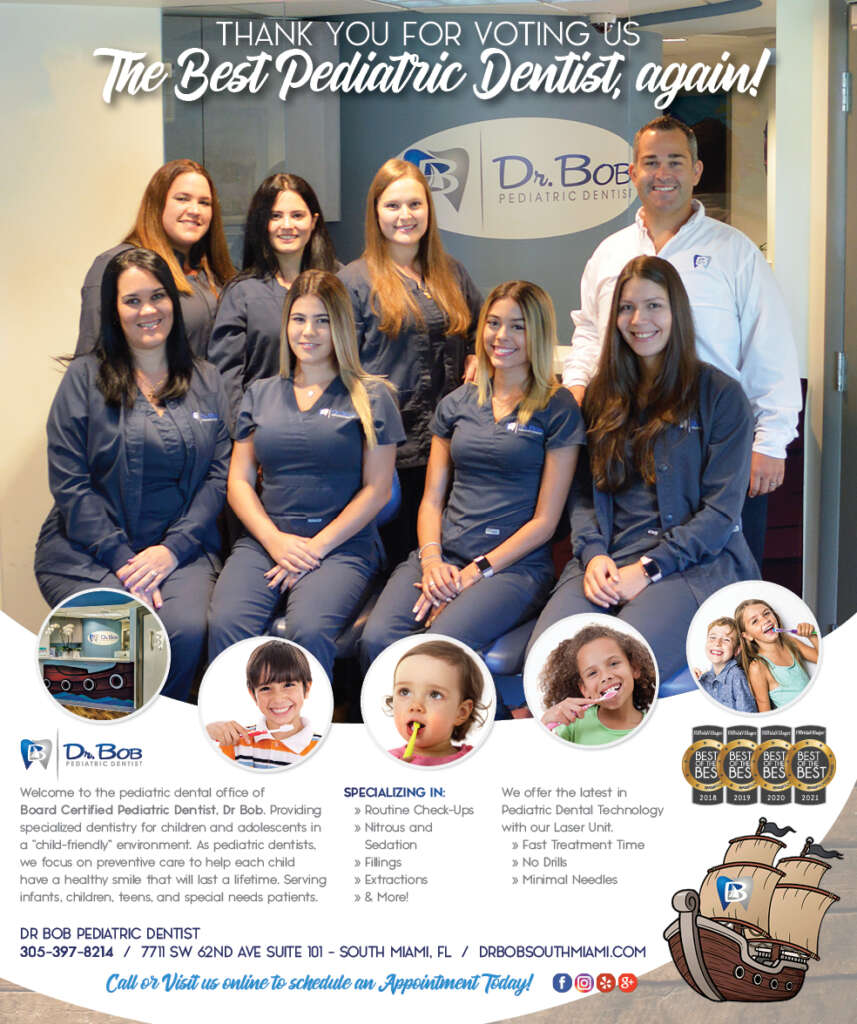
 d.pediatrics


 South Miami Women’s Health
 Endodontix Dental Group
 The Spot Barbershop
 My Derma Clinic




 Miami Dance Project
 Rubinstein Family Chiropractic
 Indigo Republic

 Safes Universe
 Vintage Liquors
 Evenings Delight





 Atchana’s Homegrown Thai
 Baptist Health South Florida

 Laser Eye Center of Miami
 Visiting Angels
 OpusCare of South Florida



 Your Pet’s Best

 HD Tree Services
 Hamilton Fox & Company

 Creative Design Services