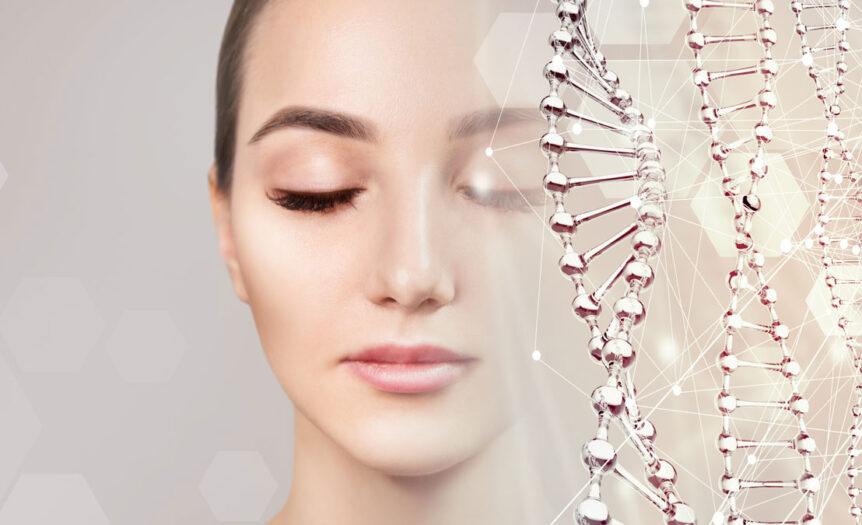
In recent years, the world of anti-aging has been revolutionized by advancements in regenerative medicine, particularly stem cell therapy. Stem cells are unique cells with the ability to develop into many different cell types in the body. This remarkable potential has made them a focal point for those seeking to maintain youthful vitality, support skin health, and slow the visible signs of aging.
What Are Stem Cells?
Stem cells are the body’s master cells. They have two defining characteristics: the ability to self-renew, producing more stem cells, and the ability to differentiate, or transform into specialized cells such as muscle, skin, or nerve cells. These capabilities make stem cells essential for growth, tissue repair, and overall cellular regeneration.
There are several types of stem cells, including embryonic stem cells, adult stem cells, and induced pluripotent stem cells (iPSCs). In anti-aging treatments, adult stem cells, particularly mesenchymal stem cells derived from fat, bone marrow, or umbilical tissue, are most commonly used. These cells can aid in tissue repair, reduce inflammation, and promote the body’s natural healing processes.
How Stem Cells Support Anti-Aging
Stem cells contribute to anti-aging in multiple ways. Firstly, they support the regeneration of damaged or aged tissues. As we age, our natural stem cell activity declines, leading to slower healing, reduced skin elasticity, and diminished organ function. Introducing healthy stem cells can help counteract this decline and improve overall vitality.
Secondly, stem cells release signaling molecules called growth factors. These molecules communicate with surrounding cells to reduce inflammation, stimulate collagen production, and enhance skin texture and elasticity. This process can lead to smoother, firmer skin and a reduction in wrinkles over time.
For those exploring safe and effective stem cell therapies, reputable clinics like auragens.com provide detailed guidance on regenerative treatments and their potential anti-aging benefits.
Additionally, stem cells can support joint health and mobility. As cartilage deteriorates with age, stem cell therapy can help repair joint tissue, reduce pain, and improve flexibility. This makes it a holistic approach to maintaining a youthful lifestyle.
Methods of Stem Cell Therapy
Stem cell therapies vary depending on the desired outcome. Some treatments involve direct injection of stem cells into specific areas, such as joints or the face, to target localized aging concerns. Others may use stem cell-derived exosomes or growth factors to stimulate regeneration more broadly.
It is important to note that while stem cell therapy holds promise, it should be administered by qualified medical professionals. Research is ongoing, and results can vary based on the source of stem cells, the method of administration, and individual patient factors.
Safety and Considerations
Safety is a key concern in stem cell therapy. Most therapies use autologous stem cells, meaning they are derived from the patient’s own body, which reduces the risk of rejection or complications. However, patients should seek clinics with transparent protocols, experienced practitioners, and adherence to regulatory standards.
Stem cell therapy is not a miracle cure but a supportive tool for anti-aging and regenerative health. Combined with a balanced diet, regular exercise, and proper skincare, it can significantly enhance overall vitality and quality of life.








 Deering Estate
 Massage Envy South Miami
 Calla Blow Dry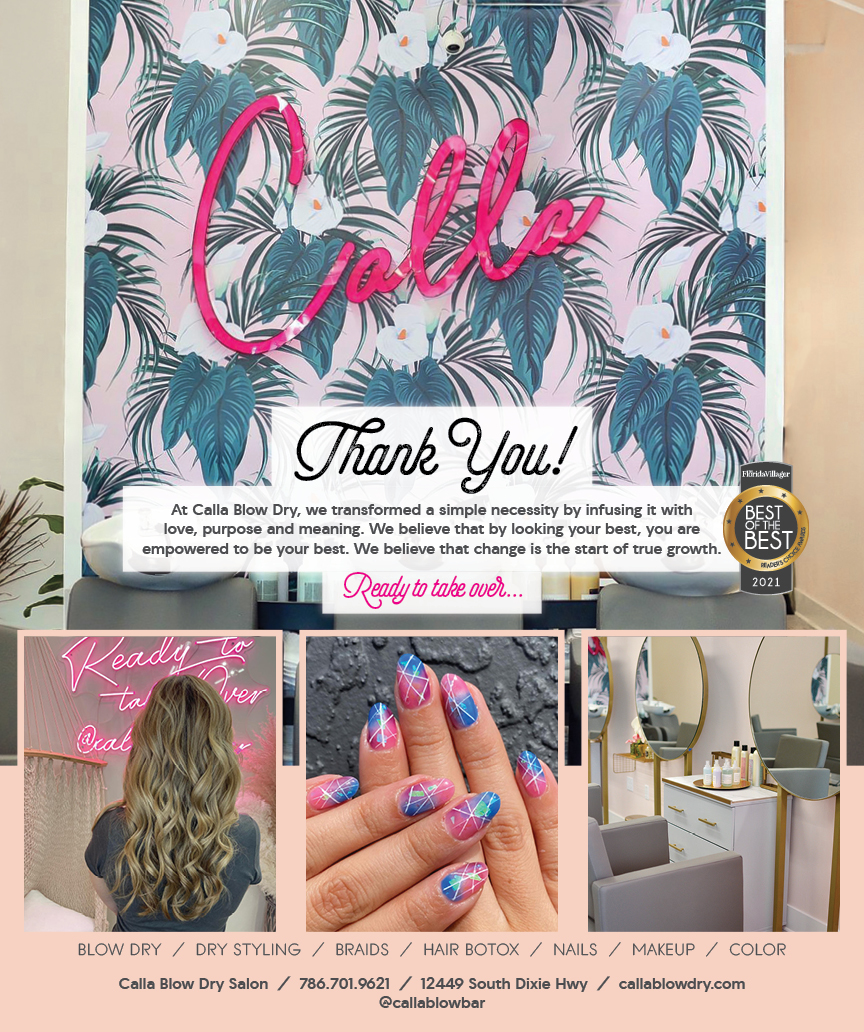
 My Derma Clinic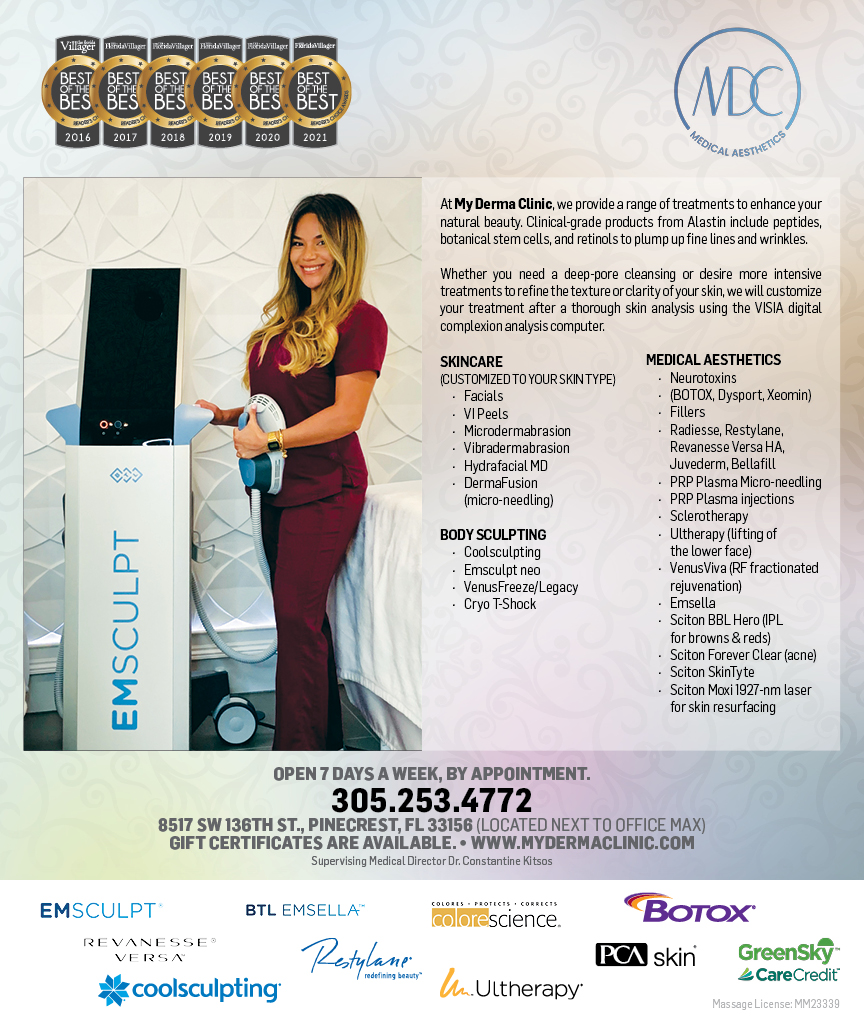
 Sports Grill
 The Healthy Kitchen
 Sushi Maki
 Golden Rule Seafood
 Malanga Cuban Café


 Kathleen Ballard
 Panter, Panter & Sampedro
 Vintage Liquors
 The Dog from Ipanema
 Rubinstein Family Chiropractic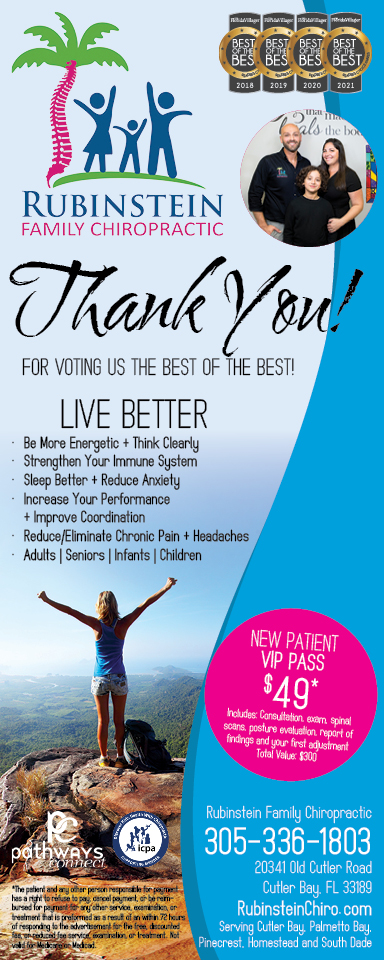
 Your Pet’s Best
 Indigo Republic
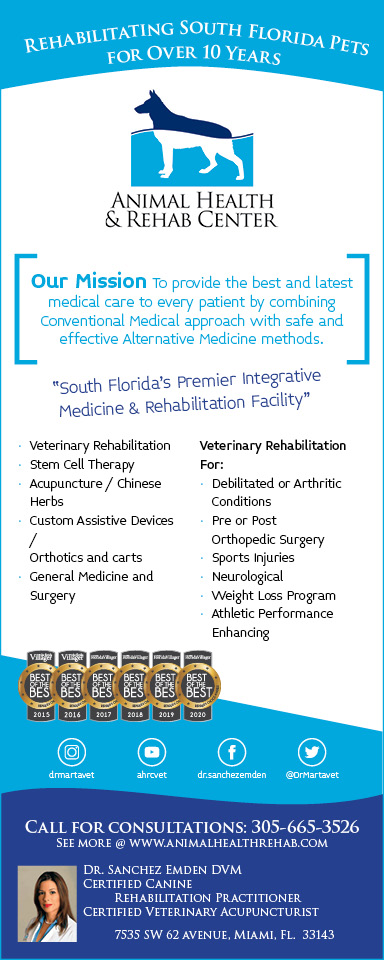
 Animal Health and Rehab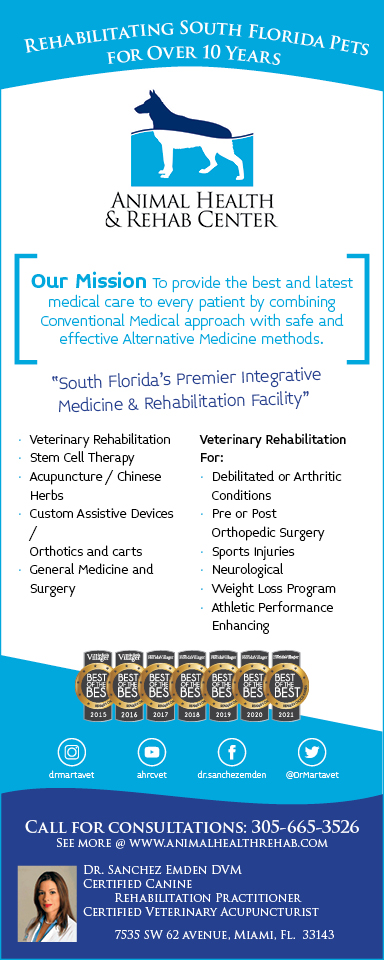
 Maurice’s Jewelers
 ATR Luxury Homes
 2112 Design Studio
 Hamilton Fox & Company
 Creative Design Services
 Best Pest Professionals
 HD Tree Services
 Trinity Air Conditioning Company
 Cisca Construction & Development
 Mosquito Joe
 Cutler Bay Solar Solutions


 Miami Royal Ballet & Dance
 Christopher Columbus
 Pineview Preschools
 Westminster
 Carrollton
 Lil’ Jungle
 Frost Science Museum
 Palmer Trinity School
 South Florida Music
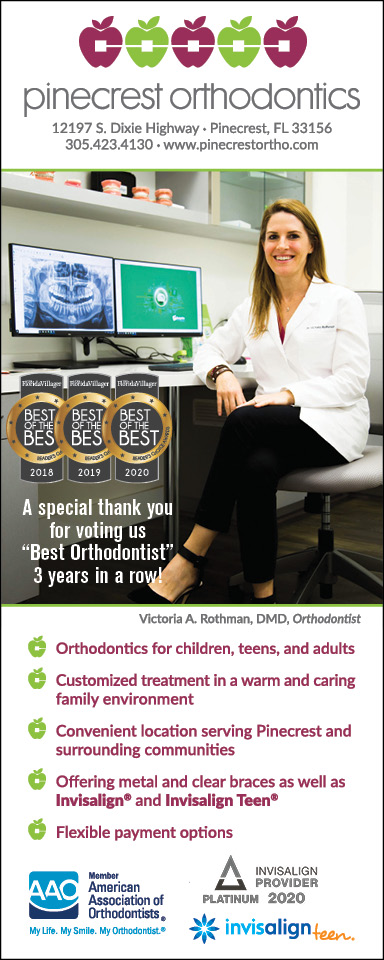
 Pinecrest Orthodontics
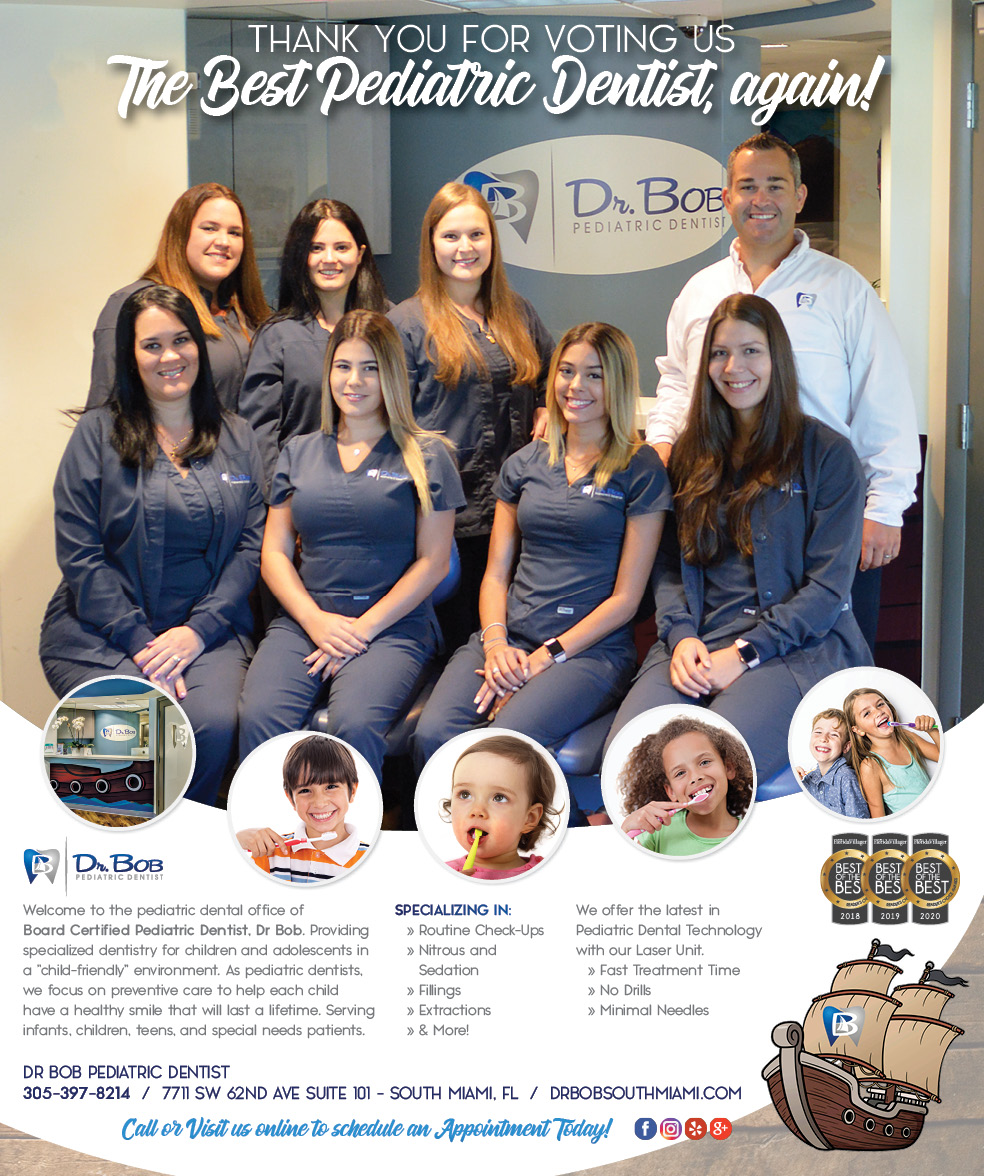
 Dr. Bob Pediatric Dentist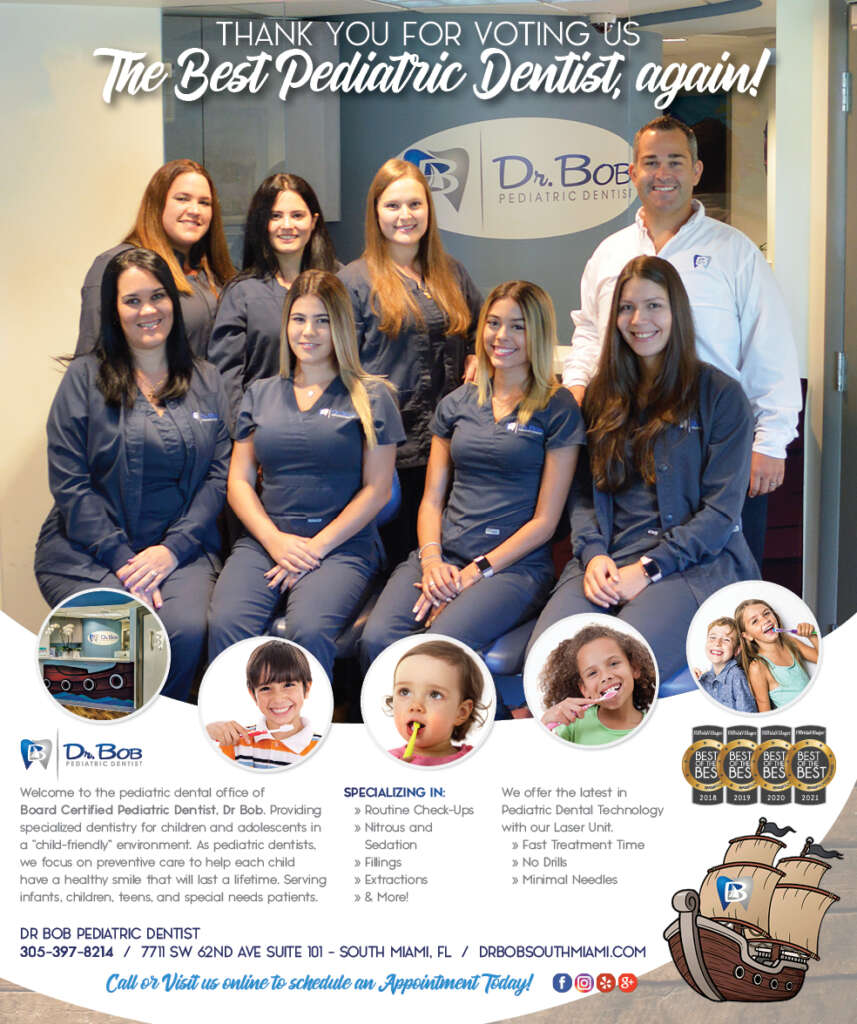
 d.pediatrics

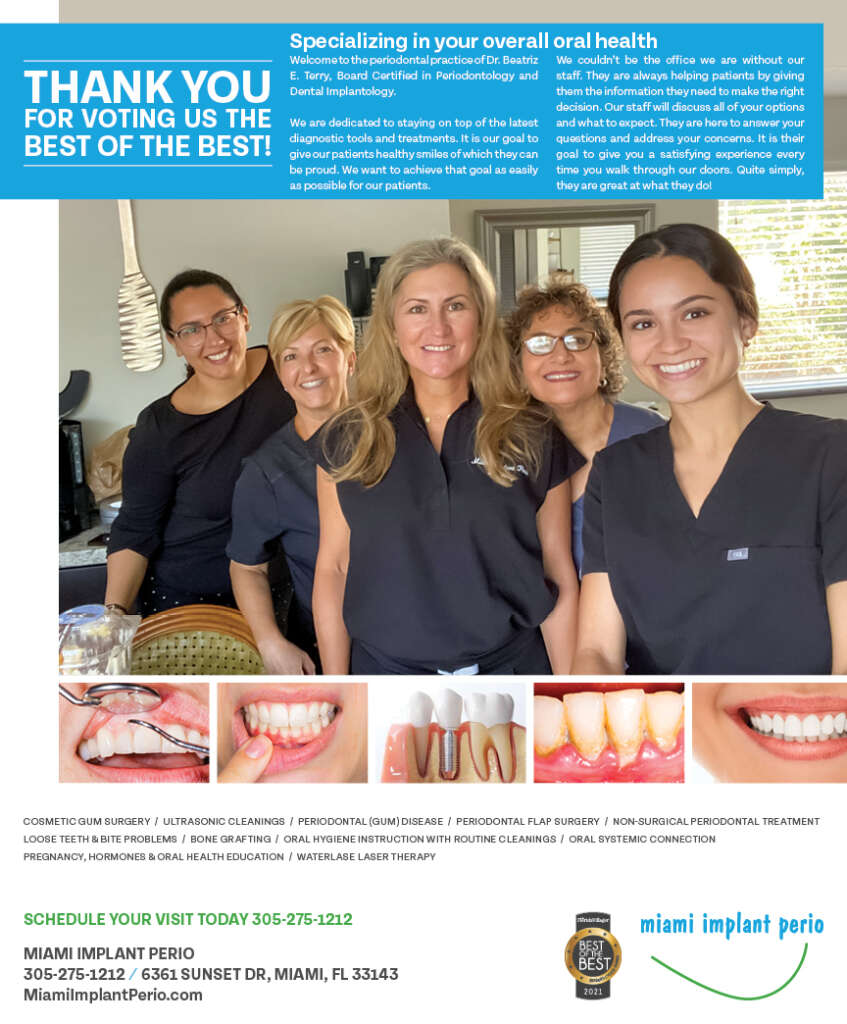
 South Miami Women’s Health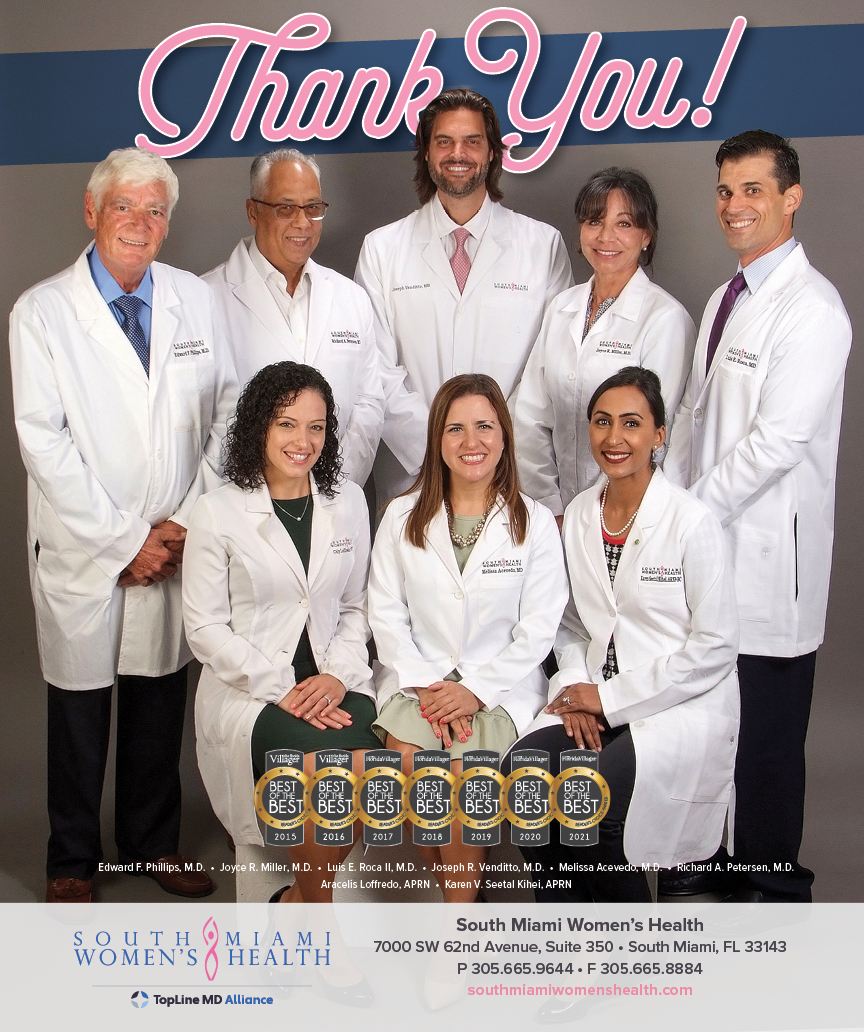
 Endodontix Dental Group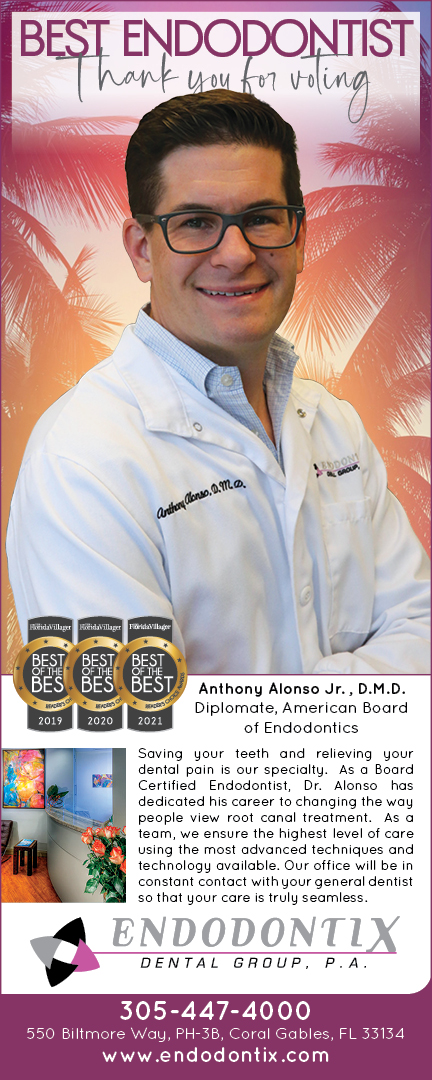
 The Spot Barbershop
 My Derma Clinic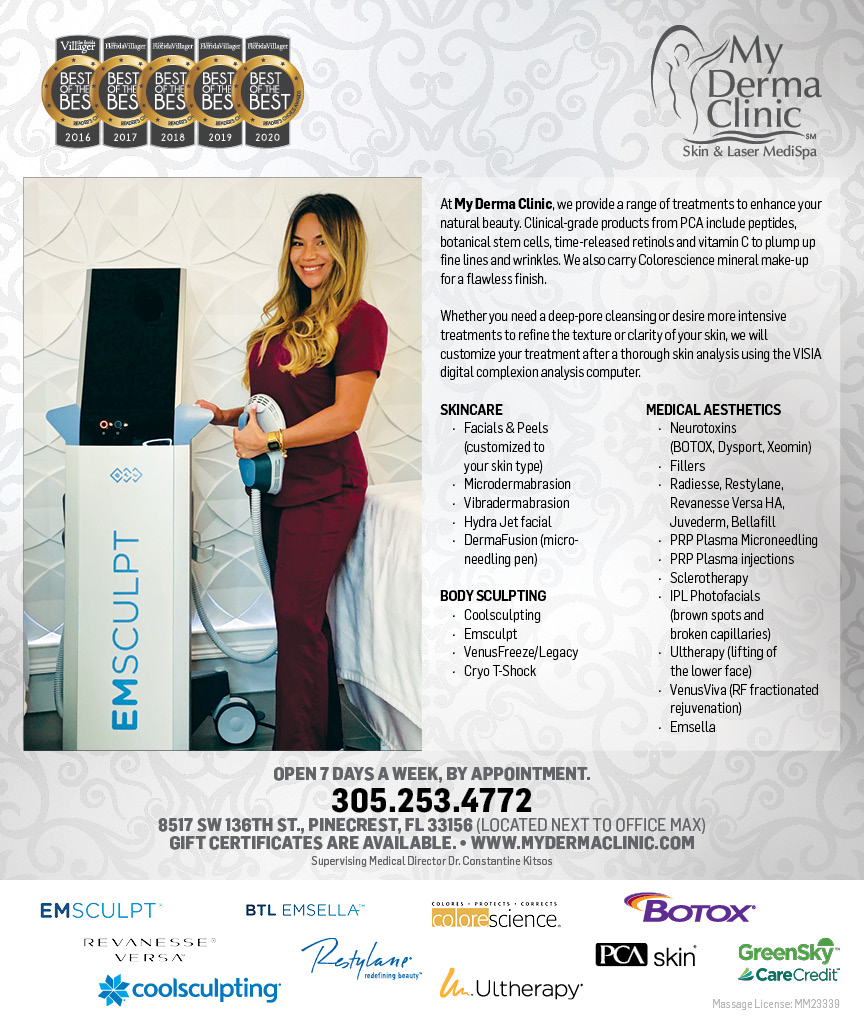



 Miami Dance Project
 Rubinstein Family Chiropractic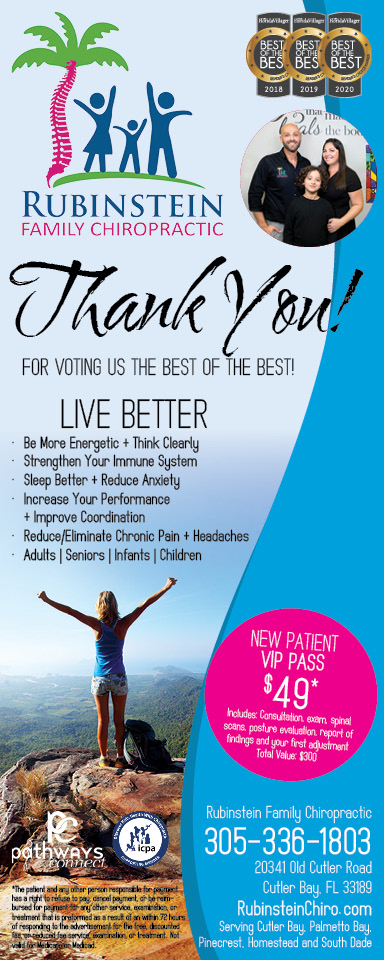
 Indigo Republic
 Safes Universe
 Vintage Liquors
 Evenings Delight





 Atchana’s Homegrown Thai
 Baptist Health South Florida

 Laser Eye Center of Miami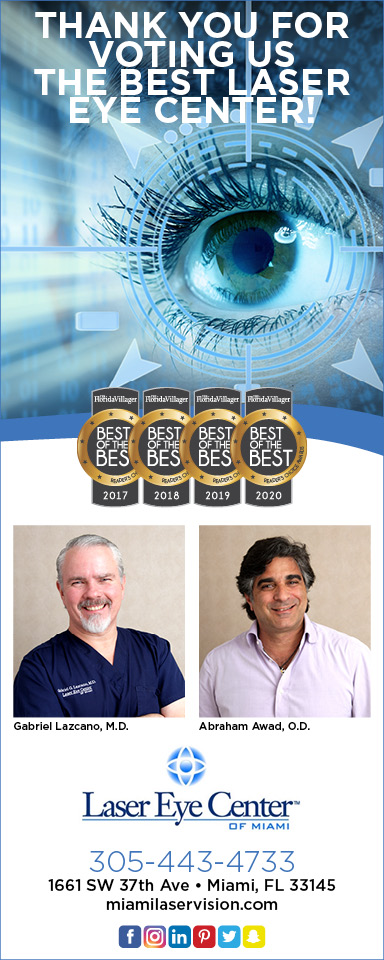
 Visiting Angels
 OpusCare of South Florida


 Your Pet’s Best

 HD Tree Services
 Hamilton Fox & Company

 Creative Design Services