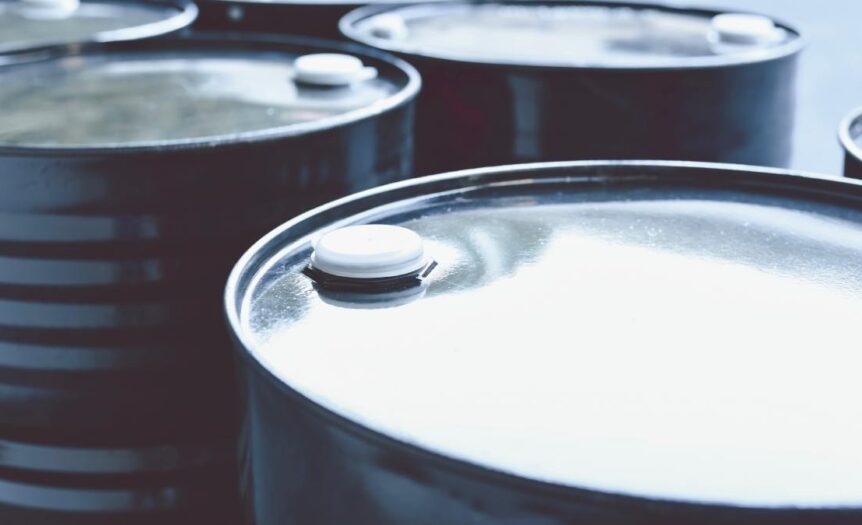
Solvent recovery is a critical process for many industries, helping them reduce waste, cut costs, and minimize their environmental footprint. Recovering and reusing solvents from industrial processes is a smart business move. However, navigating the path to an efficient recovery system presents several significant challenges. This blog will address the challenges in industrial solvent recovery.
1. Meeting Tougher Regulatory Standards
Environmental regulations are becoming increasingly strict, and companies must adapt to stay compliant. These rules, set by agencies like the EPA, limit the emission of volatile organic compounds (VOCs) and other hazardous materials commonly found in industrial solvents. Staying on top of these changing requirements demands constant vigilance and investment in monitoring equipment and reporting systems. Failing to comply can result in heavy fines and damage to a company’s reputation, making regulatory adherence a top priority.
2. Managing High Implementation Costs
Setting up a solvent recovery system requires a significant upfront investment. The cost of equipment, such as advanced filtration units and control systems, can be substantial. Beyond the initial purchase, ongoing operational expenses for energy, maintenance, and skilled labor add to the total cost of ownership. While solvent recovery offers long-term savings by reducing the need to purchase new solvents and lowering disposal fees, the initial financial barrier can be a major deterrent for many businesses, especially smaller operations.
3. Overcoming Technological Hurdles
Current technology has its limits when it comes to achieving near-perfect recovery rates. For instance, separating complex solvent mixtures or removing stubborn contaminants can be difficult. While methods like distillation play a role in solvent recovery by separating liquids based on boiling points, they may not be effective for all solvent types. This ineffectiveness means some residual solvent is often lost in the process, reducing overall efficiency. Developing and adopting more advanced, precise technologies is key to improving recovery yields and making the process more economically viable.
4. Handling Non-Recoverable Waste
Even with the best recovery systems, some solvent waste will always remain. This non-recoverable portion, along with the hazardous residues generated during purification, must be disposed of properly. Finding safe, compliant, and cost-effective disposal methods is a challenge in itself. Companies must work with certified waste management partners to handle these materials responsibly, which adds another layer of complexity and cost to their operations. Effective waste management is just as important as the recovery process itself.
Successfully implementing a solvent recovery program involves carefully balancing regulatory demands, financial constraints, and technological capabilities. By understanding these industrial solvent recovery challenges, you can better prepare your organization to develop a strategy that works. If you need help designing a system that addresses these hurdles, contact our team for expert guidance on a tailored solvent recovery solution.








 Deering Estate
 Massage Envy South Miami
 Calla Blow Dry
 My Derma Clinic
 Sports Grill
 The Healthy Kitchen
 Sushi Maki
 Golden Rule Seafood
 Malanga Cuban Café


 Kathleen Ballard
 Panter, Panter & Sampedro
 Vintage Liquors
 The Dog from Ipanema
 Rubinstein Family Chiropractic
 Your Pet’s Best
 Indigo Republic
 Animal Health and Rehab
 Maurice’s Jewelers
 ATR Luxury Homes

 2112 Design Studio
 Hamilton Fox & Company
 Creative Design Services
 Best Pest Professionals
 HD Tree Services
 Trinity Air Conditioning Company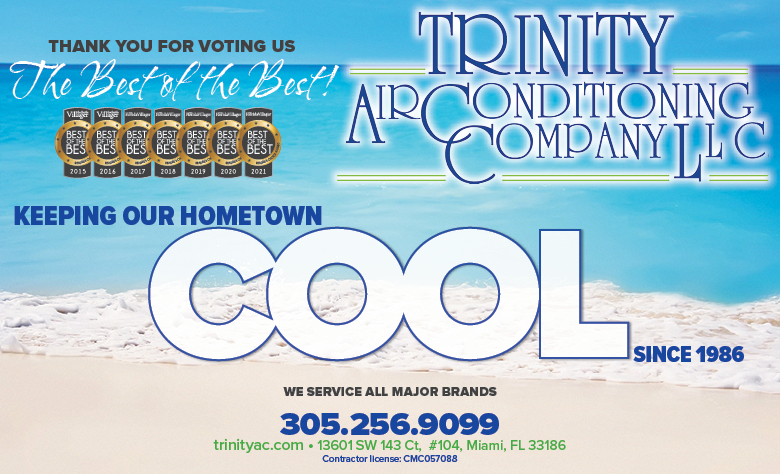
 Cisca Construction & Development
 Mosquito Joe
 Cutler Bay Solar Solutions


 Miami Royal Ballet & Dance
 Christopher Columbus
 Pineview Preschools
 Westminster
 Carrollton
 Lil’ Jungle
 Frost Science Museum
 Palmer Trinity School
 South Florida Music
 Pinecrest Orthodontics
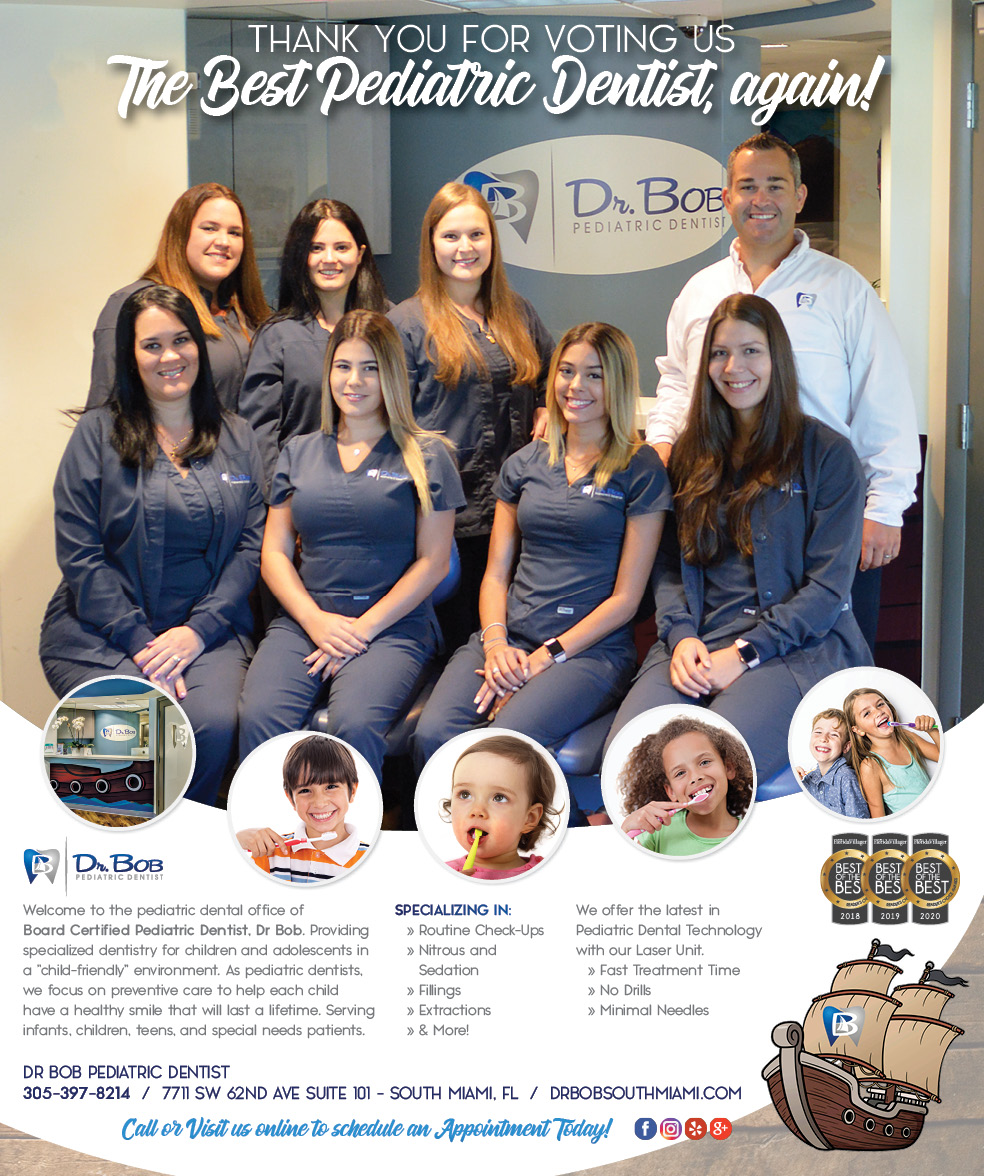
 Dr. Bob Pediatric Dentist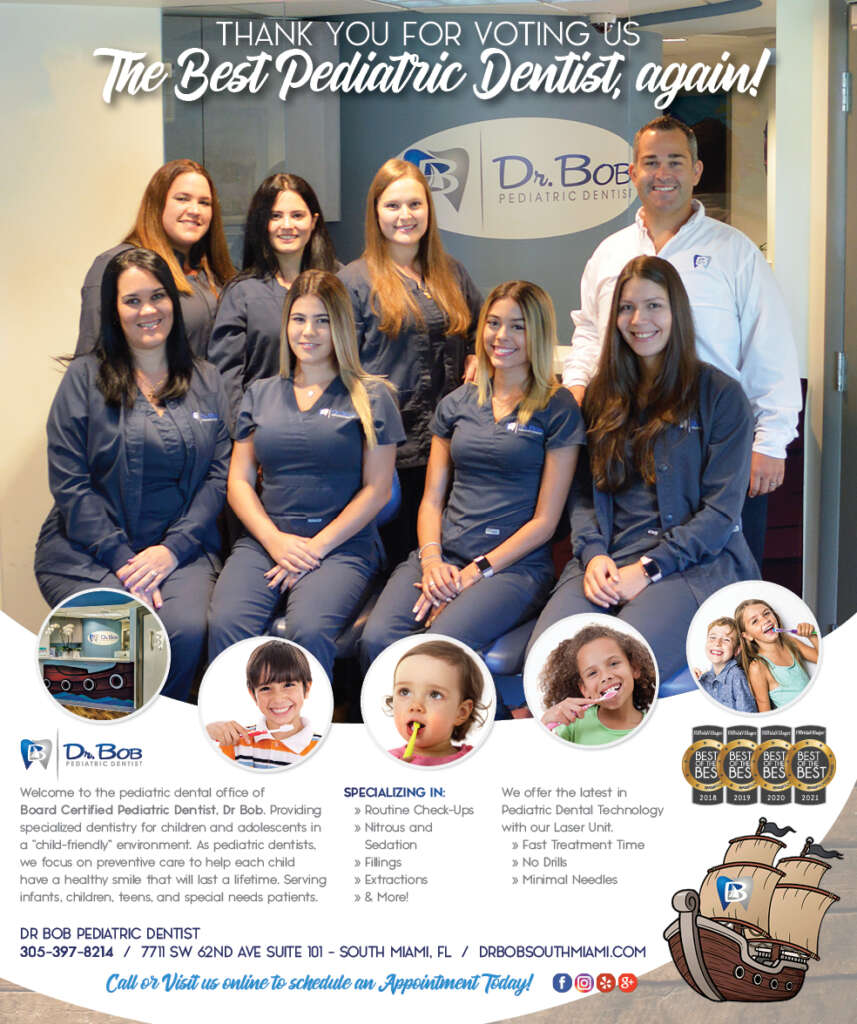
 d.pediatrics


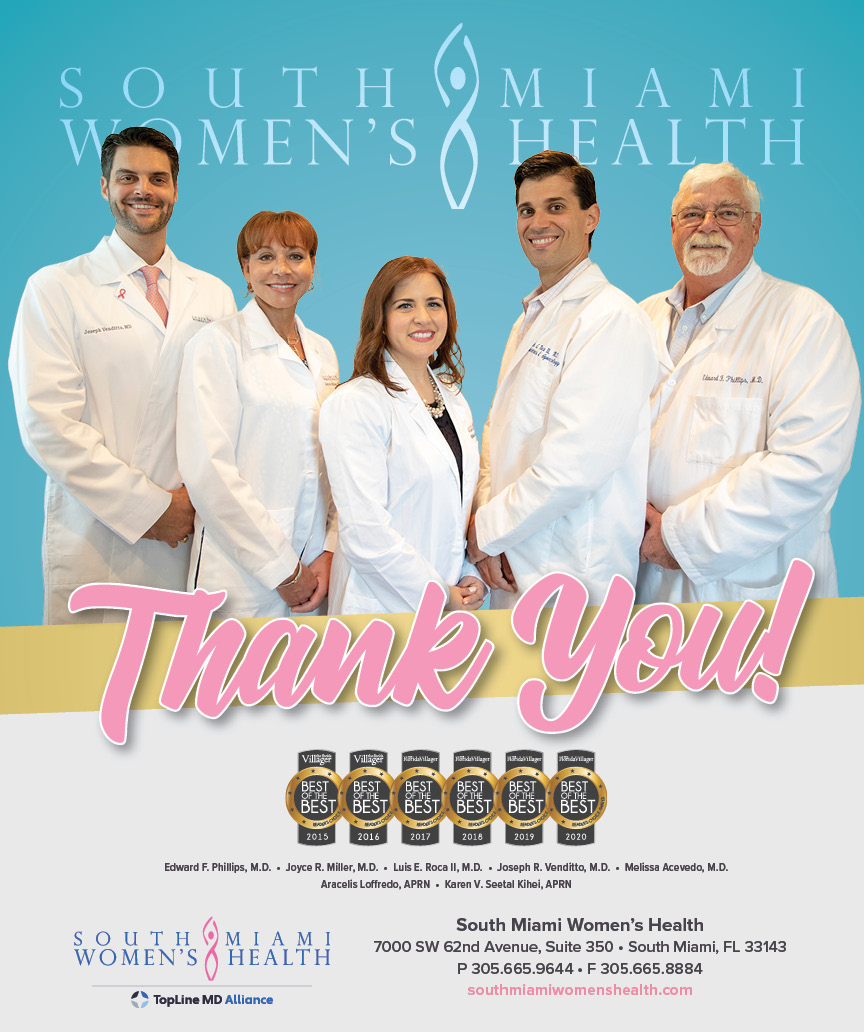
 South Miami Women’s Health
 Endodontix Dental Group
 The Spot Barbershop
 My Derma Clinic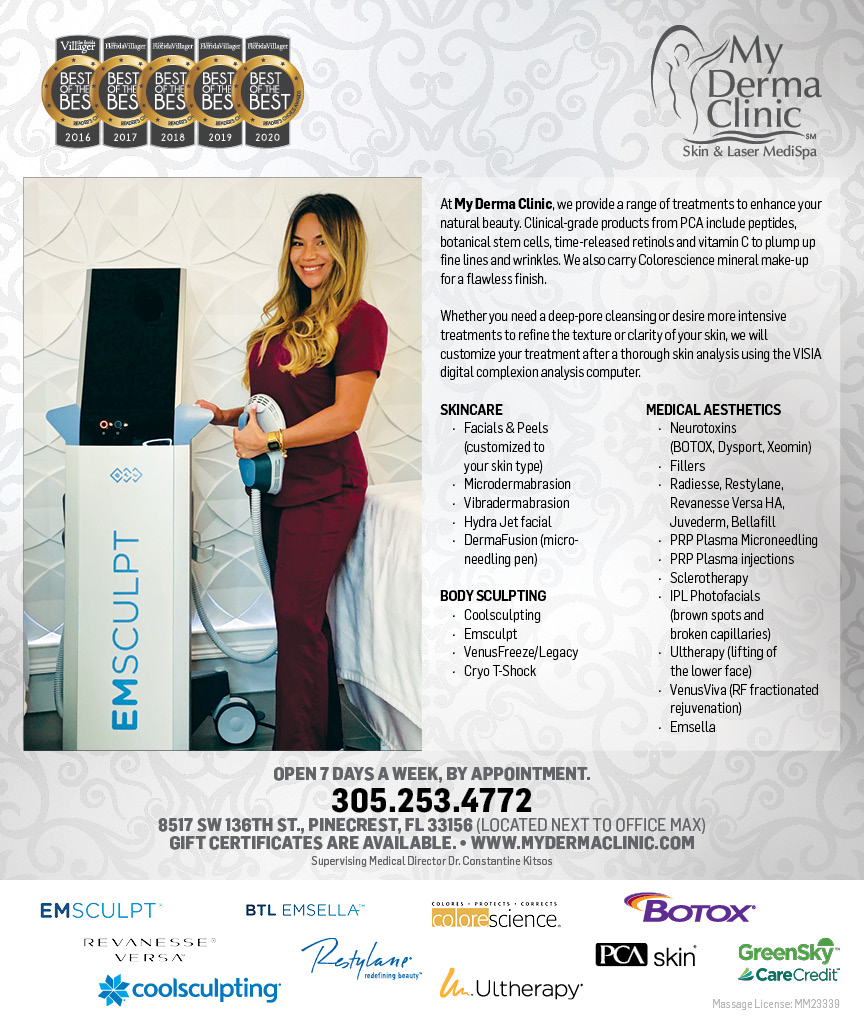




 Miami Dance Project
 Rubinstein Family Chiropractic
 Indigo Republic

 Safes Universe
 Vintage Liquors
 Evenings Delight





 Atchana’s Homegrown Thai
 Baptist Health South Florida

 Laser Eye Center of Miami
 Visiting Angels
 OpusCare of South Florida


 Your Pet’s Best

 HD Tree Services
 Hamilton Fox & Company

 Creative Design Services