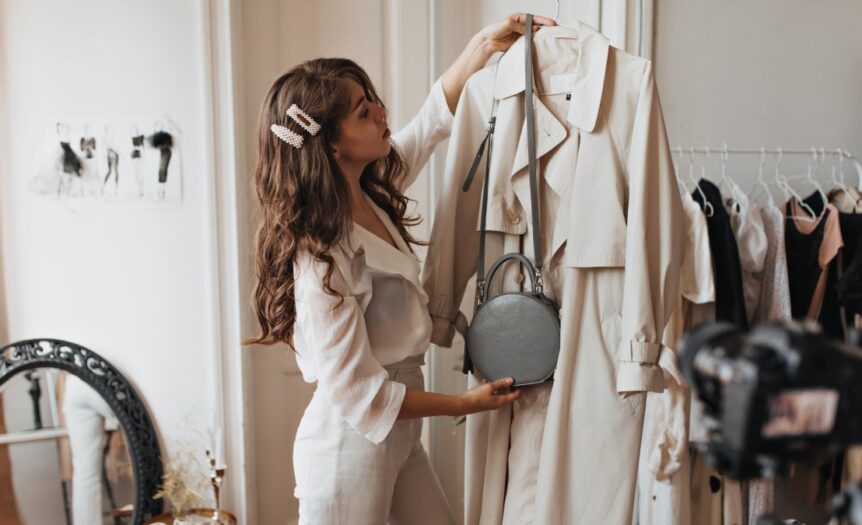
Planning the perfect outfit can feel like navigating a minefield of potential style mistakes. You want to look put-together and confident, but it’s easy to fall into common traps that can undermine your entire look. Understanding these fashion faux pas and what to avoid helps you create outfits that truly reflect your personal style.
Over-Accessorizing Your Look
Accessories should enhance your outfit, not compete with it. Piling on too much jewelry, scarves, or other embellishments quickly overwhelms your look. If you wear several flashy accessories, fashion experts recommend removing at least one before leaving the house, so your outfit has a single focal point.
When selecting accessories, you should also consider the complexity of your outfit so that every piece serves a purpose. A busy patterned dress requires minimal jewelry, while a simple, solid-colored outfit can handle more dramatic pieces. Let one accessory be the star, with others playing supporting roles.
Mismatched Colors and Patterns That Clash
Color coordination forms the foundation of any successful outfit. When colors clash, they create visual discord that draws attention for all the wrong reasons. In fact, one of the best ways to mix and match different pieces is to pay close attention to the colors and patterns, sticking to what complements each other.
Pairing items begins with a fundamental understanding of color theory and how different shades interact with one another. Colors that sit opposite each other on the color wheel can complement each other, but they require careful balance.
For example, red and green might seem festive, but in the fashion world, they can leave you feeling like a walking holiday decoration. Instead, aim for complementary colors that are a bit softer, like pale pink and light blue, or mustard yellow and navy.
Poor Fit and Proportion Issues
Ill-fitting clothes can make even the most expensive pieces look cheap since they don’t properly drape the body. Similarly, wearing clothing that is too tight or too loose can create a disproportionate look, throwing off the balance of an outfit.
You can avoid this fashion faux pas by understanding your body shape and what apparel complements it. This way, you can choose pieces that fit you well and enhance your natural curves.
Ignoring the Occasion Requirements
While planning an outfit involves adhering to many fashion rules, the right apparel also varies for each occasion. The last thing you want to do is show up at a formal event in flip-flops or wear a cocktail dress to a casual brunch. Doing this can make you stand out for all the wrong reasons, and some people may even see it as rude, especially if the event had a dress code.
For formal events, opt for more elegant and sophisticated pieces such as a tailored suit or a classic little black dress. Avoid anything too revealing or casual, as it may be seen as disrespectful or inappropriate. For more relaxed occasions, such as a weekend brunch with friends, opt for casual dresses, skirts, or trousers made from light and comfortable fabrics.
Understanding these common style mistakes helps you approach outfit planning with more confidence and intention. Your clothes should work for you, not against you, creating looks that feel authentic and appropriate for every situation you encounter.







 Deering Estate
 Massage Envy South Miami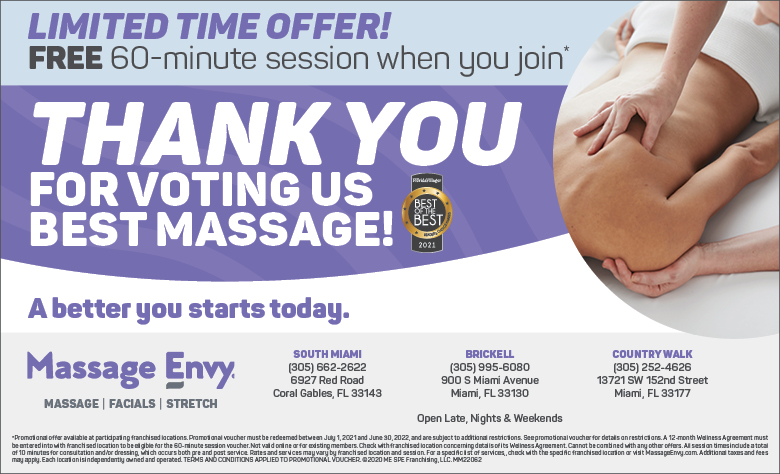
 Calla Blow Dry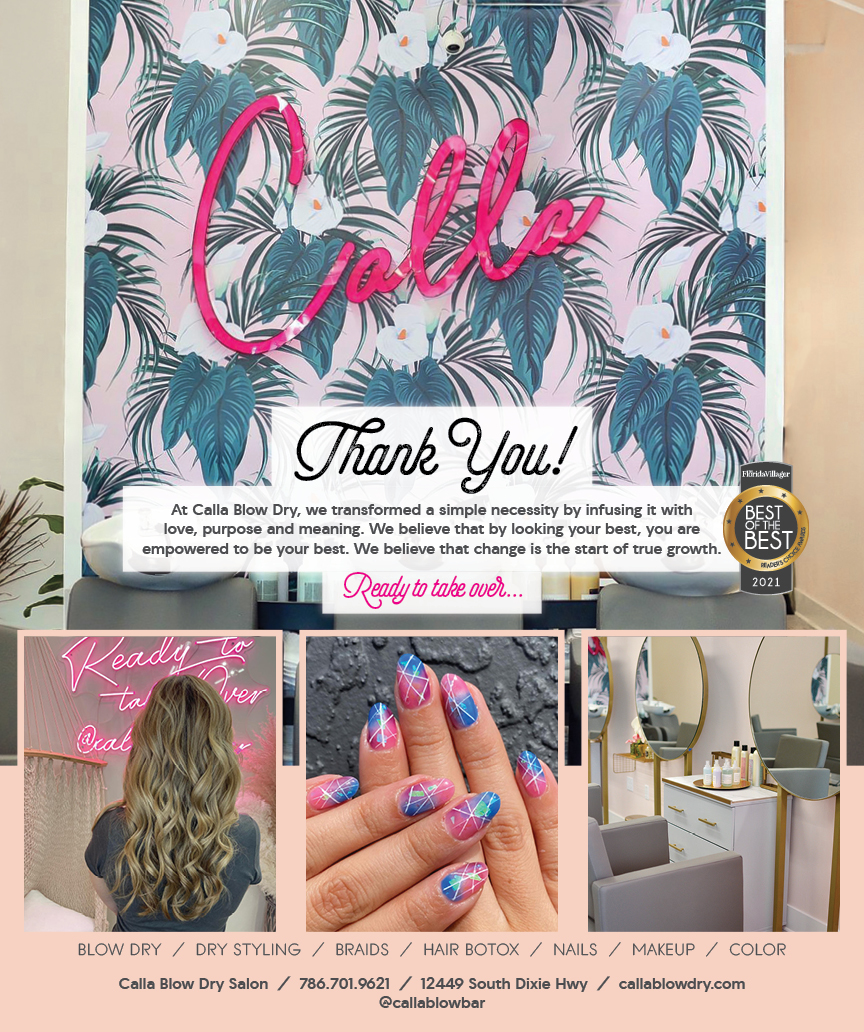
 My Derma Clinic
 Sports Grill
 The Healthy Kitchen
 Sushi Maki
 Golden Rule Seafood
 Malanga Cuban Café


 Kathleen Ballard
 Panter, Panter & Sampedro
 Vintage Liquors
 The Dog from Ipanema
 Rubinstein Family Chiropractic
 Your Pet’s Best
 Indigo Republic
 Animal Health and Rehab
 Maurice’s Jewelers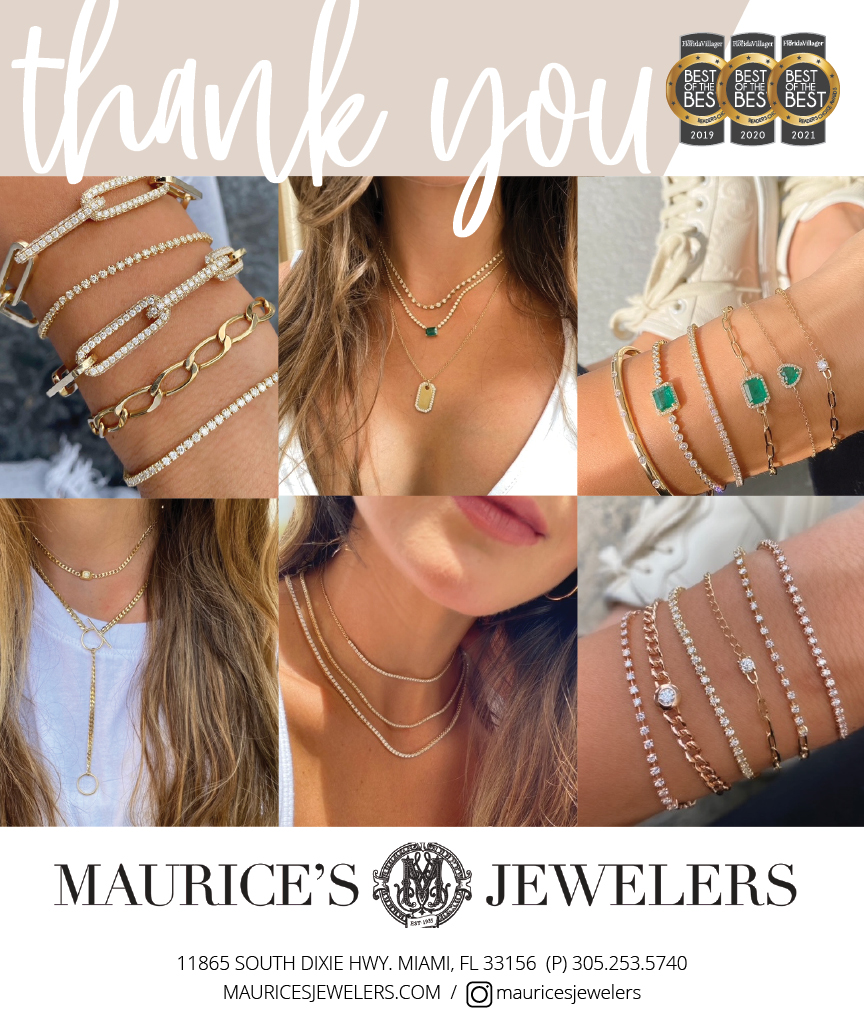
 ATR Luxury Homes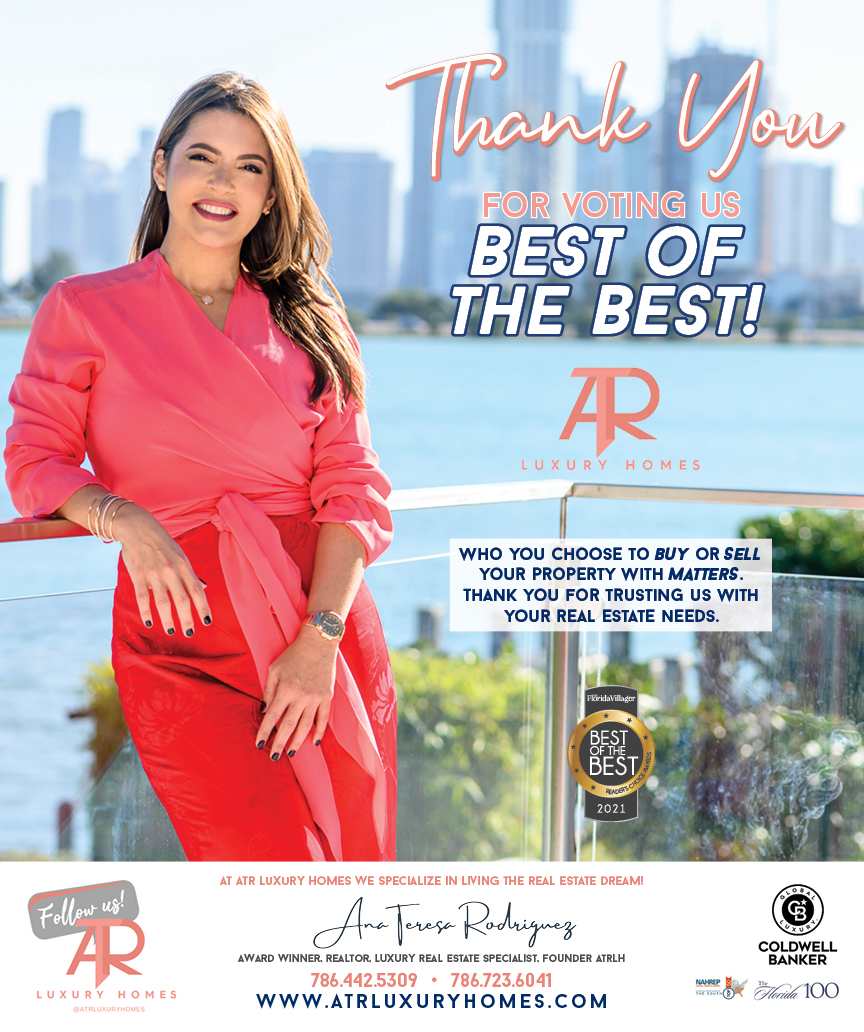

 2112 Design Studio
 Hamilton Fox & Company
 Creative Design Services
 Best Pest Professionals
 HD Tree Services
 Trinity Air Conditioning Company
 Cisca Construction & Development
 Mosquito Joe
 Cutler Bay Solar Solutions


 Miami Royal Ballet & Dance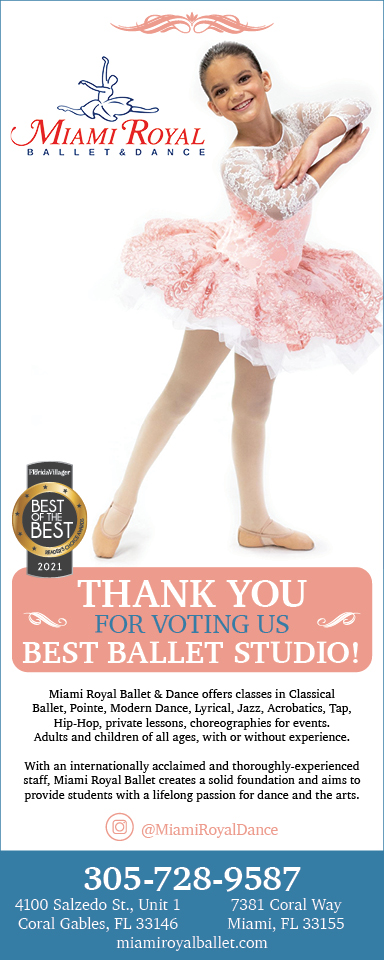
 Christopher Columbus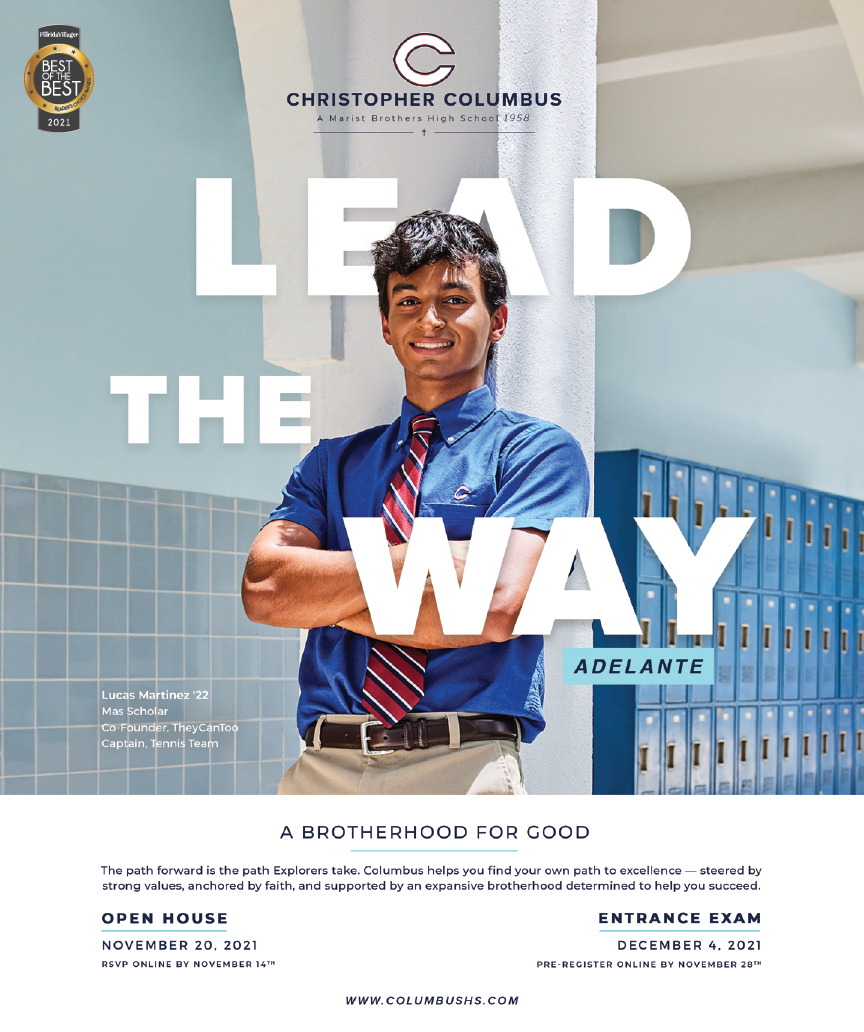
 Pineview Preschools
 Westminster
 Carrollton
 Lil’ Jungle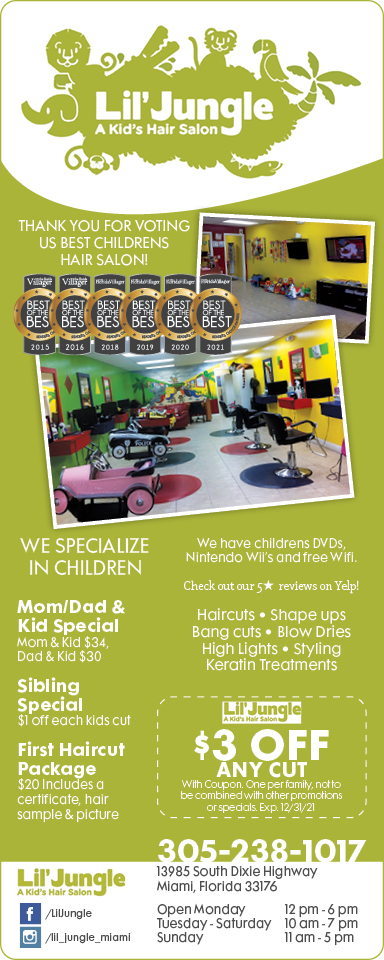
 Frost Science Museum
 Palmer Trinity School
 South Florida Music
 Pinecrest Orthodontics
 Dr. Bob Pediatric Dentist
 d.pediatrics

 South Miami Women’s Health
 Endodontix Dental Group
 The Spot Barbershop
 My Derma Clinic




 Miami Dance Project

 Rubinstein Family Chiropractic
 Indigo Republic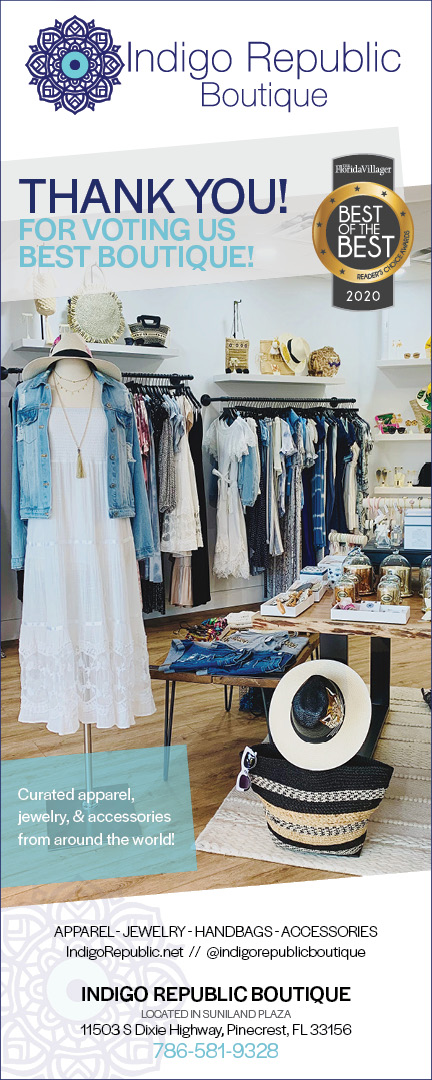

 Safes Universe
 Vintage Liquors
 Evenings Delight





 Atchana’s Homegrown Thai
 Baptist Health South Florida

 Laser Eye Center of Miami
 Visiting Angels
 OpusCare of South Florida



 Your Pet’s Best
 HD Tree Services
 Hamilton Fox & Company

 Creative Design Services