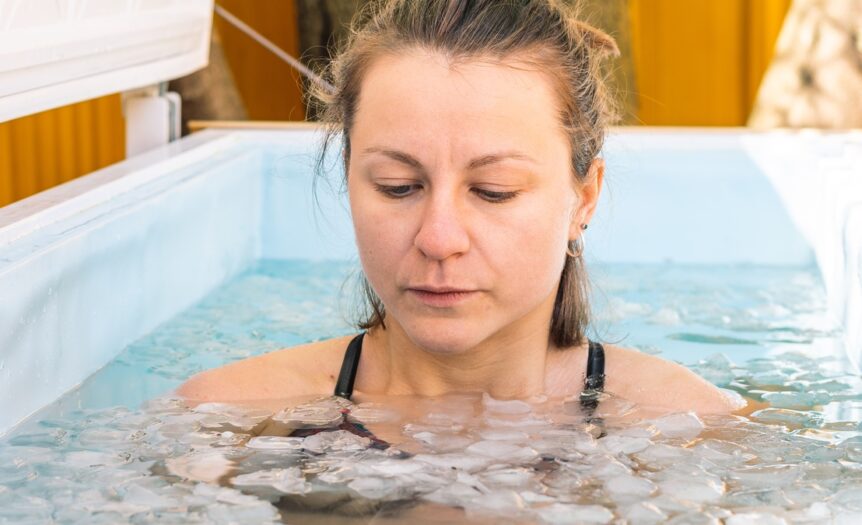
Fall brings crisp air, changing leaves, and perfect conditions for outdoor adventures. Many outdoor enthusiasts discover that this season also offers ideal opportunities for ice baths. Cold water therapy gains more traction and popularity each year, and fall provides unique advantages for people who are ready to embrace this challenging practice.
Ice baths offer numerous benefits for recovery, mental resilience, and connection with nature. However, taking the plunge requires proper preparation and knowledge. This guide explores everything you need to know, what to try, and proper education for a fall ice bath. By the end, you’ll be ready to take the plunge and enjoy a chilly yet quiet moment.
Why Fall Creates Perfect Ice Bath Conditions
Fall weather creates natural advantages for ice bath practitioners. Cooler ambient temperatures make the transition into cold water less shocking to your system. Your body adapts more gradually when the air temperature already sits in a comfortable range rather than jumping from blazing summer heat into freezing water.
Recovery Benefits for Active Lifestyles
Ice baths provide significant recovery benefits for hikers, runners, cyclists, and other outdoor athletes. Cold water exposure reduces inflammation, decreases muscle soreness, and speeds recovery time between training sessions. Fall represents peak outdoor activity season for many enthusiasts, making ice baths particularly valuable during this period.
Research also suggests that cold water immersion helps constrict blood vessels, reducing swelling and tissue breakdown. After your muscles warm up post-bath, increased blood flow delivers fresh oxygen and nutrients to your recovering tissues.
Building Mental Resilience
Cold exposure challenges your mental boundaries and builds psychological toughness. Fall ice baths prepare you mentally for winter outdoor activities while developing stress tolerance that transfers to other life areas. The controlled stress of cold water teaches you to remain calm under pressure.
Essential Preparation Steps
Proper preparation ensures safety and effectiveness during your fall ice bath experience. Never skip these crucial steps before entering the cold water.
Weather and Safety Considerations
Check local weather conditions before planning your ice bath. Avoid extremely windy days, as wind chill increases heat loss and makes warming up afterward more difficult. Choose days with minimal wind and mild temperatures for optimal conditions.
Inform someone about your ice bath plans, including your location and expected duration. This safety measure becomes especially important when using natural water sources like lakes or rivers.
Gathering Your Gear
Collect essential equipment before starting your ice bath, such as:
- Thermometer: Monitor water temperature accurately.
- Timer: Track your immersion duration.
- Warm Clothing: Prepare dry, insulating layers for afterward.
- Hot Beverage: Thermos with warm tea, coffee, or broth.
- Towels: Multiple thick, absorbent towels.
- Non-Slip Footwear: Prevent slips on wet surfaces.
Water Safety Fundamentals
Understand basic water safety principles before you attempt an ice bath. Never enter water alone, especially in natural settings. Choose locations with easy entry and exit points. Avoid areas with strong currents, underwater obstacles, or unstable surfaces.
Preparing Your Ice Bath Setup
Creating an effective ice bath requires attention to temperature, container choice, and ice requirements.
Temperature Guidelines
Target water temperatures between 50 and 59 degrees Fahrenheit for beginners. Advanced practitioners can handle temperatures between 39 and 50 degrees Fahrenheit. Use your thermometer to verify the temperature before you enter. Water that feels cold to your hand might still be too warm for therapeutic benefits.
Choosing Your Container
Several container options work for fall ice baths. Large plastic tubs, inflatable pools, or stock tanks provide controlled environments. Natural water sources like lakes, rivers, or ponds offer authentic experiences but require extra safety precautions.
When using containers, make sure they’re large enough for comfortable sitting with legs extended. The water should reach at least your waist when seated.
Ice Requirements
Figuring out how much ice you’ll need for an ice bath depends on your container size and starting water temperature. Generally, you’ll need approximately two to three pounds of ice per gallon of water to achieve optimal temperatures. A standard bathtub requires 20 – 30 pounds of ice, while larger containers need proportionally more.
Add ice gradually while monitoring the bath’s temperature. This approach prevents overshooting your target temperature and wasting ice.
Breathing Techniques
Maintain steady, controlled breathing throughout your session. Cold water naturally triggers rapid, shallow breathing. Counter this response with deliberate deep breaths. Inhale slowly through your nose, hold briefly, then exhale completely through your mouth.
Box breathing works particularly well: inhale for four counts, hold for four, exhale for four, hold empty for four. Repeat this pattern throughout your session.
Duration Guidelines
Beginners should start with one to two maximum. Gradually increase the duration as your tolerance improves. Even experienced practitioners rarely need more than 10 – 15 minutes for maximum benefits.
Listen to your body throughout the session. Exit immediately if you experience uncontrollable shivering, loss of dexterity, or any concerning symptoms.
Post-Bath Recovery Protocol
Proper warming procedures ensure safety and maximize benefits from your ice bath experience.
Safe Warming Strategies
Exit the water slowly and move to a warm, dry area immediately. Remove wet clothing and dry off thoroughly with towels. Put on warm, dry clothing in layers, starting with base layers closest to your skin.
Avoid hot showers, heating pads, or other rapid warming methods immediately after your ice bath. These can cause dangerous blood pressure fluctuations. Instead, allow your body to warm naturally or use gentle heat sources like warm clothing and light movement.
Replenishing Your System
Consume warm beverages and light snacks after your ice bath. Warm herbal tea, broth, or coffee can raise your core temperature gradually. Include some carbohydrates and protein to support recovery processes.
Stay hydrated, as cold exposure can affect your body’s hydration signals. Monitor your urine color and drink water regularly throughout the day following your ice bath.
Embrace Fall’s Cold Water Opportunities
Fall ice baths offer outdoor enthusiasts unique opportunities for recovery, mental training, and nature connection. With proper preparation, safety awareness, and gradual progression, you can safely incorporate cold water therapy into your health and wellness practices.
Start conservatively with shorter durations and warmer temperatures. Build your tolerance gradually while always prioritizing safety over achievement. The benefits of regular cold water exposure extend far beyond physical recovery, developing mental resilience that enhances all your outdoor pursuits. Now that you know what to do and what to try, it’s time to take a dip into a fall ice bath.








 Deering Estate
 Massage Envy South Miami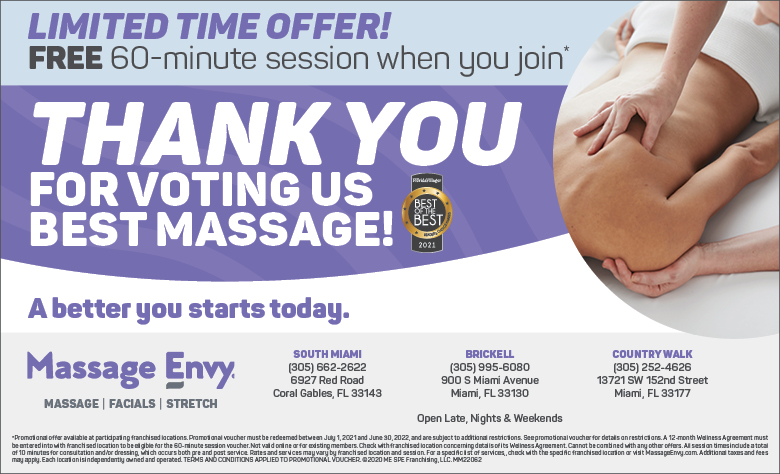
 Calla Blow Dry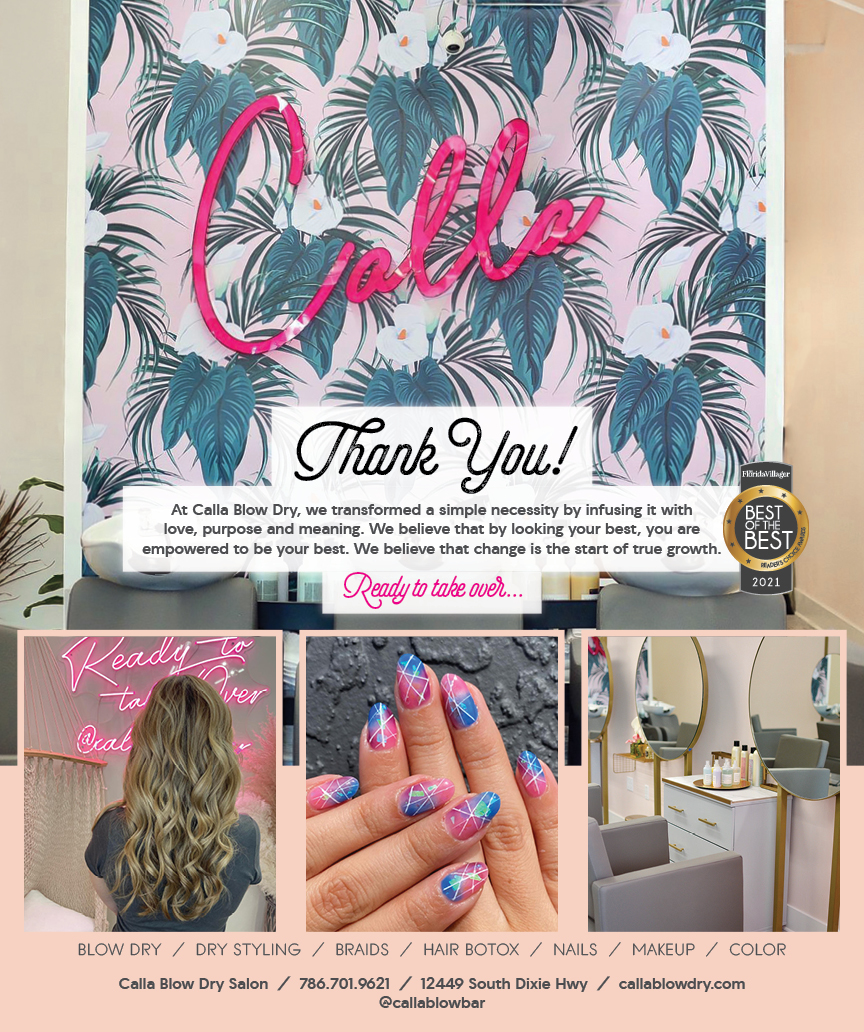
 My Derma Clinic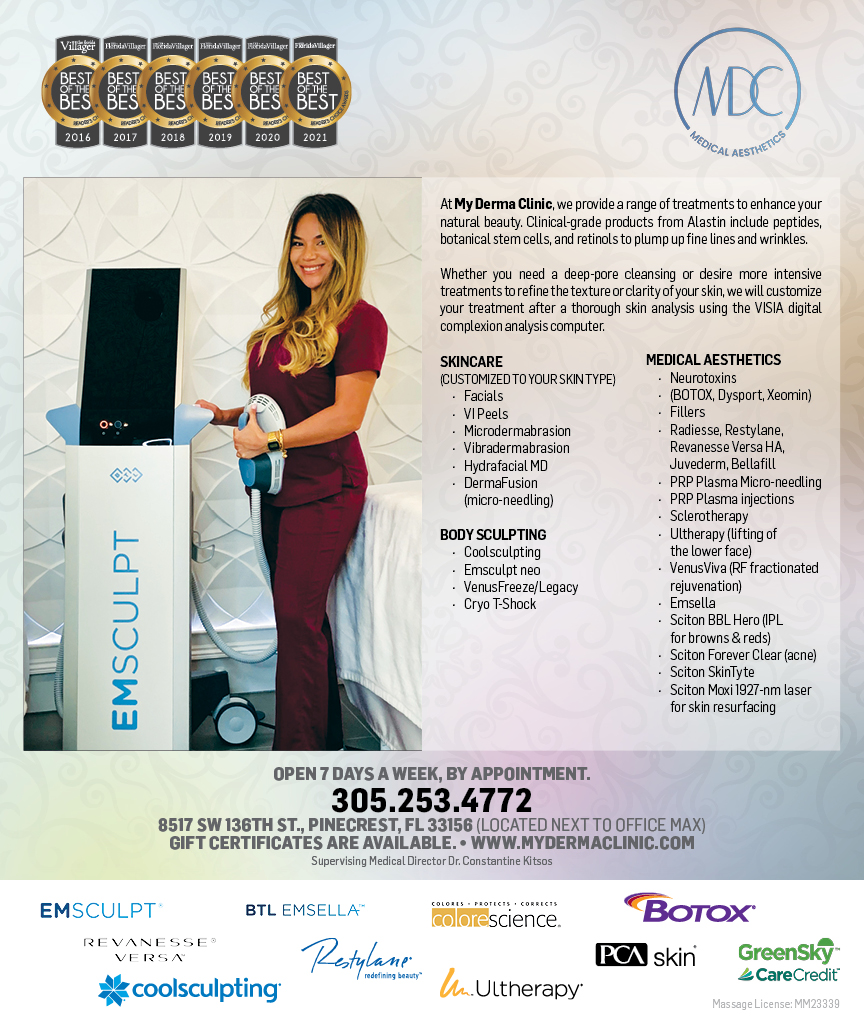
 Sports Grill
 The Healthy Kitchen
 Sushi Maki
 Golden Rule Seafood
 Malanga Cuban Café


 Kathleen Ballard
 Panter, Panter & Sampedro
 Vintage Liquors
 The Dog from Ipanema
 Rubinstein Family Chiropractic
 Your Pet’s Best
 Indigo Republic
 Animal Health and Rehab
 Maurice’s Jewelers
 ATR Luxury Homes


 2112 Design Studio
 Hamilton Fox & Company
 Creative Design Services
 Best Pest Professionals
 HD Tree Services
 Trinity Air Conditioning Company
 Cisca Construction & Development
 Mosquito Joe
 Cutler Bay Solar Solutions


 Miami Royal Ballet & Dance
 Christopher Columbus
 Pineview Preschools
 Westminster
 Carrollton
 Lil’ Jungle
 Frost Science Museum
 Palmer Trinity School
 South Florida Music
 Pinecrest Orthodontics
 Dr. Bob Pediatric Dentist
 d.pediatrics


 South Miami Women’s Health
 Endodontix Dental Group
 The Spot Barbershop
 My Derma Clinic




 Miami Dance Project

 Rubinstein Family Chiropractic
 Indigo Republic

 Safes Universe
 Vintage Liquors
 Evenings Delight





 Atchana’s Homegrown Thai
 Baptist Health South Florida

 Laser Eye Center of Miami
 Visiting Angels
 OpusCare of South Florida



 Your Pet’s Best

 HD Tree Services
 Hamilton Fox & Company

 Creative Design Services