Coastal communities have a lot of unique challenges to consider when it comes to maintaining infrastructure. Salt air, powerful storms, and severe humidity create the perfect conditions that can wreak havoc on roads, bridges, and utilities.
Understanding the impact of coastal weather on infrastructure enables communities to prepare themselves and protect their investments. From corroded bridges to flooded subway systems, coastal weather doesn’t just inconvenience residents—it threatens the very foundation of how these communities function.
Salt Air: A Silent Killer
Salt-laden air acts like a slow poison for metal infrastructure. Steel reinforcement bars in concrete bridges and buildings begin corroding much faster near the ocean. What might take decades to deteriorate inland can happen in just a few years along the coast. This rapid deterioration can have severe effects on utilities like utility poles, but thankfully, materials like ductile iron poles work well in coastal environments to maintain the infrastructure long-term.
Concrete structures aren’t immune either. Salt penetrates the pores of concrete and attacks the steel reinforcement within. This attack causes the metal to expand, creating cracks that allow more salt and water to enter. It makes a destructive cycle that’s expensive to stop.
Storm Surge and Flooding Damage
Storm surge during hurricanes can overwhelm coastal infrastructure in hours. Saltwater flooding is particularly destructive because it leaves behind corrosive residue long after the water recedes.
Underground utilities suffer the most. Subway systems, electrical conduits, and telecommunications cables can become completely compromised by just one major flooding event. New York’s subway system, for example, required billions in repairs after Hurricane Sandy’s storm surge.
High Winds and Structural Stress
Coastal areas experience higher average wind speeds than inland locations. This constant buffeting puts additional stress on buildings, power lines, and communication towers. Over time, this persistent force can cause metal fatigue and structural weakening.
Power grids are particularly vulnerable. High winds knock down transmission lines and damage substations, often leaving coastal communities without electricity for extended periods. The combination of salt air corrosion and wind stress makes power infrastructure especially fragile.
Building Resilience Against Coastal Weather
Protecting infrastructure from the effects of coastal weather requires proactive planning and the use of specialized materials. Innovative components, protective coatings, and elevated designs all help extend the life of infrastructure in harsh coastal environments.
Communities are also investing in natural barriers like restored wetlands and dune systems that can absorb storm energy before it reaches critical infrastructure. These nature-based solutions often prove more cost-effective than purely engineered options. With an understanding of the effects of coastal weather, everyone can be better prepared and more knowledgeable about what can happen to our current systems.








 Deering Estate
 Massage Envy South Miami
 Calla Blow Dry
 My Derma Clinic
 Sports Grill
 The Healthy Kitchen
 Sushi Maki
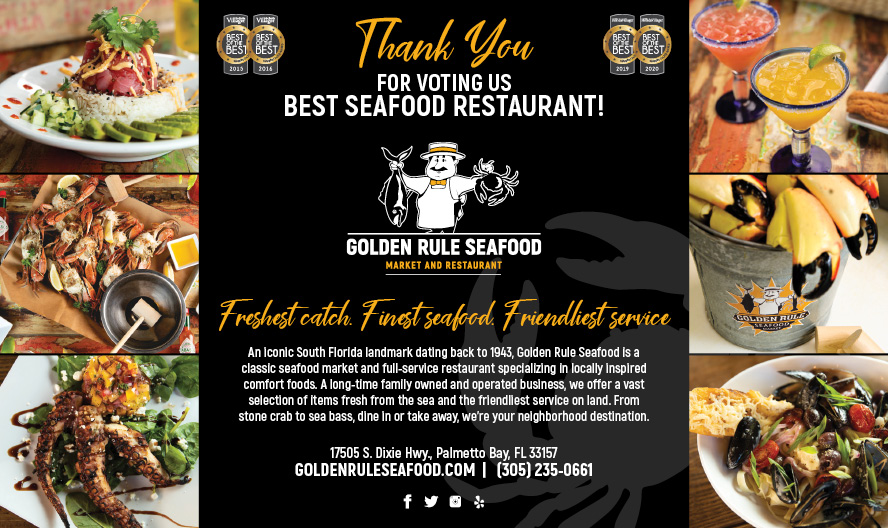
 Golden Rule Seafood
 Malanga Cuban Café


 Kathleen Ballard
 Panter, Panter & Sampedro
 Vintage Liquors
 The Dog from Ipanema
 Rubinstein Family Chiropractic
 Your Pet’s Best
 Indigo Republic
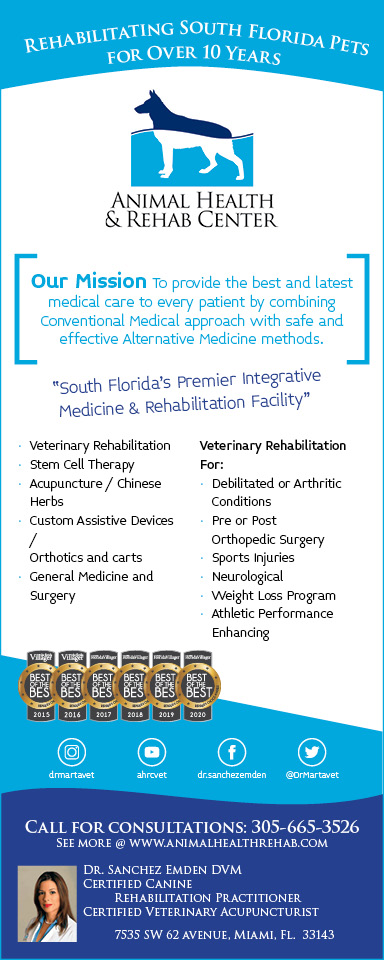
 Animal Health and Rehab
 Maurice’s Jewelers
 ATR Luxury Homes

 2112 Design Studio
 Hamilton Fox & Company
 Creative Design Services
 Best Pest Professionals
 HD Tree Services
 Trinity Air Conditioning Company
 Cisca Construction & Development
 Mosquito Joe
 Cutler Bay Solar Solutions


 Miami Royal Ballet & Dance
 Christopher Columbus
 Pineview Preschools
 Westminster
 Carrollton
 Lil’ Jungle
 Frost Science Museum
 Palmer Trinity School
 South Florida Music
 Pinecrest Orthodontics
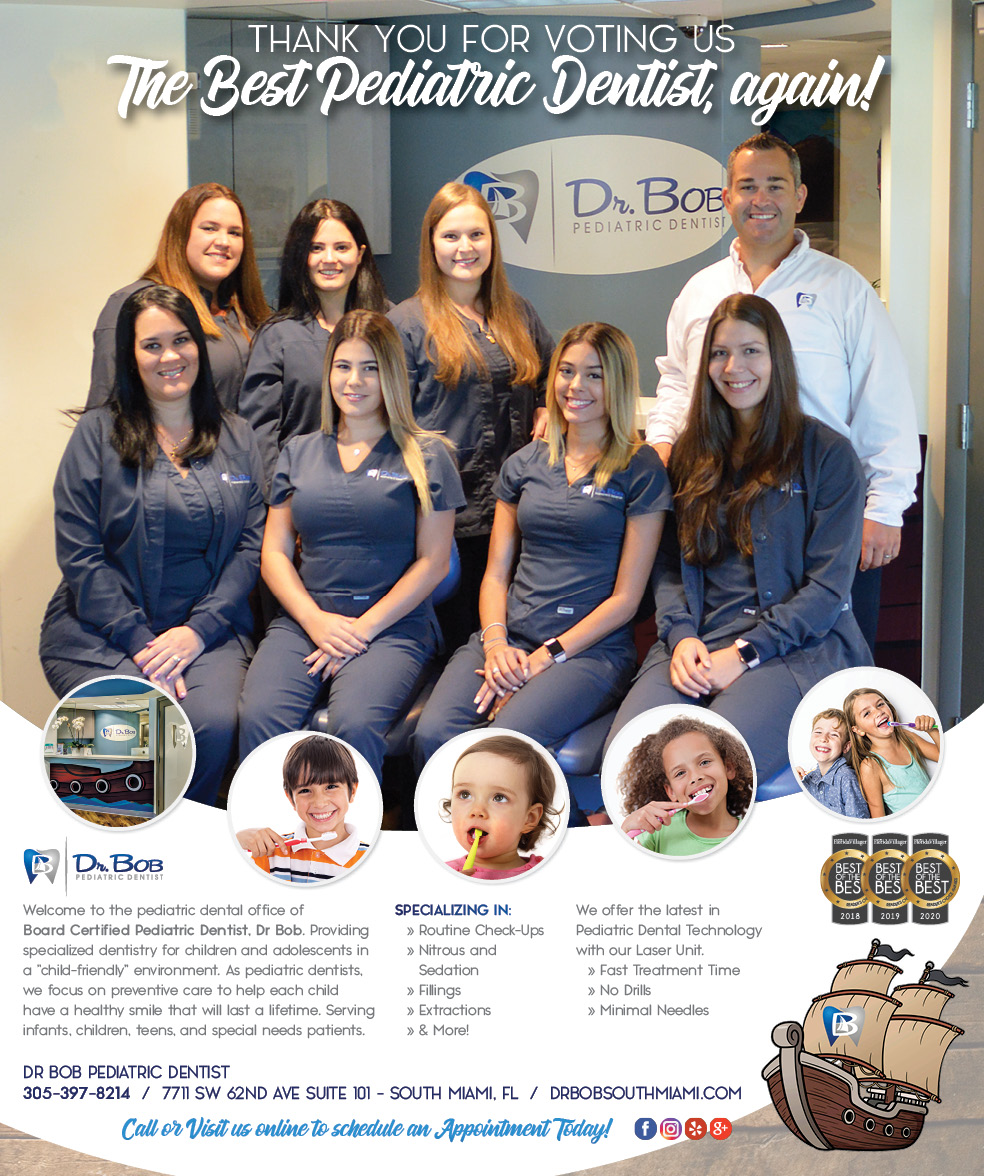
 Dr. Bob Pediatric Dentist
 d.pediatrics


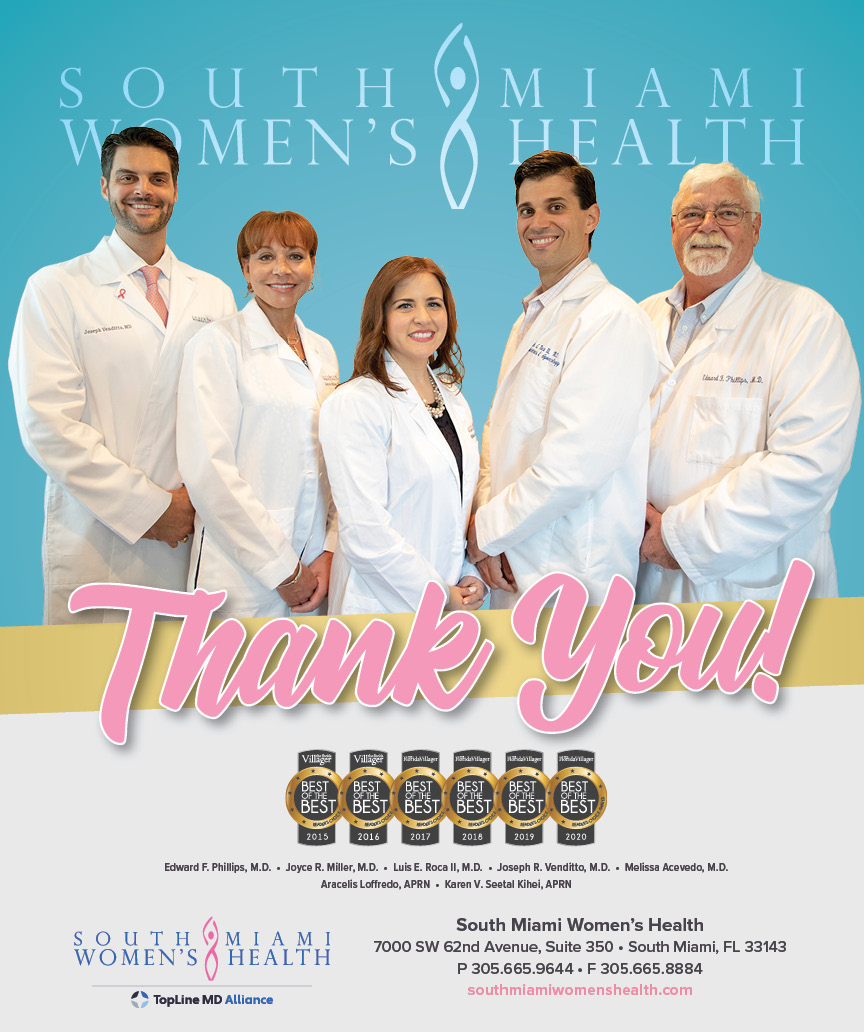
 South Miami Women’s Health
 Endodontix Dental Group
 The Spot Barbershop
 My Derma Clinic



 Miami Dance Project
 Rubinstein Family Chiropractic
 Indigo Republic
 Safes Universe
 Vintage Liquors
 Evenings Delight




 Atchana’s Homegrown Thai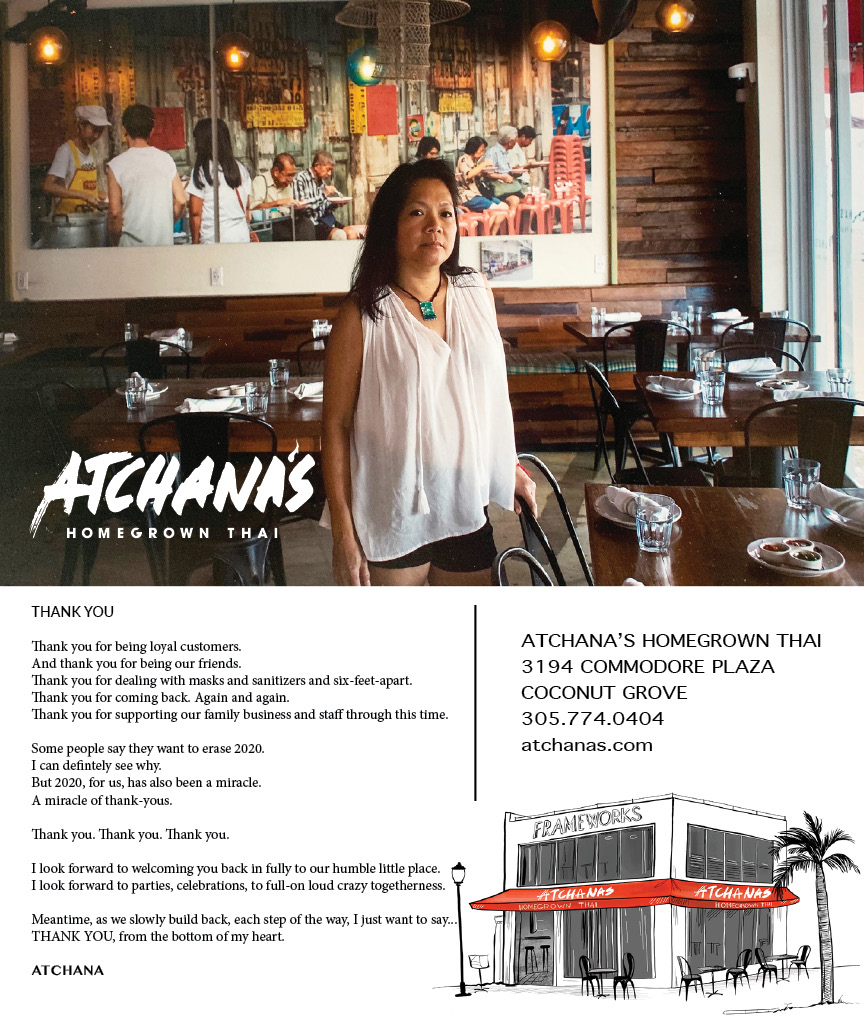
 Baptist Health South Florida

 Laser Eye Center of Miami
 Visiting Angels
 OpusCare of South Florida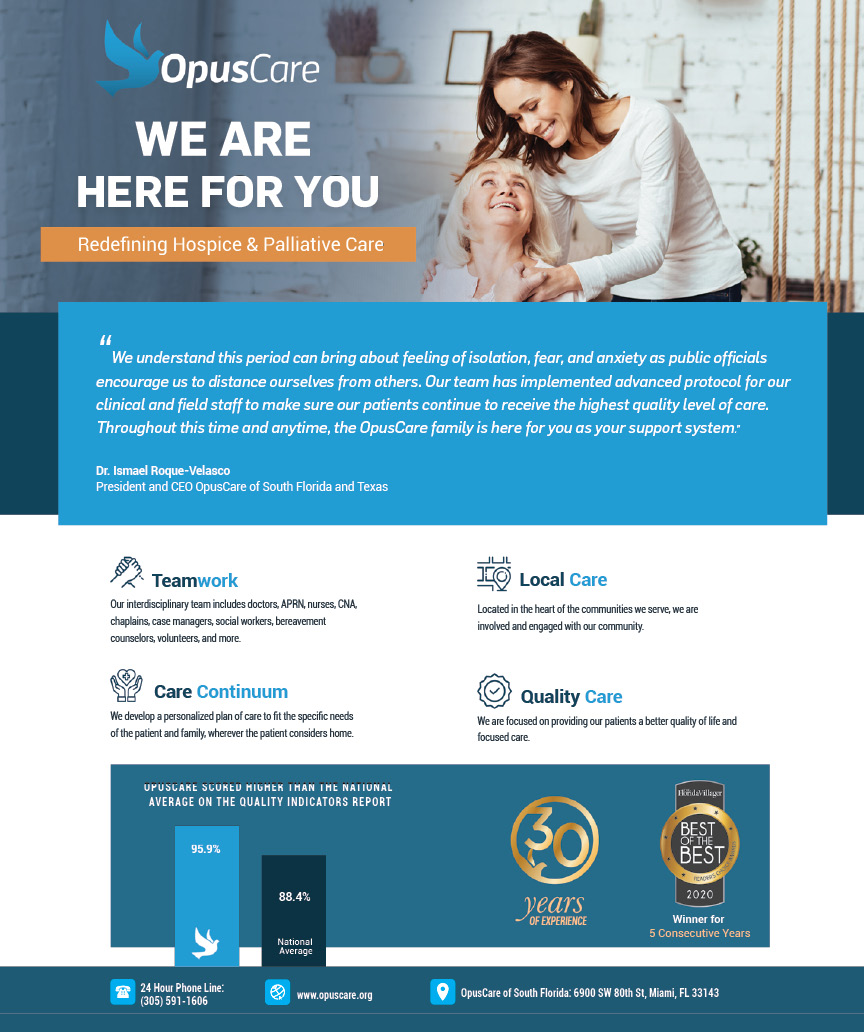


 Your Pet’s Best

 HD Tree Services
 Hamilton Fox & Company

 Creative Design Services