You get one chance to make a first impression—and at business events, that chance can make or break valuable partnerships, funding opportunities, and career-defining connections. The power of first impressions at business events extends far beyond a firm handshake and polished elevator pitch.
For ambitious entrepreneurs and business owners, these snap decisions can determine whether a potential investor takes your proposal seriously. A prospective client trusts your expertise, or a strategic partner sees you as someone worth collaborating with.
Your event becomes the stage where your business reputation is formed. Let’s see how you can impress your attendees and enhance your brand reputation.
Choose Your Venue Strategically
Your venue choice speaks before you even say a word. The location sets expectations about your business’s caliber, professionalism, and attention to detail. Select spaces that align with your brand identity and audience expectations.
A tech startup might thrive in a modern coworking space with clean lines and innovative design elements. At the same time, a consulting firm might benefit from the gravitas of a historic building or upscale hotel conference center.
Consider practical elements that affect first impressions:
- Accessibility: Multiple entry points, elevators, and accommodating spaces show inclusivity
- Parking availability: Frustrated attendees who circle the block create negative associations
- Audio-visual capabilities: Professional sound and lighting prevent awkward technical difficulties
The venue’s reputation also transfers to your event. Research the space’s history and previous events to avoid locations with negative associations in your industry.
Master the Art of Strategic Networking
Networking at business events requires intentional planning, not random mingling. Your approach to building connections determines whether attendees see you as someone worth knowing.
- Prepare conversation starters: go beyond weather and generic business talk. Ask about industry trends, recent projects, or professional challenges. These topics reveal genuine interest in the person rather than what they can do for you.
- Practice active listening: During conversations, put away your phone and maintain eye contact. Make sure to ask follow-up questions that show you’re processing what they’re sharing. People remember feeling heard more than they remember what you said.
- Quality over quantity: With networking relationships, it’s essential to weigh your options. Having three meaningful conversations creates more value than collecting twenty business cards from surface-level exchanges.
Time your networking strategically. Arrive early when attendees are fresh and receptive. The first hour often produces the most productive connections before people become overwhelmed or tired.
Create Visual Impact Through Venue Design
Your event’s visual presentation communicates your brand’s personality and attention to detail before anyone reads your materials or hears your presentation. Lighting sets the mood and energy level.
Bright, clear lighting suggests transparency and professionalism, while softer lighting creates intimacy and encourages deeper conversations. Avoid harsh fluorescent lighting that makes people look tired or creates an institutional atmosphere.
Color schemes should align with your brand while considering psychological impact. Blue conveys trust and stability, making it excellent for financial or consulting events. Green suggests growth and innovation, working well for sustainability or health-focused gatherings.
Enhancing Venue Aesthetics and Navigation
Hiding unattractive areas of your venue requires creative solutions that maintain the professional atmosphere. Use strategic furniture placement, decorative screens, or branded backdrops to direct attention toward your event’s focal points while minimizing visual distractions.
Signage placement guides attendees naturally through your space. Clear directional signs prevent confusion and crowding, while branded displays reinforce your company’s visual identity throughout the venue.
Craft Compelling Opening Presentations
Your opening presentation establishes the tone and energy for your entire event. This moment shapes how attendees perceive your expertise and whether they’ll engage actively or passively.
Capture your audience’s attention within the first 30 seconds by sharing a surprising statistic, asking a thought-provoking question, or telling a brief story related to your main theme. This approach helps avoid generic welcomes or long company histories that can lead to immediate disengagement.
Instead, structure your content around attendee benefits rather than your company’s achievements. Frame information around what participants will gain, learn, or be able to implement rather than focusing on your credentials or success stories.
Tips for an Engaging Presentation
Visual storytelling enhances retention and engagement. Use high-quality images, compelling infographics, or short video clips to illustrate key points. Avoid text-heavy slides that compete with your spoken presentation.
Practice your delivery until it feels natural and conversational. Rehearsed doesn’t mean robotic—you want polished confidence that allows for spontaneous moments and audience interaction.
Design Memorable Registration Experiences
The registration process is your attendees’ first interaction with your team, so make it smooth and welcoming. Use pre-registration systems with QR codes or mobile check-ins to reduce wait times, but always have a backup plan for technical issues.
Train your team to be friendly, informed, and professional—they set the tone for the event. Provide welcome materials that offer value, like networking tools or industry insights. Ensure name badges are clear, professional, and easy to read, including company names and titles to encourage connections.
Leverage Strategic Branding Throughout
Your branding should be consistent but subtle, using strategic placement like brand colors in table settings or signage fonts to reinforce your identity without overwhelming. Focus on integration over logo overload—share values through thoughtful design.
Branded materials like notebooks, pens, or guides should be helpful, leaving a positive impression. Use digital branding with hashtags, photo sharing, and live feeds to boost engagement. Professional photography is essential to document energy and produce content for future marketing.
Execute Flawless Follow-up Communications
Your post-event communication determines whether initial positive impressions translate into ongoing business relationships. The power of first impressions at business events extends well beyond the event itself. Follow up within 48 hours to keep the event fresh in attendees’ minds.
Mention specific conversations or presentations to show genuine interest and build connections. Offer value with slides, industry reports, or articles to extend learning and stay top-of-mind.
Transform First Impressions into Lasting Success
Making powerful first impressions at business events requires intentional planning, authentic execution, and strategic follow-through. Every element—from venue selection to post-event communications—contributes to how people perceive your brand and whether they want to build ongoing relationships.
The most successful business events create environments where authentic connections flourish naturally. When you focus on providing genuine value, facilitating meaningful interactions, and following through professionally, you transform single events into foundations for long-term business growth.
Ready to make your next business event unforgettable? The connections you build today become the collaborations that drive tomorrow’s success.








 Deering Estate
 Massage Envy South Miami
 Calla Blow Dry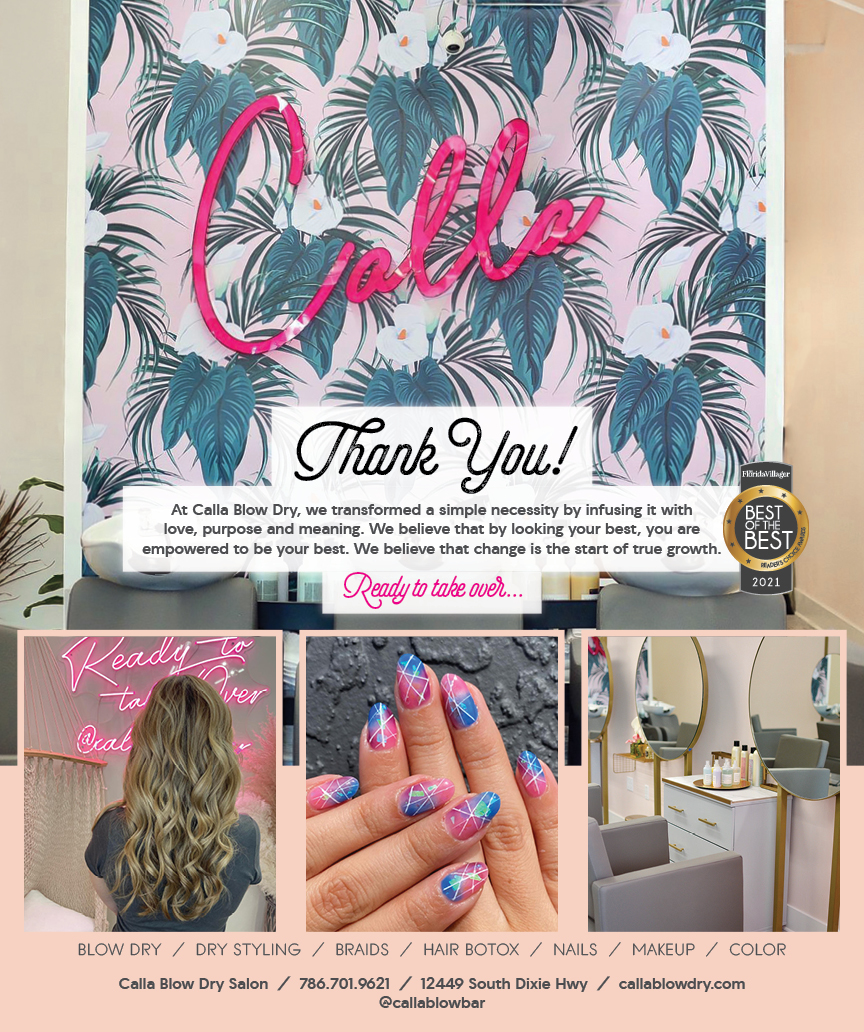
 My Derma Clinic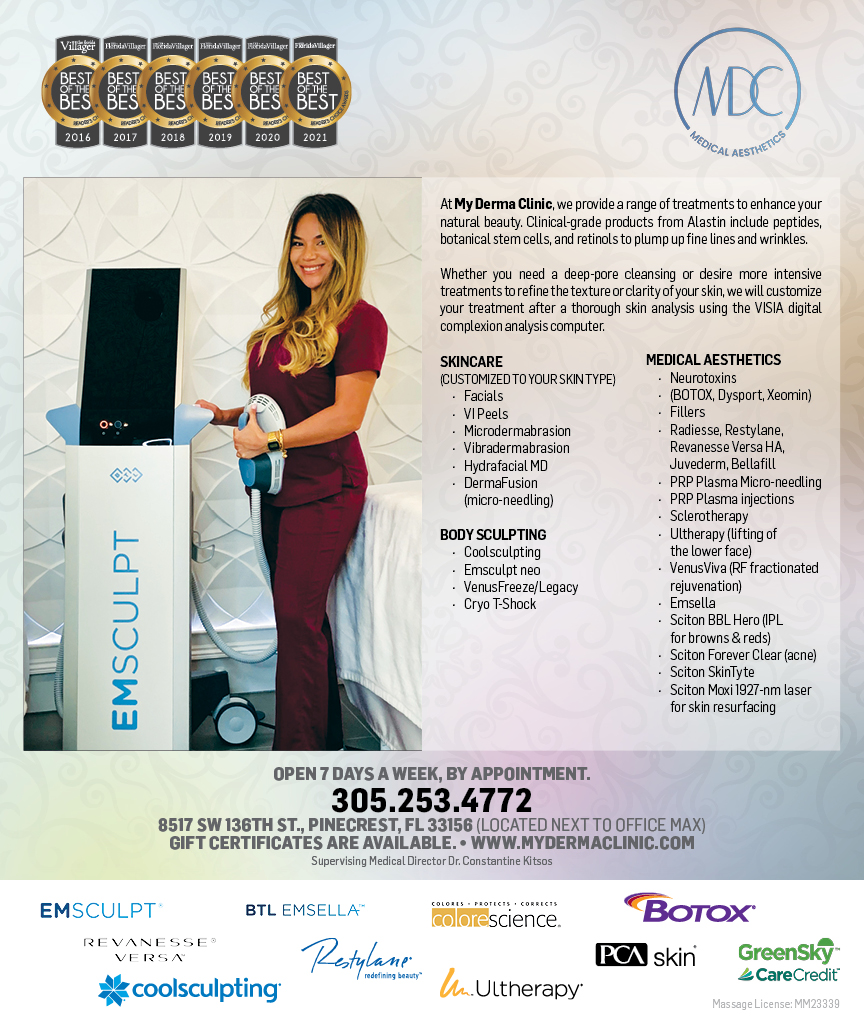
 Sports Grill
 The Healthy Kitchen
 Sushi Maki
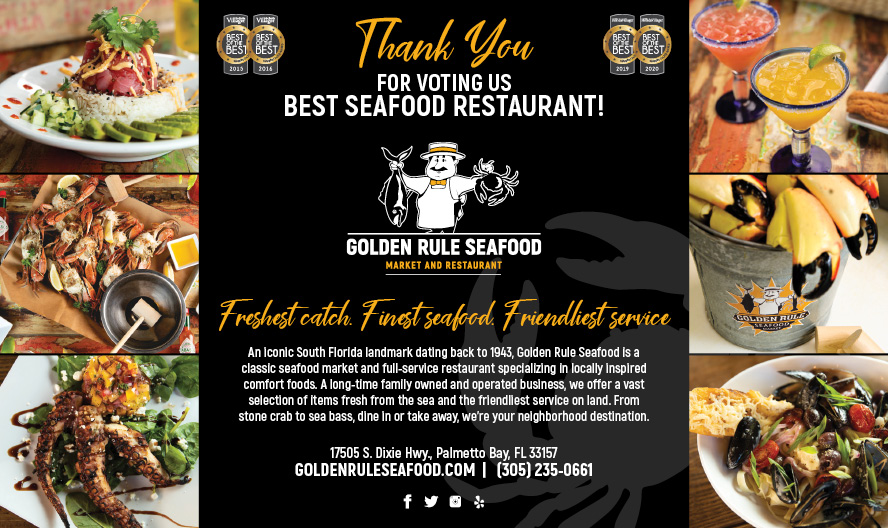
 Golden Rule Seafood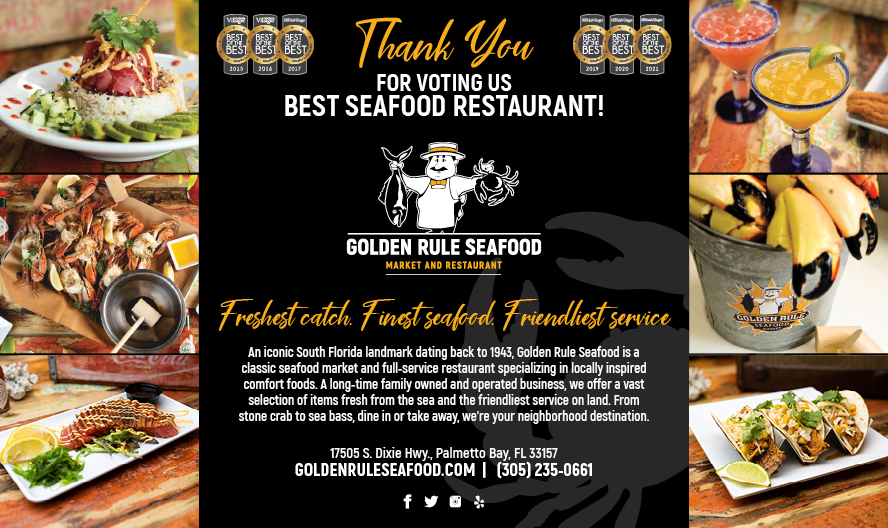
 Malanga Cuban Café

 Kathleen Ballard
 Panter, Panter & Sampedro
 Vintage Liquors
 The Dog from Ipanema
 Rubinstein Family Chiropractic
 Your Pet’s Best
 Indigo Republic
 Animal Health and Rehab
 Maurice’s Jewelers
 ATR Luxury Homes


 2112 Design Studio
 Hamilton Fox & Company
 Creative Design Services
 Best Pest Professionals
 HD Tree Services
 Trinity Air Conditioning Company
 Cisca Construction & Development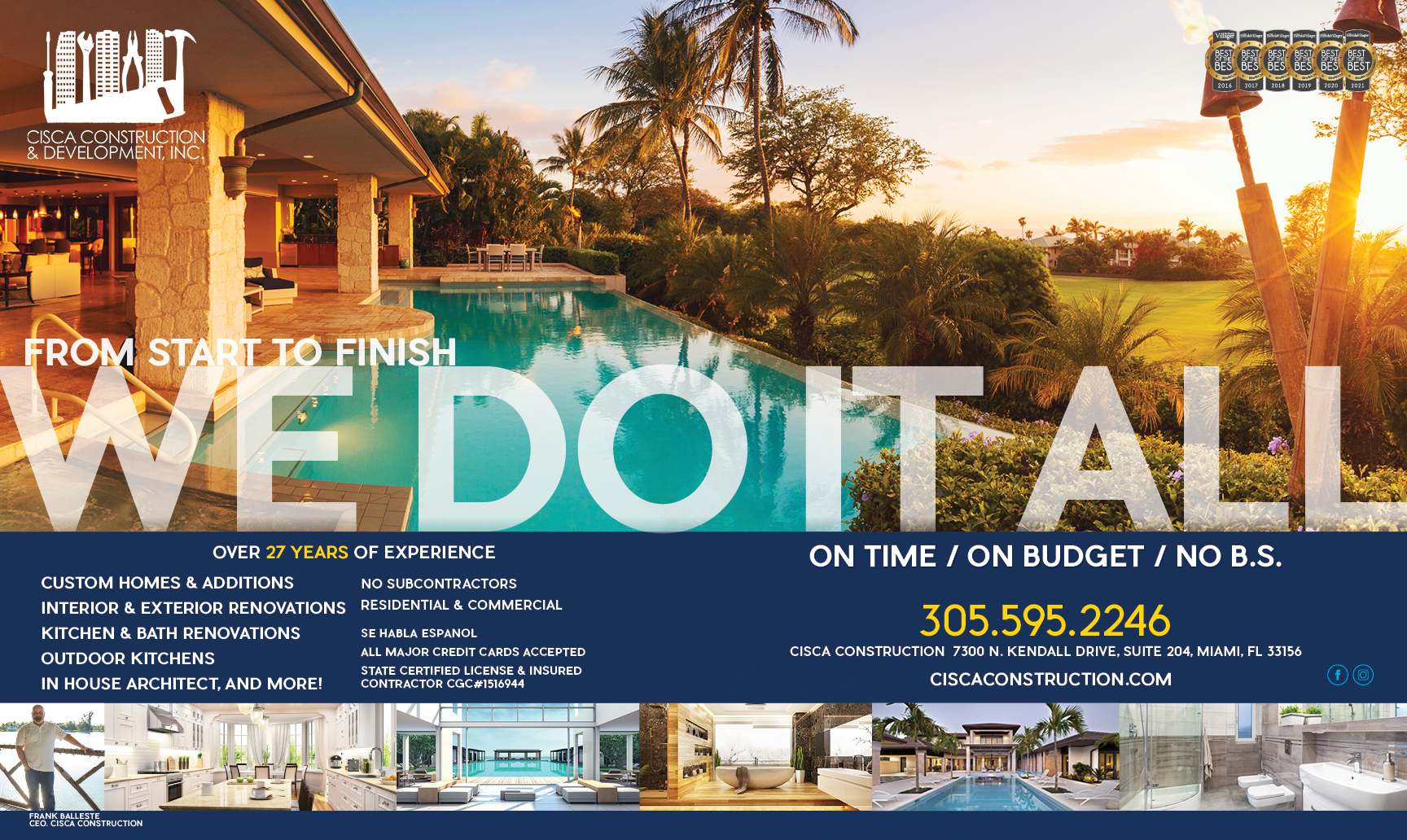
 Mosquito Joe
 Cutler Bay Solar Solutions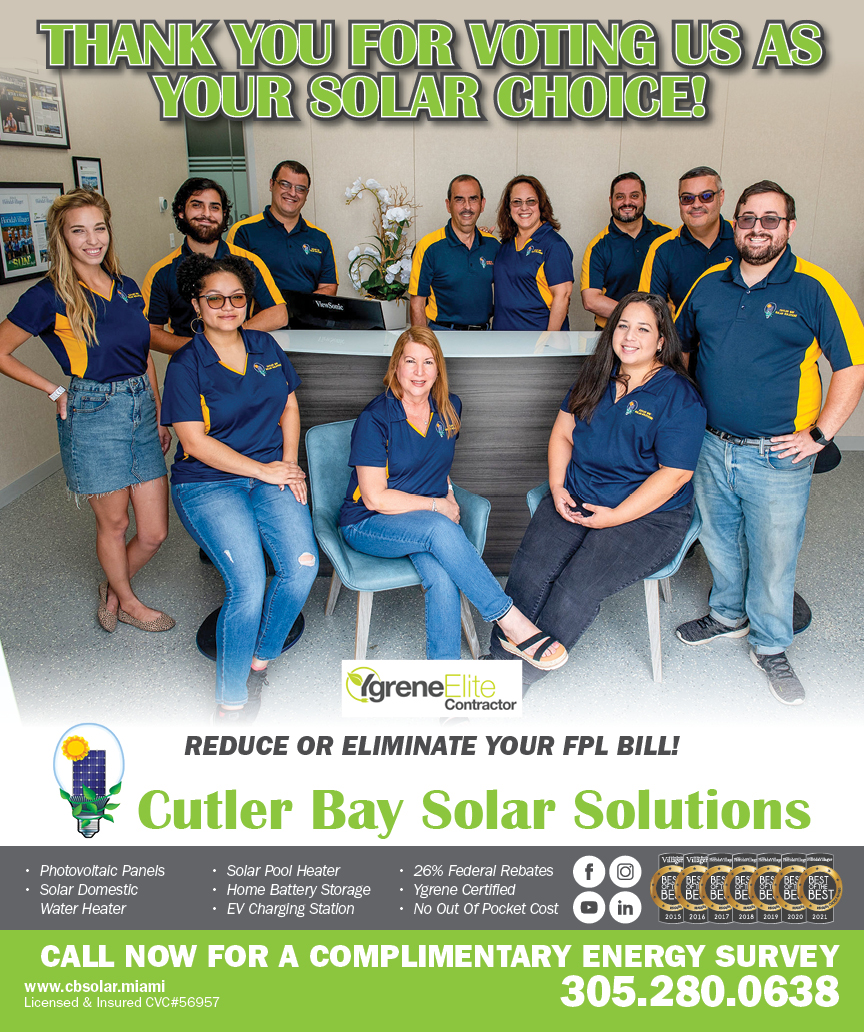


 Miami Royal Ballet & Dance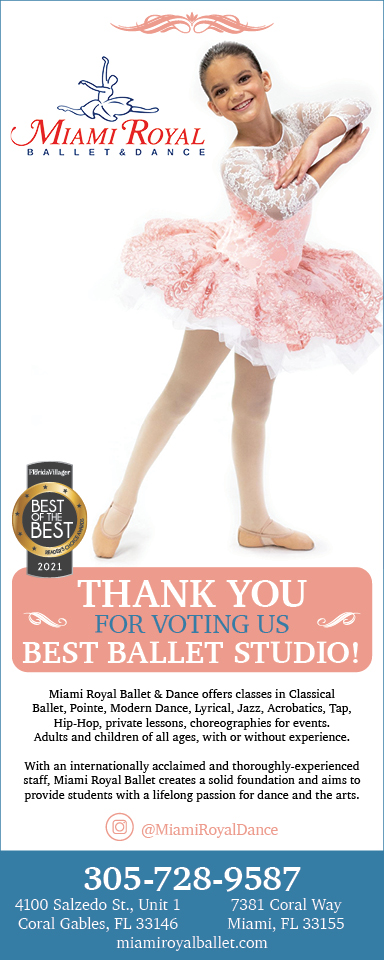
 Christopher Columbus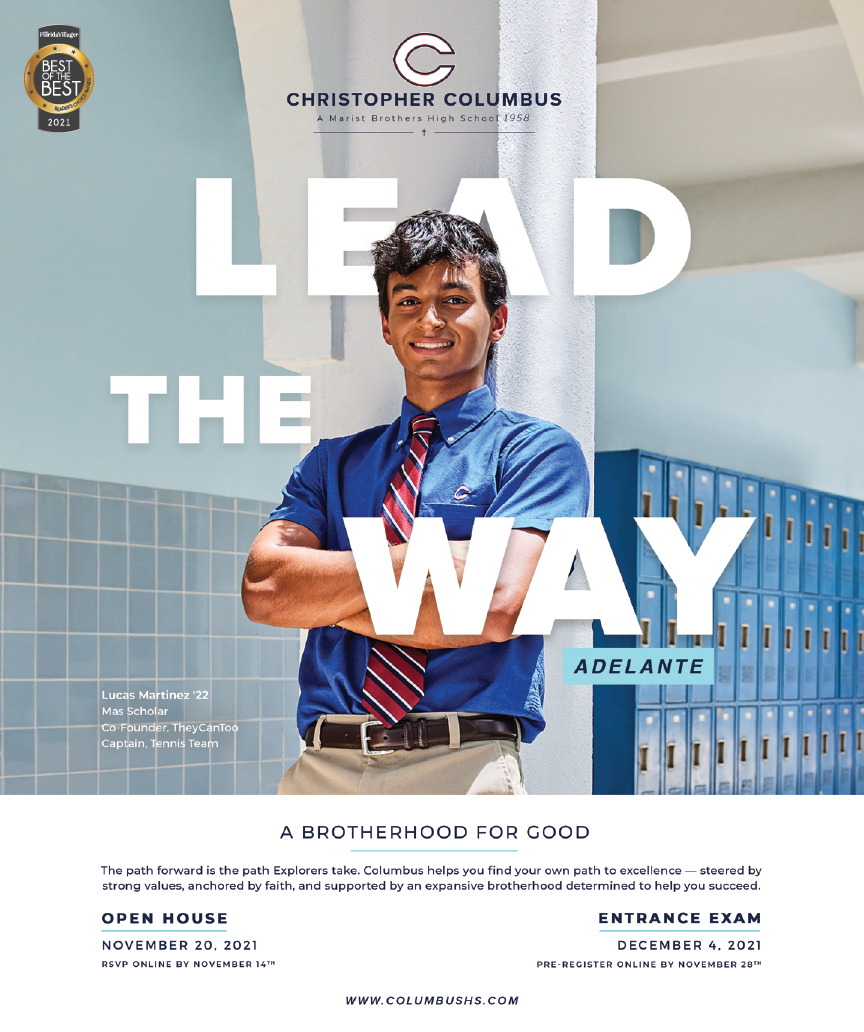
 Pineview Preschools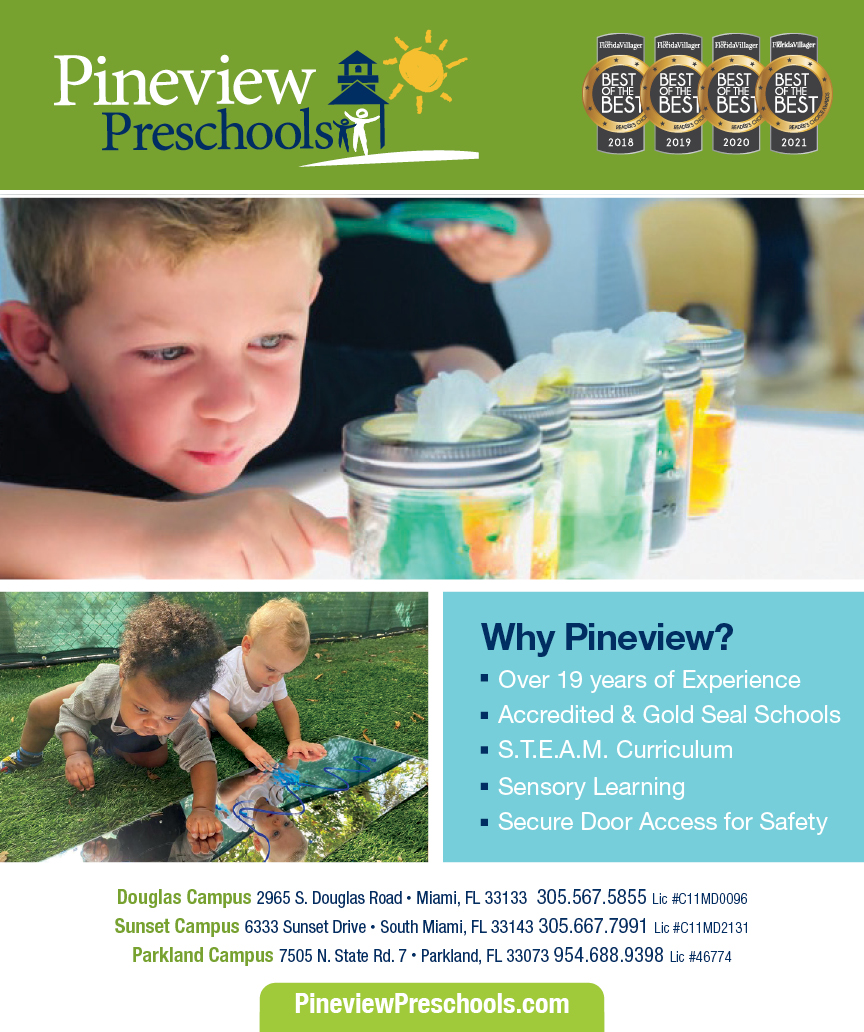
 Westminster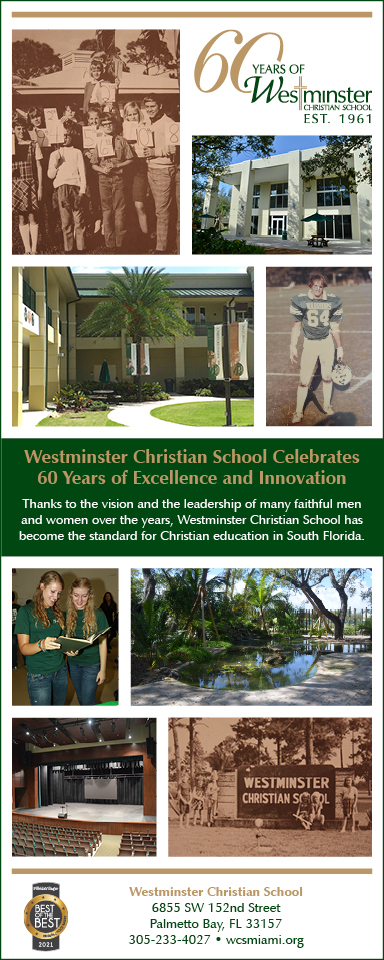
 Carrollton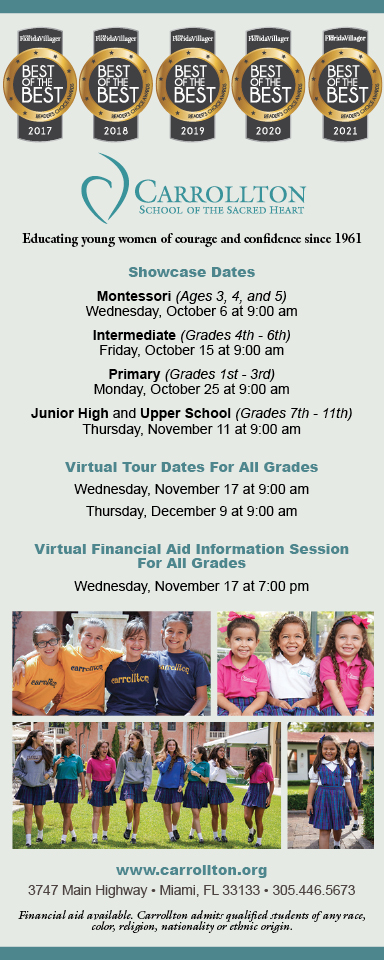
 Lil’ Jungle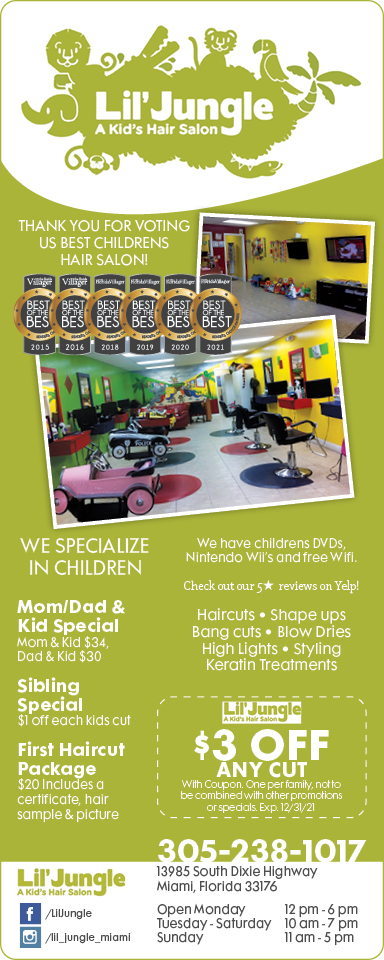
 Frost Science Museum
 Palmer Trinity School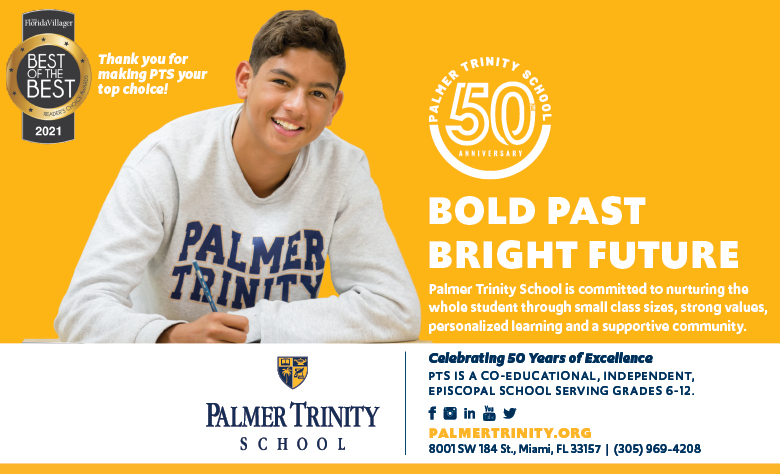
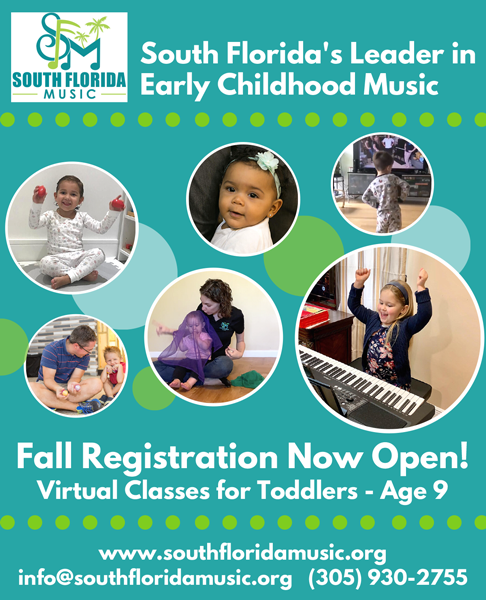
 South Florida Music
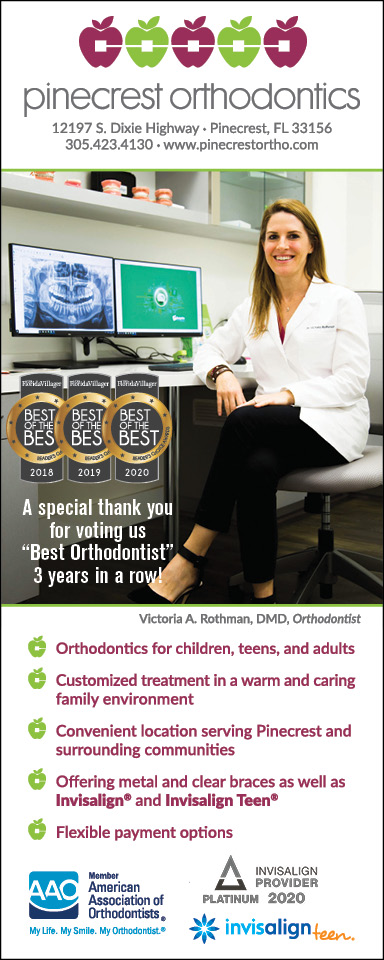
 Pinecrest Orthodontics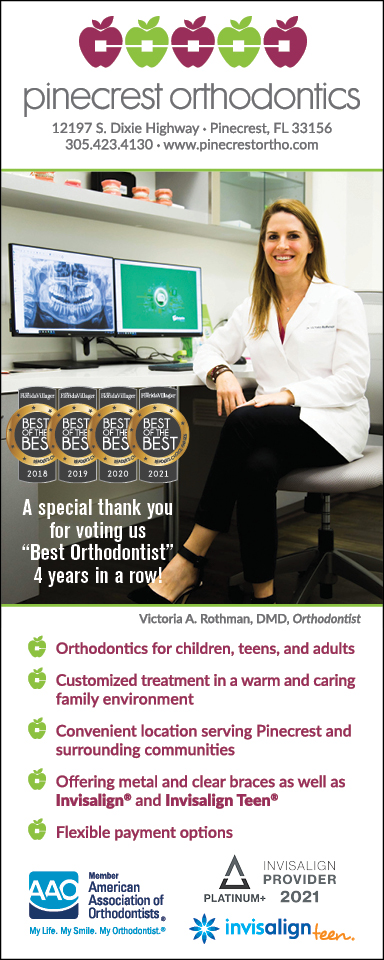
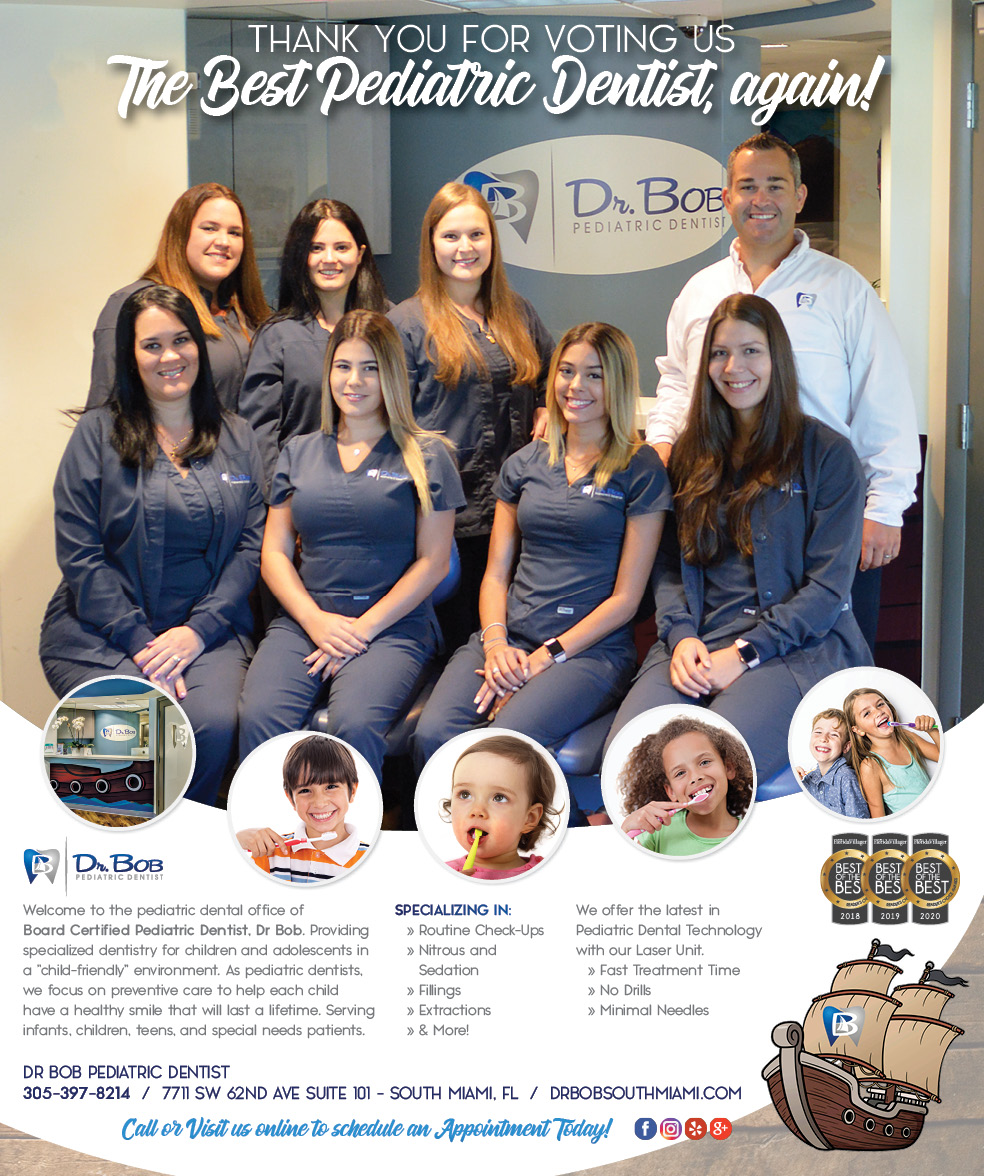
 Dr. Bob Pediatric Dentist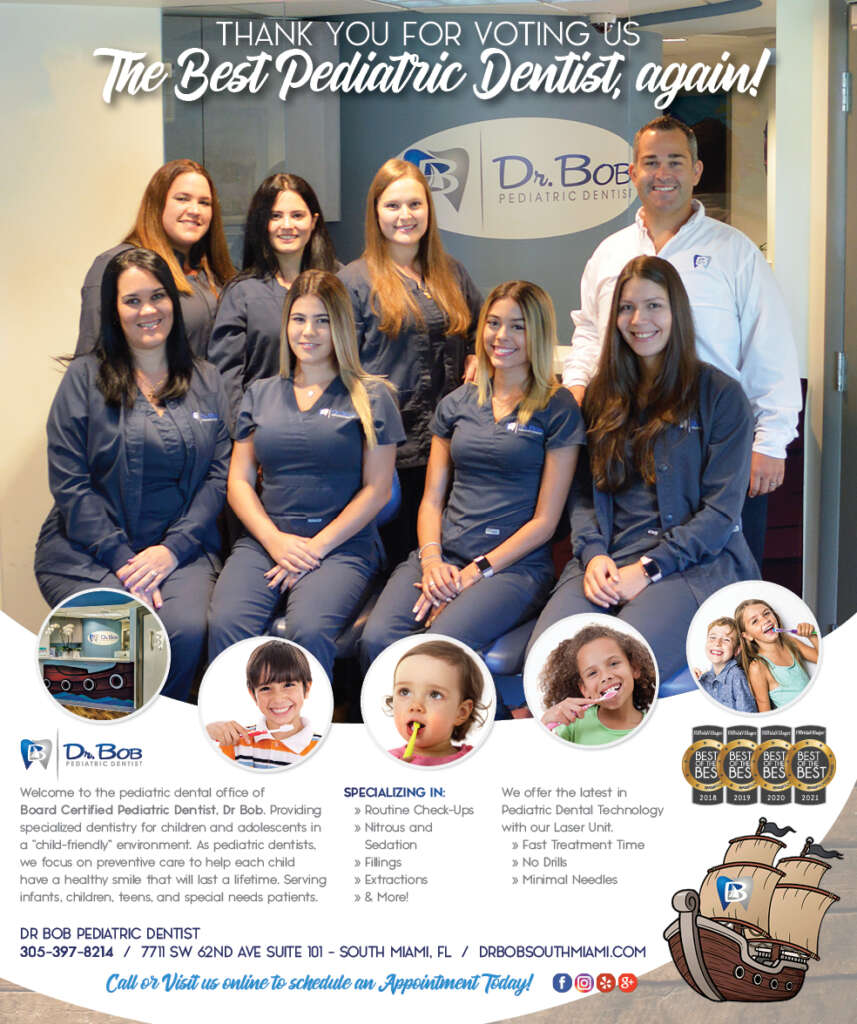
 d.pediatrics

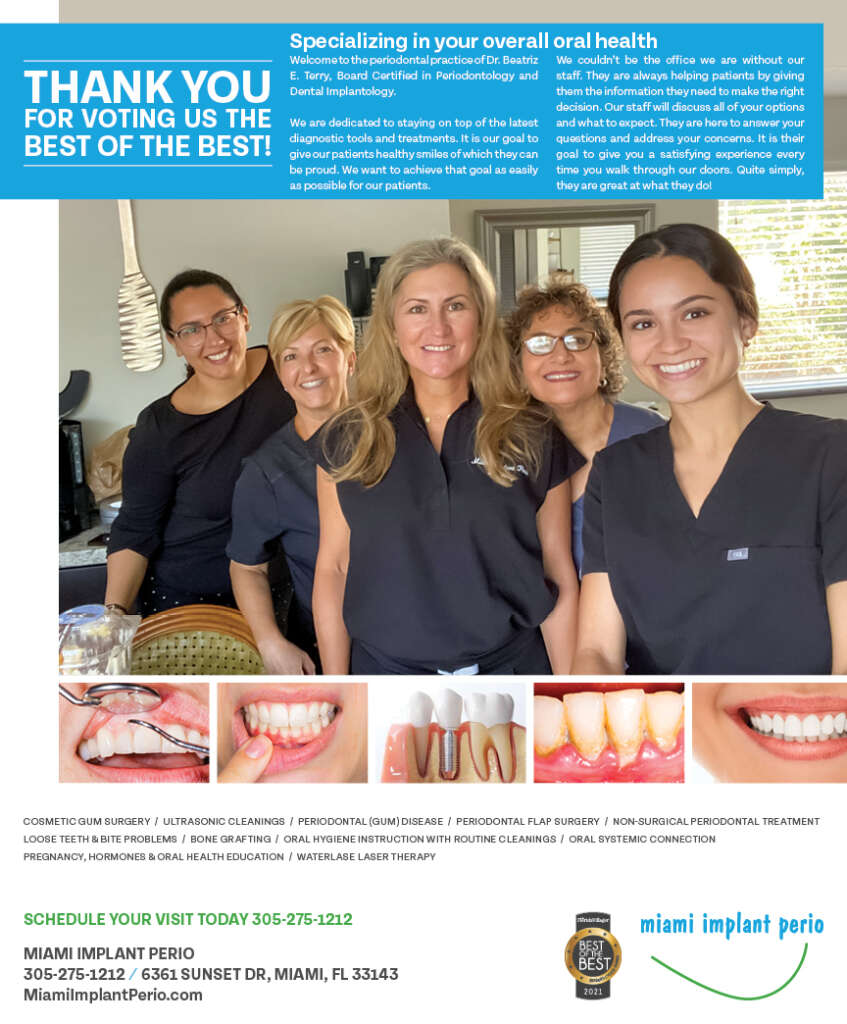
 South Miami Women’s Health
 Endodontix Dental Group
 The Spot Barbershop
 My Derma Clinic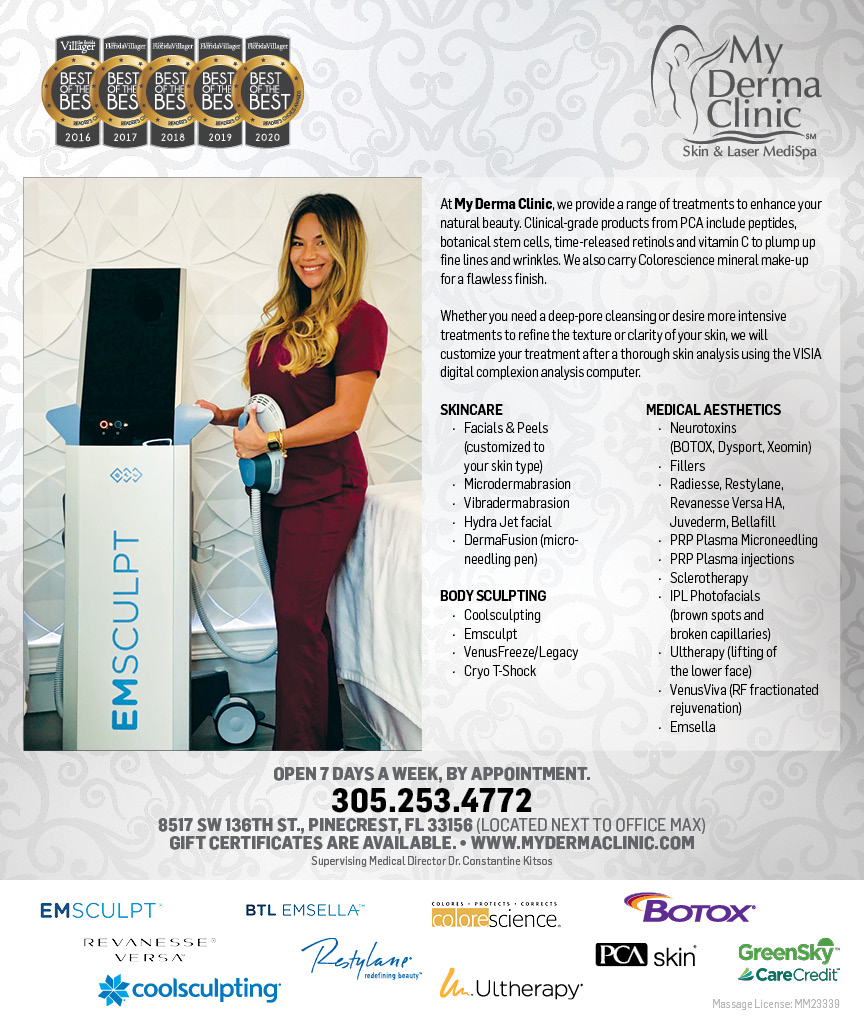
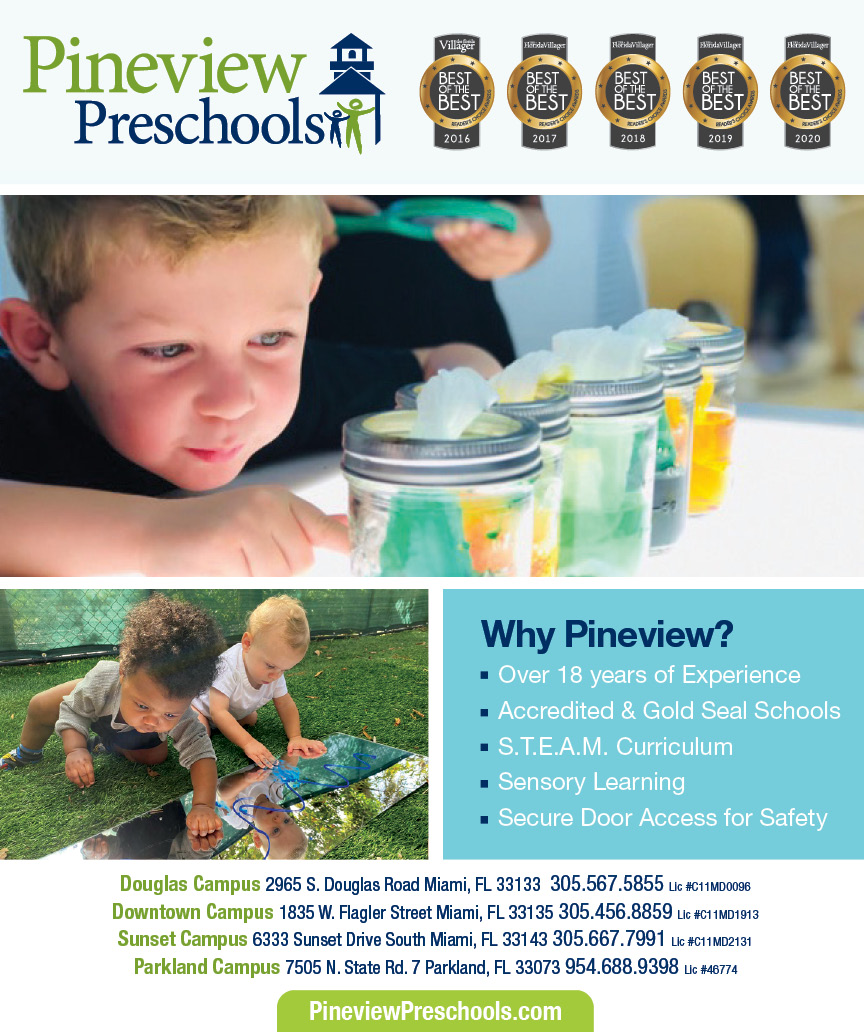


 Miami Dance Project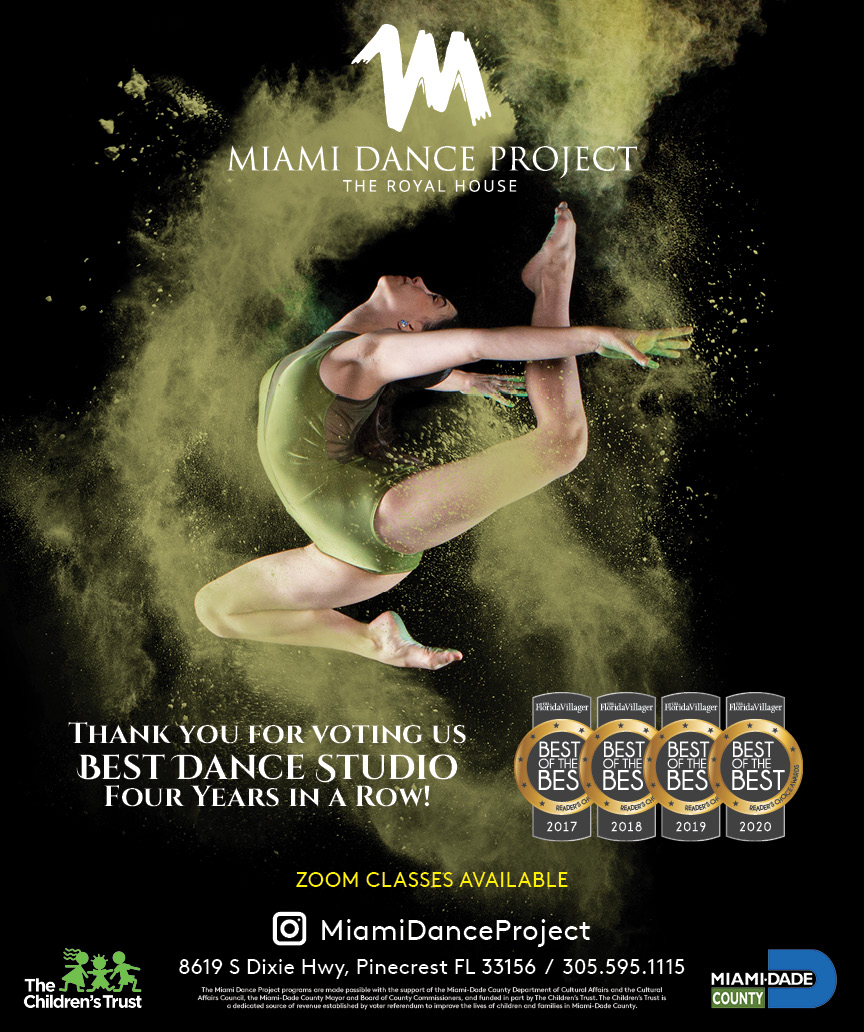
 Rubinstein Family Chiropractic
 Indigo Republic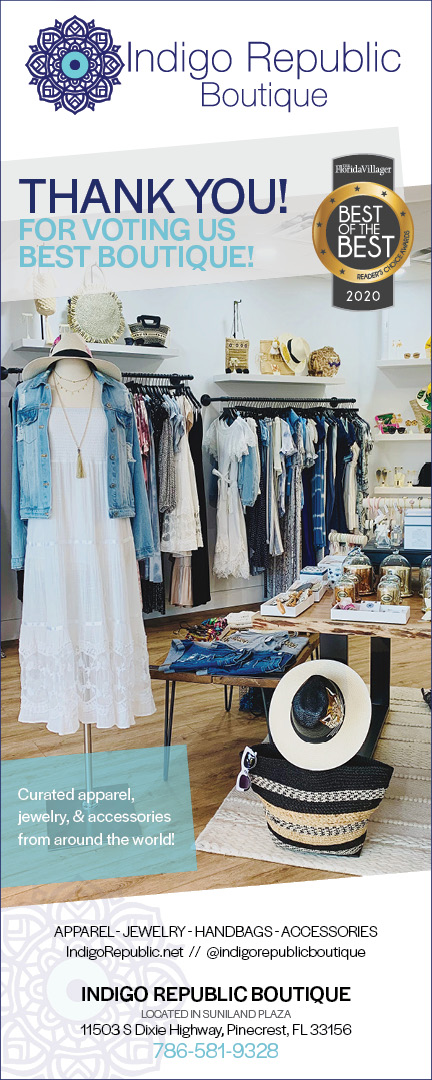

 Safes Universe
 Vintage Liquors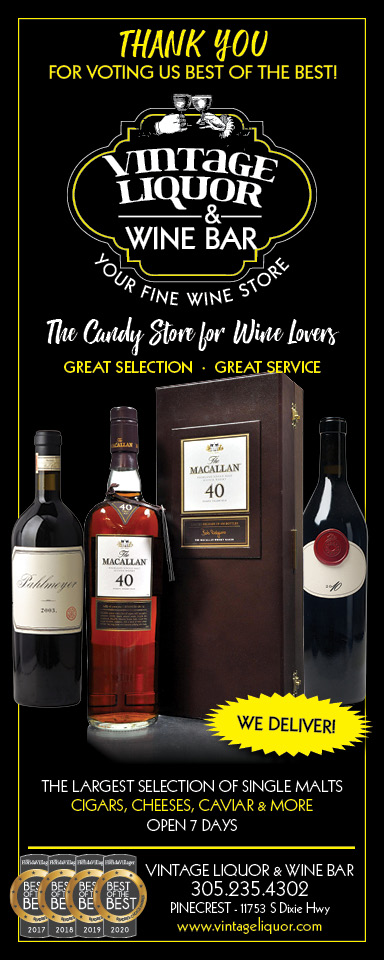
 Evenings Delight



 Atchana’s Homegrown Thai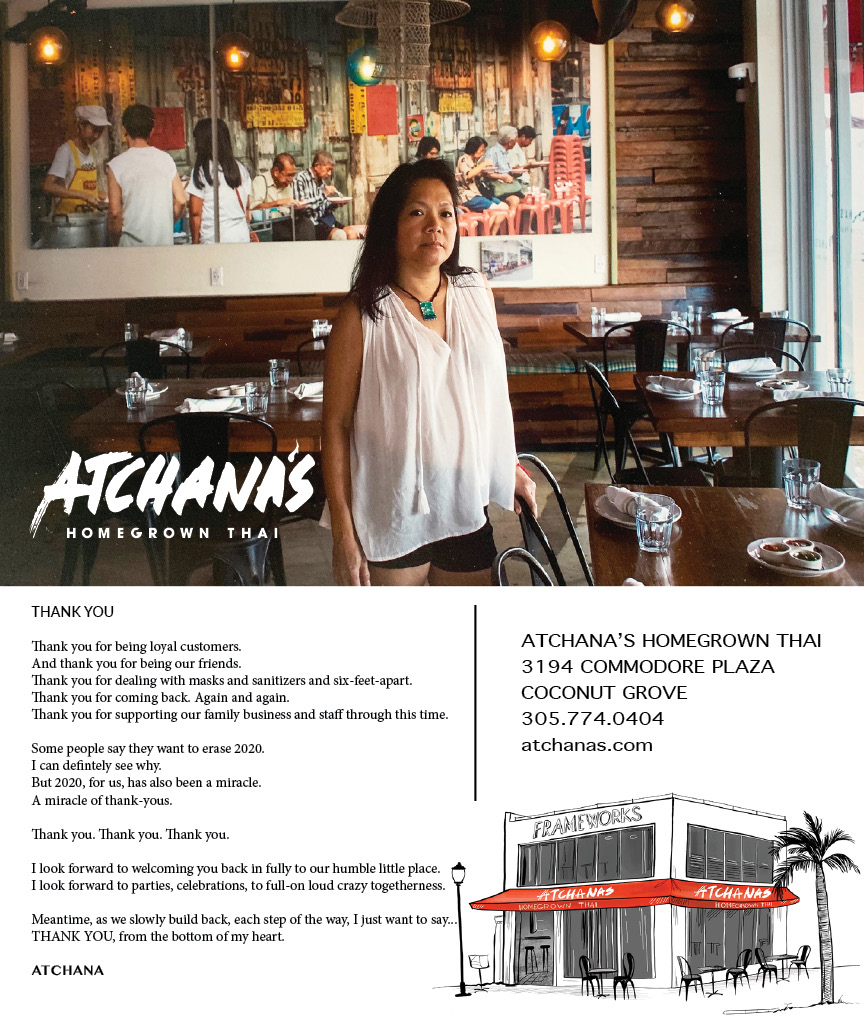
 Baptist Health South Florida

 Laser Eye Center of Miami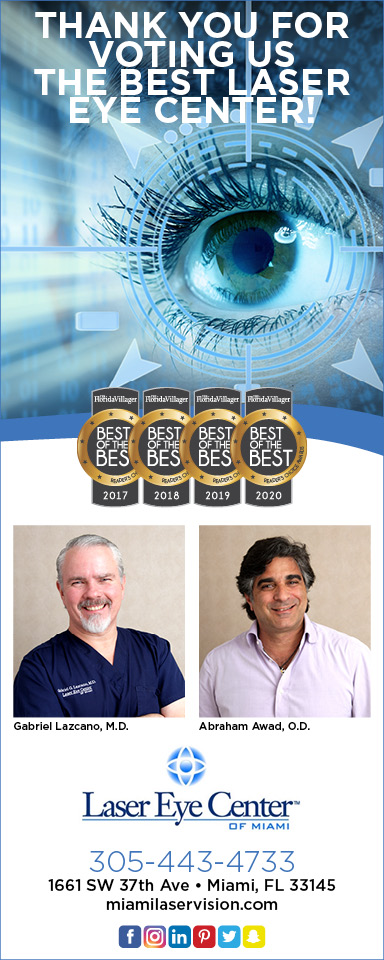
 Visiting Angels
 OpusCare of South Florida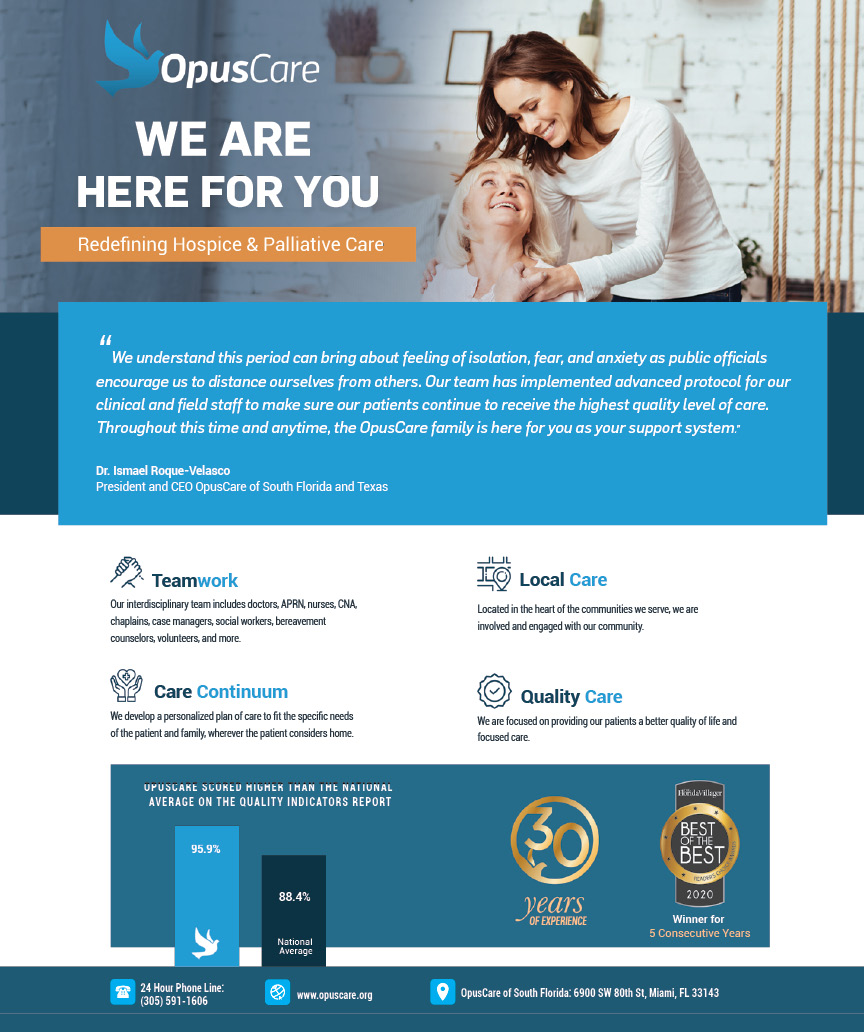



 Your Pet’s Best

 HD Tree Services
 Hamilton Fox & Company

 Creative Design Services