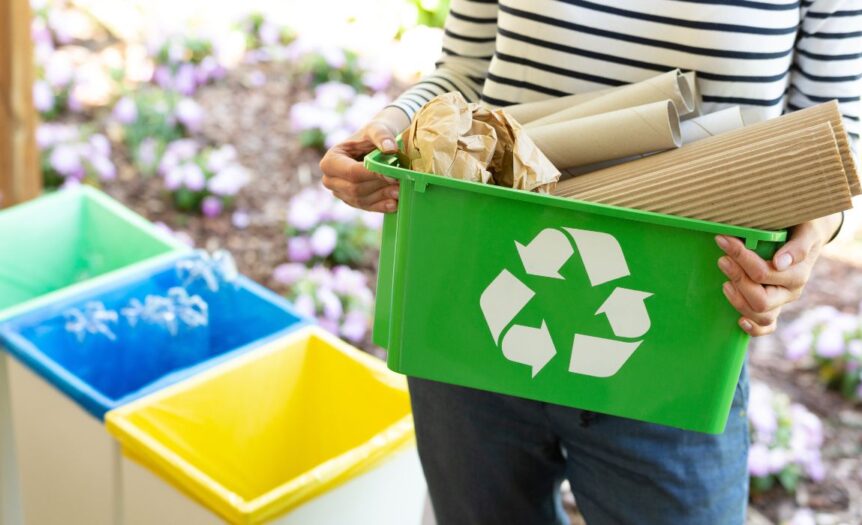
Carolina’s mountains, forests, and coastlines draw millions of outdoor enthusiasts every year, whether you’re hiking the Blue Ridge Parkway or kayaking the Outer Banks. However, every plastic bottle left in a landfill threatens the very landscapes we love to explore.
Recycling offers one of the most accessible ways to protect these precious environments. When you recycle properly, you reduce the demand for raw materials, cut down on pollution, and preserve the natural areas where you hike, fish, and camp. This guide reveals practical recycling strategies that directly benefit Carolina’s ecosystems while making your outdoor adventures more sustainable.
How Recycling Reduces Landfill Impact on Local Ecosystems
Landfills create serious problems for Carolina’s wildlife and water systems. When waste accumulates in these sites, it produces methane gas and toxic leachate that can contaminate groundwater. This pollution eventually reaches the streams and rivers where you fish and the forests where you hike.
Recycling dramatically reduces the volume of waste heading to landfills. Every ton of recycled paper saves approximately 3.3 cubic yards of landfill space. That might sound abstract, but consider this: less landfill expansion means more natural habitat remains untouched for the wildlife you encounter on your outdoor adventures.
Many recycling programs in North and South Carolina have expanded significantly in recent years. Charlotte’s recycling program diverts over 30,000 tons of material from landfills annually. Meanwhile, Asheville has implemented comprehensive recycling initiatives that serve both residents and the millions of tourists who visit the Blue Ridge Mountains each year.
Paper Recycling Preserves Forest Habitats
Carolina’s forests provide habitat for black bears, wild turkeys, and countless bird species. They also offer hiking trails and camping spots that make outdoor recreation possible. Paper recycling directly reduces the pressure on these forest ecosystems.
Manufacturing recycled paper requires 60 percent less energy than creating new paper from trees. More importantly, recycling one ton of paper saves approximately 17 trees. Those trees can remain in the forest, providing oxygen, preventing soil erosion, and maintaining the habitat that makes your wildlife viewing experiences possible.
The paper recycling process starts with collection and sorting. Most Carolina municipalities accept newspapers, magazines, office paper, and cardboard through curbside programs. Clean paper materials work best for recycling, so remove any plastic components like spiral bindings or laminated covers before placing items in your recycling bin.
Plastic Recycling Prevents Ocean and Stream Pollution
Carolina’s waterways flow from the mountains to the Atlantic Ocean, creating a connected system that supports both freshwater and marine ecosystems. Plastic waste threatens this entire network, from mountain streams to coastal waters.
Plastic takes hundreds of years to decompose naturally. During this time, it breaks down into microplastics that fish and other aquatic animals mistake for food. These contaminated fish eventually end up in the food chain, affecting both wildlife and human health.
When you organize your plastics for recycling, you prevent this contamination cycle. Check the recycling codes on plastic containers and follow your local guidelines. Most Carolina communities accept plastics marked with codes 1 and 2, which include water bottles, soda bottles, and milk jugs.
Proper plastic recycling requires clean containers. Rinse food residue from containers before recycling them. Remove caps and lids if your local program requires it, though many newer facilities can process bottles with caps attached.
Metal Recycling Reduces Mining Damage
Mining operations destroy habitats and create pollution. Thankfully, aluminum and steel recycling significantly reduces the need for new mining activities.
Aluminum recycling proves particularly effective because we can recycle the metal indefinitely without it losing its quality. Recycling aluminum cans uses 95 percent less energy than producing new aluminum from bauxite ore. This energy savings translates directly into reduced air pollution and habitat destruction.
Steel recycling also provides substantial environmental benefits. Every ton of recycled steel saves 2,500 pounds of iron ore, 1,400 pounds of coal, and 120 pounds of limestone. These materials would otherwise require mining operations that damage ecosystems and create pollution.
Carolina residents can recycle metal cans, foil, and other metal products through most municipal programs. Clean metal items work best for recycling, so rinse food containers and remove paper labels when possible.
Electronic Waste Recycling Prevents Toxic Contamination
Electronic devices contain valuable metals like gold, silver, and copper, but they also contain toxic materials that can contaminate soil and water. Proper e-waste recycling recovers valuable materials while preventing environmental damage.
Many Carolina retailers and municipalities offer e-waste recycling programs. Best Buy accepts various electronics regardless of where you purchased them. Local municipalities often hold e-waste collection events, particularly in areas with high outdoor recreation tourism.
Before recycling electronics, remove all personal data and batteries. Many devices require special handling due to their toxic components, so don’t place them in regular recycling bins.
Composting Organic Waste Enriches Soil Systems
Organic waste like food scraps and yard trimmings can become valuable compost that enriches soil in gardens and natural areas. Composting diverts organic matter from landfills while creating a beneficial soil amendment.
Additionally, it reduces methane emissions from landfills because organic materials decompose aerobically rather than anaerobically. This process produces carbon dioxide instead of methane, which has a much lower greenhouse gas impact.
Many Carolina communities offer composting programs or provide resources for home composting. Asheville’s composting program accepts food scraps and yard waste, turning them into compost that residents can use in their gardens.
Battery Recycling Prevents Heavy Metal Contamination
Batteries contain heavy metals that can contaminate soil and water if disposed of improperly. Battery recycling programs safely extract valuable metals while preventing environmental contamination. Most Carolina communities offer battery recycling through retail locations or special collection events.
Different battery types require different recycling approaches. Alkaline batteries can often go in regular trash in small quantities, but rechargeable batteries require special recycling programs. Car batteries contain lead and acid that make them particularly hazardous if disposed of improperly.
Building Sustainable Outdoor Recreation Habits
Recycling represents just one aspect of sustainable outdoor recreation. Combine recycling habits with other environmental practices to maximize your positive impact on Carolina’s natural areas.
Leave No Trace principles complement recycling efforts by minimizing your impact during outdoor activities. Pack out all trash, including recyclable materials, and dispose of them properly when you return home.
Consider the entire lifecycle of products you use for outdoor recreation, and choose durable gear that lasts longer and creates less waste. When equipment reaches the end of its useful life, look for recycling options or ways to repurpose it.
Protecting Carolina’s Natural Heritage Through Action
Carolina’s natural beauty depends on the choices we make every day. Recycling offers a practical way to reduce your environmental impact while preserving the landscapes that make outdoor recreation possible.
Start with one or two recycling practices and gradually expand your efforts. Focus on the materials you use most frequently, whether that’s aluminum cans from camping trips or plastic bottles from hiking adventures.
Connect with local recycling programs to understand what materials they accept and how to prepare them properly. Many programs offer resources and education to help you maximize your recycling impact.
Your recycling efforts contribute to a larger movement protecting Carolina’s natural heritage. Every bottle recycled and every can properly disposed of preserves the mountains, forests, and coastlines that define outdoor recreation in the Carolinas.








 Deering Estate
 Massage Envy South Miami
 Calla Blow Dry
 My Derma Clinic
 Sports Grill
 The Healthy Kitchen
 Sushi Maki
 Golden Rule Seafood
 Malanga Cuban Café


 Kathleen Ballard
 Panter, Panter & Sampedro
 Vintage Liquors
 The Dog from Ipanema
 Rubinstein Family Chiropractic
 Your Pet’s Best
 Indigo Republic
 Animal Health and Rehab
 Maurice’s Jewelers
 ATR Luxury Homes


 2112 Design Studio
 Hamilton Fox & Company
 Creative Design Services
 Best Pest Professionals
 HD Tree Services
 Trinity Air Conditioning Company
 Cisca Construction & Development
 Mosquito Joe
 Cutler Bay Solar Solutions


 Miami Royal Ballet & Dance
 Christopher Columbus
 Pineview Preschools
 Westminster
 Carrollton
 Lil’ Jungle
 Frost Science Museum
 Palmer Trinity School
 South Florida Music
 Pinecrest Orthodontics
 Dr. Bob Pediatric Dentist
 d.pediatrics


 South Miami Women’s Health
 Endodontix Dental Group
 The Spot Barbershop
 My Derma Clinic




 Miami Dance Project

 Rubinstein Family Chiropractic
 Indigo Republic

 Safes Universe
 Vintage Liquors
 Evenings Delight





 Atchana’s Homegrown Thai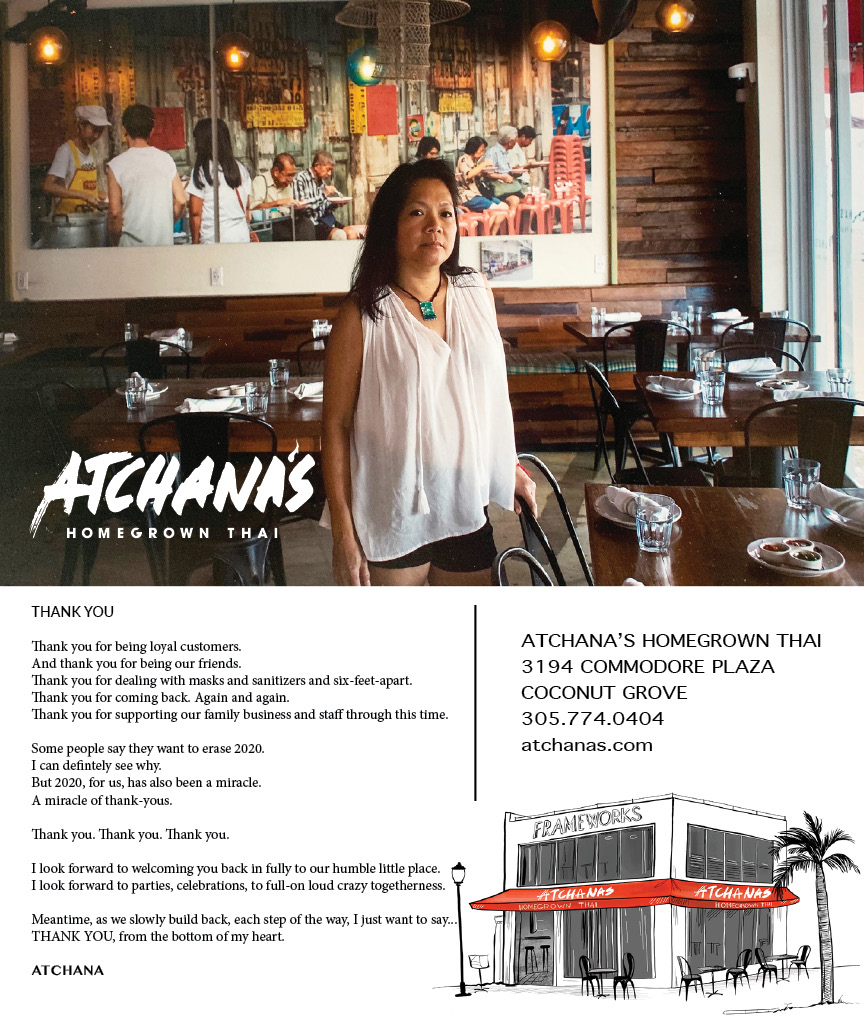
 Baptist Health South Florida

 Laser Eye Center of Miami
 Visiting Angels
 OpusCare of South Florida



 Your Pet’s Best

 HD Tree Services
 Hamilton Fox & Company

 Creative Design Services