CNC machining has become a vital technology in manufacturing, enhancing efficiency and accuracy across various industries. For beginners, understanding CNC machining might seem daunting, but getting familiar with its fundamentals can open the door to a fascinating and rewarding field. This guide provides a look at the basics of CNC machining, equipping you with the knowledge you need to get started.
What Is CNC Machining?
CNC, or computer numerical control, machining is a manufacturing process where computers control machine tools to produce precise parts. Whether it’s cutting, milling, or turning, CNC machining enables high levels of accuracy that are challenging to achieve manually. Its applications range from automobile and aerospace parts to consumer electronics and medical devices, making it essential for modern manufacturing.
Different Types
Before jumping into machining, you’ll need to understand the types of machines involved. Common CNC machines include lathes, mills, routers, and grinders. Each machine serves a unique purpose, such as cutting, drilling, or shaping materials like metal and plastic. CNC lathes rotate the material against cutting tools, while CNC mills guide tools to remove material from stationary objects. Routers, on the other hand, excel at crafting precise designs, including those on softer materials.
Key Components
CNC machines comprise several essential components that work together. The controller serves as the “brain,” sending programmed instructions to the motors, which move the cutting tools accordingly. Spindles hold the tools, and the linear guides aid movement along specific directions (X, Y, and Z axes). The work table supports the material as the tool operates. Each of these parts plays a crucial role in creating precise outputs.
CNC Machining Process
The CNC machining process starts with CAD software, where engineers design the part. After designing, CAM software converts the design into codes that the CNC machine can follow. Operators load the material onto the machine, set the parameters, and begin the automated process. Each step requires accuracy and familiarity with the tool, thereby minimizing errors during production.
Basic Programming
Learning the basics of CNC programming equips you to communicate with machines effectively. G-code often serves as the standard programming language for CNC operations. It controls functions such as speed, movement, and cutting depth. Beginners may find it helpful to practice using simulation software before inputting actual commands into a machine.
Common Materials Used
CNC machining supports a wide variety of materials, making it adaptable to different industries. Popular materials include metals like aluminum, steel, and titanium, as well as non-metals like wood, plastic, and composites. Each material has its characteristics, and understanding the tolerances of CNC machining is crucial when working with materials to achieve the desired precision.
Core Applications
CNC machining finds use in countless fields, providing customized parts that meet unique needs. Engineers in automotive manufacturing rely on CNC machines for producing engine components, while those in aerospace use them for creating aircraft parts that require high dimensional accuracy. Additionally, the medical field benefits from the customized implants and surgical instruments that CNC machining produces.
Safety Measures
Safety rules play an essential role in CNC machining. Always wear appropriate personal protective equipment, such as safety glasses and gloves. Keep a close watch on the operation to avoid unexpected machine errors. Proper training on handling and maintenance is vital to minimize risks and maintain a safe work environment while using CNC equipment.
CNC machining offers incredible potential for beginners who take the time to understand its core concepts and applications. Explore the resources available, practice your skills, and unlock the vast possibilities of CNC machining!








 Deering Estate
 Massage Envy South Miami
 Calla Blow Dry
 My Derma Clinic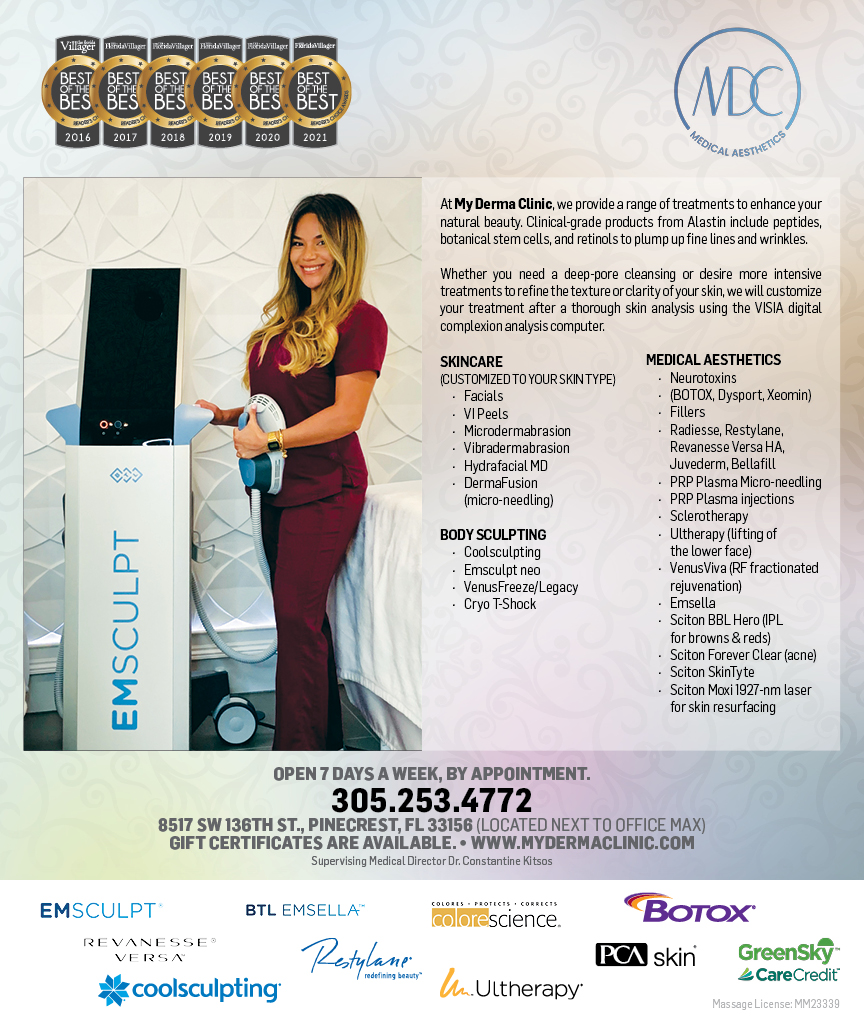
 Sports Grill
 The Healthy Kitchen
 Sushi Maki
 Golden Rule Seafood
 Malanga Cuban Café


 Kathleen Ballard
 Panter, Panter & Sampedro
 Vintage Liquors
 The Dog from Ipanema
 Rubinstein Family Chiropractic
 Your Pet’s Best
 Indigo Republic
 Animal Health and Rehab
 Maurice’s Jewelers
 ATR Luxury Homes

 2112 Design Studio
 Hamilton Fox & Company
 Creative Design Services
 Best Pest Professionals
 HD Tree Services
 Trinity Air Conditioning Company
 Cisca Construction & Development
 Mosquito Joe
 Cutler Bay Solar Solutions


 Miami Royal Ballet & Dance
 Christopher Columbus
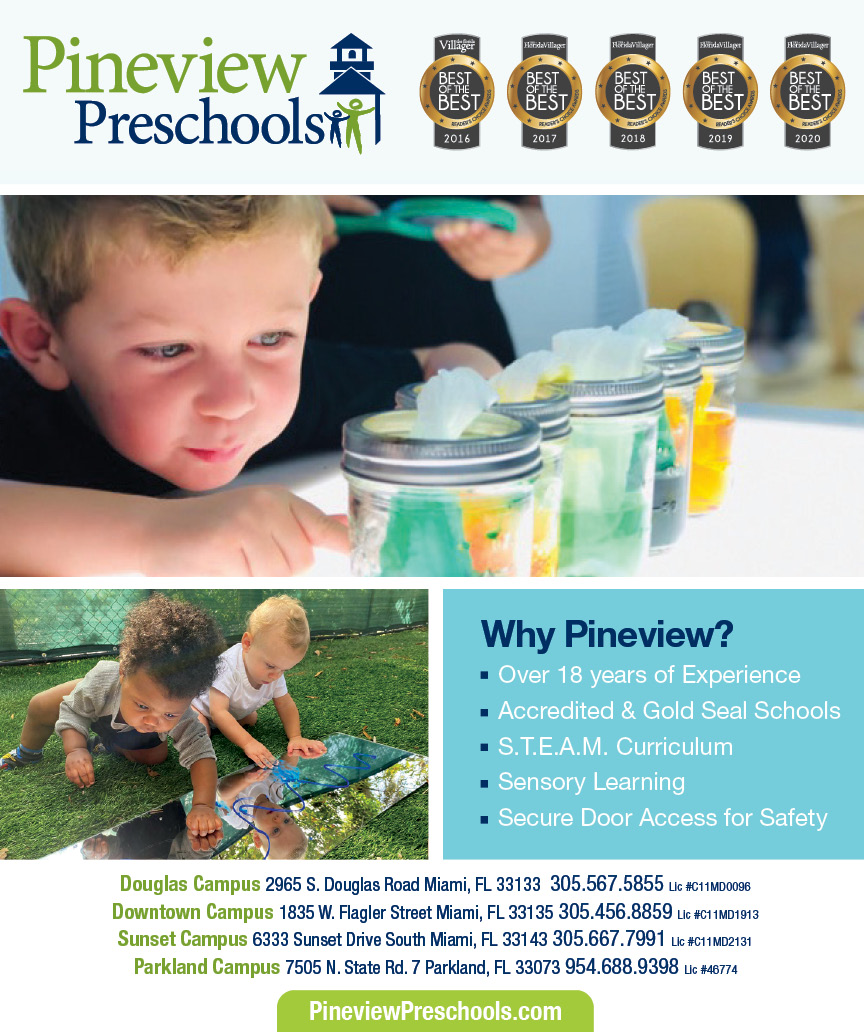
 Pineview Preschools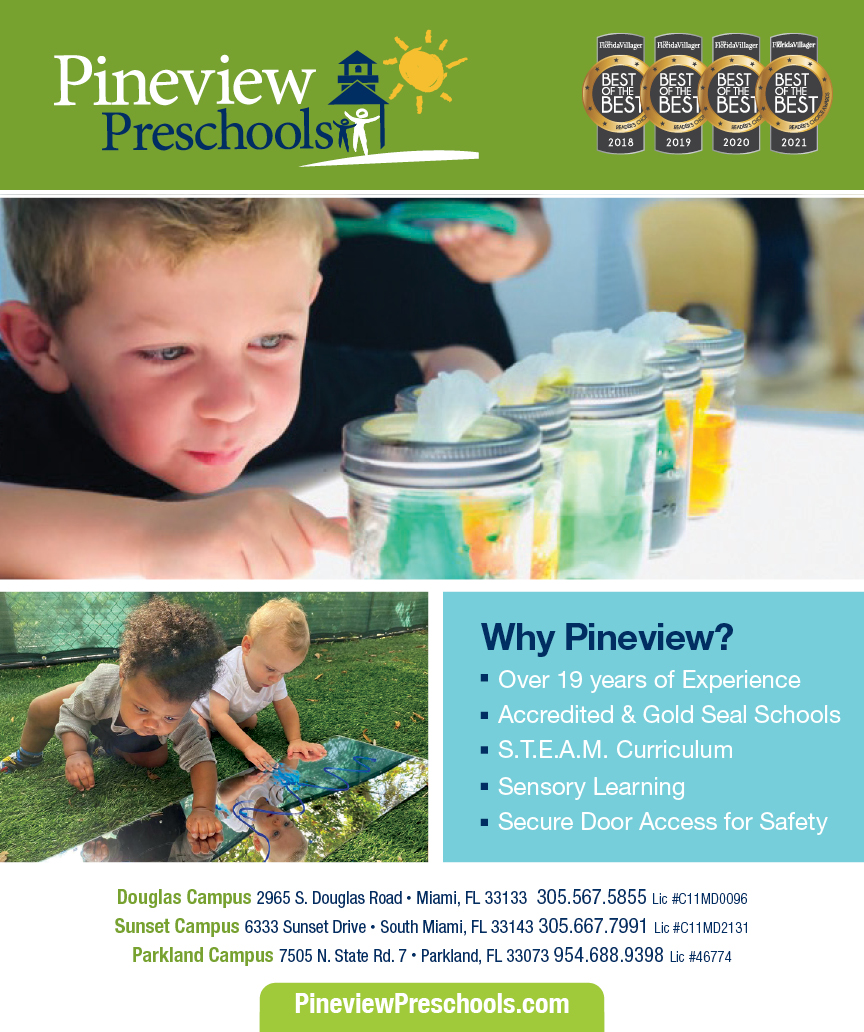
 Westminster
 Carrollton
 Lil’ Jungle
 Frost Science Museum
 Palmer Trinity School
 South Florida Music
 Pinecrest Orthodontics
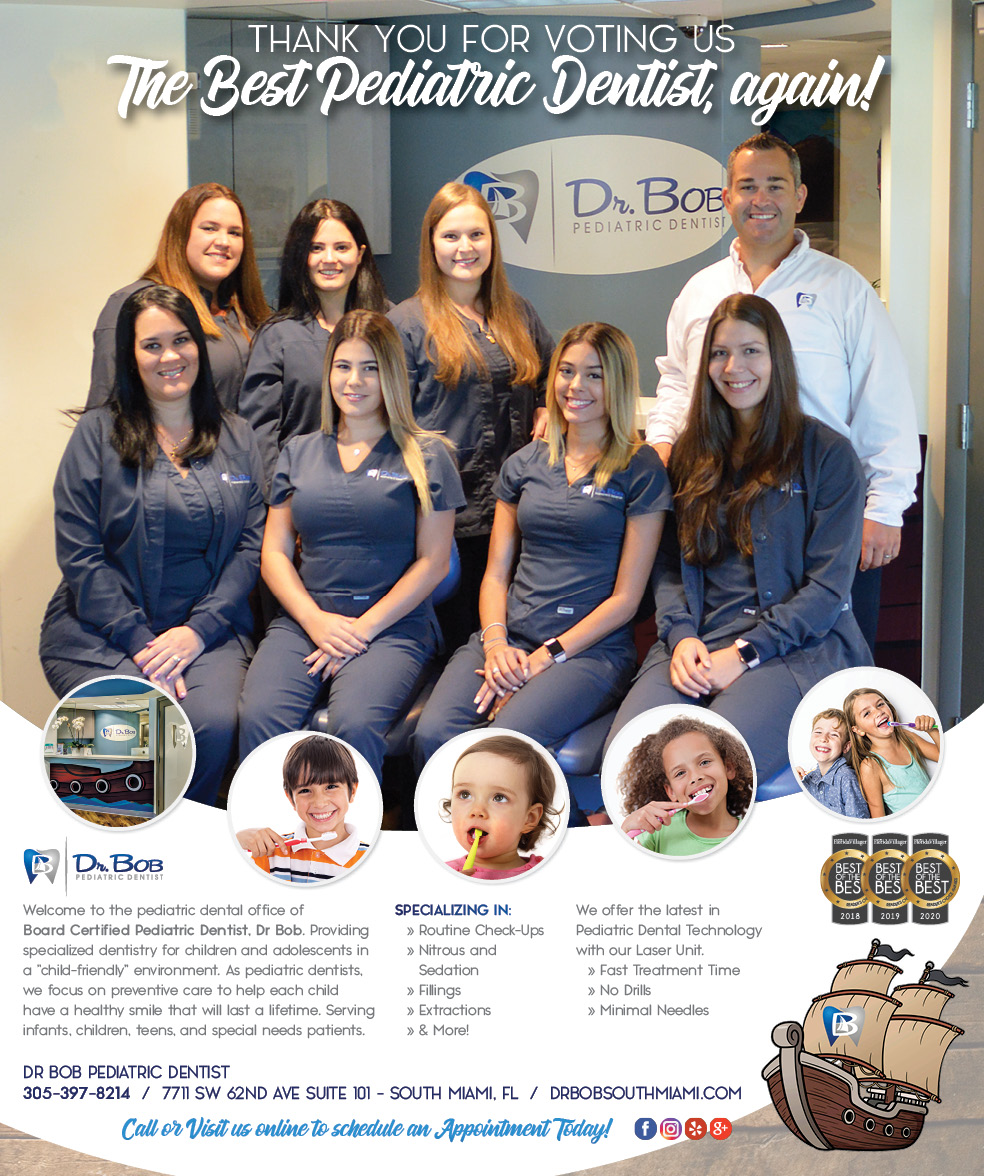
 Dr. Bob Pediatric Dentist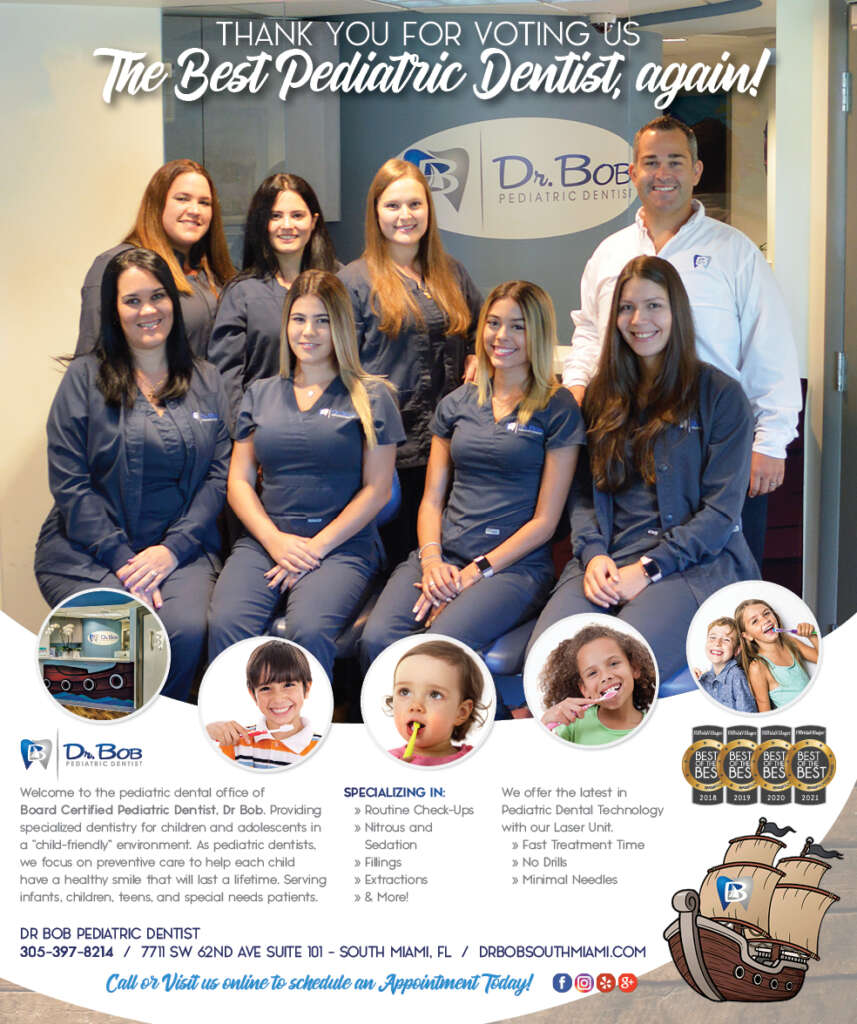
 d.pediatrics


 South Miami Women’s Health
 Endodontix Dental Group
 The Spot Barbershop
 My Derma Clinic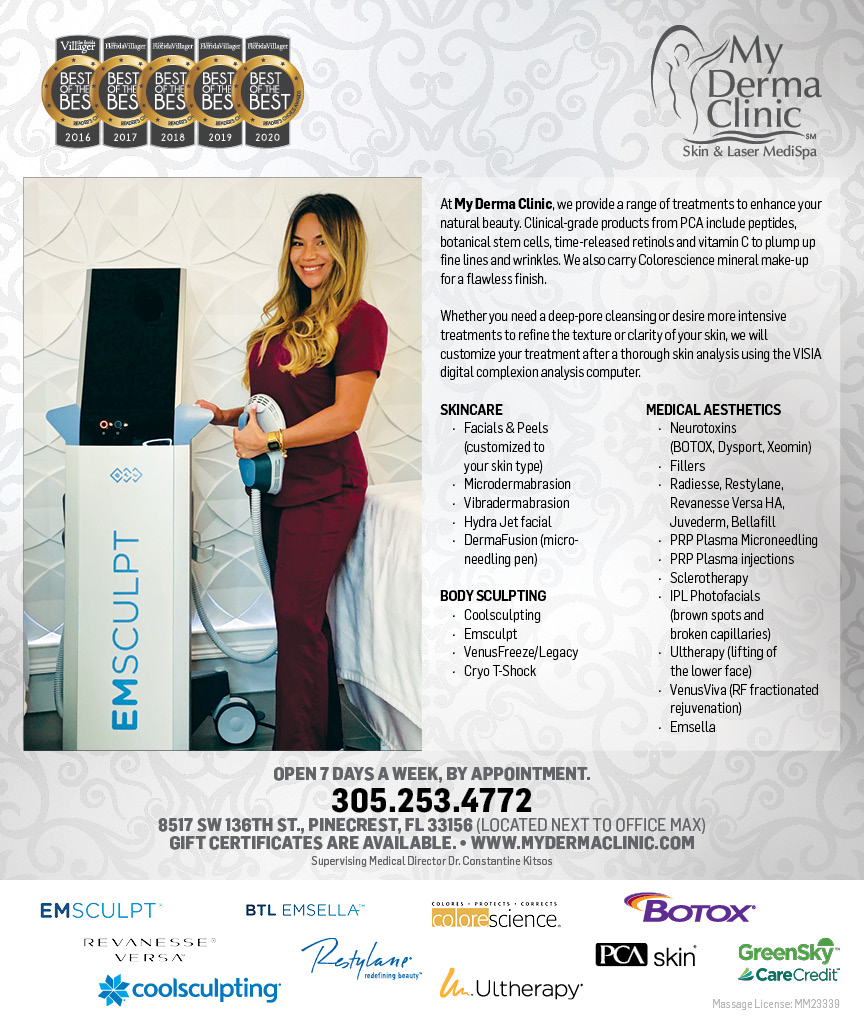



 Miami Dance Project
 Rubinstein Family Chiropractic
 Indigo Republic

 Safes Universe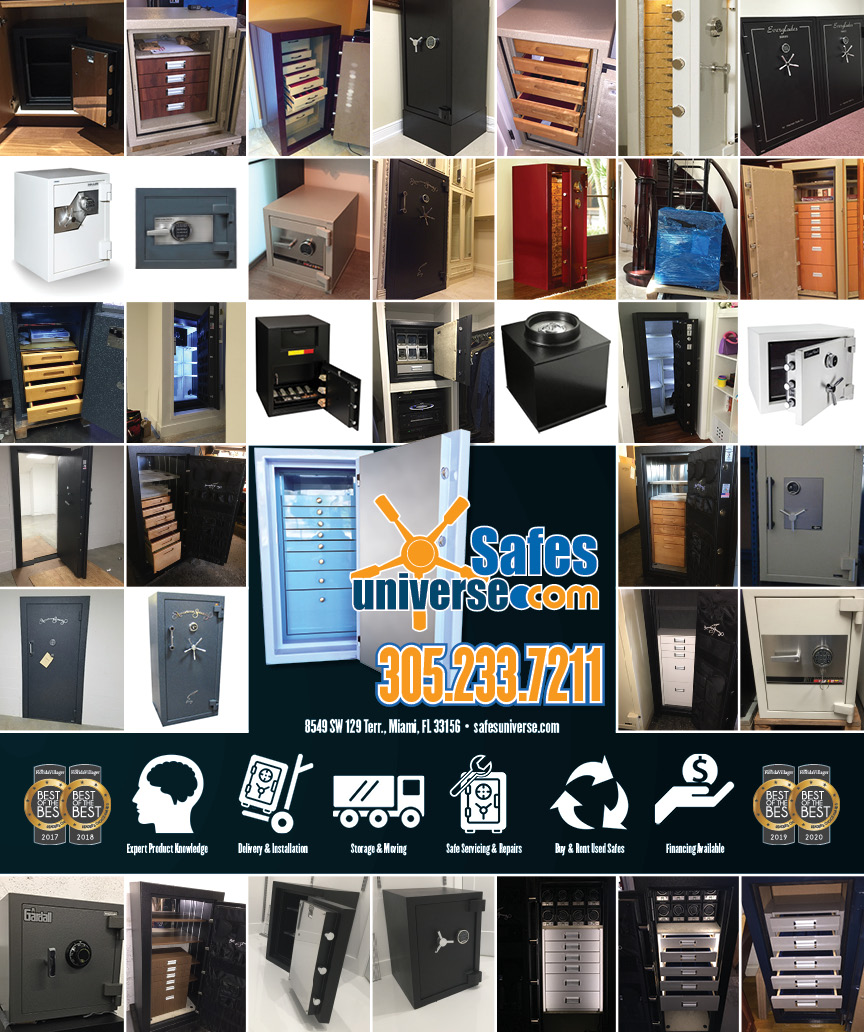
 Vintage Liquors
 Evenings Delight





 Atchana’s Homegrown Thai
 Baptist Health South Florida

 Laser Eye Center of Miami
 Visiting Angels
 OpusCare of South Florida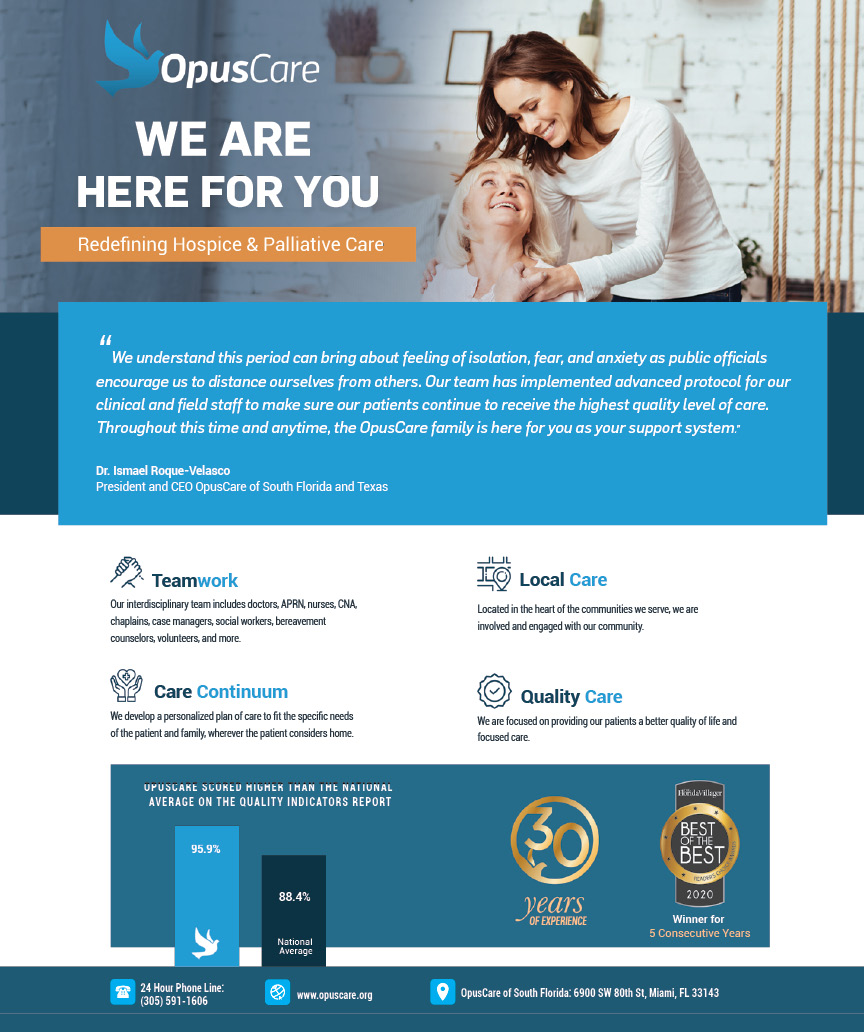



 Your Pet’s Best

 HD Tree Services
 Hamilton Fox & Company

 Creative Design Services