
A long drive offers something increasingly difficult to find in everyday life: uninterrupted time to think. Between work schedules, school activities, and household responsibilities, families rarely enjoy extended periods without competing demands. Yet explaining why road trips often inspire spiritual reflection becomes easier to understand when familiar routines give way to open highways and changing scenery. Whether traveling across Florida or exploring another part of the country, the journey can create opportunities for gratitude, prayer, and meaningful family conversations.
The Value of Slowing Down
Modern life encourages people to move quickly between responsibilities, leaving little room for thoughtful reflection. Road trips naturally interrupt that pattern by replacing constant activity with stretches of relatively quiet travel. Passengers can observe their surroundings, consider personal priorities, and enjoy conversations that daily routines often discourage. These quieter moments sometimes reveal concerns or aspirations that deserve more attention.
Travel also introduces a different relationship with time, particularly when families avoid overly demanding itineraries. Instead of rushing between appointments, travelers can appreciate the experience of simply moving toward a destination. This change of pace may encourage individuals to reconsider what matters most in their lives. For religious families, those thoughts can develop into deeper consideration of faith and personal values.
Finding Meaning in Changing Landscapes
Natural scenery often encourages reflection because it draws attention beyond immediate responsibilities. Florida travelers might experience this while driving through the Everglades, following coastal highways, or passing peaceful stretches of countryside. Mountains, forests, and expansive skies elsewhere in the country can inspire similar feelings of wonder. These experiences invite travelers to appreciate the natural world without requiring elaborate activities.
For people who practice a religious faith, beautiful landscapes may reinforce feelings of gratitude toward creation. Others may simply appreciate the emotional benefits of observing unfamiliar environments and spending time outdoors. Neither experience requires a particular destination or carefully planned spiritual activity. The opportunity comes from approaching the journey with curiosity and an openness to reflection.
Creating Space for Family Conversations
Families often discover that conversations unfold differently during extended drives than they do at home. Without televisions, household chores, or separate schedules competing for attention, passengers can discuss experiences more openly. Children may ask unexpected questions about religion, relationships, or the world around them. Parents can respond thoughtfully while sharing personal stories that may explain family beliefs.
These conversations don’t need to become formal lessons to hold lasting meaning. A discussion about kindness might begin after witnessing someone helping a stranded traveler. Questions about gratitude could arise when family members appreciate the opportunity to take a vacation together. Everyday observations can become valuable starting points for conversations about compassion, responsibility, and faith.
The Role of Prayer During Travel
Many religious families incorporate prayer into their travel routines as a familiar source of comfort. Some begin a journey by asking for safe travels, patience, and consideration for others on the road. Others use quiet moments to express gratitude or reflect on personal concerns. These practices can help families approach travel with a greater sense of purpose.
Catholic travelers sometimes bring small religious reminders into their vehicles as expressions of personal devotion. Rosaries, prayer cards, and religious images can provide familiar connections to faith while away from home. For example, discussions about why visor clips make perfect Catholic car accessories often emphasize their compact design and ability to keep meaningful religious imagery visible. Such accessories serve as reminders of prayer and personal beliefs rather than substitutes for attentive driving or appropriate safety precautions.
Discovering Faith Through Historical Destinations
Road trips sometimes introduce families to religious landmarks that connect faith with history and culture. Historic churches, missions, and community landmarks offer opportunities to explore how earlier generations practiced their beliefs. Visitors can appreciate architectural details while learning about the people who established these institutions. Such experiences may make religious traditions feel more tangible to younger travelers.
Florida offers several destinations with meaningful religious and historical connections, including sites in St. Augustine. Families visiting these locations can explore the region’s history while discussing the influence of religion on local communities. Historical interpretation should also acknowledge the experiences of Indigenous peoples and others affected by colonial expansion. This broader perspective encourages thoughtful learning rather than presenting history as a collection of uncomplicated achievements.
Practicing Patience Along the Way
Even carefully planned road trips include unexpected delays, crowded attractions, and occasional disagreements. These frustrations can challenge the peaceful atmosphere families hope to experience during vacation. However, difficult moments also provide opportunities to practice patience and consideration. The way travelers respond to inconvenience can reflect the values they discuss during quieter moments.
Parents can model constructive responses by communicating calmly when plans change. Children benefit from seeing adults acknowledge frustration without directing it toward others. Families might also discuss how flexibility helps everyone enjoy the journey despite imperfect circumstances. These experiences demonstrate that personal growth often develops through ordinary challenges rather than extraordinary events.
Making Reflection Part of the Journey
Families don’t need complicated schedules to incorporate meaningful reflection into their travels. Small habits can encourage thoughtful conversations without turning vacation time into another obligation. The most effective activities leave room for individual personalities and different levels of religious interest.
Simple approaches include:
- Begin travel days with a brief prayer or shared intention.
- Encourage passengers to notice something beautiful or unexpected.
- Ask children what they learned from an unfamiliar destination.
- Set aside occasional quiet periods without electronic entertainment.
- Discuss moments when someone demonstrated kindness or generosity.
- End each day by sharing something that inspired gratitude.
Bringing Meaning Home
The most valuable lessons from a road trip often become apparent after travelers return home. Families may discover that shared conversations strengthened relationships or helped them understand one another better. Individuals might recognize a desire to make more time for prayer, gratitude, or personal reflection. These realizations can influence everyday habits long after the vacation ends.
Ultimately, spiritual reflection during road trips grows from the opportunity to slow down and appreciate experiences beyond familiar routines. Scenic landscapes, meaningful conversations, and simple expressions of faith can transform ordinary travel into something more personal. Families don’t need to visit distant landmarks or follow elaborate traditions to discover these benefits. Sometimes the most meaningful part of a journey comes from the perspective travelers develop along the way.








 Deering Estate

 Massage Envy South Miami

 Calla Blow Dry

 My Derma Clinic

 Sports Grill

 The Healthy Kitchen

 Sushi Maki

 Golden Rule Seafood

 Malanga Cuban Café



 Kathleen Ballard

 Panter, Panter & Sampedro

 Vintage Liquors

 The Dog from Ipanema

 Rubinstein Family Chiropractic

 Your Pet’s Best

 Indigo Republic

 Animal Health and Rehab

 Maurice’s Jewelers

 ATR Luxury Homes



 2112 Design Studio

 Hamilton Fox & Company

 Creative Design Services

 Best Pest Professionals

 HD Tree Services

 Trinity Air Conditioning Company

 Cisca Construction & Development

 Mosquito Joe

 Cutler Bay Solar Solutions



 Miami Royal Ballet & Dance

 Christopher Columbus
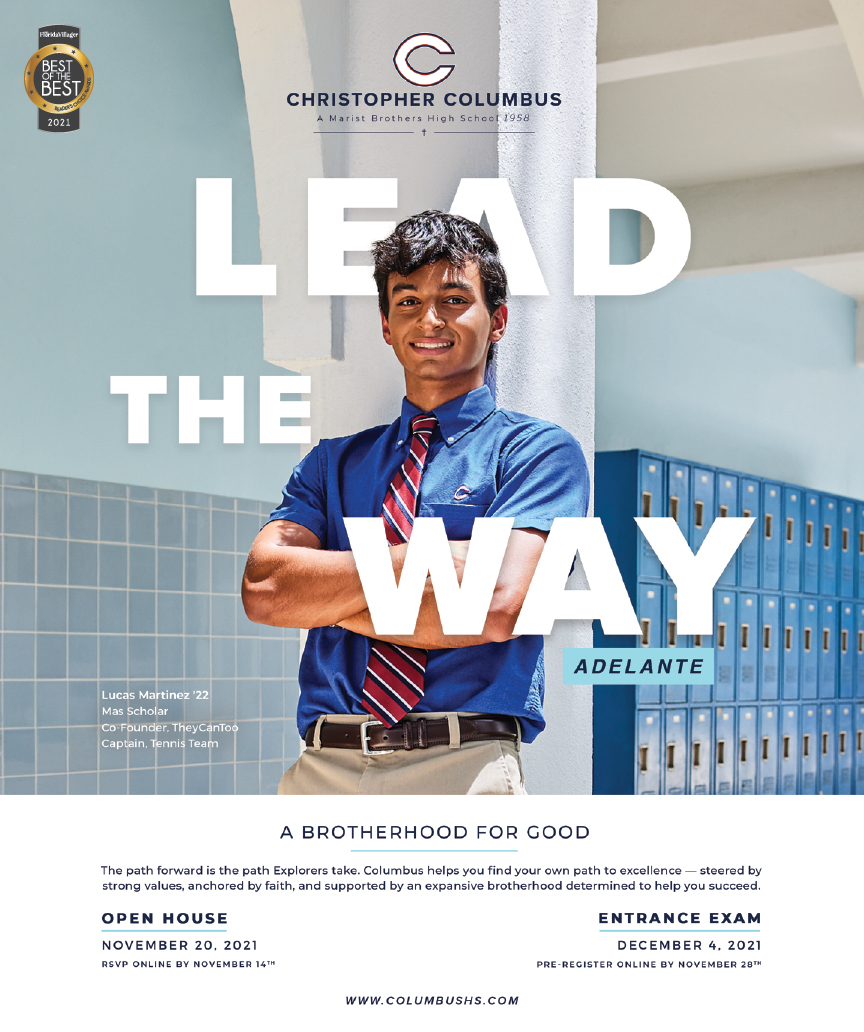
 Pineview Preschools

 Westminster
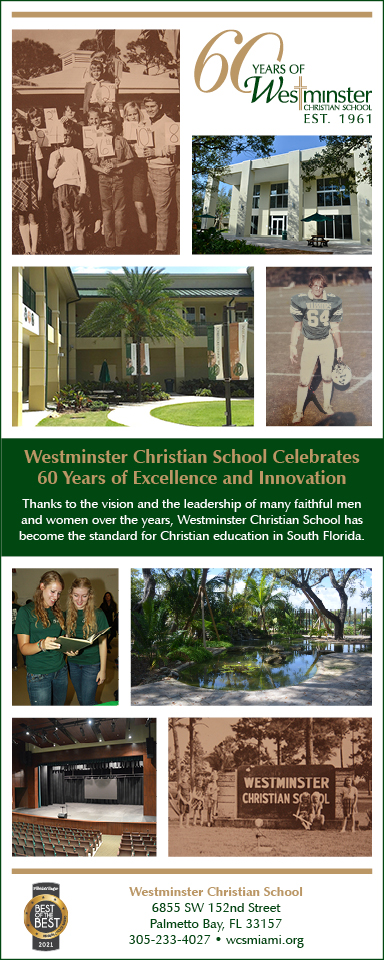
 Carrollton

 Lil’ Jungle

 Frost Science Museum

 Palmer Trinity School

 South Florida Music

 Pinecrest Orthodontics

 Dr. Bob Pediatric Dentist

 d.pediatrics



 South Miami Women’s Health

 Endodontix Dental Group

 The Spot Barbershop

 My Derma Clinic





 Miami Dance Project


 Rubinstein Family Chiropractic

 Indigo Republic


 Safes Universe

 Vintage Liquors

 Evenings Delight






 Atchana’s Homegrown Thai
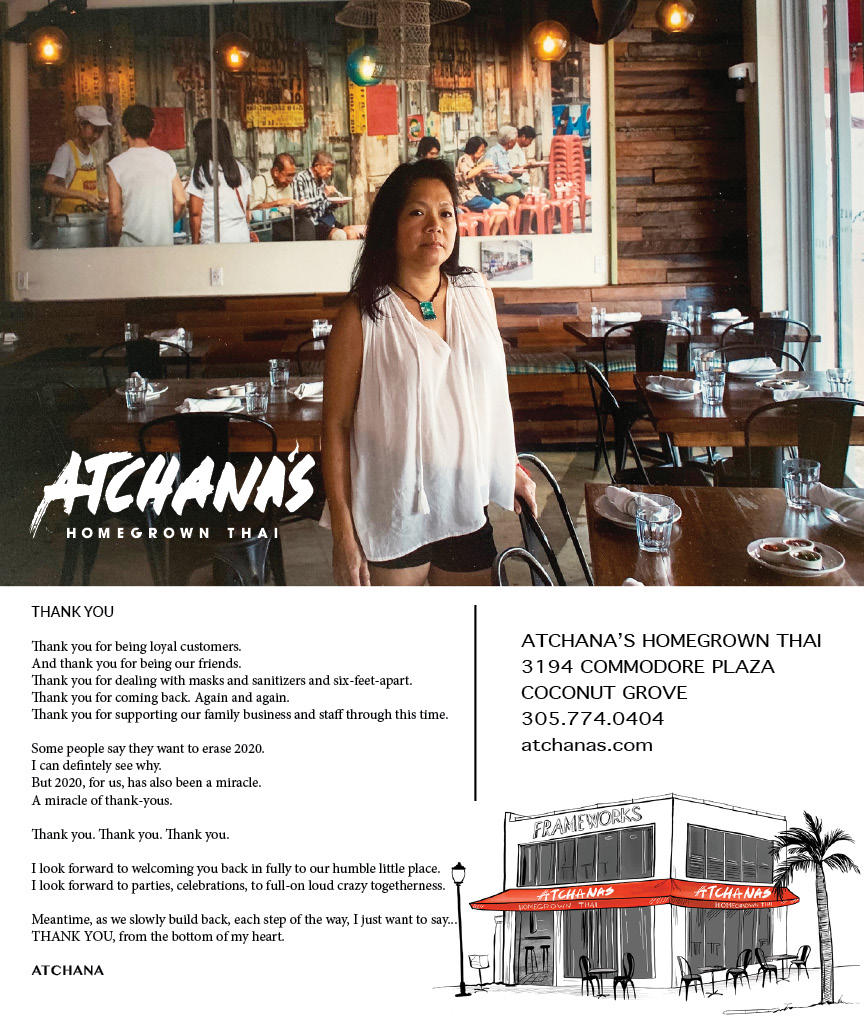
 Baptist Health South Florida


 Laser Eye Center of Miami

 Visiting Angels

 OpusCare of South Florida




 Your Pet’s Best


 HD Tree Services

 Hamilton Fox & Company


 Creative Design Services