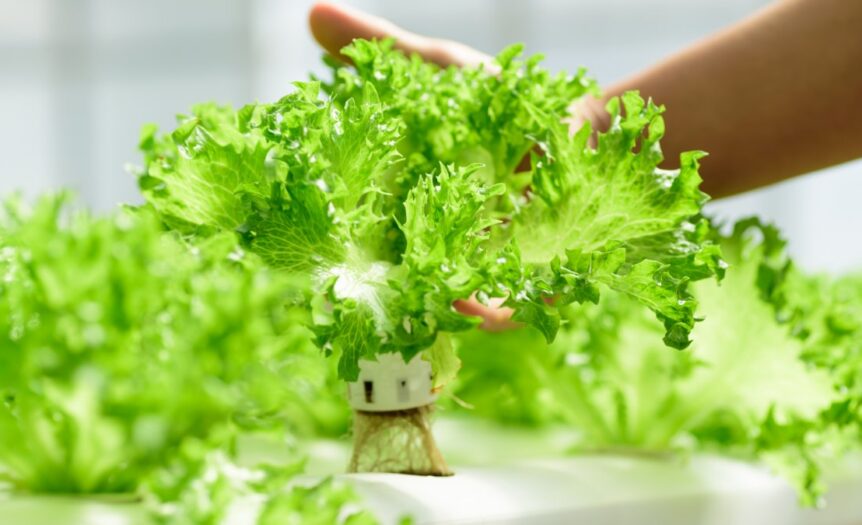
Hydroponic gardening gives growers a practical way to cultivate plants without relying on traditional soil. Instead, plants receive water and nutrients through a controlled system that supports their roots directly. A productive setup requires more than placing plants in nutrient-rich water, however. Growers need to understand how environmental conditions and system maintenance affect plant development. Following these tips for creating a successful hydroponic garden can help you build a healthier growing environment and avoid problems that interfere with consistent results.
Choose a System That Matches Your Goals
Select a hydroponic system that fits your space and plants. Different systems deliver nutrients differently, so consider how much maintenance you can manage. A simple setup may suit beginners who want to grow leafy greens or herbs, while a larger system can support crops with more extensive root structures.
Think about accessibility when choosing your equipment as well. You should be able to inspect reservoirs, clean components, and reach plants without disrupting the entire garden. An overly complicated layout can turn routine maintenance into a frustrating task. Choosing a manageable system makes it easier to identify developing issues before they affect plant health.
Provide the Right Amount of Light
Plants need adequate light to perform photosynthesis and maintain steady growth. Indoor hydroponic gardens usually rely on grow lights because natural sunlight may not provide enough intensity or consistency. Position lights for even coverage without placing fixtures close enough to damage leaves.
Pay attention to how plants respond as they grow. Stretched stems can indicate insufficient light, while scorched or curled leaves may signal excessive intensity or heat. Adjust fixture height as plants become taller. A timer can also help you maintain a consistent lighting schedule without manually switching fixtures on and off every day.
Monitor Water Quality Regularly
Water serves as the foundation of a hydroponic system because it carries nutrients directly to plant roots. Poor water quality can interfere with nutrient absorption and create conditions that encourage plant stress. Check your water before adding nutrients so you understand what you are working with.
You should also monitor the solution. Plants absorb water and nutrients at different rates, which can gradually change conditions inside the reservoir. Regular checks allow you to make smaller adjustments instead of waiting until plants show signs of trouble. Replace the solution when necessary and keep the reservoir clean to support dependable performance.
Maintain a Balanced Nutrient Solution
Hydroponic plants depend entirely on the nutrient solution for the minerals they would normally access through soil. Use nutrients designed for hydroponic growing and follow the product directions rather than assuming that more fertilizer will produce faster growth. Excessive nutrient concentrations can damage roots and make it harder for plants to absorb water.
Plant needs can also change during different growth stages. Young plants may require a gentler solution than mature plants that are actively producing flowers or fruit. Watch for changes in leaf color, growth rate, and overall vigor. These visual cues can help you recognize when your nutrient program needs adjustment.
Keep pH Levels Within the Proper Range
The pH of your nutrient solution influences how effectively roots can access essential nutrients. Even a well-formulated solution may not support healthy growth when the pH moves too far outside the range your plants prefer. Test the reservoir regularly with a reliable meter or testing method.
Make gradual corrections when readings fall outside the desired range. Large, sudden adjustments can stress plants and make reservoir conditions harder to stabilize. Keeping a record of your readings can help you recognize patterns. Consistent monitoring also gives you a better understanding of how nutrient additions and water changes influence the system.
Create Consistent Air Circulation
Indoor gardens need steady air movement around leaves and stems. Gentle circulation helps prevent stagnant pockets of humid air from developing around dense foliage. In enclosed growing environments, airflow is essential for plant health and growth because plants continually exchange moisture and gases with the surrounding air.
Position fans so they move air throughout the growing area without blasting plants with a strong, constant stream. Leaves should move slightly rather than whip back and forth. As plants become larger, check for crowded areas where foliage blocks circulation. Strategic pruning or additional spacing can improve movement through the canopy.
Protect Root Health
Healthy roots support efficient water and nutrient uptake, making root care a major part of hydroponic success. Inspect roots whenever your system design allows it. Healthy roots generally appear firm and show growth, while discoloration or unpleasant odors can indicate developing problems.
Keep light from reaching the nutrient reservoir whenever possible because unwanted biological growth can compete with plants and complicate maintenance. You should also maintain appropriate water temperatures for the crops you grow. Water that becomes excessively warm may create unfavorable root-zone conditions. Clean equipment between growing cycles to prevent residue from carrying problems into the next crop.
Give Plants Enough Space
A hydroponic garden may look spacious when seedlings are small, but mature plants can quickly fill available room. Plan your layout according to expected plant size rather than the appearance of young transplants. Proper spacing gives roots enough room within the system while allowing leaves to access light above it.
Crowded plants can shade neighboring crops and restrict air movement. They can also make inspection difficult because dense foliage hides developing problems. If you notice plants competing for space, adjust their positions when your system allows. Thoughtful spacing from the beginning reduces the need for disruptive changes later.
Inspect Your Garden Frequently
Regular observation remains one of the simplest ways to keep a hydroponic garden productive. Spend time looking at leaves, stems, roots, and equipment instead of relying only on automated controls. A pump can malfunction, tubing can become blocked, or a light can shift without immediately triggering an obvious warning.
Daily attention helps you recognize what normal growth looks like in your setup. That familiarity makes unusual changes easier to spot. Address small problems promptly before they spread throughout the system. Consistent observation also helps you refine your growing methods from one crop cycle to the next.
Build a Garden That Supports Healthy Growth
Successful hydroponic gardening depends on creating stable conditions and responding to plants as their needs change. Choose manageable equipment, monitor the growing environment carefully, and maintain your system consistently. Experience will help you recognize patterns and make more confident adjustments. By applying these tips for creating a successful hydroponic garden, you can establish a dependable setup that supports strong plants through every stage of growth.








 Deering Estate

 Massage Envy South Miami

 Calla Blow Dry

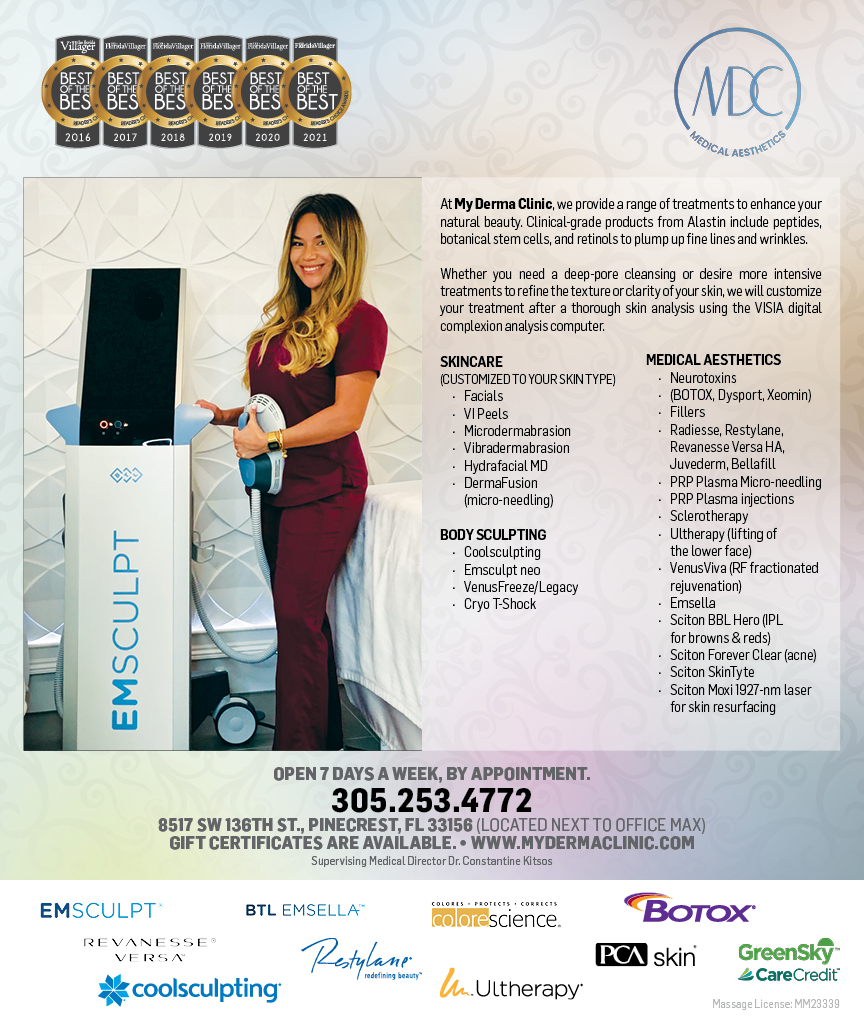
 My Derma Clinic
 Sports Grill

 The Healthy Kitchen

 Sushi Maki

 Golden Rule Seafood

 Malanga Cuban Café



 Kathleen Ballard

 Panter, Panter & Sampedro

 Vintage Liquors

 The Dog from Ipanema

 Rubinstein Family Chiropractic

 Your Pet’s Best

 Indigo Republic

 Animal Health and Rehab

 Maurice’s Jewelers

 ATR Luxury Homes



 2112 Design Studio

 Hamilton Fox & Company

 Creative Design Services

 Best Pest Professionals

 HD Tree Services

 Trinity Air Conditioning Company

 Cisca Construction & Development

 Mosquito Joe

 Cutler Bay Solar Solutions



 Miami Royal Ballet & Dance

 Christopher Columbus

 Pineview Preschools

 Westminster

 Carrollton

 Lil’ Jungle

 Frost Science Museum

 Palmer Trinity School

 South Florida Music

 Pinecrest Orthodontics

 Dr. Bob Pediatric Dentist

 d.pediatrics


 South Miami Women’s Health

 Endodontix Dental Group

 The Spot Barbershop

 My Derma Clinic





 Miami Dance Project


 Rubinstein Family Chiropractic

 Indigo Republic


 Safes Universe

 Vintage Liquors

 Evenings Delight






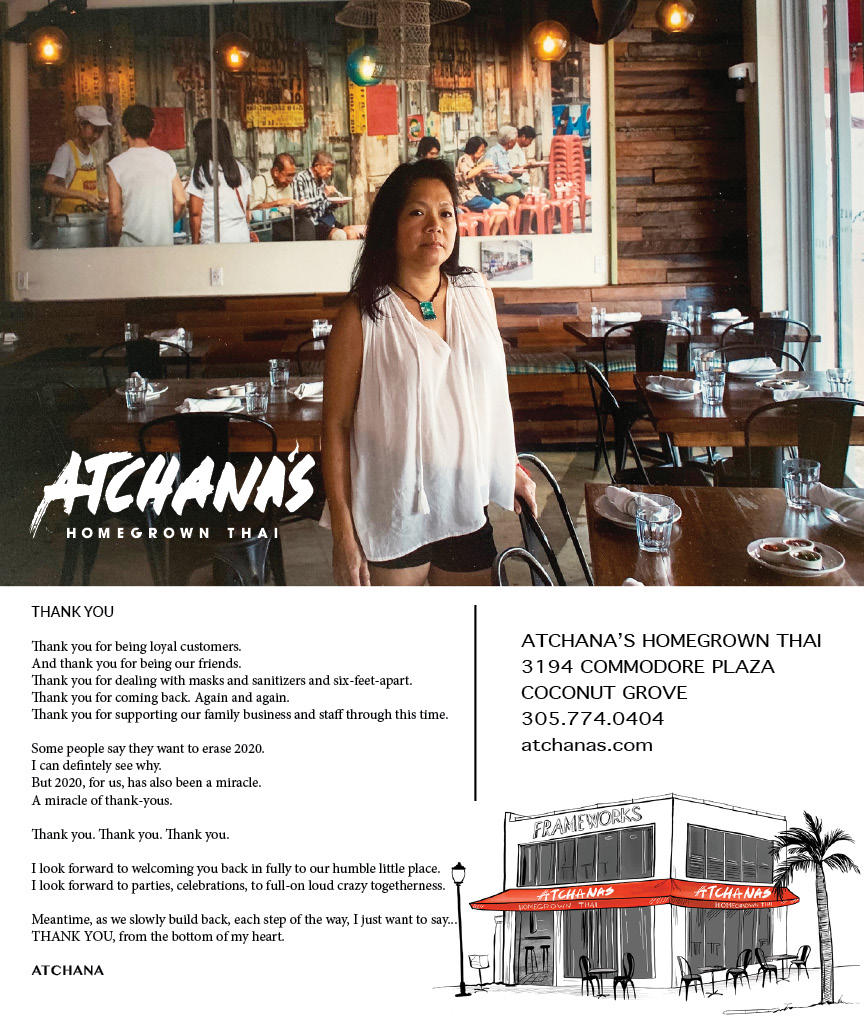
 Atchana’s Homegrown Thai
 Baptist Health South Florida


 Laser Eye Center of Miami

 Visiting Angels

 OpusCare of South Florida




 Your Pet’s Best


 HD Tree Services

 Hamilton Fox & Company


 Creative Design Services