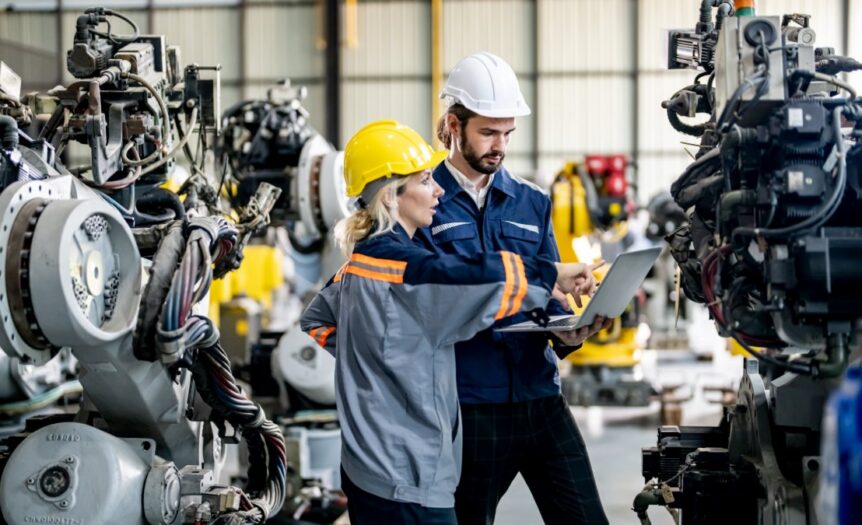
Manufacturing equipment represents a major investment, and its condition directly affects daily operations. Machines that receive consistent care tend to operate more reliably and experience fewer unexpected interruptions. Proper maintenance can also extend equipment life while supporting a safer workplace. Learning how to keep your manufacturing equipment in good condition helps you protect valuable machinery and maintain dependable production. A thoughtful approach combines routine inspections with preventive maintenance so small concerns do not become costly problems.
Establish a Preventive Maintenance Schedule
Preventive maintenance helps you address equipment needs before a breakdown disrupts production. Instead of waiting for obvious signs of failure, create a schedule based on manufacturer recommendations and operating conditions. Equipment that runs for long shifts may require more frequent attention than machinery used occasionally.
Your schedule should identify components that need regular servicing and establish appropriate intervals for each task. Assign specific maintenance responsibilities to employees so they complete essential tasks during busy production periods. Review the schedule as equipment ages because older machinery may require more frequent attention.
Inspect Equipment Regularly
Routine inspections allow employees to identify developing issues before they affect machine performance. Operators should pay attention to unusual sounds and changes in equipment behavior. Small differences can indicate that a component needs adjustment or replacement.
Create inspection procedures that reflect the purpose of each machine. Employees should know which areas require attention and what conditions may indicate a problem. Encourage operators to report concerns promptly rather than continuing to use equipment that behaves abnormally.
Inspections can also reveal loose fasteners or worn components. Addressing these issues early may prevent more extensive repairs later.
Keep Machinery Clean
Dust, metal particles, grease buildup, and other contaminants can interfere with manufacturing equipment. Debris may collect around moving parts or block ventilation areas, increasing wear and affecting performance. Establish cleaning procedures that match each machine and your facility conditions.
Employees should use cleaning products and methods that manufacturers approve for the equipment. Harsh chemicals or improper tools may damage sensitive components. Operators should also understand which areas require specialized maintenance rather than routine cleaning.
Clean machinery makes inspections easier because employees can spot leaks or other warning signs more quickly. Regular cleaning also supports an orderly work environment.
Follow Proper Lubrication Practices
Moving components depend on proper lubrication to reduce friction and control wear. Too little lubricant can allow surfaces to grind against one another, while excessive lubrication may also create performance issues. Follow manufacturer guidance when selecting lubricants and determining how much to apply.
Keep lubrication points clean so employees do not introduce contaminants during application. Dirt that enters bearings or other moving components can contribute to premature wear.
Document lubrication work in your maintenance records. Accurate documentation helps prevent missed service intervals and gives technicians useful information when troubleshooting recurring problems.
Protect Equipment From Surface Damage
Manufacturing environments can expose equipment to moisture, chemicals, heat, and abrasive materials. Over time, these conditions may damage exposed surfaces and weaken components. Protective coatings can create a barrier between machinery and environmental hazards.
Understanding industrial coating applications across industries can help manufacturers recognize how specialized coatings protect machinery from corrosion and abrasion. Facilities should select protective treatments that match equipment materials and operating conditions.
Inspect coated surfaces for peeling or excessive wear. Repairing damaged areas promptly helps preserve the protective barrier and prevents deterioration from spreading.
Train Employees To Operate Equipment Correctly
Even well-maintained equipment can experience unnecessary wear when employees use it incorrectly. Provide thorough training before operators work independently with machinery. Employees should understand proper startup procedures and the operating limits established by the manufacturer.
Training should continue beyond initial onboarding. Refresher sessions can reinforce proper habits while helping employees understand updated procedures. Supervisors should also correct improper operating practices before they become routine.
Encourage operators to communicate when equipment feels different during use. Employees who work with the same machinery regularly may notice subtle changes before a larger problem develops.
Replace Worn Components Promptly
Components naturally wear as manufacturing equipment accumulates operating hours. Continuing to use worn parts can place additional stress on surrounding components and eventually cause a larger failure. Replace parts when inspections show they have reached the end of their usable life.
Keep commonly needed replacement parts available when practical. Ready access to appropriate components can shorten repair times and help maintenance teams return essential machinery to service sooner. Always use replacement parts that meet manufacturer requirements.
Maintenance records can also help you anticipate future replacements. Reviewing past repairs may reveal patterns that allow your team to plan service more effectively.
Monitor Equipment Performance
Changes in performance often provide early warnings of mechanical problems. Pay attention when equipment begins consuming more energy than usual or struggles to maintain its normal production rate. Investigating these changes quickly can prevent minor inefficiencies from developing into significant failures.
Monitoring systems can help facilities track operating conditions, but technology should support rather than replace routine observation. Operators provide valuable insight because they interact directly with machinery during production.
Compare current performance with established operating expectations. When a machine consistently falls outside its normal range, schedule an inspection to identify the cause.
Maintain Detailed Service Records
Accurate records give your maintenance team a clear picture of each machine’s history. Document inspections and repairs after employees complete them. Include enough information to help technicians understand what work occurred and why.
Service records can reveal recurring problems that might otherwise seem unrelated. If the same component repeatedly fails, another issue may be causing excessive wear. Identifying these patterns allows your team to address the source rather than repeatedly treating the symptom. Good documentation also helps managers anticipate maintenance needs and evaluate whether aging equipment remains practical to repair.
Build Maintenance Into Daily Operations
Protecting machinery requires consistent attention rather than occasional repairs after problems appear. Preventive service and careful operation can reduce unnecessary wear while giving your team more control over equipment reliability. Employees should treat maintenance as part of normal production rather than an interruption. Understanding how to keep your manufacturing equipment in good condition helps your facility protect its investment and support dependable performance over the long term.








 Deering Estate

 Massage Envy South Miami

 Calla Blow Dry

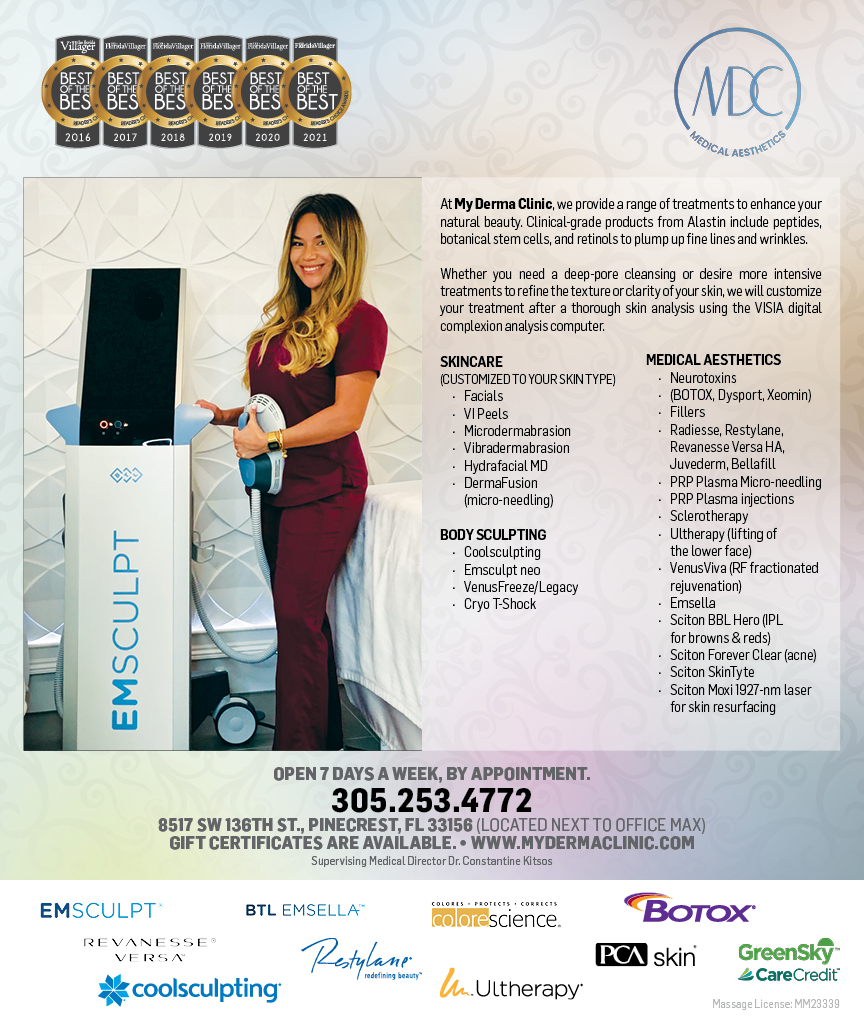
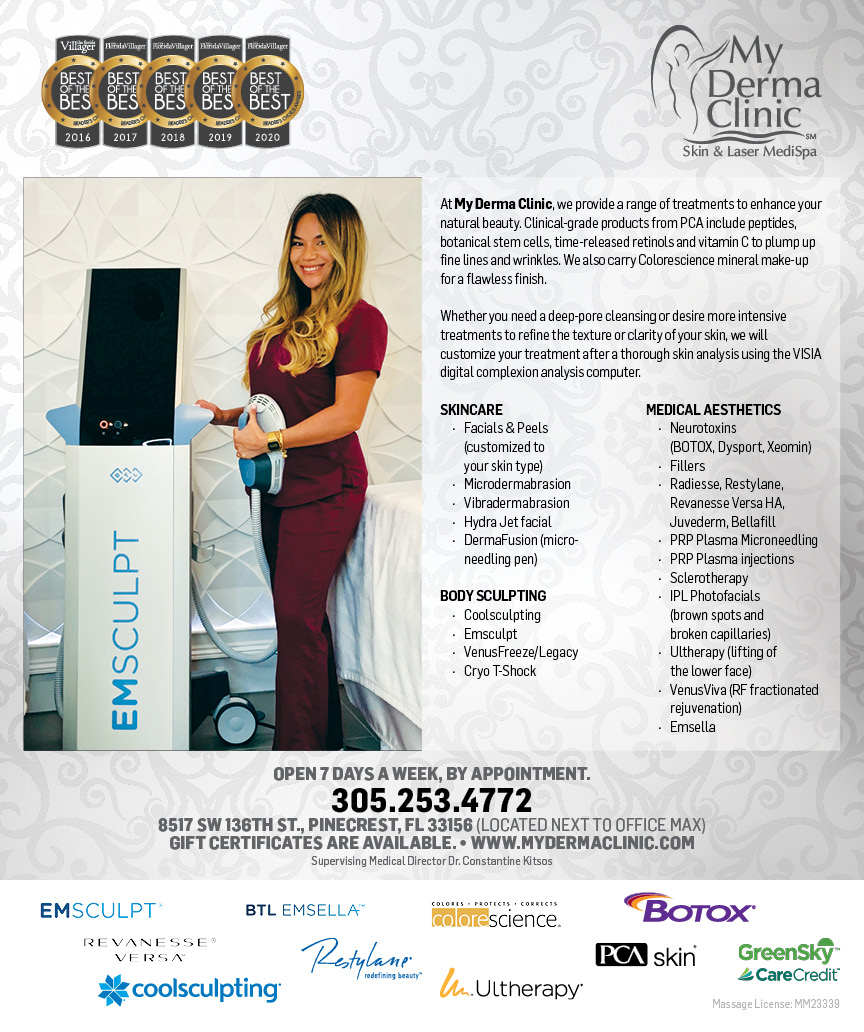
 My Derma Clinic
 Sports Grill

 The Healthy Kitchen

 Sushi Maki

 Golden Rule Seafood

 Malanga Cuban Café



 Kathleen Ballard

 Panter, Panter & Sampedro

 Vintage Liquors

 The Dog from Ipanema

 Rubinstein Family Chiropractic

 Your Pet’s Best

 Indigo Republic

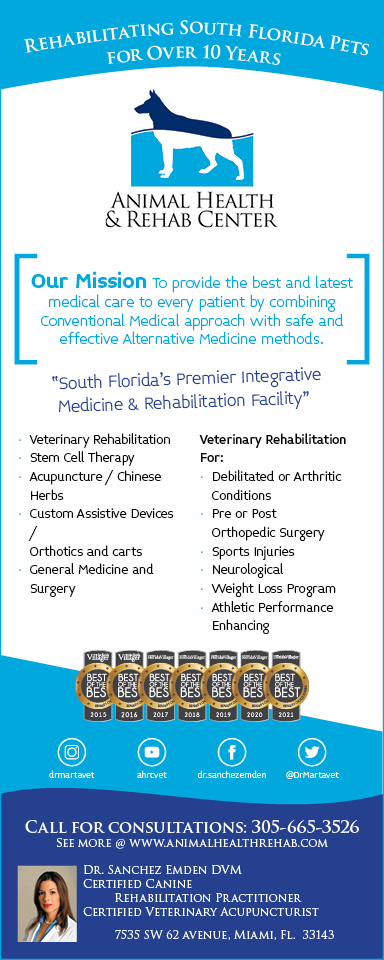
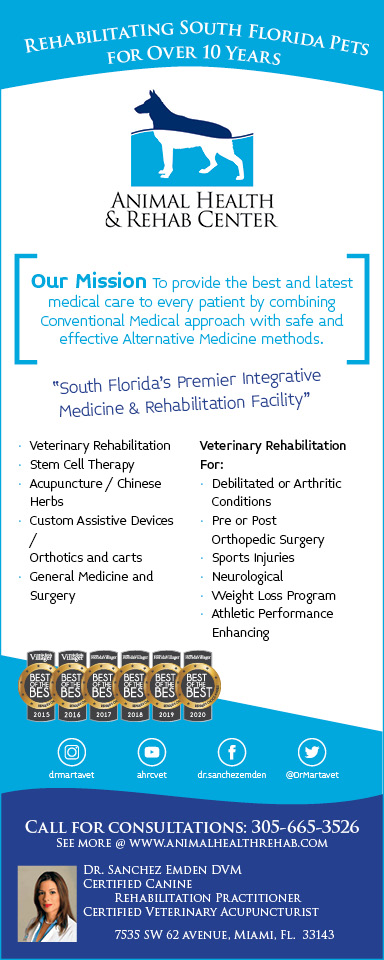
 Animal Health and Rehab
 Maurice’s Jewelers

 ATR Luxury Homes



 2112 Design Studio

 Hamilton Fox & Company

 Creative Design Services

 Best Pest Professionals

 HD Tree Services

 Trinity Air Conditioning Company

 Cisca Construction & Development

 Mosquito Joe

 Cutler Bay Solar Solutions



 Miami Royal Ballet & Dance

 Christopher Columbus

 Pineview Preschools

 Westminster

 Carrollton

 Lil’ Jungle

 Frost Science Museum

 Palmer Trinity School

 South Florida Music

 Pinecrest Orthodontics

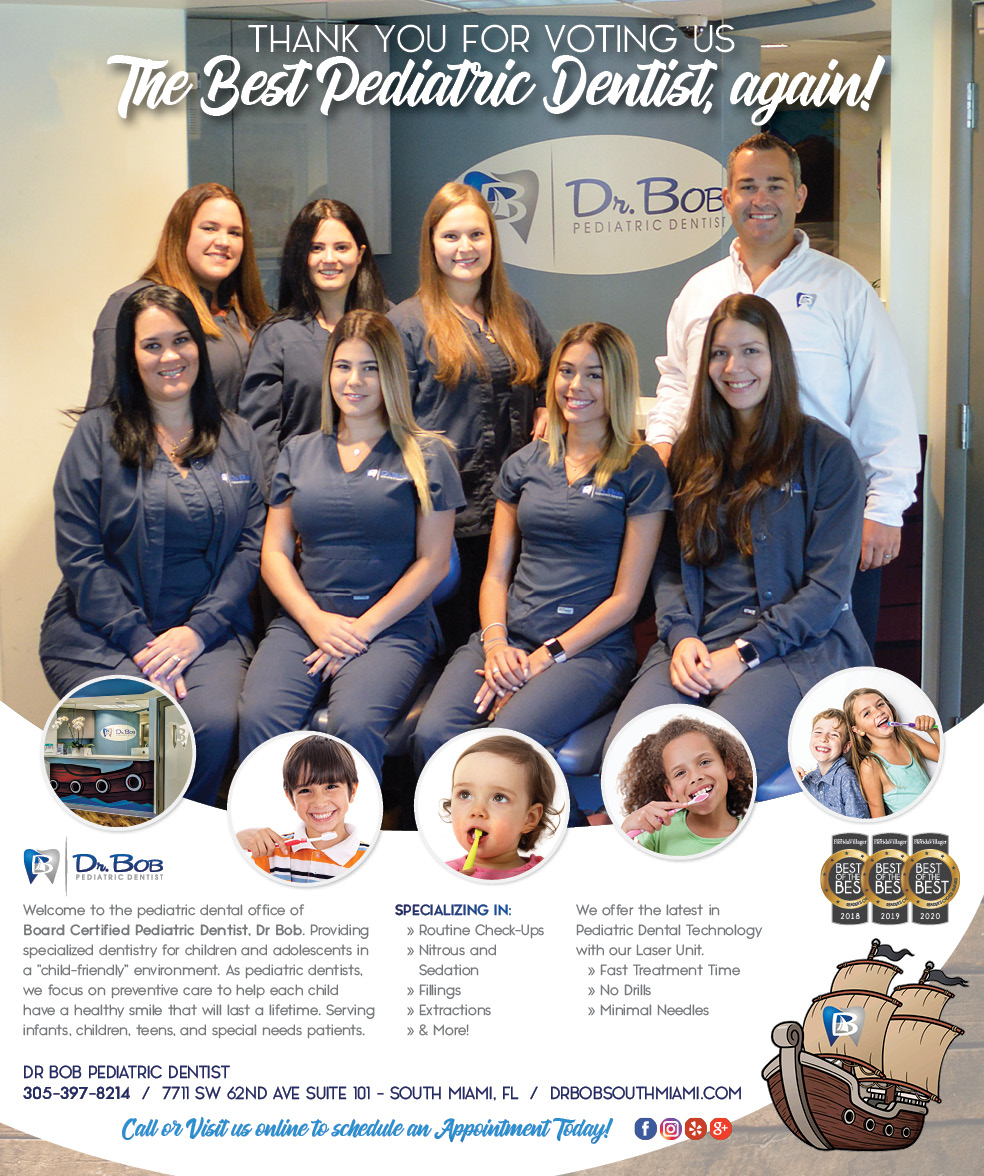
 Dr. Bob Pediatric Dentist
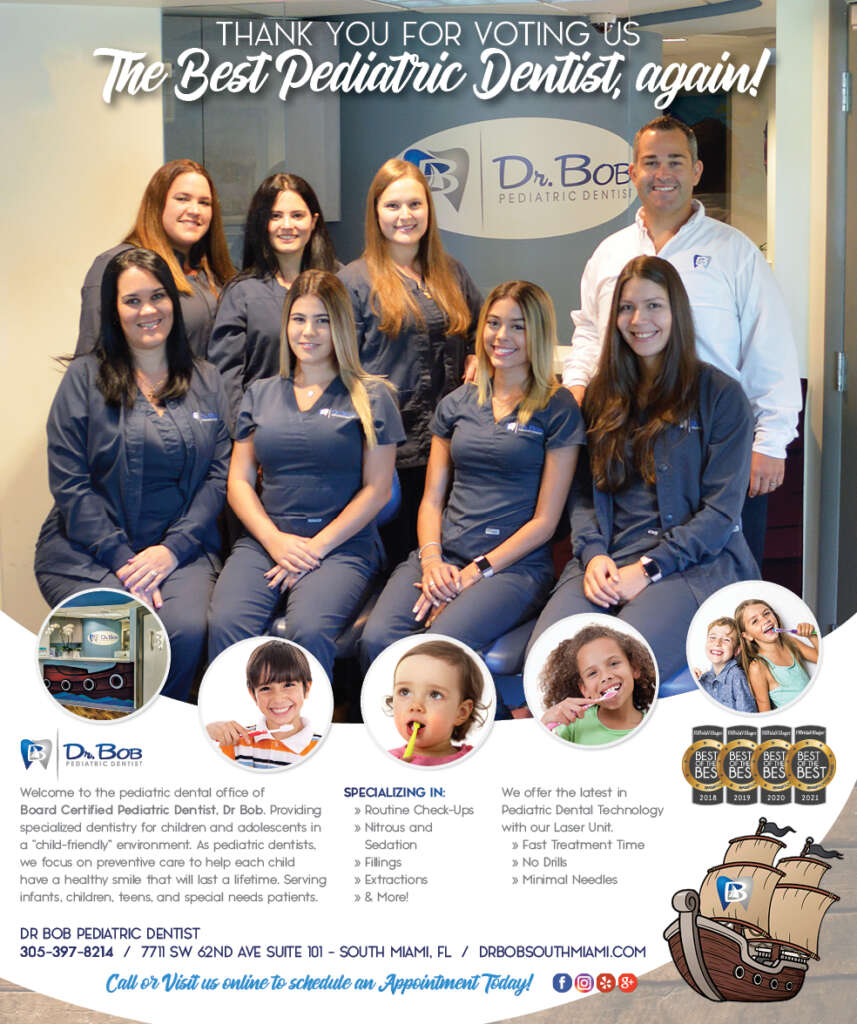
 d.pediatrics



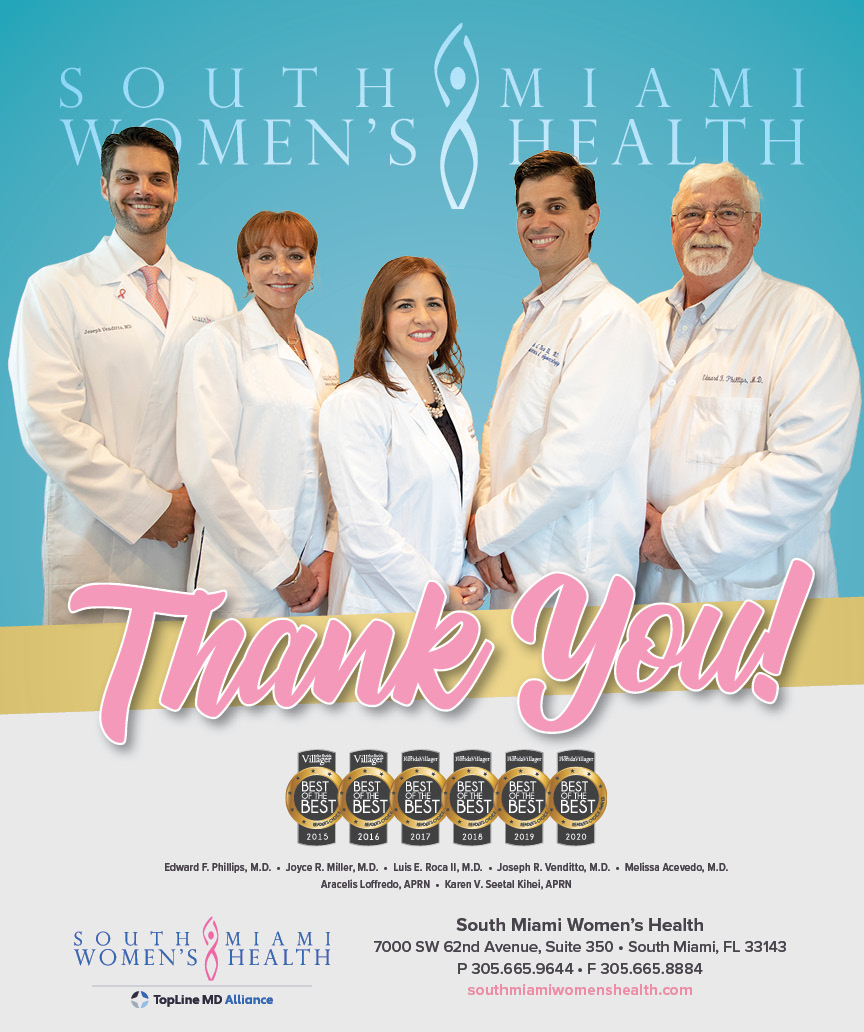
 South Miami Women’s Health

 Endodontix Dental Group

 The Spot Barbershop

 My Derma Clinic




 Miami Dance Project

 Rubinstein Family Chiropractic

 Indigo Republic

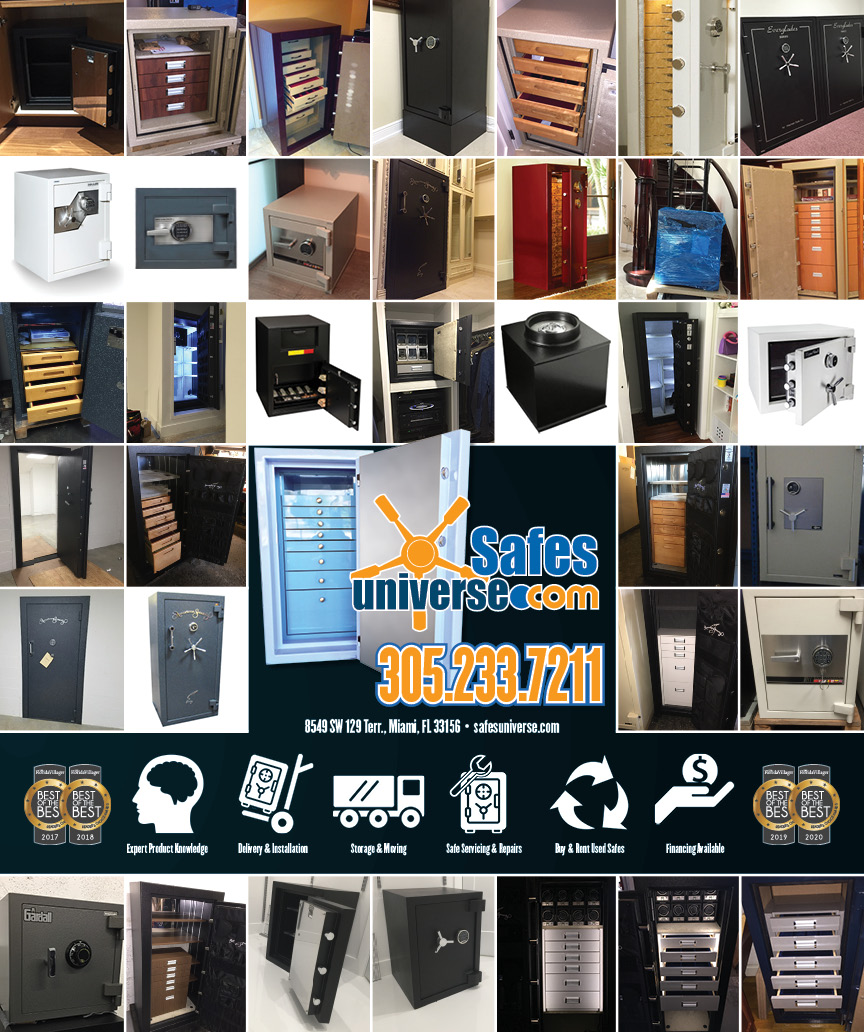
 Safes Universe
 Vintage Liquors

 Evenings Delight






 Atchana’s Homegrown Thai

 Baptist Health South Florida


 Laser Eye Center of Miami

 Visiting Angels

 OpusCare of South Florida



 Your Pet’s Best


 HD Tree Services

 Hamilton Fox & Company


 Creative Design Services