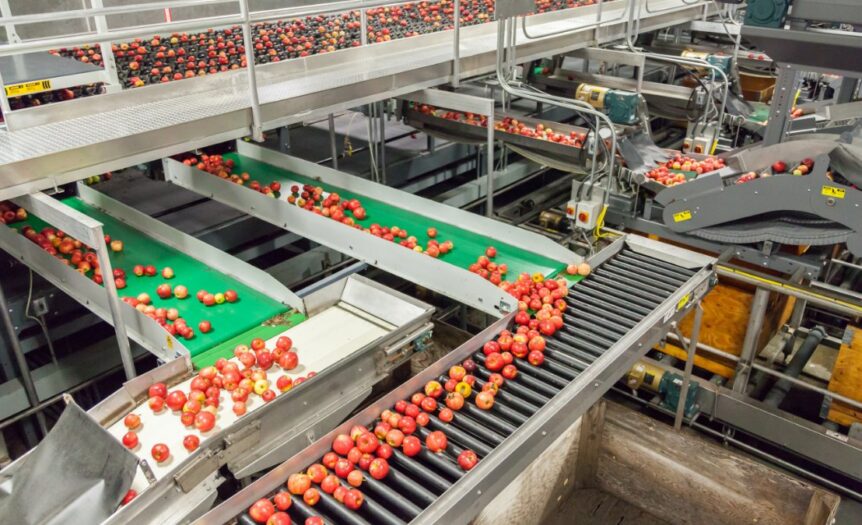
Industrial conveyor belts handle a simple-sounding task: moving materials from one place to another. Yet the demands on those belts can vary dramatically. A system carrying lightweight packaged goods has very different needs from one moving grain, aggregate, wood products, or other bulk materials.
That difference makes industrial conveyor belt selection more important than choosing a belt based only on width, length, or price. The right belt must work with the material it will transport, the conveyor itself, and the conditions surrounding the equipment. Keep reading to understand more about the key factors in choosing an industrial conveyor belt.
Start With the Material the Belt Will Convey
The material moving across the conveyor should shape the decision from the beginning. Start by considering its weight. Heavy products create greater demands on the belt and supporting equipment than lighter materials. A belt must have enough strength to carry the load without stretching excessively or becoming unstable.
Texture matters as well. Rough, sharp, or abrasive material can wear down a belt cover much faster than smooth products. Fine materials create a different challenge because they may work into equipment components or accumulate around transfer points.
Moisture adds another consideration. Damp soil, grain, fertilizer, food ingredients, and similar products may stick to some surfaces or slip on others.
Material shape can influence performance, too. Loose bulk materials may roll or slide on an incline, while boxes and packaged products generally remain more stable.
Match Belt Construction to Working Demands
A conveyor belt consists of more than its visible outer surface. Its internal construction plays a major part in determining strength, flexibility, and durability.
Consider Ply and Carcass Construction
Many industrial belts use reinforcing fabric layers, also known as plies, within the belt structure. These layers help the belt withstand tension and support the load.
A heavier or higher-ply belt is not automatically the best option. The belt still must bend around pulleys and move properly through the conveyor system. Excessive stiffness can create problems when equipment uses smaller pulleys or requires significant flexing.
Examine Cover Material
The cover material is another key factor to consider when choosing an industrial conveyor belt. The outer cover protects the belt from direct contact with the product and surrounding environment. The appropriate compound depends on what the system encounters during normal operation.
Some applications place abrasion resistance at the top of the list. Others may require a belt that can handle exposure to oils, heat, moisture, or outdoor conditions.
The right cover should address the actual source of wear. A highly durable compound provides limited benefit if it does not match the type of stress the conveyor experiences.
For a closer examination of how compounds and construction relate to different applications, this conveyor belt material selection guide provides additional information operators can use when comparing belt characteristics.
Choose a Surface That Controls Material Properly
Surface design affects how securely a conveyor moves its load.
A smooth belt can work well when products travel across level or gently inclined systems and do not need additional traction. Smooth surfaces can also support clean movement when quick release at the discharge point matters.
Chevron-pattern belts use raised surface designs that help resist material rollback. They can suit bulk materials that would slide on a smooth surface as the conveyor angle increases.
Cleated belts take this concept further. Raised sections create barriers that help hold material in place during steeper travel. The height and spacing of those cleats should suit the product being carried.
Account for Conveyor Angle and Layout
Incline angle affects how strongly gravity works against the direction of travel. As the angle increases, operators may need more surface grip, cleats, or another method of controlling the load.
The overall conveyor configuration matters as well.
Long conveyor runs can create different tension requirements from shorter systems. Transfer points may expose belts to frequent impact. Curves, troughing arrangements, rollers, slider beds, and take-up systems can influence the way a belt flexes and tracks.
Pulley diameter deserves particular attention. The belt must bend around the conveyor’s pulleys without placing excessive stress on its construction.
Evaluate Abrasion and Impact
Some conveyor applications gradually wear belts through continuous friction. Others subject the belt to frequent impact.
Abrasive material can remove small amounts of the belt cover every time it travels through the system. Over many cycles, that wear becomes significant.
Impact creates a different type of stress. Consider a conveyor that receives heavy material dropping from a chute or another belt. Each load places force on the belt, particularly around the loading zone.
Consider Heat, Moisture, Oil, and Outdoor Exposure
Environmental conditions can change how belt materials perform.
Florida businesses, for example, may operate equipment in environments where heat, humidity, rainfall, and strong sunlight form part of normal working conditions. Outdoor agricultural and industrial systems may also encounter dirt, dust, and changing temperatures.
Indoor facilities face their own challenges. Manufacturing processes can expose conveyor belts to heat, oils, cleaning solutions, or other substances that affect certain compounds.
Think About Tracking and Flexibility
A conveyor belt must remain centered as it travels through the system. When it moves toward one side, which is mistracking, both the belt and surrounding components can experience additional wear.
Several equipment problems can contribute to tracking issues, including alignment, roller condition, loading position, and tension. Belt construction can also influence how well the system runs.
Flexibility plays a related role. A belt needs enough structural strength for the load while remaining suitable for the pulleys and conveyor path. Selecting a belt that is unnecessarily thick or rigid can create new operational problems rather than solving existing ones.
Review Cleaning and Carryback
Material does not always leave the belt completely at the discharge point. Some products cling to the surface and travel back underneath the conveyor. This carryback can create cleanup work, product loss, and buildup around return components.
Operators moving sticky, wet, or fine materials should consider how readily the belt releases the product. Surface pattern, cover characteristics, conveyor angle, and cleaning systems can all affect the result.
This factor becomes particularly important in facilities where cleanliness, contamination control, or housekeeping requirements matter.
Look at the Entire Conveyor System
Selecting the right belt requires more than identifying a durable material. Each choice must work with the complete material-handling system.
No single belt characteristic can compensate for a mismatch elsewhere in the system. A highly abrasion-resistant cover will not solve an unsuitable surface pattern. Extra strength will not correct poor alignment. More grip may create discharge problems when the product needs a clean release.
Taking a system-wide view leads to a more practical specification. It also gives operators a clearer basis for comparing available belt options instead of relying on a single measurement or feature.








 Deering Estate
 Massage Envy South Miami
 Calla Blow Dry
 My Derma Clinic
 Sports Grill
 The Healthy Kitchen
 Sushi Maki
 Golden Rule Seafood
 Malanga Cuban Café


 Kathleen Ballard
 Panter, Panter & Sampedro
 Vintage Liquors
 The Dog from Ipanema
 Rubinstein Family Chiropractic
 Your Pet’s Best
 Indigo Republic
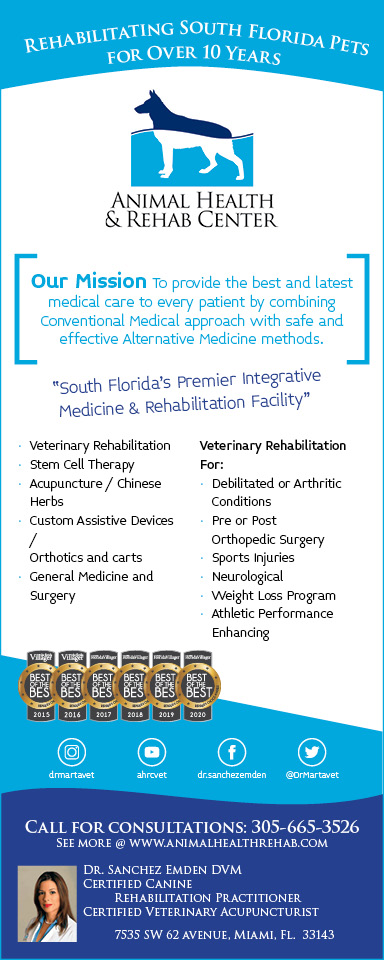
 Animal Health and Rehab
 Maurice’s Jewelers
 ATR Luxury Homes

 2112 Design Studio
 Hamilton Fox & Company
 Creative Design Services
 Best Pest Professionals
 HD Tree Services
 Trinity Air Conditioning Company
 Cisca Construction & Development
 Mosquito Joe
 Cutler Bay Solar Solutions


 Miami Royal Ballet & Dance
 Christopher Columbus
 Pineview Preschools
 Westminster
 Carrollton
 Lil’ Jungle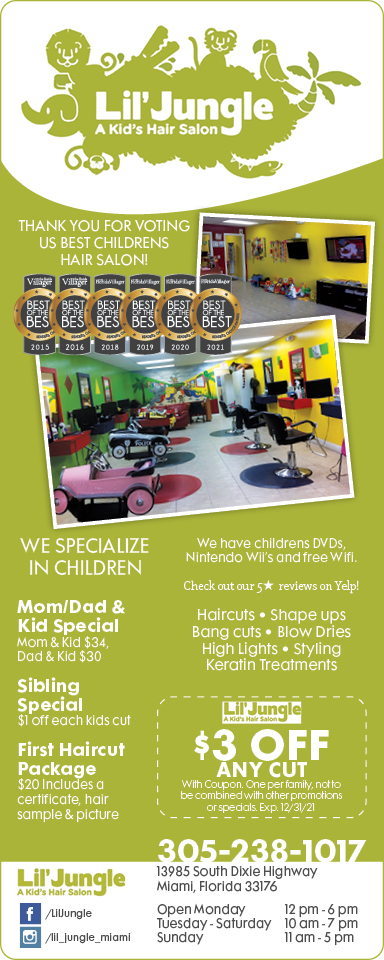
 Frost Science Museum
 Palmer Trinity School
 South Florida Music
 Pinecrest Orthodontics
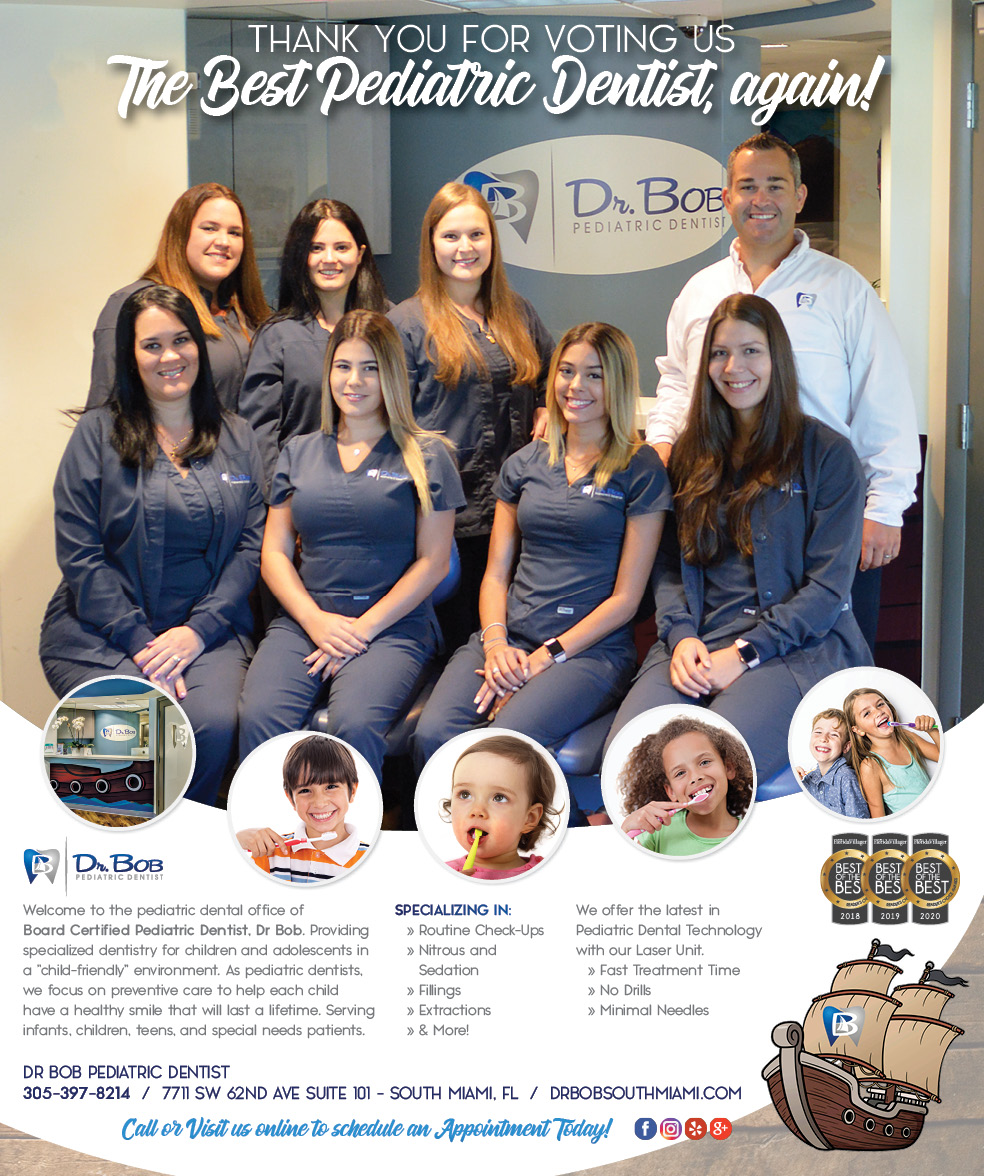
 Dr. Bob Pediatric Dentist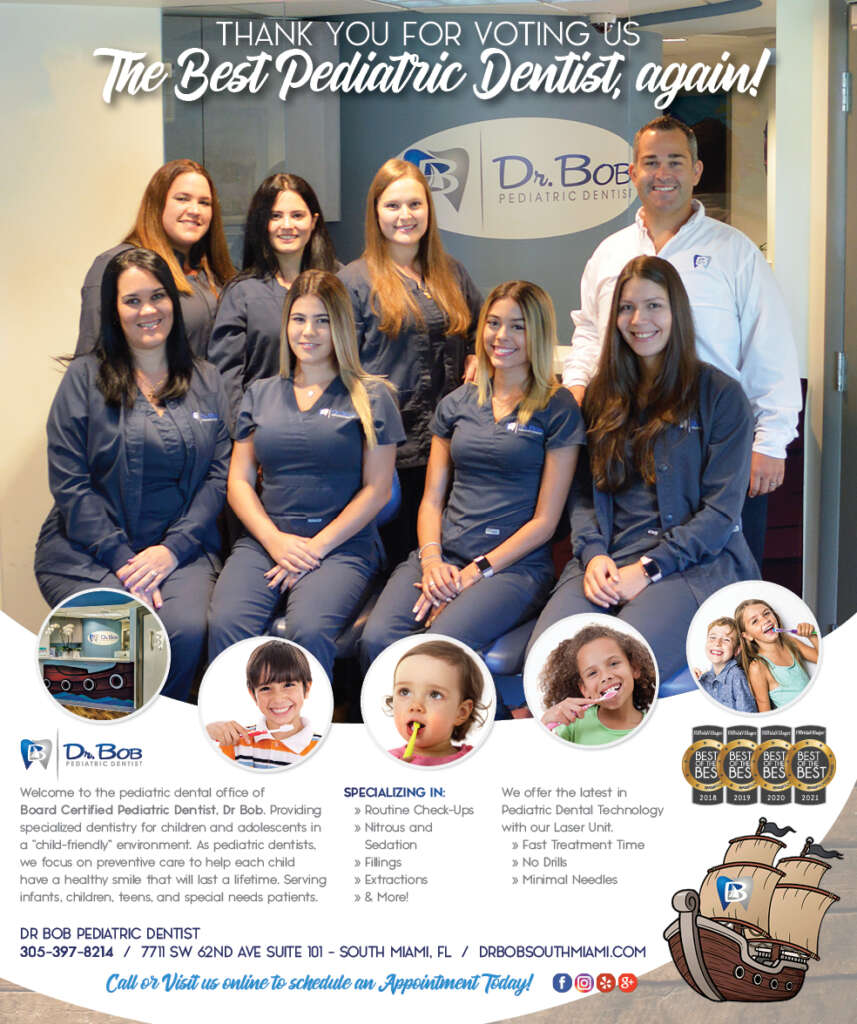
 d.pediatrics


 South Miami Women’s Health
 Endodontix Dental Group
 The Spot Barbershop
 My Derma Clinic




 Miami Dance Project
 Rubinstein Family Chiropractic
 Indigo Republic
 Safes Universe
 Vintage Liquors
 Evenings Delight





 Atchana’s Homegrown Thai
 Baptist Health South Florida

 Laser Eye Center of Miami
 Visiting Angels
 OpusCare of South Florida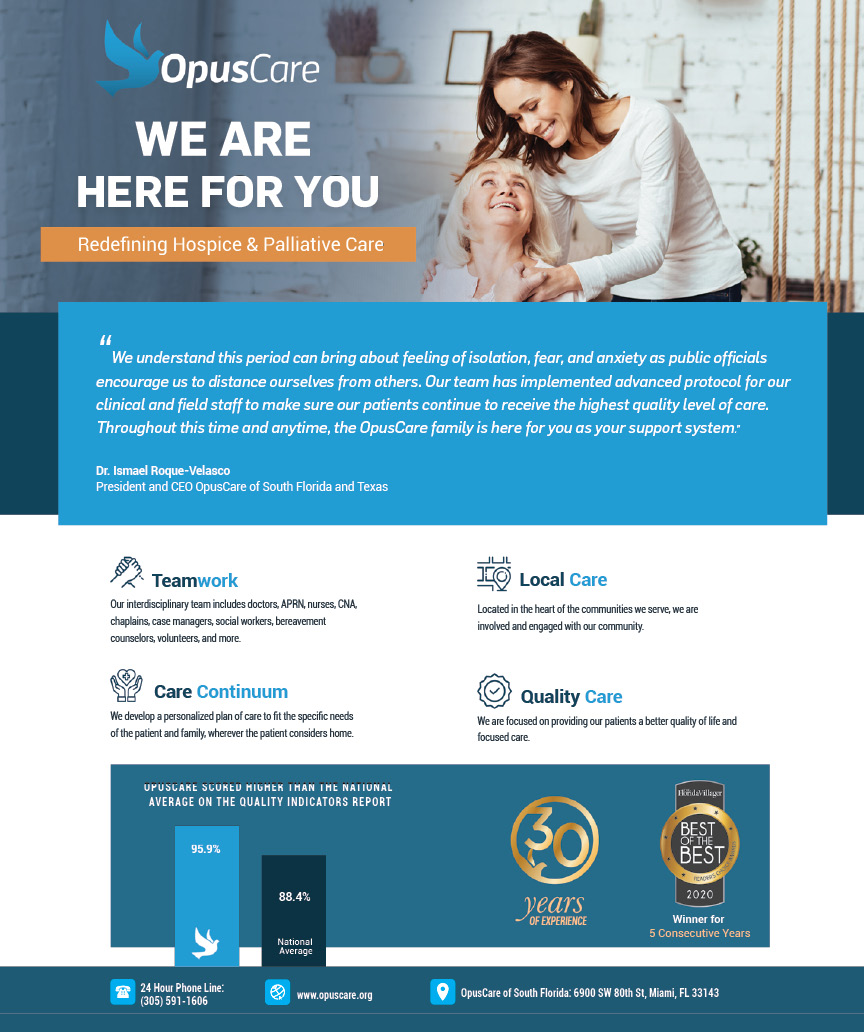



 Your Pet’s Best

 HD Tree Services
 Hamilton Fox & Company

 Creative Design Services