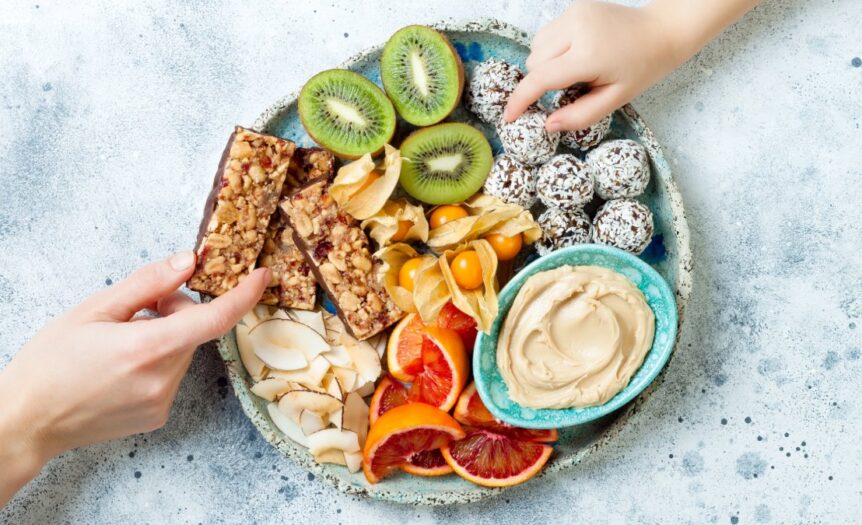
Snack time can be simple and enjoyable! Most families prefer foods that are delicious and easy to put together. Making snacks at home offers plenty of flexibility and doesn’t require a complete pantry overhaul.
Small tweaks often feel more doable than replacing every favorite snack. For instance, you might opt for banana oatmeal muffins instead of store-bought treats, or enjoy apple slices with peanut butter whenever allergies aren’t an issue.
By using these easy-to-make homemade snacks, you can add variety to the foods your family loves, making snack time both fun and nourishing.
Let Fruit Do Some of the Work
Fresh fruit adds flavor and natural sweetness to homemade snacks. Ripe bananas are great in oatmeal muffins or banana bread, making treats extra special. Berries work well in yogurt or frozen yogurt pops.
Frozen fruit is versatile—blend mango with yogurt or add berries to smoothies, especially refreshing after a warm day in South Florida. Fruit also enhances dishes—add sliced strawberries to muffins or peaches to yogurt for a fruity touch.
When preparing for little ones, keep their age and development in mind. Cutting fruit into fun shapes and appropriately sized pieces can make snacking safer and more enjoyable.
Try Whole Grains in Familiar Recipes
You don’t have to reinvent your favorite recipes to add more whole grains to snack time. Oats naturally work in many homemade treats. Try baked oatmeal cups with mashed banana or oat bites with nut or seed butter.
Homemade granola is easy when you control the ingredients and portions. Whole-grain bread offers quick options like spreading it with peanut butter and banana or serving it with mashed avocado.
Baking with whole-wheat flour takes a little more experimentation because changing flour can affect texture. Look for muffin or quick-bread recipes that already call for the flour you want to use rather than making an unpredictable swap.
Make Snacks More Filling With Easy Pairings
Sometimes, you don’t need to change the snack itself; pairing it with something else can make it more satisfying. A homemade blueberry muffin goes well with plain yogurt. Apple slices pair nicely with peanut or sunflower seed butter, depending on allergies.
Serve homemade pita chips with hummus. When kids want a favorite treat, like a chocolate chip oatmeal cookie, serve it with a glass of milk instead of altering the cookie itself.
Keep a Few Specific Snack Ideas Handy
You don’t need a different snack plan every afternoon. Keep a few easy options in rotation and switch them based on what you have:
- Banana oatmeal muffins with yogurt
- Apple slices with peanut or seed butter
- Homemade pita chips with hummus
- Frozen berry yogurt pops
- Avocado on whole-grain toast
- Cinnamon-baked apple slices
Consider allergies when choosing ingredients, especially when preparing food for children outside your immediate household.
Find a Comfortable Level of Sweetness
Homemade snacks give you control over how sweet a recipe tastes. That flexibility doesn’t mean every cookie needs a dramatic makeover or that sugar has no place in family snacks.
Ripe fruit can contribute sweetness where it fits naturally. Mashed bananas work well in some oatmeal bites or muffins. Applesauce can work in certain baked recipes, although substitutions may change moisture and texture.
A drizzle of honey can add sweetness to yogurt or homemade granola, making these easy ways to work raw honey into your daily routine. Just save honey-based snacks for children over 12 months, since babies younger than one shouldn’t have honey due to the risk of infant botulism.
Make Vegetables Easier to Snack On
A whole cucumber in the fridge may not look tempting for a quick snack. A little prep makes vegetables easier to enjoy. Slice cucumber and serve with hummus. Bell pepper strips go well with yogurt dip. Or spread hummus on a small whole-grain tortilla, add shredded veggies, and roll it up.
For a warm option, try homemade sweet potato wedges—roasted, they’re a tasty alternative to raw vegetables. You don’t need to hide vegetables in every dish; offering them in different ways helps kids get comfortable with their flavors at their own pace.
Keep Portions Flexible
Homemade snacks can sometimes be overly generous, especially when casually portioning muffins or scooping trail mix without much attention. Appetite varies; a child after sports might want more than someone who just had lunch.
Growth and activity influence hunger. Instead of aiming for one perfect portion, serve a reasonable amount and offer more if needed. Prepare individual containers, like portioned granola or pre-cut vegetables, ahead of time for school lunches or outings.
Don’t Make Every Snack a Nutrition Project
It’s easy to get caught up in making every homemade snack as nutritious as possible. Family eating doesn’t need that kind of pressure.
A homemade cookie can still be a cookie. Chocolate chips can stay in banana muffins if your family enjoys them. You can make homemade popcorn for movie night without feeling obligated to turn it into something more elaborate.
Variety matters more than forcing one snack to do everything. Yogurt with berries may work one afternoon, while another day calls for homemade cookies. Both can have a place in family life.
That flexibility can also make homemade snacks easier to maintain because favorite foods don’t suddenly disappear from the kitchen.
Make Convenience Part of the Plan
A homemade snack only helps on a busy afternoon if someone has time to eat it. Complicated recipes may work beautifully on a relaxed weekend and feel impossible during the school week.
Choose a few foods that hold up well after preparation. Banana oatmeal muffins can go into the freezer, while homemade granola can stay ready for yogurt bowls. Frozen yogurt pops also let you prepare several servings at once.
Keep easy options where family members can find them. Older children might appreciate a refrigerator area with washed fruit or yogurt cups they can grab themselves.
You can also prepare components rather than complete snacks. Having sliced fruit ready makes it easier to assemble a yogurt bowl without spending much time in the kitchen.
Build a Snack Routine That Works for Your Family
Finding simple ways to make your homemade snacks healthier doesn’t require strict rules. Lasting changes usually fit naturally into foods your household already likes.
Try a batch of banana oatmeal muffins or keep ingredients for quick yogurt bowls on hand. When you have more time, homemade granola or frozen fruit pops can add some variety.
Homemade snack time should make family life easier, not give you another standard to meet. Keep a few reliable favorites around and leave room for the foods everyone genuinely enjoys. The best snack routine is one your family will actually want to keep.







 Deering Estate

 Massage Envy South Miami

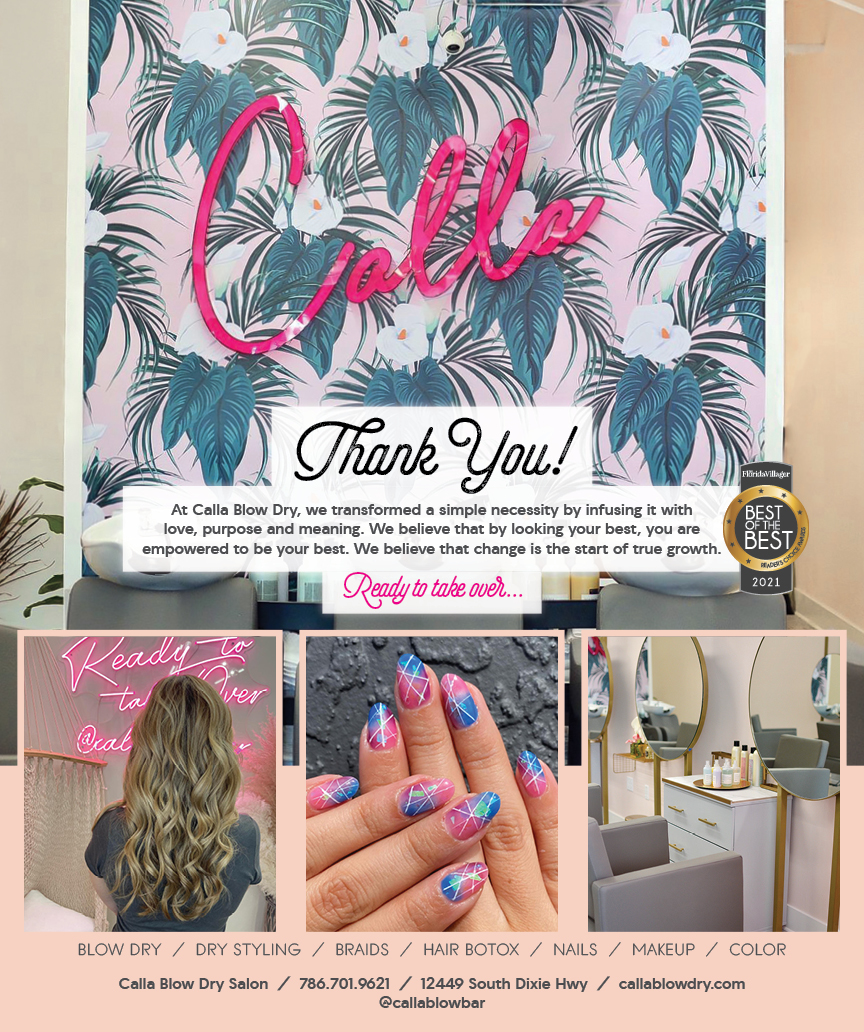
 Calla Blow Dry
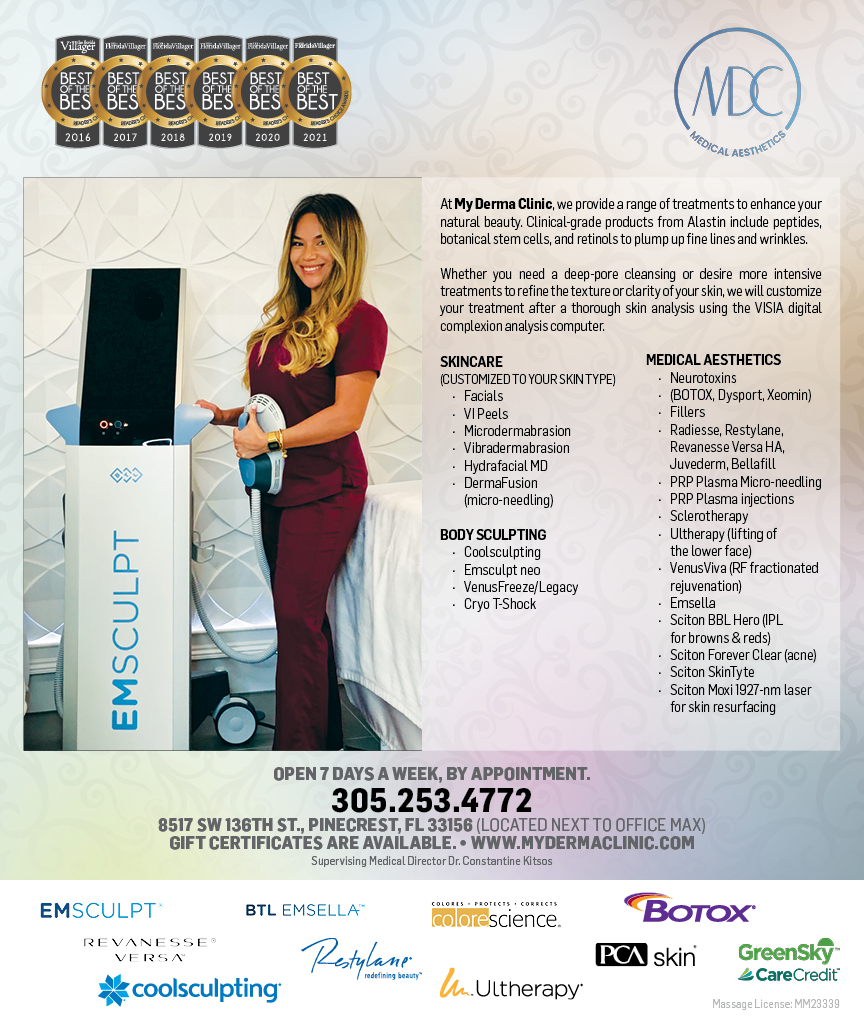
 My Derma Clinic
 Sports Grill

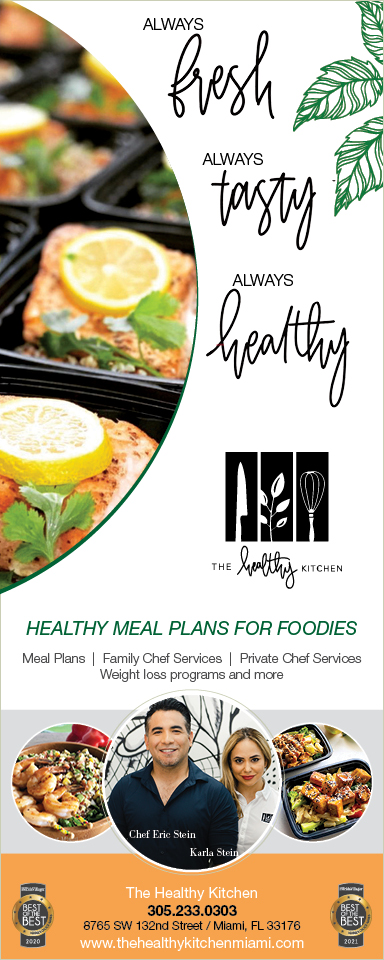
 The Healthy Kitchen
 Sushi Maki

 Golden Rule Seafood

 Malanga Cuban Café



 Kathleen Ballard

 Panter, Panter & Sampedro

 Vintage Liquors

 The Dog from Ipanema

 Rubinstein Family Chiropractic

 Your Pet’s Best

 Indigo Republic

 Animal Health and Rehab

 Maurice’s Jewelers

 ATR Luxury Homes



 2112 Design Studio

 Hamilton Fox & Company

 Creative Design Services

 Best Pest Professionals

 HD Tree Services

 Trinity Air Conditioning Company

 Cisca Construction & Development

 Mosquito Joe

 Cutler Bay Solar Solutions



 Miami Royal Ballet & Dance

 Christopher Columbus

 Pineview Preschools

 Westminster

 Carrollton

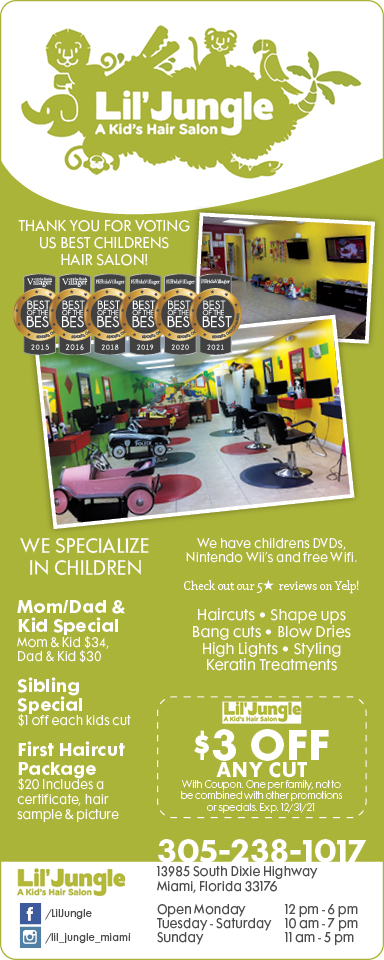
 Lil’ Jungle
 Frost Science Museum

 Palmer Trinity School

 South Florida Music

 Pinecrest Orthodontics

 Dr. Bob Pediatric Dentist

 d.pediatrics



 South Miami Women’s Health

 Endodontix Dental Group

 The Spot Barbershop

 My Derma Clinic





 Miami Dance Project


 Rubinstein Family Chiropractic

 Indigo Republic


 Safes Universe

 Vintage Liquors

 Evenings Delight






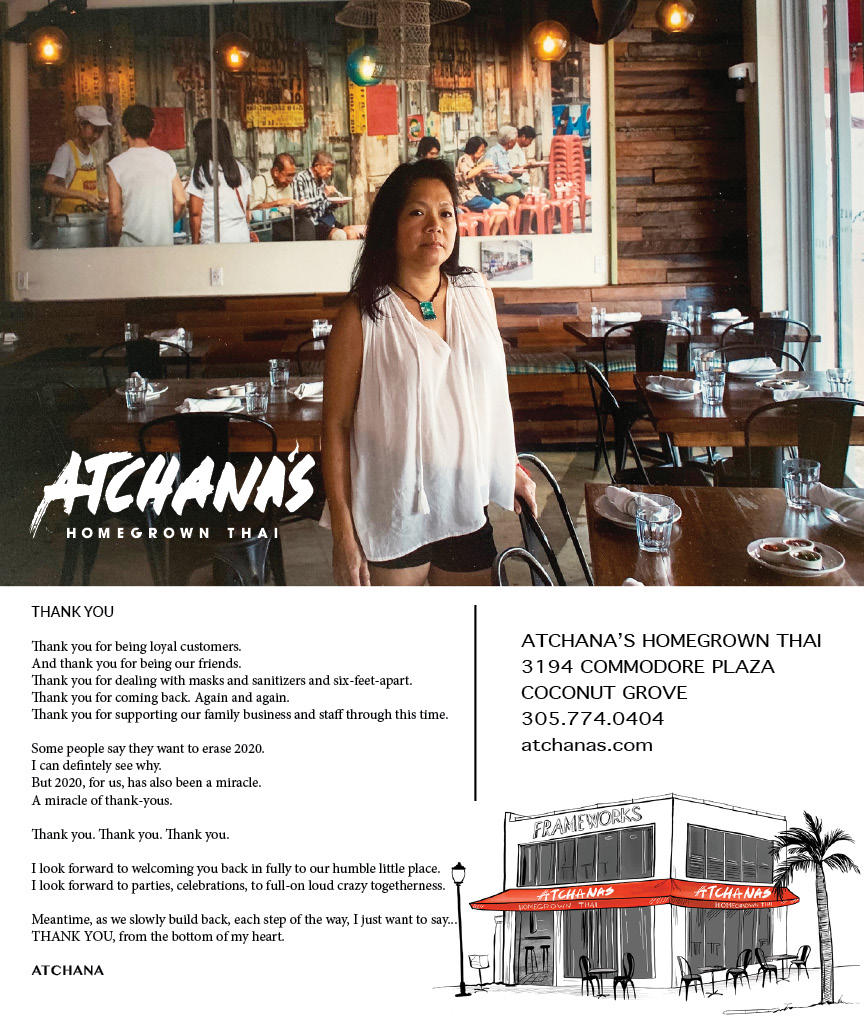
 Atchana’s Homegrown Thai
 Baptist Health South Florida


 Laser Eye Center of Miami

 Visiting Angels

 OpusCare of South Florida




 Your Pet’s Best


 HD Tree Services

 Hamilton Fox & Company


 Creative Design Services