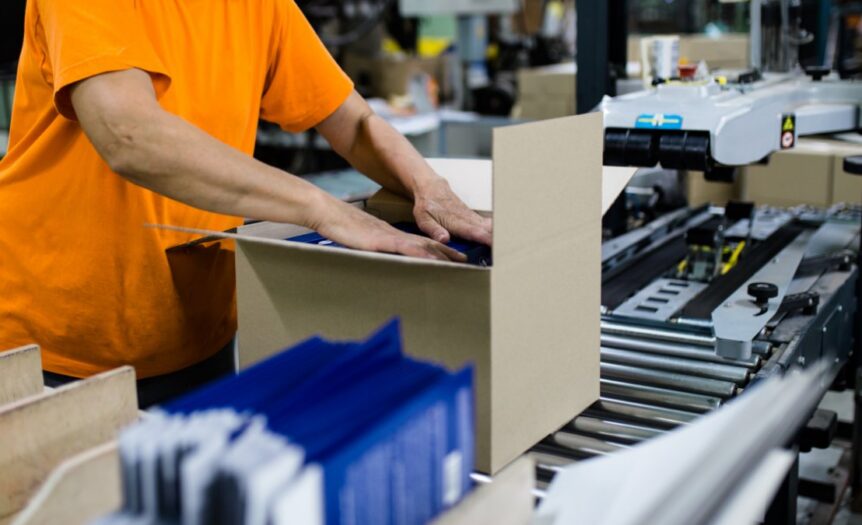
Packaging may look like the final step before a product leaves a facility, but the performance of that process can influence nearly every part of an operation. A slow wrapper, inconsistent handoff, awkward pallet station location, or unnecessary material movement can create delays that spread backward through production.
For manufacturers and distributors, those delays can increase labor demands, reduce throughput, and make daily output less predictable. Understanding the most common packaging line inefficiencies and how to address them gives teams a practical way to improve their operations.
Bottlenecks That Disrupt the Entire Line
A packaging line can only move as quickly as its slowest stage. When one station takes longer than the processes before and after it, products begin to accumulate.
A bottleneck might appear at case sealing, labeling, palletizing, stretch wrapping, inspection, or another transition point. Teams can identify these slowdowns by observing the line during normal production rather than relying only on overall daily output. Tracking cycle times at individual stations can reveal where products wait, where workers rush to catch up, and where equipment sits unused.
Once teams locate the restriction, they can determine whether the solution requires equipment adjustments, process changes, additional training, or automation.
Excessive Manual Handling
Manual labor remains valuable in packaging operations, especially when workers need to inspect products, manage unusual items, or respond to changing production requirements. However, it’s also one of the most common packaging line inefficiencies, so how do you address this issue?
Operations teams should examine repetitive tasks and ask whether employees spend their time on work that requires judgment or on movements that a machine could perform. Redirecting workers toward quality control, equipment oversight, and exception handling can make better use of their experience.
Automation does not need to replace every manual step. Selective automation can reduce repetitive tasks while preserving flexibility where human involvement adds value.
Poor Equipment Placement
Even capable equipment can underperform when a facility places it in the wrong location.
If workers must carry materials across long distances, move pallets around obstacles, or repeatedly cross other traffic paths, the layout creates unnecessary work. These extra movements increase cycle time and can make the work area more difficult to manage.
One tip for creating a lean packaging workflow is to arrange equipment in the same sequence that products follow through production. Supplies should remain close to the point of use, while finished products should have a clear path toward staging, storage, or shipping.
Teams do not always need a major renovation to improve layout. Moving a supply rack, repositioning a printer, or changing the direction of a conveyor can remove repeated steps from the process.
Inconsistent Packaging Materials
Packaging equipment performs best when materials remain reasonably consistent.
Variations in cartons, stretch film, labels, pallets, or other supplies can affect machine settings and product movement. A slight dimensional difference may cause jams, poor seals, unstable loads, or repeated operator adjustments.
Procurement decisions can therefore influence packaging performance. Selecting materials only by unit price may create hidden costs if lower-cost supplies produce more downtime or require additional labor.
Facilities should establish clear material specifications and communicate them to suppliers. Teams should also inspect incoming packaging materials when consistency becomes a recurring problem.
Unplanned Equipment Downtime
Packaging equipment eventually requires maintenance. The operational impact depends largely on whether teams address that maintenance before or after a failure.
When a critical machine stops unexpectedly, upstream production may continue until buffers fill. Employees may then need to pause production, reroute products, or switch to a slower manual process.
Preventive maintenance can reduce these disruptions. Operators should follow recommended service intervals and record recurring issues rather than treating each stoppage as an isolated event.
Daily inspections also help. Workers can look for loose components, film buildup, damaged rollers, unusual sounds, or other visible signs of developing trouble.
Frequent Changeovers
Many packaging operations handle multiple products, case sizes, pallet patterns, or film types. Each change may require workers to adjust equipment settings, replace materials, or reconfigure part of the line.
Changeovers become inefficient when teams rely on trial and error.
Facilities can improve consistency by documenting standard settings for recurring products. Operators can record conveyor speeds, wrapper settings, label positions, and other relevant information so the next setup begins from a proven starting point.
Organizing tools and change parts near the equipment also reduces wasted movement.
Poor Communication Between Production and Packaging
Packaging problems do not always begin inside the packaging area.
If production changes product size, output rate, pallet configuration, or schedule without giving the packaging team enough notice, the end of the line may struggle to adapt. The reverse can also happen. A packaging equipment issue can disrupt production when information does not reach upstream teams quickly.
Clear communication helps both sides plan around changing conditions. Daily production schedules should identify expected volumes and product changes. Teams should also share maintenance plans, staffing limitations, and material shortages before they create larger disruptions.
Short shift handoffs can improve continuity. The outgoing team can document equipment conditions, unusual product issues, and unfinished work so the incoming team starts with accurate information.
Underused Automation
Some facilities add automated equipment without redesigning the surrounding workflow. The result can be a faster machine inside a process that still moves slowly.
For example, an automated wrapper may complete its cycle quickly, but employees may still need to transport every pallet manually to and from the machine. In that case, the wrapper improves one step while the broader process continues to restrict throughput.
Teams should evaluate automation as part of the full packaging sequence. This broader approach helps teams determine where automation can remove delays without simply shifting the bottleneck to another part of the line.
Lack of Useful Performance Data
Managers cannot improve a process consistently if they cannot see what is happening.
Facilities do not need a complex analytics system to begin measuring packaging performance. Basic information such as units per hour, downtime duration, changeover time, rejected packages, and film or material consumption can reveal useful patterns.
Teams should focus on measurements that lead to practical decisions.
If downtime increases during a particular shift, managers can investigate equipment condition, staffing, training, or product mix. If material use rises without a corresponding increase in production, teams can review machine settings and waste.
Building a More Efficient Packaging Workflow
Addressing packaging line inefficiencies works best as an ongoing operational practice rather than a one-time project.
Teams can begin by observing the process from the moment a product reaches packaging until it enters storage or shipping. Every delay, repeated movement, manual adjustment, and unexpected stop provides information about where the workflow can improve.
Some fixes may involve automation or new equipment. Others may require only a layout change, better documentation, stronger communication, or more consistent materials.
For businesses in Florida and across the country, packaging efficiency can become increasingly important as companies manage labor constraints, distribution demands, and changing customer expectations. Improving the end of the line helps facilities use existing resources more effectively while creating a smoother path from production to shipment.








 Deering Estate

 Massage Envy South Miami

 Calla Blow Dry

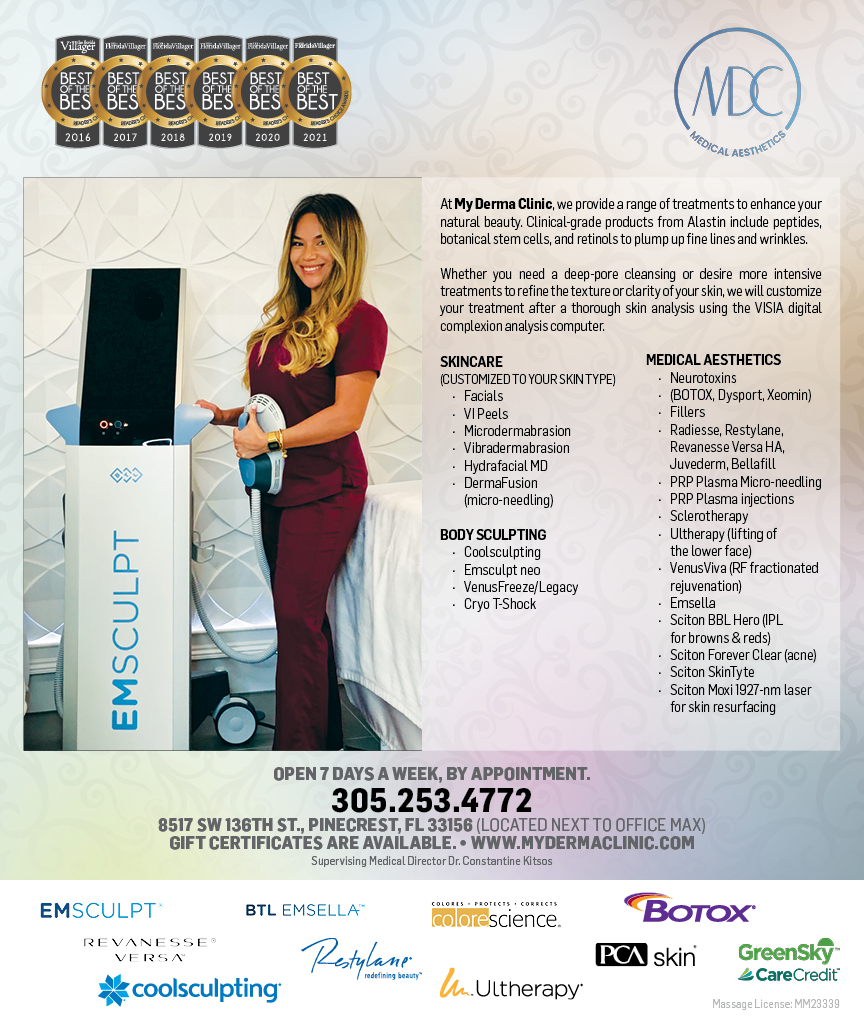
 My Derma Clinic
 Sports Grill

 The Healthy Kitchen

 Sushi Maki

 Golden Rule Seafood

 Malanga Cuban Café



 Kathleen Ballard

 Panter, Panter & Sampedro

 Vintage Liquors

 The Dog from Ipanema

 Rubinstein Family Chiropractic

 Your Pet’s Best

 Indigo Republic

 Animal Health and Rehab

 Maurice’s Jewelers

 ATR Luxury Homes



 2112 Design Studio

 Hamilton Fox & Company

 Creative Design Services

 Best Pest Professionals

 HD Tree Services

 Trinity Air Conditioning Company

 Cisca Construction & Development

 Mosquito Joe

 Cutler Bay Solar Solutions



 Miami Royal Ballet & Dance

 Christopher Columbus

 Pineview Preschools

 Westminster

 Carrollton

 Lil’ Jungle

 Frost Science Museum

 Palmer Trinity School

 South Florida Music

 Pinecrest Orthodontics

 Dr. Bob Pediatric Dentist

 d.pediatrics


 South Miami Women’s Health

 Endodontix Dental Group

 The Spot Barbershop

 My Derma Clinic





 Miami Dance Project


 Rubinstein Family Chiropractic

 Indigo Republic


 Safes Universe
 Vintage Liquors

 Evenings Delight






 Atchana’s Homegrown Thai

 Baptist Health South Florida


 Laser Eye Center of Miami

 Visiting Angels

 OpusCare of South Florida




 Your Pet’s Best


 HD Tree Services

 Hamilton Fox & Company


 Creative Design Services