Sending out products for the first time often brings a mix of excitement and uncertainty. Whether sending handmade crafts from home, mailing school fundraiser items, or running a small family business, getting packages safely from point A to point B requires more than just a box and a label. You have to select the right box, use a void filler, label everything, and more.
Understanding the basics early can prevent damaged goods, delays, and unnecessary costs. The following tips break down the essential steps to help beginners approach shipping products for the first time with confidence and care.
Choose the Right Box Size
Selecting the correct box size is one of the most important first steps in shipping. A box that is too large creates excess space, which can cause items to shift during transit. That movement increases the likelihood of damage, especially when packages are stacked, dropped, or handled multiple times.
At the same time, a box that is too small can exert pressure on its contents, particularly if the items are fragile or irregularly shaped. The goal is balance. Choose a box that fits your product closely while still allowing room for protective materials. For families shipping gifts or small business owners sending orders, this small decision can make a noticeable difference in how well items arrive.
Use Quality Packing Materials
Packing materials are not an area to cut corners. While it may feel tempting to reuse old boxes or leftover materials, worn or weakened supplies can fail during shipping. Strong corrugated boxes, durable packing tape, and reliable cushioning materials all contribute to a safer delivery.
High-quality materials also help packages withstand environmental factors. In warmer climates like South Florida, heat and humidity can weaken adhesives and soften certain materials. Investing in dependable supplies ensures packages remain sealed and protected throughout their journey, whether traveling locally or across the country.
Protect Items Properly
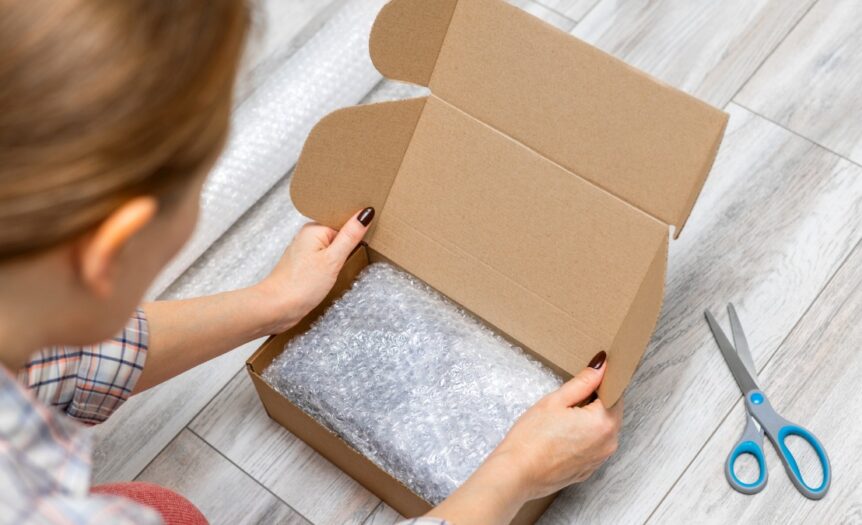
Fragile items require more than a single layer of protection. Wrap each item individually using bubble wrap, foam, or packing paper. This prevents items from bumping into each other and reduces the risk of cracks, chips, or breaks.
Additionally, ensure you know how to use void fill to prevent damage. Materials like air pillows, packing paper, or foam inserts help distribute pressure evenly and reduce movement. When done correctly, internal protection transforms a basic package into one that can handle the bumps and drops of shipping.
Placement inside the box also matters. Heavier items should sit at the bottom, while lighter or more delicate pieces go on top. Adding cushioning on all sides creates a buffer zone that absorbs impact. If you send out glassware, electronics, or keepsakes, taking extra time with this step significantly improves the chances of safe delivery.
Seal Packages Securely
Proper sealing keeps everything intact from pickup to delivery. The most effective method is the “H-taping” technique, which involves sealing the center seam and both edge seams of the box. This reinforces the structure and prevents accidental openings during handling.
Using the right tape is equally important. Standard packing tape provides strong adhesion, while alternatives like masking tape or duct tape may peel or loosen. Secure sealing protects not only the contents but also the shipment’s integrity, especially when packages travel through multiple sorting facilities.
Label Clearly and Accurately
Clear labeling ensures that packages reach the correct destination without delays. Handwritten labels can work, but printed labels reduce the risk of misreading addresses. Always double-check recipient details, including apartment numbers, ZIP codes, and street names.
Including a return address adds an extra layer of security. If a package cannot be delivered, it can be sent back rather than lost. For families sending care packages or small businesses fulfilling orders, accurate labeling is a simple but essential step that prevents avoidable complications.
Understand Shipping Options
Different carriers offer a range of services based on speed, cost, and package size. USPS, UPS, and FedEx each provide options such as ground shipping, priority delivery, and flat-rate pricing. Understanding these choices helps you match your shipment to your needs.
For example, local shipments within Florida may benefit from ground services, while time-sensitive packages may require expedited options. Comparing rates and delivery times allows first-time shippers to make informed decisions without overspending or sacrificing reliability.
Weigh and Measure Correctly
Shipping costs depend on both weight and size, and many carriers now rely on dimensional weight pricing to calculate rates. That means a large, lightweight box can cost more than a smaller, heavier one. When measurements are off, carriers may adjust the price after shipment, which can lead to unexpected fees or delays.
You can avoid issues by using a household scale and measuring tape before selecting a shipping option. Accurate dimensions make it easier to compare rates online and choose the most cost-effective service. Taking a few extra minutes upfront helps prevent billing surprises and keeps the shipping process smooth from start to finish.
Consider Weather and Distance
Shipping conditions vary with climate and distance, and these factors directly affect how well a package holds up in transit. In South Florida, high heat and humidity can soften adhesives, warp packaging, and damage sensitive items such as chocolate, candles, and electronics.
Distance also increases the number of times a package gets handled, sorted, and transferred between facilities. Each touchpoint adds stress to the box, making strong materials and reinforced packaging more important. Use double-walled boxes for heavier items and add extra cushioning for long-haul shipments.
Track and Insure Valuable Items
Tracking provides visibility throughout the shipping process, allowing both you and the recipient to monitor the package in real time and respond quickly if delays or delivery issues come up. Most major carriers automatically include tracking, so you can easily share updates and reduce “where is my order?” questions.
Insurance provides financial protection by covering the cost of items lost, stolen, or damaged in transit. Carriers typically offer coverage up to a set value, with the option to purchase more for higher-priced shipments. This matters when shipping electronics, custom products, or anything difficult to replace, because it ensures you won’t absorb the full loss if something goes wrong.
Keep In Touch With Customers
Another thing to keep in mind when shipping products for the first time is to stay in contact with customers. When someone places an order, there should be an option to enter their phone number or email address. This allows you to send order confirmations, shipping updates, and delivery notifications so they always know what to expect.
Clear communication builds trust and reduces confusion. Send tracking information as soon as you ship the package, and follow up if delays occur. Customers appreciate transparency, especially when shipping times vary. Staying proactive helps you create a better experience and encourages repeat business.
Whether shipping from a family home or managing growing orders, these practical tips help ensure safe, efficient deliveries. Over time, these habits become second nature, making shipping a smooth and dependable part of everyday life.








 Deering Estate
 Massage Envy South Miami
 Calla Blow Dry
 My Derma Clinic
 Sports Grill
 The Healthy Kitchen
 Sushi Maki
 Golden Rule Seafood
 Malanga Cuban Café


 Kathleen Ballard
 Panter, Panter & Sampedro
 Vintage Liquors
 The Dog from Ipanema
 Rubinstein Family Chiropractic
 Your Pet’s Best
 Indigo Republic
 Animal Health and Rehab
 Maurice’s Jewelers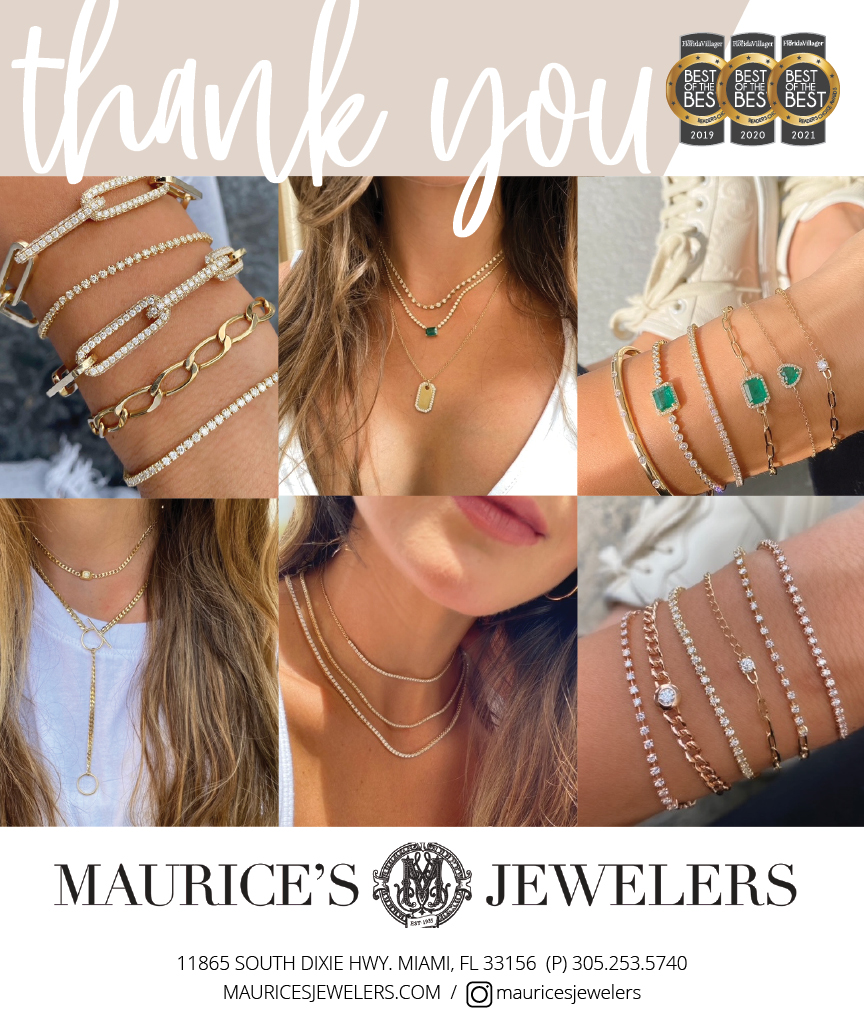
 ATR Luxury Homes

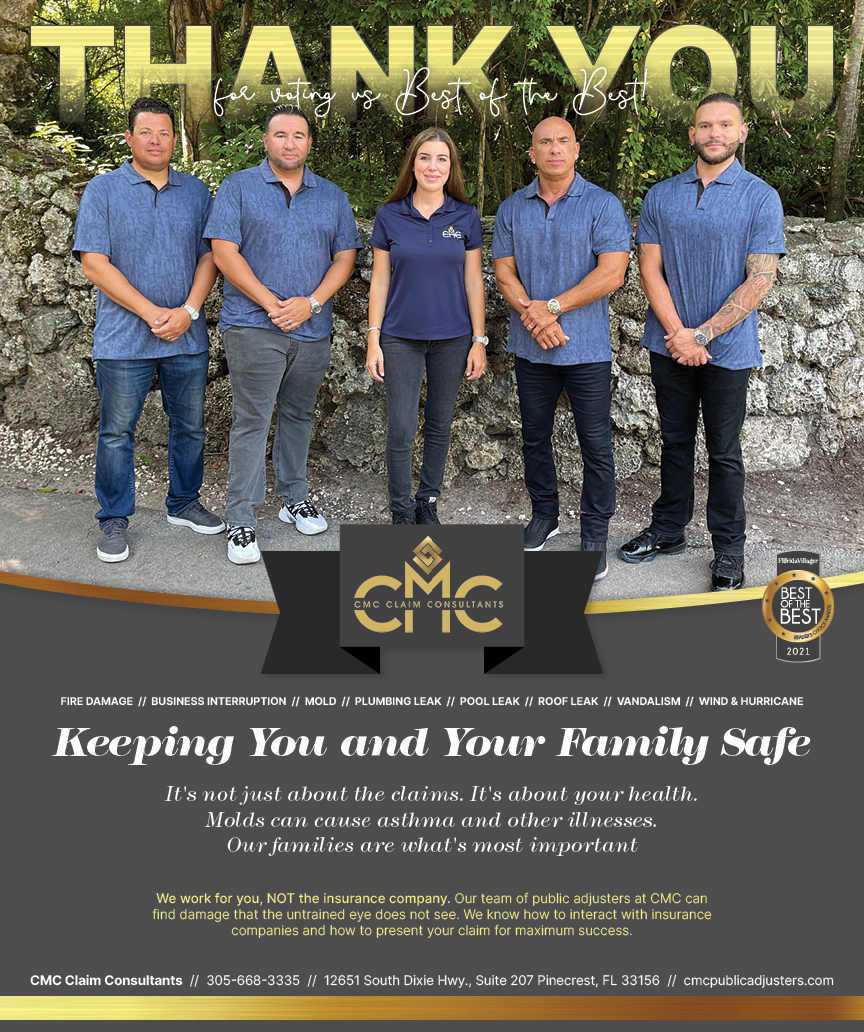
 2112 Design Studio
 Hamilton Fox & Company
 Creative Design Services
 Best Pest Professionals
 HD Tree Services
 Trinity Air Conditioning Company
 Cisca Construction & Development
 Mosquito Joe
 Cutler Bay Solar Solutions


 Miami Royal Ballet & Dance
 Christopher Columbus
 Pineview Preschools
 Westminster
 Carrollton
 Lil’ Jungle
 Frost Science Museum
 Palmer Trinity School
 South Florida Music
 Pinecrest Orthodontics
 Dr. Bob Pediatric Dentist
 d.pediatrics


 South Miami Women’s Health
 Endodontix Dental Group
 The Spot Barbershop
 My Derma Clinic




 Miami Dance Project

 Rubinstein Family Chiropractic
 Indigo Republic

 Safes Universe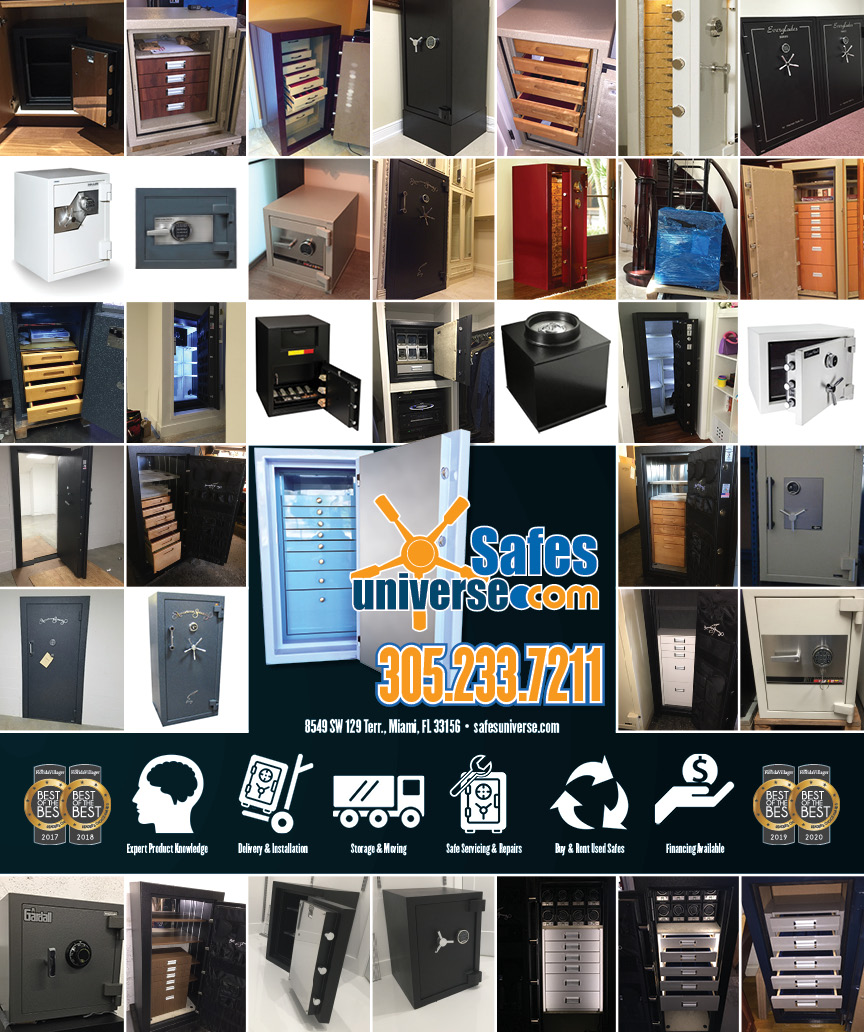
 Vintage Liquors
 Evenings Delight





 Atchana’s Homegrown Thai
 Baptist Health South Florida

 Laser Eye Center of Miami
 Visiting Angels
 OpusCare of South Florida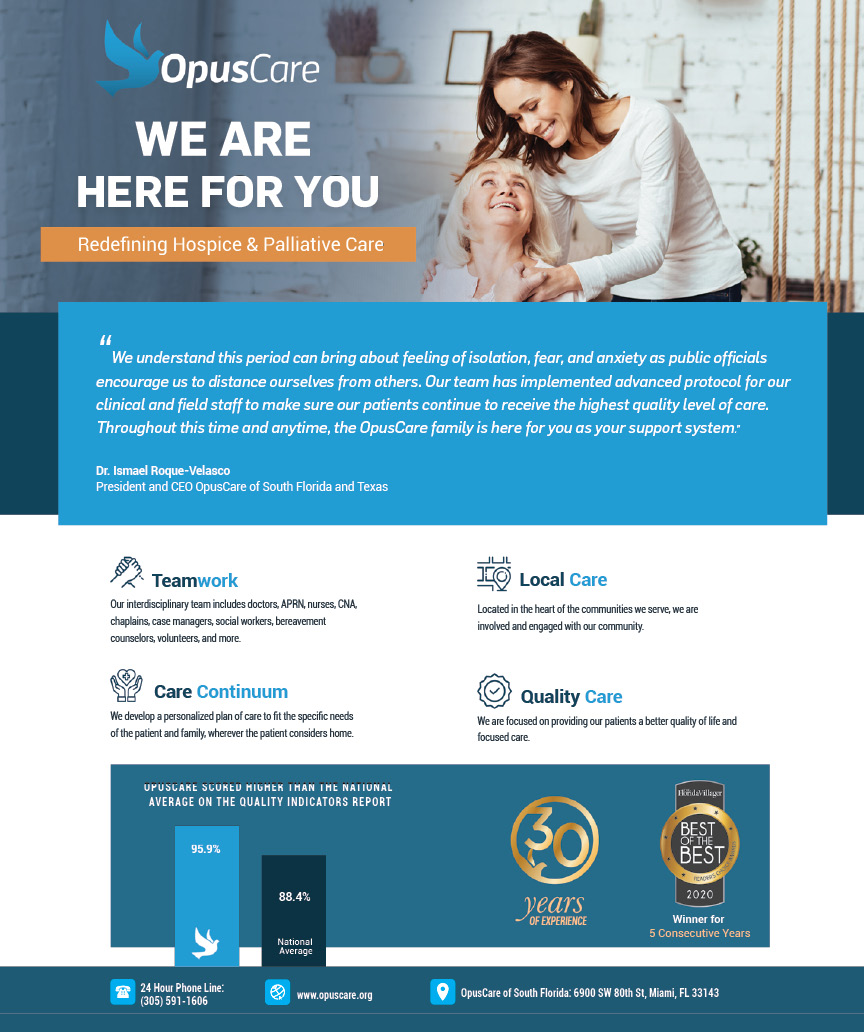



 Your Pet’s Best

 HD Tree Services
 Hamilton Fox & Company

 Creative Design Services