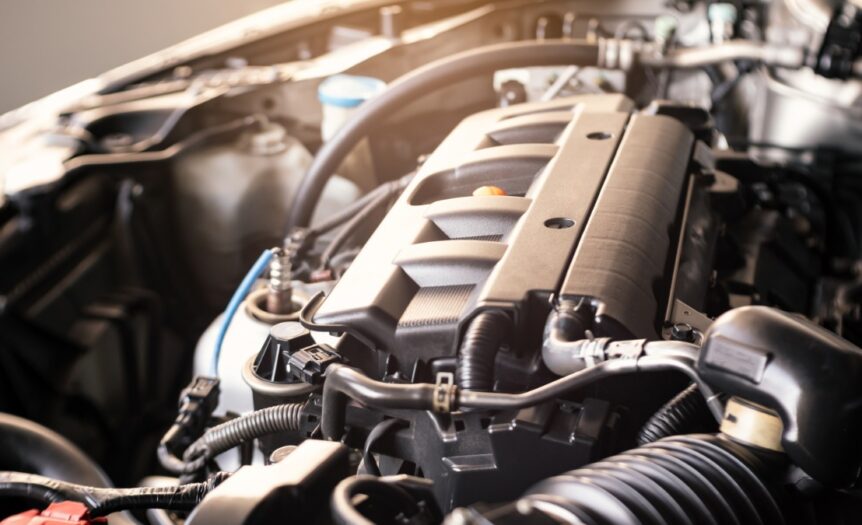
Heat is an unavoidable byproduct of internal combustion and high-performance engineering. Every time an engine runs, temperatures rise across multiple systems, from the combustion chamber to the exhaust and beyond. While this is a natural part of vehicle operation, excessive or poorly managed heat can significantly affect performance. Understanding how heat management impacts long-term vehicle performance is essential for anyone who wants to keep their vehicle running at its best for years to come.
The Relationship Between Heat and Engine Efficiency
At its core, an engine is a system designed to convert fuel into energy. However, not all of that energy is used efficiently. A substantial portion is lost as heat. When heat levels exceed optimal ranges, components begin to experience stress that can reduce efficiency over time.
For example, high temperatures can cause engine oil to thin out, reducing its ability to lubricate moving parts. This leads to increased friction, which not only reduces efficiency but also accelerates wear. Similarly, excessive heat can disrupt the air-fuel mixture, making combustion less efficient and leading to decreased power output.
Modern vehicles are designed with cooling systems to regulate temperature, but these systems can only do so much. Without proper heat management strategies, even the most advanced engines can suffer performance losses over time.
Component Wear and Material Fatigue
One of the most significant long-term effects of heat is material fatigue. Automotive components are built to withstand a range of temperatures, but constant exposure to high heat can weaken metals and other materials.
Parts such as pistons, valves, and exhaust systems are particularly vulnerable. Repeated heating and cooling cycles cause expansion and contraction, which can lead to cracks, warping, or even complete failure. Over time, this wear reduces the reliability of the vehicle and increases the likelihood of costly repairs.
Heat-related stress also affects seals and gaskets, which are critical for maintaining pressure and preventing leaks. When these components degrade, they can compromise the entire system, leading to reduced performance and efficiency.
The Impact on Electrical Systems
While much of the focus is on mechanical components, heat also plays a significant role in the health of a vehicle’s electrical systems. Modern vehicles rely heavily on electronics, including sensors, control modules, and wiring.
Excessive heat can damage these sensitive components, leading to malfunctions or failures. Overheating can cause wiring insulation to degrade, increasing the risk of short circuits. Similarly, electronic control units (ECUs) may experience reduced lifespan when exposed to prolonged high temperatures.
As vehicles become more technologically advanced, managing heat across both mechanical and electrical systems becomes increasingly important.
Cooling Systems Are Only Part of the Solution
Most drivers are familiar with traditional cooling systems, which include radiators and fans. While these systems are essential, they primarily address overall engine temperature rather than localized heat buildup.
Certain areas of a vehicle, such as exhaust manifolds or turbochargers, can reach extremely high temperatures that standard cooling systems cannot fully mitigate. These hotspots can have a cascading effect, raising temperatures in surrounding components and increasing overall thermal stress.
This is where more advanced heat management strategies come into play. Engineers and performance enthusiasts alike are turning to specialized materials and coatings to address these challenges at a more granular level.
Advanced Solutions for Thermal Management
To combat the effects of heat, the automotive industry has embraced innovative approaches that go beyond traditional cooling methods. One such approach involves the use of thermal barrier coatings, which are designed to reflect and dissipate heat more effectively.
These coatings can be applied to critical components, helping to reduce heat transfer and maintain more stable operating temperatures. By keeping heat contained or redirected, they protect surrounding parts and improve overall system efficiency.
For those interested in the technical side of these solutions, understanding the benefits of ceramic-based thermal barrier coatings for automotive parts can provide valuable insight into how modern engineering is addressing heat-related challenges.
In addition to coatings, materials such as heat-resistant alloys and composites are increasingly being used to enhance durability. These innovations allow components to withstand higher temperatures without compromising performance.
Performance Gains Through Better Heat Control
Effective heat management doesn’t just prevent damage—it can also enhance performance. When temperatures are kept within optimal ranges, engines can operate more efficiently, delivering better power output and fuel economy.
For example, reducing heat in the intake system can result in cooler, denser air entering the engine, which improves combustion efficiency. Similarly, managing exhaust heat can enhance the performance of turbocharged engines by maintaining optimal pressure levels.
These improvements may seem incremental, but over time, they contribute to a more reliable and responsive driving experience.
Long-Term Cost Savings
While investing in advanced heat management solutions may seem unnecessary at first, the long-term financial benefits can be significant. By reducing wear and preventing damage, these strategies help extend the lifespan of critical components.
Fewer breakdowns and repairs mean lower maintenance costs over the life of the vehicle. Additionally, improved efficiency can lead to better fuel economy, providing ongoing savings at the pump.
For fleet operators or performance enthusiasts who put significant mileage on their vehicles, these cost savings can add up quickly.
Environmental Considerations
Heat management also has implications for environmental performance. Engines that operate more efficiently produce fewer emissions, contributing to a smaller environmental footprint.
By minimizing heat-related inefficiencies, vehicles can achieve cleaner combustion and reduced fuel consumption. This not only benefits the environment but also helps drivers comply with increasingly strict emissions regulations.
As sustainability becomes a greater priority in the automotive industry, effective heat management will continue to play a key role in achieving these goals.
A Holistic Approach to Vehicle Longevity
Understanding how heat management impacts long-term vehicle performance requires looking at the vehicle as a complete system. It’s not just about keeping the engine cool; it’s about managing heat across all components to ensure optimal performance and durability.
From traditional cooling systems to advanced coatings and materials, there are multiple strategies available to address heat-related challenges. By combining these approaches, drivers can protect their vehicles from the damaging effects of excessive heat while also enhancing performance and efficiency.
Protect Your Vehicle
Heat is an inevitable part of vehicle operation, but its effects don’t have to be detrimental. With the right strategies in place, it’s possible to control and even leverage heat to improve performance and extend the life of your vehicle.
Whether you’re a daily driver or a performance enthusiast, paying attention to heat management can make a noticeable difference in how your vehicle performs over time. By taking a proactive approach and incorporating modern solutions, you can ensure that your vehicle remains reliable, efficient, and capable for years to come.








 Deering Estate
 Massage Envy South Miami
 Calla Blow Dry
 My Derma Clinic
 Sports Grill
 The Healthy Kitchen
 Sushi Maki
 Golden Rule Seafood
 Malanga Cuban Café


 Kathleen Ballard
 Panter, Panter & Sampedro
 Vintage Liquors
 The Dog from Ipanema
 Rubinstein Family Chiropractic
 Your Pet’s Best
 Indigo Republic
 Animal Health and Rehab
 Maurice’s Jewelers
 ATR Luxury Homes


 2112 Design Studio
 Hamilton Fox & Company
 Creative Design Services
 Best Pest Professionals
 HD Tree Services
 Trinity Air Conditioning Company
 Cisca Construction & Development
 Mosquito Joe
 Cutler Bay Solar Solutions


 Miami Royal Ballet & Dance
 Christopher Columbus
 Pineview Preschools
 Westminster
 Carrollton
 Lil’ Jungle
 Frost Science Museum
 Palmer Trinity School
 South Florida Music
 Pinecrest Orthodontics
 Dr. Bob Pediatric Dentist
 d.pediatrics


 South Miami Women’s Health
 Endodontix Dental Group
 The Spot Barbershop
 My Derma Clinic




 Miami Dance Project

 Rubinstein Family Chiropractic
 Indigo Republic

 Safes Universe
 Vintage Liquors
 Evenings Delight





 Atchana’s Homegrown Thai
 Baptist Health South Florida

 Laser Eye Center of Miami
 Visiting Angels
 OpusCare of South Florida



 Your Pet’s Best

 HD Tree Services
 Hamilton Fox & Company

 Creative Design Services