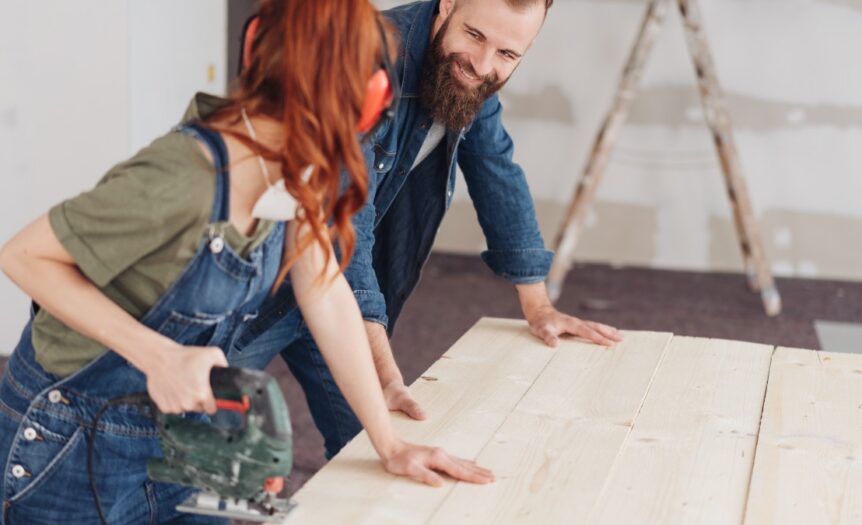
Finding creative ways to turn wood scraps into home projects can make leftover pieces feel less like garage clutter and more like raw material for something personal. A short board, a thin strip of trim, or a small plywood offcut may not look like much at first, yet those pieces can still bring charm and function into everyday spaces.
Scrap wood projects work best when they stay simple. You don’t need advanced tools or a large workshop. With sanding, safe hardware, and a clear idea, small pieces can become playful decor, family organizers, patio accents, or handmade gifts.
For families, that’s part of the appeal. Reusing wood gives kids a chance to see how materials can get a second life, while adults can solve small home problems without buying something new.
Make a Family Message Ledge
A short board can become a family message ledge near the kitchen, mudroom, or hallway. Add small clips, hooks, or a narrow groove to hold notes, school reminders, birthday cards, or grocery lists.
This project works well because it keeps paper from spreading across counters. It also gives families one shared place for the small reminders that tend to disappear during busy mornings.
Paint the board a bright color for a kids’ area, or a soft neutral for a main living space. Add labels if several family members need their own spot.
Create a Mini Gallery for Kids’ Art
Kids’ artwork can pile up fast. Instead of storing every drawing in a drawer, use scrap wood to create a rotating mini gallery.
A thin strip of wood with clips attached can hold drawings, report cards, photos, or small paper crafts. Mount it at a child-friendly height in a playroom, hallway, or homework space. When new art comes home, swap it in without adding new nail holes to the wall.
This idea keeps the display flexible. It also gives children a sense of ownership over their space without turning the refrigerator into the only gallery in the house.
Build a Tabletop Charging Dock
A small charging dock can help tame cords on a kitchen counter, nightstand, or entry table. Use one flat scrap as the base and another small piece as a back support. Add a notch or drilled opening for the cord, and sand every edge smooth.
Keep the design simple. The dock only needs to hold a phone at a comfortable angle and keep the charging cable from sliding behind furniture.
A painted finish can match a bedroom or home office. A clear finish can show off the wood grain if the scrap has a nice surface.
Turn Trim Pieces Into Decorative Frames
Leftover trim works well for small frames. Instead of buying a new frame for every photo, recipe card, or print, cut and trim scraps to size and create a simple border.
These frames can work for family photos, pressed leaves, kids’ drawings, or postcards from local outings. A small handmade frame can also make a thoughtful gift for grandparents, teachers, or neighbors.
Keep the weight light, especially if the frame will hang on a wall. Use the right hanging hardware and check that the corners feel secure before displaying it.
Make Patio Plant Risers
South Florida patios, balconies, and porches often need good airflow around planters. Scrap wood can help lift pots slightly off the ground, which may reduce trapped moisture underneath.
Use sturdy scraps to make small plant risers for decorative pots. Sand rough spots and use an outdoor-friendly finish if the piece will sit where rain can reach it.
Avoid unknown treated wood around edible plants. When you don’t know the history of a scrap, keep it away from herbs, vegetables, and fruit plants.
Make a Simple Recipe Card Stand
A small angled stand can hold a recipe card, printed instructions, or a phone while someone cooks. This project suits kitchens because it uses minimal materials and doesn’t require a complicated build.
Use a flat base and a narrow support piece. Sand everything well, especially the front edge where hands may touch. Add a food-safe finish if the stand will sit near prep areas.
This kind of project also works as a small, handmade gift. Pair it with a family recipe card for something personal and useful.
Build a “Found Treasures” Tray
Families collect small items everywhere: shells from the beach, stones from a walk, buttons, coins, or tiny toys. A shallow scrap wood tray can give those items a home. A small tray near the door can hold shells until someone sorts or displays them. Another tray in a child’s room can hold little finds without scattering them across the floor.
Keep trays shallow, smooth, and easy to clean. Add felt pads underneath if they’ll sit on furniture.
Make Closet Labels That Last
Thin wood scraps can become sturdy labels for bins, baskets, or closet shelves. Paint them with chalkboard paint or write directly on them with a marker. Drill a small hole and tie them to baskets with twine.
These labels work well for toy bins, seasonal decor, craft supplies, or sports gear. Unlike paper labels, wood labels hold up better in busy spaces.
This project also helps families sort storage areas without buying a full organizing system.
Use Scraps for Safer Practice Cuts
Not every scrap needs to become a finished object. Some pieces can help adults practice before cutting more expensive material.
Use scrap wood to test paint colors, stain shades, drill bit sizes, or saw settings. A practice piece can show how the final material may react before you commit to the real project.
That small test can prevent mistakes, especially when working with unfamiliar tools or finishes.
Know When a Scrap Shouldn’t Stay
Creative reuse still requires common sense. Moldy wood, rotted boards, untreated lumber, and old painted scraps can pose safety risks. Older painted wood warrants caution, especially since homes built before 1978 might contain lead-based paint.
Safe reuse also means knowing when leftover woodworking materials need proper disposal instead of another spot in the garage. That choice keeps questionable scraps out of family projects and helps keep the home safer.
Local rules vary, so families should check city or county guidance before placing construction debris at the curb.
Give Small Scraps a Real Purpose
The best creative ways to reuse wood scraps around the home don’t require big builds. They turn leftover materials into small pieces that make daily life easier, more organized, or more personal.
A scrap board can display a child’s art. A trim piece can frame a memory. A plywood offcut can hold a phone, recipe card, or small collection from a family outing. With safe materials and a little planning, leftover wood can become something worth keeping.







 Deering Estate
 Massage Envy South Miami
 Calla Blow Dry
 My Derma Clinic
 Sports Grill
 The Healthy Kitchen
 Sushi Maki
 Golden Rule Seafood
 Malanga Cuban Café


 Kathleen Ballard
 Panter, Panter & Sampedro
 Vintage Liquors
 The Dog from Ipanema
 Rubinstein Family Chiropractic
 Your Pet’s Best
 Indigo Republic
 Animal Health and Rehab
 Maurice’s Jewelers
 ATR Luxury Homes


 2112 Design Studio
 Hamilton Fox & Company
 Creative Design Services
 Best Pest Professionals
 HD Tree Services
 Trinity Air Conditioning Company
 Cisca Construction & Development
 Mosquito Joe
 Cutler Bay Solar Solutions


 Miami Royal Ballet & Dance
 Christopher Columbus
 Pineview Preschools
 Westminster
 Carrollton
 Lil’ Jungle
 Frost Science Museum
 Palmer Trinity School
 South Florida Music
 Pinecrest Orthodontics
 Dr. Bob Pediatric Dentist
 d.pediatrics


 South Miami Women’s Health
 Endodontix Dental Group
 The Spot Barbershop
 My Derma Clinic




 Miami Dance Project

 Rubinstein Family Chiropractic
 Indigo Republic

 Safes Universe
 Vintage Liquors
 Evenings Delight





 Atchana’s Homegrown Thai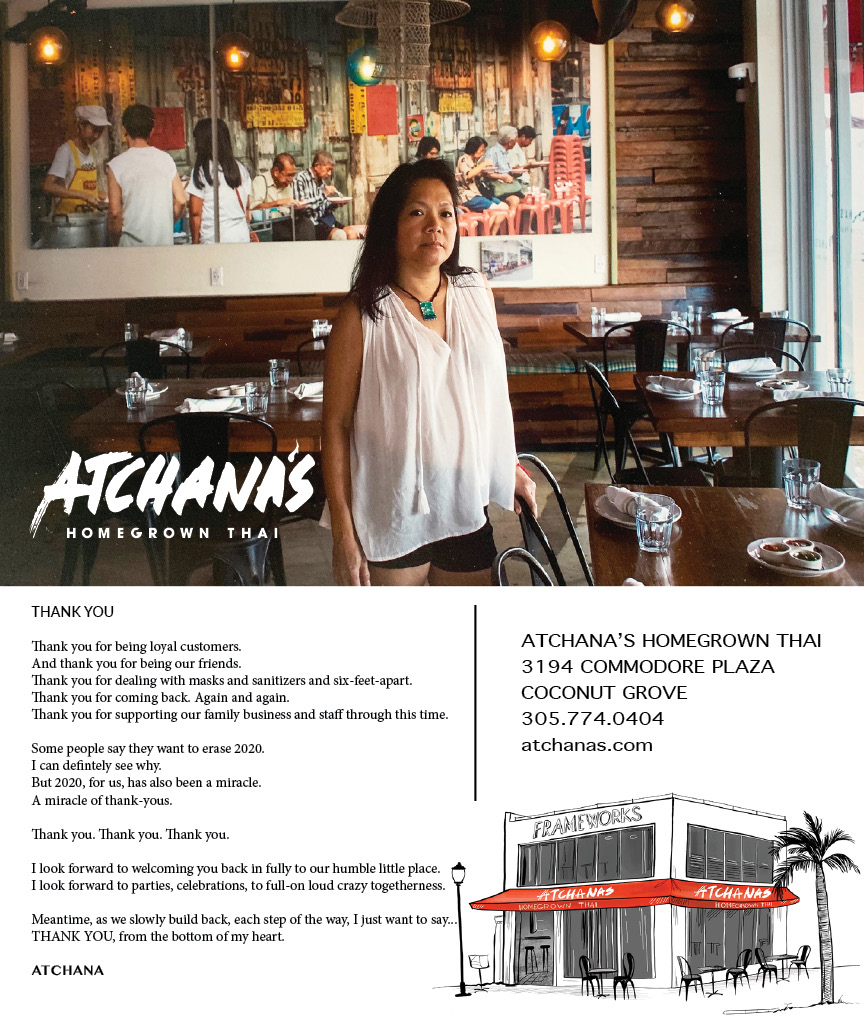
 Baptist Health South Florida

 Laser Eye Center of Miami
 Visiting Angels
 OpusCare of South Florida



 Your Pet’s Best

 HD Tree Services
 Hamilton Fox & Company

 Creative Design Services