Potatoes are among the most important food crops on the planet, ranking only behind rice, wheat, and maize in their ubiquity as staple sources of nutrition worldwide. Grown in over 150 countries, billions of people on every inhabited continent depend on potatoes as an essential source of carbohydrates, protein, and fiber, as well as critical micronutrients such as Vitamin A.
Potatoes are also one of the most important crops with regard to sustainability, due to their ability to grow efficiently using fewer resources than other competing crops. Potato crops can produce a high yield of nutrient-dense food that can be easily stored and transported over long distances without excessive risk of spoilage. However, to maximize their environmental and economic benefits, farmers must invest in sustainable water solutions and other techniques that optimize their resource efficiency.
In the following article, we’ll discuss some of the ways potato farmers can maintain high yields while reducing water consumption. Many of these strategies are being implemented by members of farming organizations such as the Washington State Potato Commission and are effective techniques for supporting long-term sustainability and resource management:
Precision Irrigation
One of the best practices for reducing water consumption when growing potatoes and other crops is known as precision irrigation. This is a method of watering crops that utilizes various advanced methods for ensuring that only the amount of water needed for optimal crop yield is used. This is a major advancement over traditional irrigation methods, which tend to utilize excessive amounts of water, much of which is lost to runoff and evaporation.
The term “precision irrigation” does not refer to a single technique but several that, when combined, can dramatically reduce water requirements for a farm. The key to this technique is to gather as much data as possible about the specific crop, the weather conditions, and the terrain itself. Watering can then be adjusted to ensure that the correct amount is applied for any given conditions.
The method of watering also helps to reduce the amount that is needed. Frequently, drip irrigation is used to directly target roots. With this method, tubing is run across the plot of land, which delivers small but steady quantities of water throughout the day, providing consistent hydration without excessive waste.
Soil Moisture Monitoring
Building on the techniques listed above, soil moisture monitoring is one of the most crucial ways farmers can collect data to be used for sustainable water solutions on a farm. This technique also utilizes advanced technology for the purposes of reducing water use for irrigation. In this case, an array of sensors is used to determine the exact amount of moisture present in the soil.
Soil moisture monitoring sensors communicate with one another by measuring electrical currents transmitted through the soil. The voltage of these currents is affected by the water levels and the density of the soil itself, allowing the system to gather large amounts of data that can be transmitted to precision irrigation software. Farmers can then use this data to determine the exact amount of water required at any given time, a variable that can differ greatly depending on the conditions of the day.
Water Recycling
When referring to sustainability in agriculture, many people are confused by the concept of water being lost or wasted. After all, doesn’t all the water used by humans eventually reenter the water cycle? While the answer to this is technically yes—water does reenter the cycle as a part of the natural process of evaporation and rainfall—the reality is somewhat more complex.
A great deal of the water that is “lost” through agriculture and other uses is simply no longer safe for further human consumption or for the surrounding ecosystem. This is because the water in runoff is often contaminated with the chemicals commonly used by farmers, including fertilizers and pesticides.
To mitigate this loss of water and contribute to sustainability, potato farmers can use recycled water instead of freshwater. With this method of watering, multiple techniques are applied to make water safe for use in agriculture. For example, larger contaminants may be filtered out, while treatments may also be applied to eliminate or neutralize the presence of harmful chemicals. The water can then be used to aid in the growth of crops, despite having already been utilized for other purposes.
Drought-Resistant Crop Varieties
Planting of crops that require less water than similar varieties is another one of the major sustainable water solutions utilized by potato farmers. Such drought-resistant crops can naturally thrive better than other major food crops in environments that receive less rainfall. Their ability to maintain high outputs in dry conditions means that these crops are far more versatile than their closest competitors.
Some of the most familiar types of potato in the United States, including Russet potatoes and other grocery store staples, require relatively large quantities of water to maintain their yield. So many farmers are increasingly choosing to grow lesser-known but more drought-tolerant varieties, such as the Adirondack Blue potato. This variety has been bred recently to select for its combination of toughness in the face of climate challenges and excellent eating quality, especially when boiled or steamed.
By implementing tactics like precision irrigation, soil monitoring, and water recycling and growing drought-resistant varieties, potato farmers are working hard to increase the worldwide availability of this critical crop. If you’d like to be a part of this crucial project, make an effort to support your local potato farmers both by purchasing their produce and helping to spread the word. Together, we can all help achieve a more sustainable future, with greater levels of food security for people everywhere.







 Deering Estate
 Massage Envy South Miami
 Calla Blow Dry
 My Derma Clinic
 Sports Grill
 The Healthy Kitchen
 Sushi Maki
 Golden Rule Seafood
 Malanga Cuban Café


 Kathleen Ballard
 Panter, Panter & Sampedro
 Vintage Liquors
 The Dog from Ipanema
 Rubinstein Family Chiropractic
 Your Pet’s Best
 Indigo Republic
 Animal Health and Rehab
 Maurice’s Jewelers
 ATR Luxury Homes


 2112 Design Studio
 Hamilton Fox & Company
 Creative Design Services
 Best Pest Professionals
 HD Tree Services
 Trinity Air Conditioning Company
 Cisca Construction & Development
 Mosquito Joe
 Cutler Bay Solar Solutions


 Miami Royal Ballet & Dance
 Christopher Columbus
 Pineview Preschools
 Westminster
 Carrollton
 Lil’ Jungle
 Frost Science Museum
 Palmer Trinity School
 South Florida Music
 Pinecrest Orthodontics
 Dr. Bob Pediatric Dentist
 d.pediatrics

 South Miami Women’s Health
 Endodontix Dental Group
 The Spot Barbershop
 My Derma Clinic




 Miami Dance Project

 Rubinstein Family Chiropractic
 Indigo Republic

 Safes Universe
 Vintage Liquors
 Evenings Delight





 Atchana’s Homegrown Thai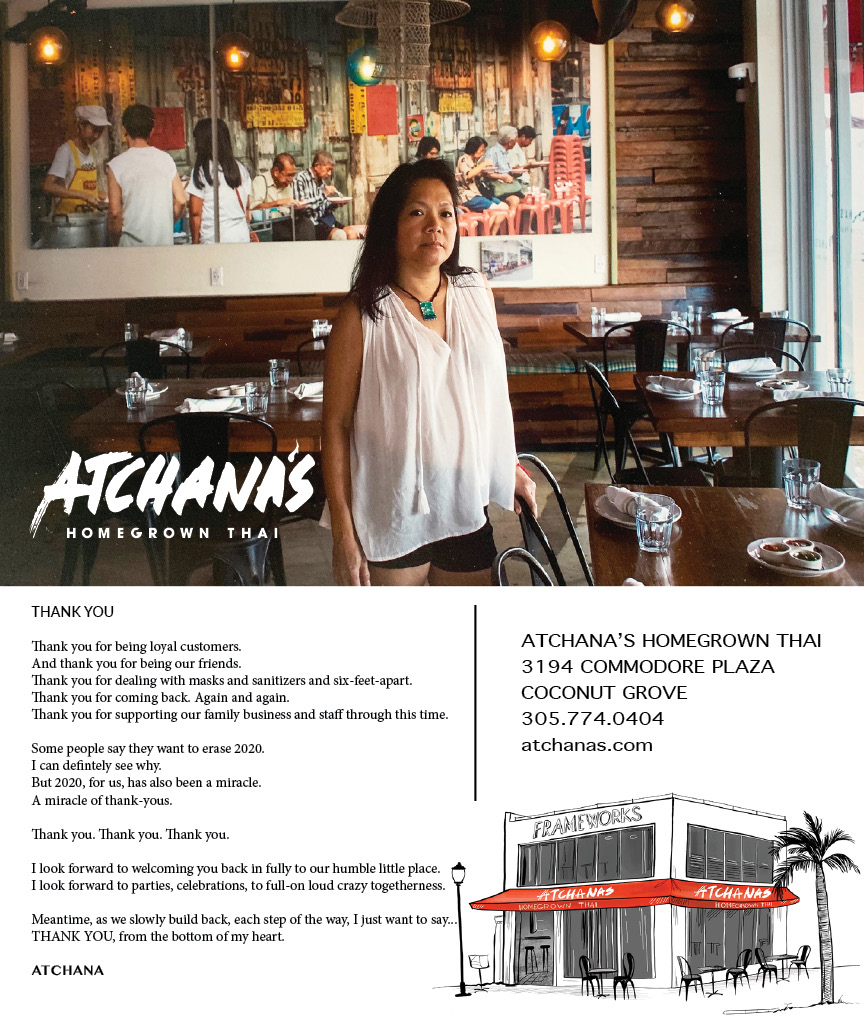
 Baptist Health South Florida

 Laser Eye Center of Miami
 Visiting Angels
 OpusCare of South Florida



 Your Pet’s Best

 HD Tree Services
 Hamilton Fox & Company

 Creative Design Services