Tasting rooms attract visitors beyond the beverages they offer. The role of aesthetic touches in tasting room experiences sets the tone for every interaction and shapes perceptions of quality and expertise.
Guests use all their senses, and visual appeal creates the initial impression that impacts their overall experience. The moment guests arrive at your establishment, making a strong first impression is crucial. Here’s how the aesthetics of your business can enhance customer satisfaction and engagement.
Design Shapes Guest Perceptions
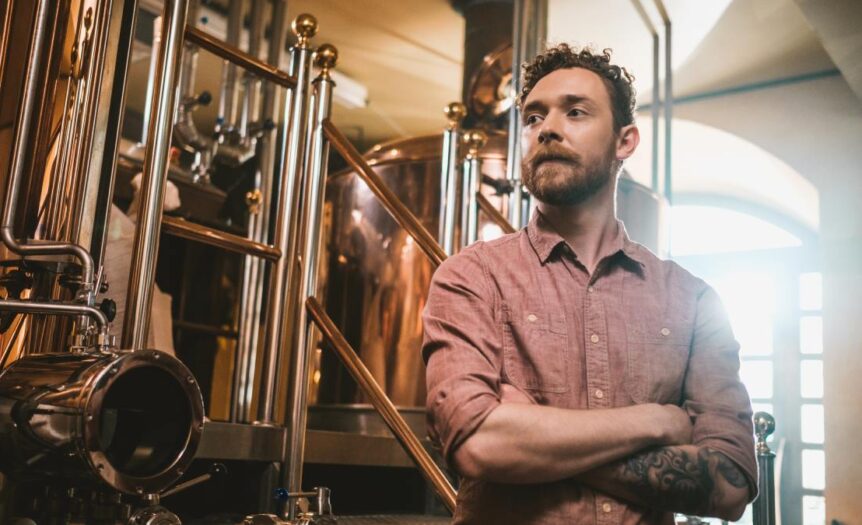
Interior layout and décor set the mood immediately. Lighting affects how guests view products and can create warmth or drama, depending on its placement. Furniture selection balances comfort with visual appeal, giving patrons spaces that invite lingering without feeling crowded. Color palettes reinforce brand identity while contributing to ambiance, whether through muted tones that emphasize calm or vibrant shades that energize.
Wall art, displays, and shelving offer subtle cues about the distillery’s personality. Intentionally arranging bottles and promotional materials highlights special releases and signature products. Spatial organization also guides visitors naturally through the tasting journey, promoting both engagement and flow.
Visual Hierarchy Enhances Engagement
Strategic positioning of focal points captures attention and directs movement. Centerpieces, artwork, and product displays draw guests toward curated areas, while secondary elements fill spaces with context and character.
Small details such as coasters, menus, and signage support an environment where every visual element communicates purpose. This layered approach elevates the perception of quality and encourages interaction with products.
Textures and Materials Create Depth
Mixing textures and finishes adds a sensory dimension that complements tasting experiences. Wood surfaces convey warmth and tradition, metal accents provide a modern edge, and glass elements enhance light and clarity.
Flooring choices influence acoustics and comfort, while tactile components such as chair materials or wall treatments engage visitors in subtle, immersive ways.
Signature Elements Leave a Lasting Impression
Any establishment benefits when each touch reinforces identity. Incorporating branded glassware makes a strong statement. For example, if you own a distillery, you should consider having a signature glass design.
This way, you can create consistency in tasting presentations, heightening recognition, and forming connections between the product and its experience. Custom glass shapes, etched logos, and unique textures communicate attention to detail and create lasting memories for guests.
Integrating Function With Aesthetics
Practical considerations blend seamlessly with visual appeal. Shelving supports both display and accessibility, lighting emphasizes products without glare, and seating fosters interaction without crowding.
Sound management through soft materials and strategic layouts ensures conversations remain comfortable while maintaining atmosphere. Every design choice influences how guests perceive quality and shapes their overall impression of the brand.
Elevating the Guest Journey
The role of aesthetic touches in tasting room experiences extends beyond mere decoration. Thoughtful design enhances storytelling, guides engagement, and leaves visitors with a memorable impression of craftsmanship and care. From lighting and layout to signature glassware, every detail contributes to a cohesive environment that resonates long after the tasting concludes.







 Deering Estate
 Massage Envy South Miami
 Calla Blow Dry
 My Derma Clinic
 Sports Grill
 The Healthy Kitchen
 Sushi Maki
 Golden Rule Seafood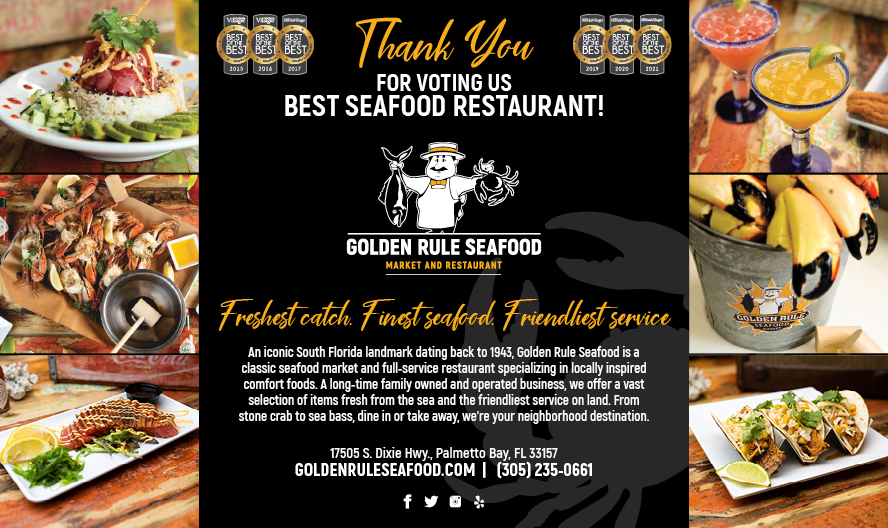
 Malanga Cuban Café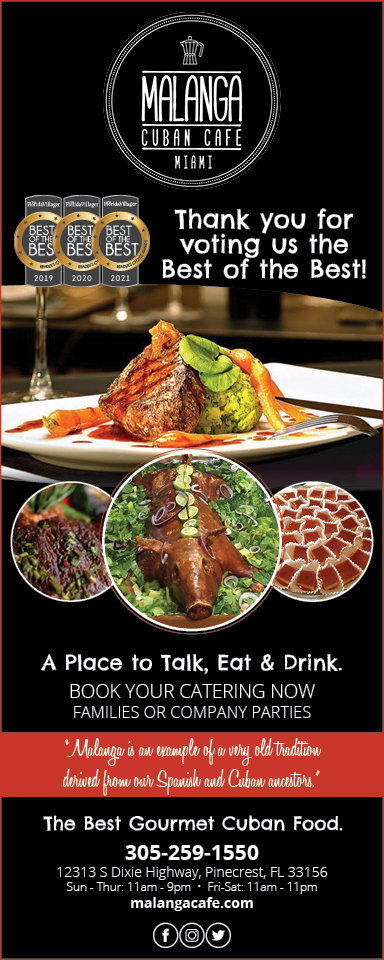


 Kathleen Ballard
 Panter, Panter & Sampedro
 Vintage Liquors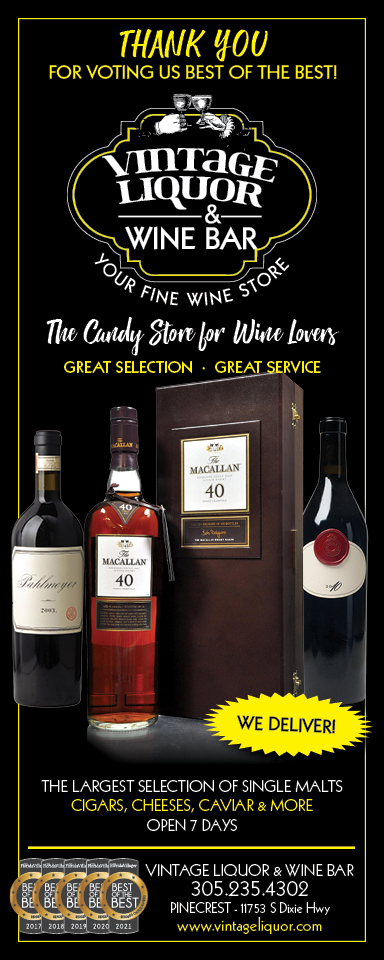
 The Dog from Ipanema
 Rubinstein Family Chiropractic
 Your Pet’s Best
 Indigo Republic
 Animal Health and Rehab
 Maurice’s Jewelers
 ATR Luxury Homes


 2112 Design Studio
 Hamilton Fox & Company
 Creative Design Services
 Best Pest Professionals
 HD Tree Services
 Trinity Air Conditioning Company
 Cisca Construction & Development
 Mosquito Joe
 Cutler Bay Solar Solutions


 Miami Royal Ballet & Dance
 Christopher Columbus
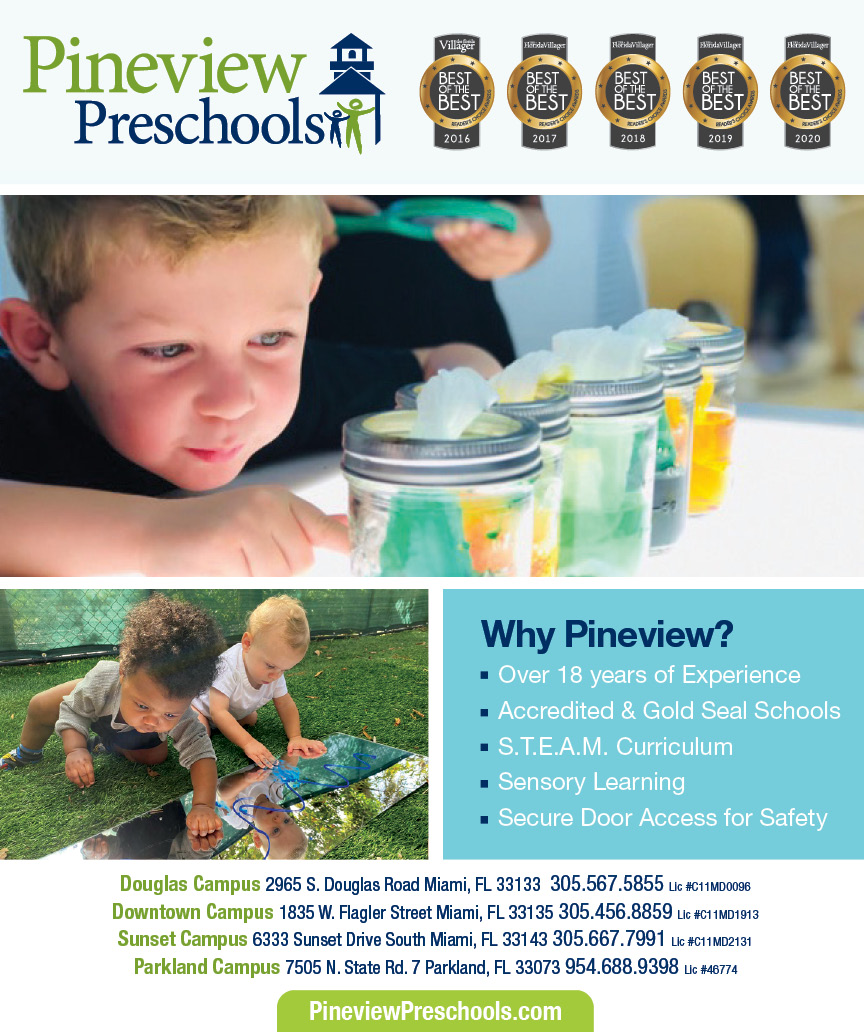
 Pineview Preschools
 Westminster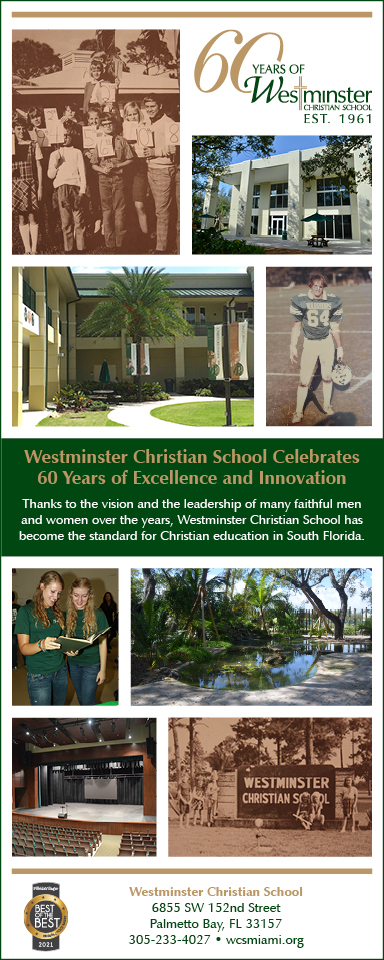
 Carrollton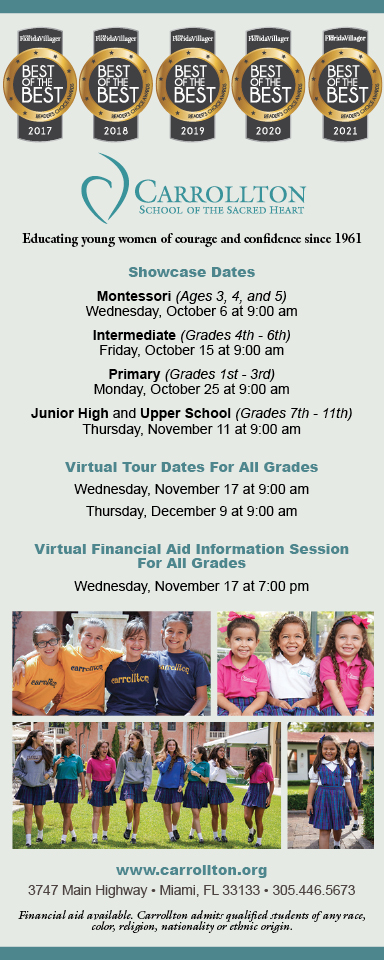
 Lil’ Jungle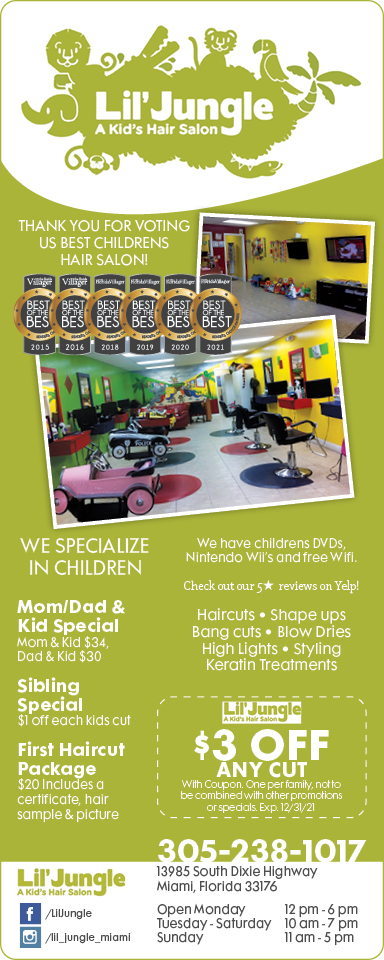
 Frost Science Museum
 Palmer Trinity School
 South Florida Music
 Pinecrest Orthodontics
 Dr. Bob Pediatric Dentist
 d.pediatrics

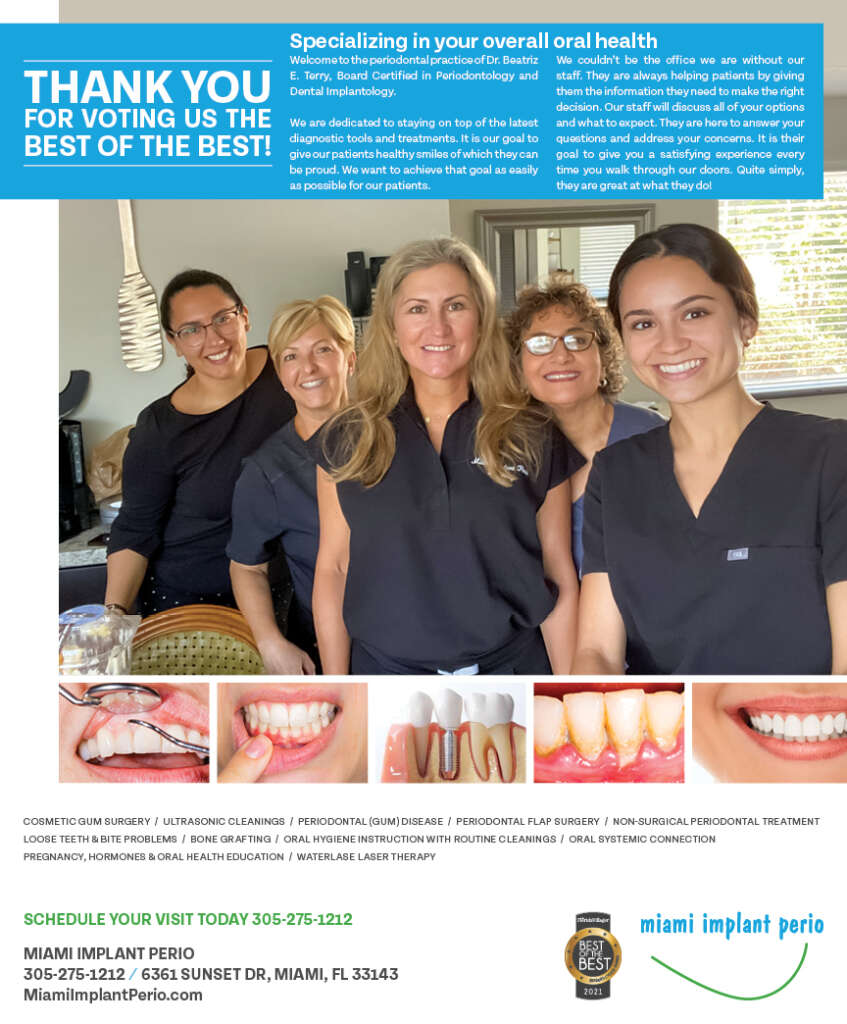
 South Miami Women’s Health
 Endodontix Dental Group
 The Spot Barbershop
 My Derma Clinic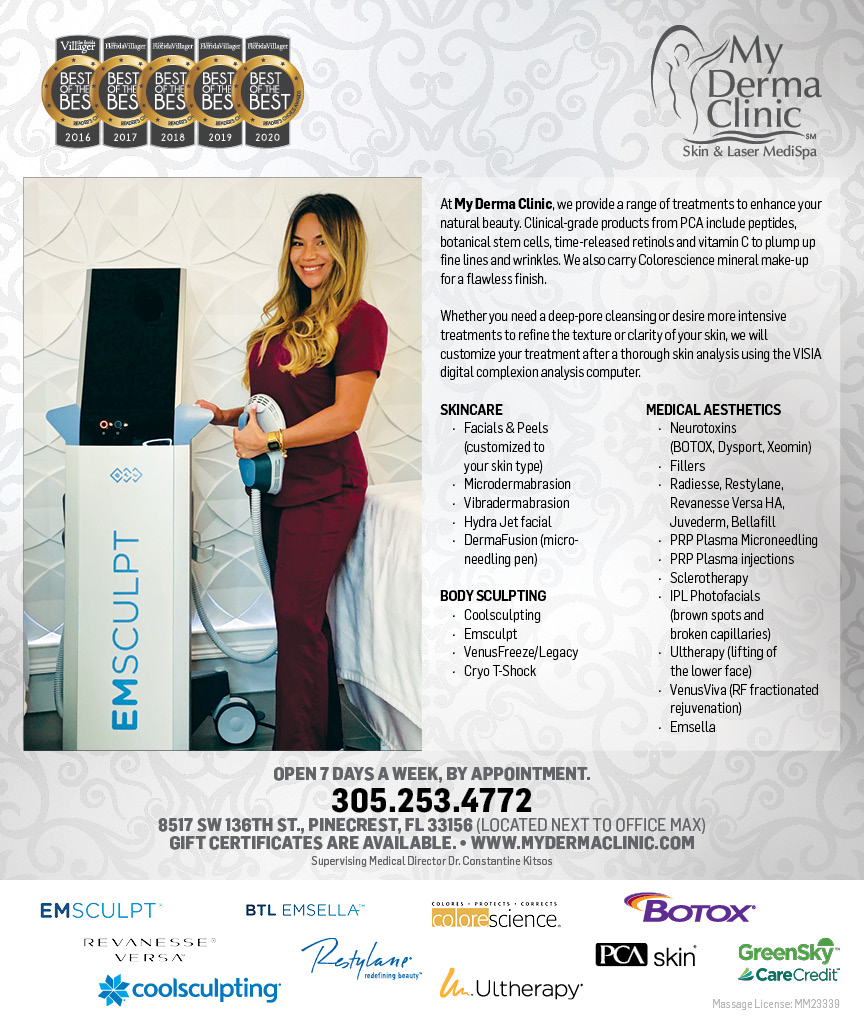



 Miami Dance Project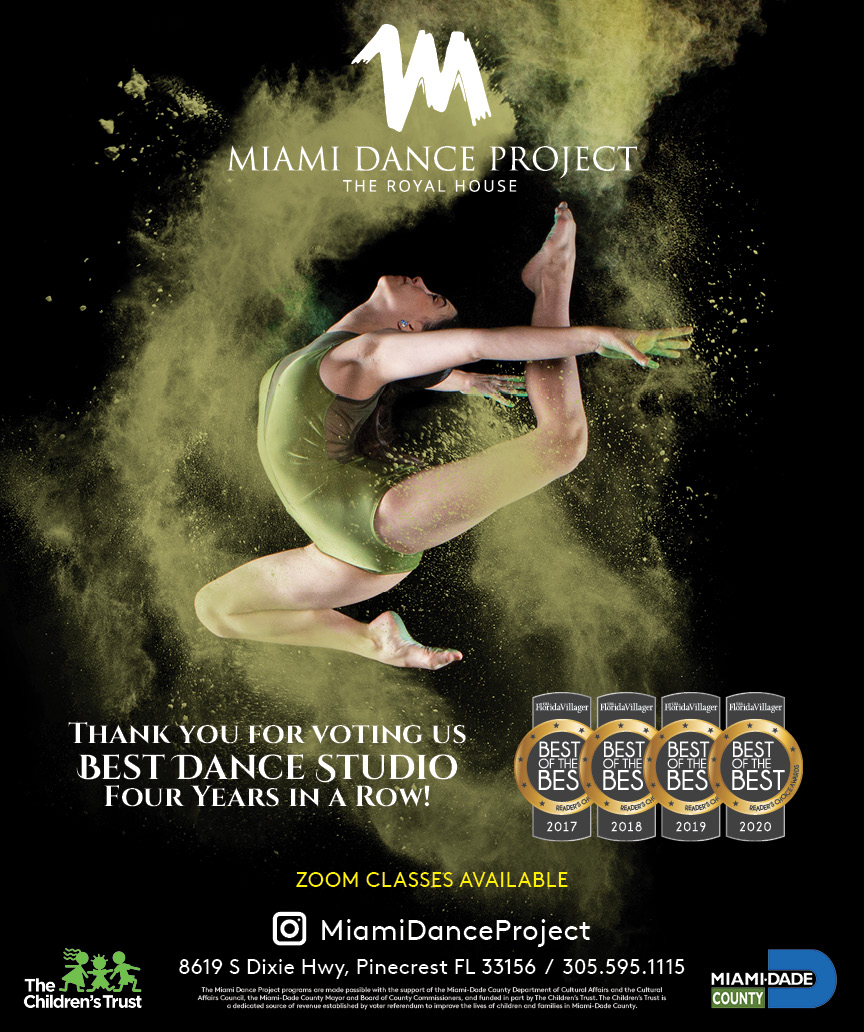

 Rubinstein Family Chiropractic
 Indigo Republic

 Safes Universe
 Vintage Liquors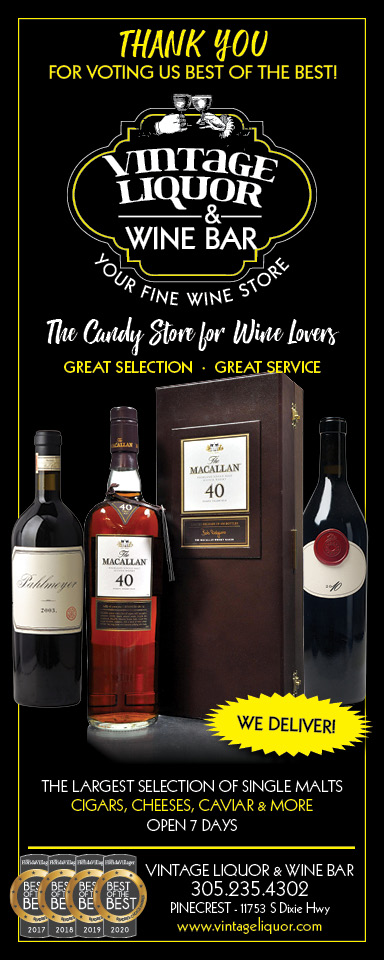
 Evenings Delight



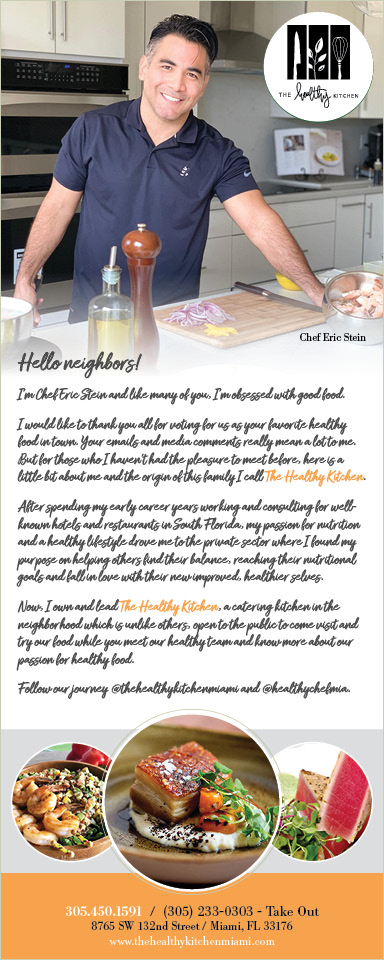
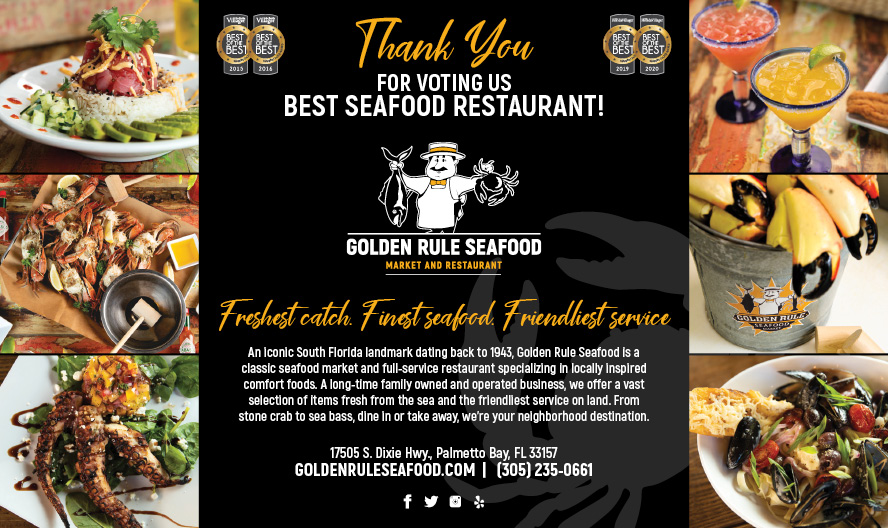
 Atchana’s Homegrown Thai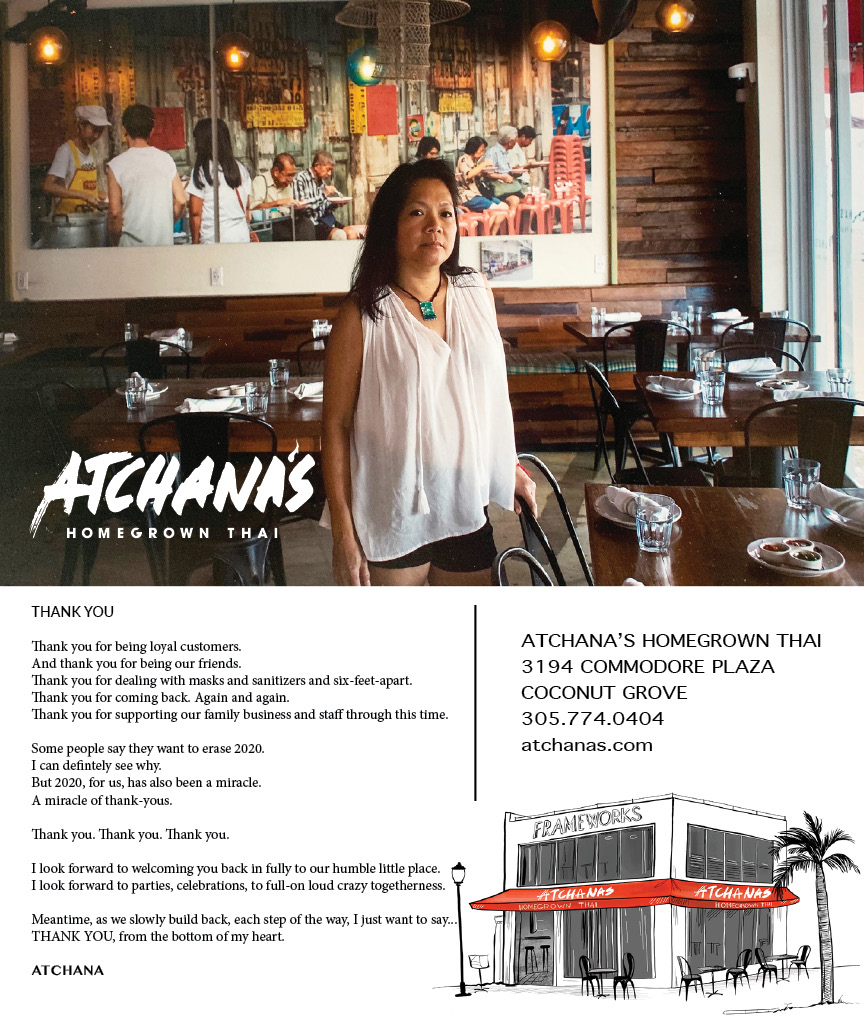
 Baptist Health South Florida

 Laser Eye Center of Miami
 Visiting Angels
 OpusCare of South Florida



 Your Pet’s Best

 HD Tree Services
 Hamilton Fox & Company

 Creative Design Services