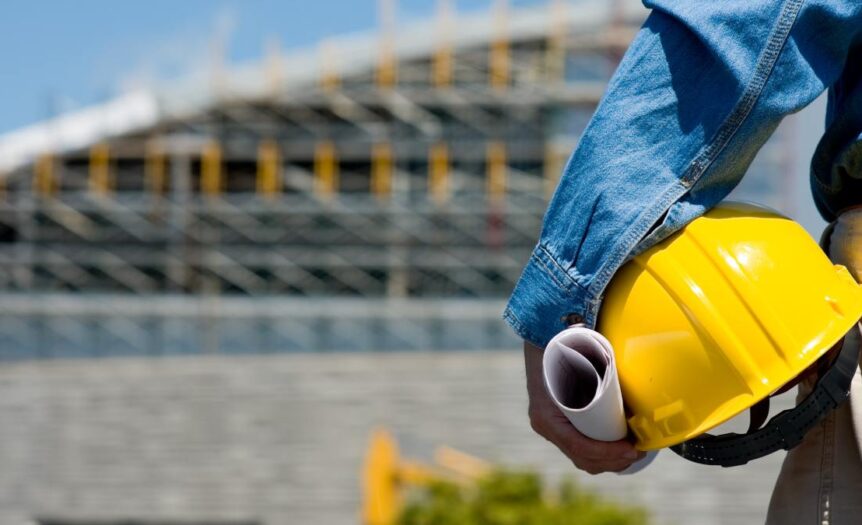
Have you ever looked at a house perched on a steep hill and wondered how it was built? Constructing a building on anything but flat, stable ground introduces a host of challenges. That’s why architects and engineers have developed smart solutions for building on difficult terrain.
These innovative approaches make it possible to build safely and effectively, no matter the landscape. Let’s explore some of these clever methods!
Geotechnical Surveys
Before a single shovel hits the ground, a thorough site investigation is necessary. This is where geotechnical surveys come in. Engineers analyze the soil, rock, and water conditions to understand the ground’s properties.
A detailed survey assesses soil stability, its load-bearing capacity, and potential risks such as landslides or subsidence. This information is fundamental for designing a foundation that will stand strong for years to come. Without this initial step, builders would be working in the dark, risking the structural integrity of the entire project.
Advanced Foundation Design
Difficult terrain demands more than a standard concrete slab. Depending on the site’s specific challenges, engineers might use specialized foundations. For instance, on soft or unstable soil, deep foundations like piles are driven far into the ground until they reach a more solid layer.
These piles transfer the building’s weight to the stronger soil or rock below, creating a stable base. Modern mini piling methods are particularly useful for sites with restricted access or sensitive environmental conditions, enabling precise, less disruptive installation.
Retaining Walls and Slope Stabilization
When building on a slope, preventing soil erosion and landslides is a top priority. Retaining walls are structures designed to hold back soil and create level areas for construction. They can be built from various materials, including concrete, stone, or timber.
On a related note, other slope stabilization techniques might be used in conjunction with retaining walls. These can include soil nailing, where steel bars are inserted into the ground, or planting vegetation with deep root systems to help hold the soil in place.
Smart Material Choices
The materials used in construction also play a huge role in overcoming the challenges posed by difficult sites. Lightweight materials, such as steel frames or prefabricated panels, can reduce the overall load on the foundation. This is especially beneficial on softer soils or steep slopes.
Furthermore, flexible materials that can withstand minor ground movements might be chosen in areas prone to seismic activity. Selecting the right materials from the start helps create a more resilient and long-lasting structure.
Building Your Vision
In modern times, a challenging landscape doesn’t have to be a barrier to construction. With careful planning, expert analysis, and the right techniques, almost any site can be developed safely.
By utilizing these smart solutions for building on difficult terrain, architects and engineers can turn a problematic plot of land into the foundation for an incredible new home or building. It all starts with understanding the ground beneath your feet and choosing the right approach for the job.








 Deering Estate
 Massage Envy South Miami
 Calla Blow Dry
 My Derma Clinic
 Sports Grill
 The Healthy Kitchen
 Sushi Maki
 Golden Rule Seafood
 Malanga Cuban Café


 Kathleen Ballard
 Panter, Panter & Sampedro
 Vintage Liquors
 The Dog from Ipanema
 Rubinstein Family Chiropractic
 Your Pet’s Best
 Indigo Republic
 Animal Health and Rehab
 Maurice’s Jewelers
 ATR Luxury Homes

 2112 Design Studio
 Hamilton Fox & Company
 Creative Design Services
 Best Pest Professionals
 HD Tree Services
 Trinity Air Conditioning Company
 Cisca Construction & Development
 Mosquito Joe
 Cutler Bay Solar Solutions


 Miami Royal Ballet & Dance
 Christopher Columbus
 Pineview Preschools
 Westminster
 Carrollton
 Lil’ Jungle
 Frost Science Museum
 Palmer Trinity School
 South Florida Music
 Pinecrest Orthodontics
 Dr. Bob Pediatric Dentist
 d.pediatrics


 South Miami Women’s Health
 Endodontix Dental Group
 The Spot Barbershop
 My Derma Clinic




 Miami Dance Project

 Rubinstein Family Chiropractic
 Indigo Republic

 Safes Universe
 Vintage Liquors
 Evenings Delight





 Atchana’s Homegrown Thai
 Baptist Health South Florida

 Laser Eye Center of Miami
 Visiting Angels
 OpusCare of South Florida



 Your Pet’s Best

 HD Tree Services
 Hamilton Fox & Company

 Creative Design Services