Practicing medicine in high-risk specialties presents unique challenges, especially in areas where regulatory standards are stringent. Providing care in fields such as pain management, anesthesiology, or surgery poses a higher risk of legal and professional scrutiny.
Adhering to best practices is the first line of defense in maintaining your professional standing. Here’s how to protect your medical license in high-risk fields so you can preserve your career and reputation.
Maintain Meticulous Documentation
Thorough and accurate documentation is your strongest asset. Record every patient interaction, clinical decision, and treatment plan in detail. This includes the following:
- Comprehensive patient histories
- Informed consent discussions
- Rationale for diagnoses and treatments
- Records of all prescriptions and patient monitoring efforts
Clear documentation creates a transparent record of your care, which can be invaluable during a board inquiry or malpractice claim. It also demonstrates a commitment to patient safety and a systematic approach to treatment.
Adhere to Prescribing Guidelines
Strict adherence to prescribing guidelines is critical for fields involving controlled substances. The opioid crisis has intensified scrutiny on prescribing patterns. Practitioners must stay current with federal and state regulations, including the use of prescription drug monitoring programs. Diligent patient assessment and monitoring can mitigate risks.
If you’re a nurse practitioner, NP liability coverage matters when prescribing opioids; it’s an essential layer of professional security against potential legal challenges. Ensure you have comprehensive coverage to protect your career.
Seek Mentorship and Collaboration
Mentorship and collaboration are advantageous in high-risk medical fields. Seeking guidance from experienced colleagues can provide insights into tackling challenging situations, navigating legal and ethical dilemmas, and improving decision-making processes.
Additionally, fostering open communication within your team encourages a culture of mutual support and shared responsibility, which improves patient safety and care quality. Prioritizing teamwork and mentorship will advance your professional growth and fortify the medical community’s collective strength.
Prioritize Continuing Education
High-risk fields evolve rapidly with new research, technologies, and regulations. Participating in ongoing education ensures you remain proficient in the latest standards of care. This commitment improves patient outcomes and demonstrates dedication to your profession.
Continuous learning is a key component of protecting your medical license in high-risk fields. Stay informed on best practices to bolster your ability to provide defensible care and navigate the complexities of modern medicine.






 Deering Estate
 Massage Envy South Miami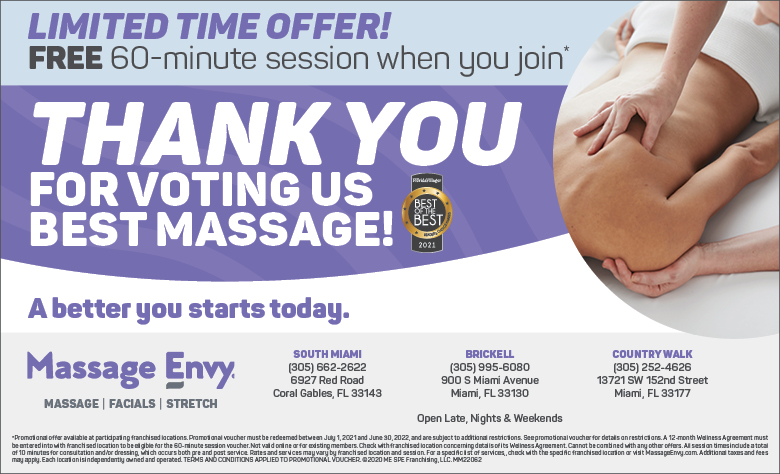
 Calla Blow Dry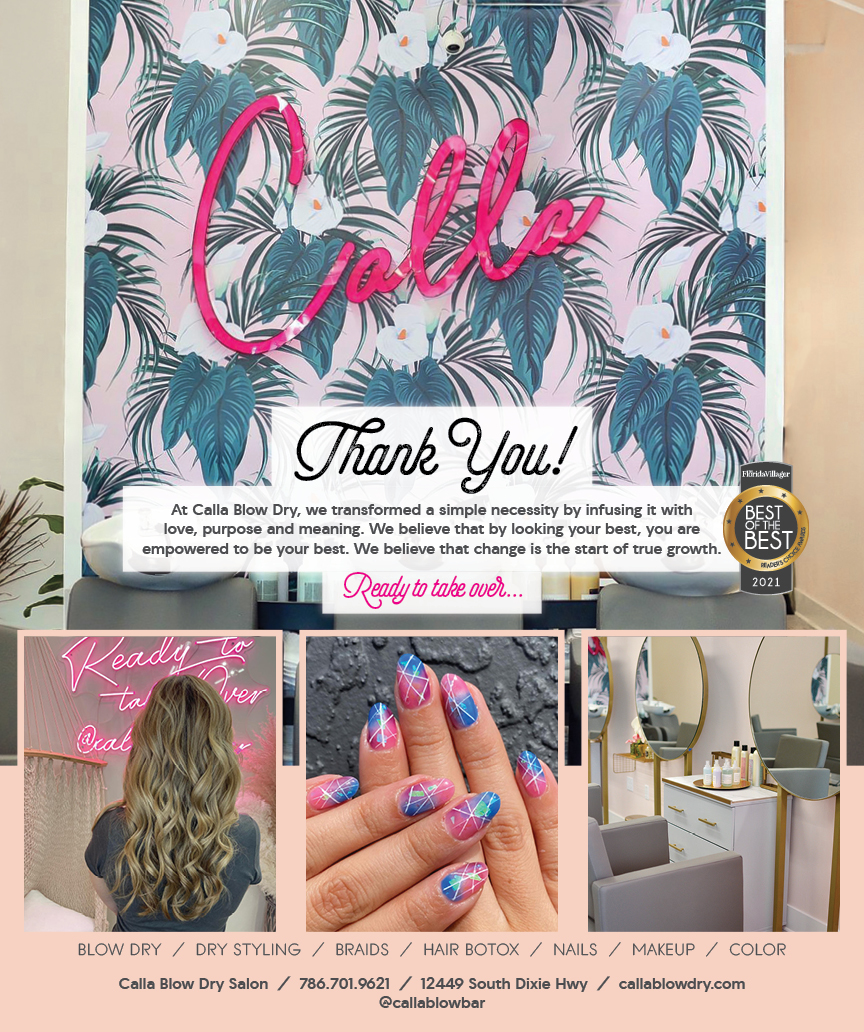
 My Derma Clinic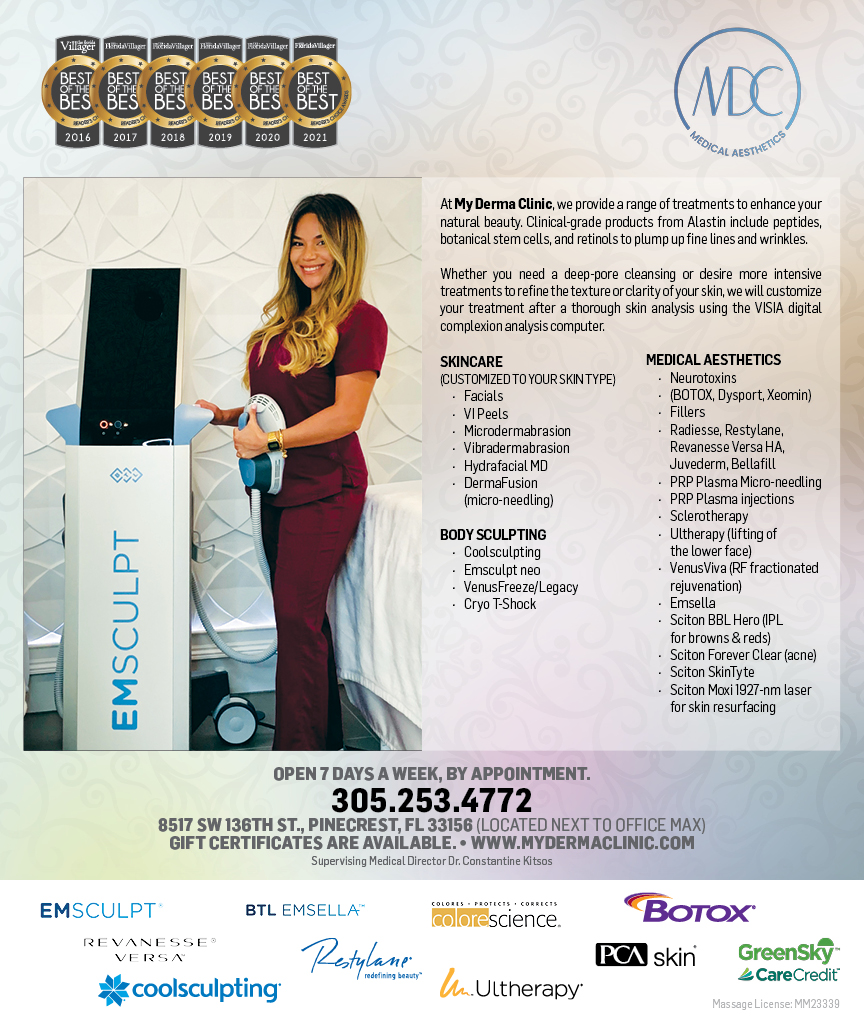
 Sports Grill
 The Healthy Kitchen
 Sushi Maki
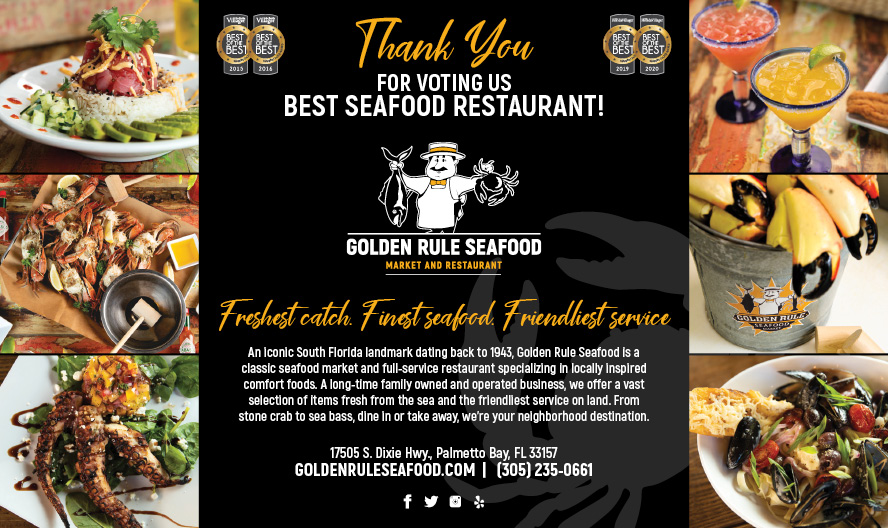
 Golden Rule Seafood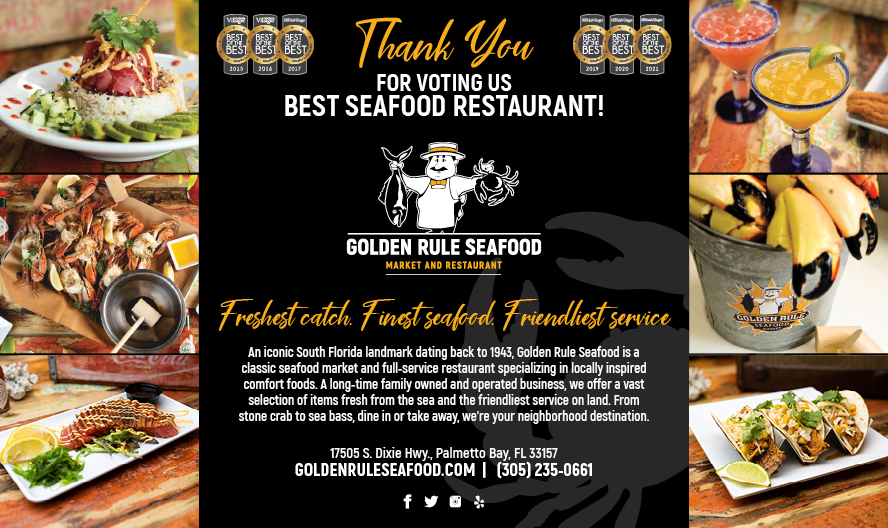
 Malanga Cuban Café


 Kathleen Ballard
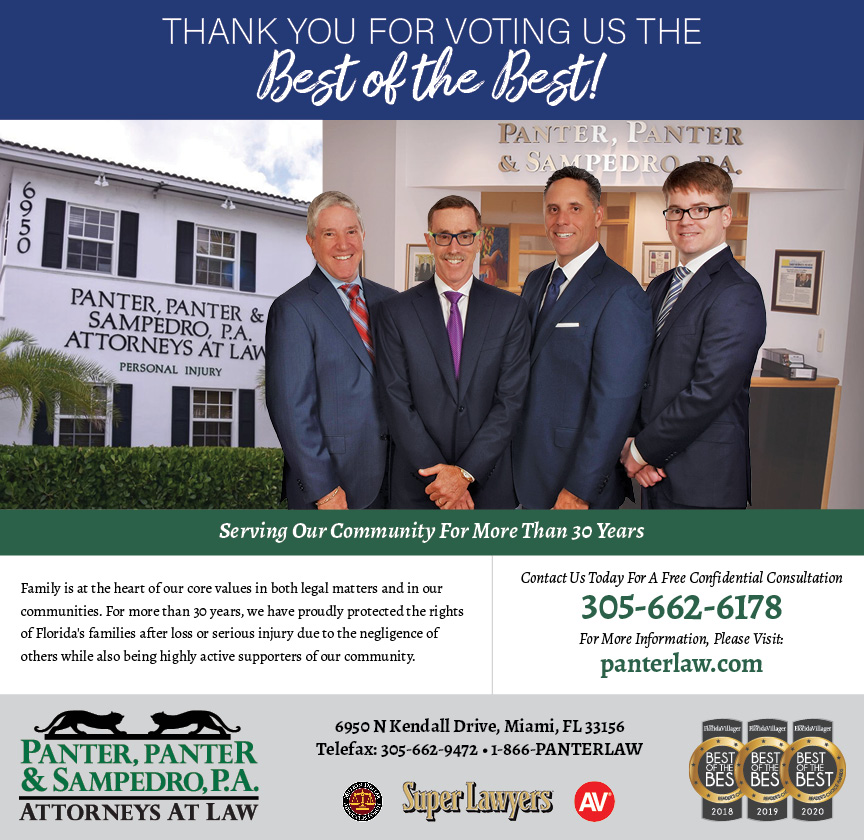
 Panter, Panter & Sampedro
 Vintage Liquors
 The Dog from Ipanema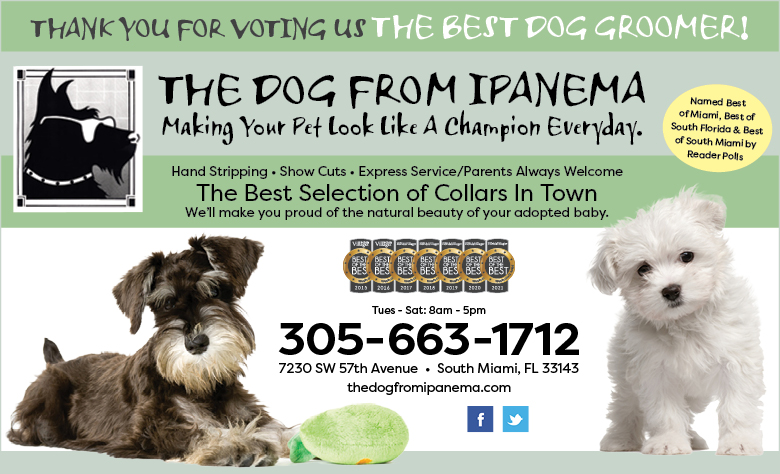
 Rubinstein Family Chiropractic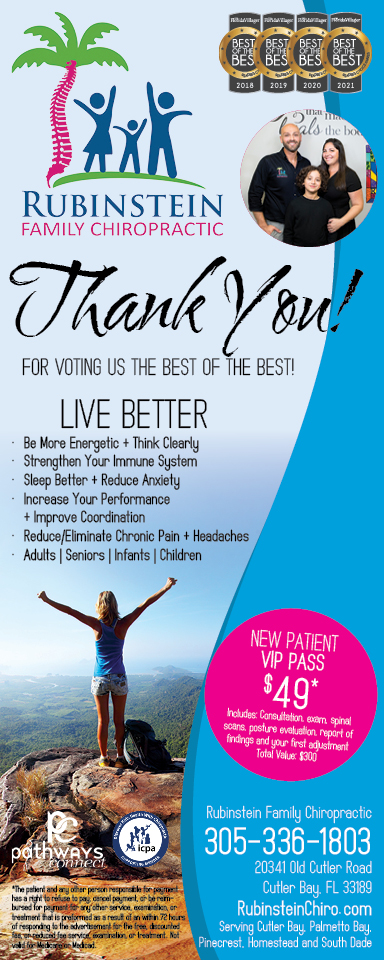
 Your Pet’s Best
 Indigo Republic
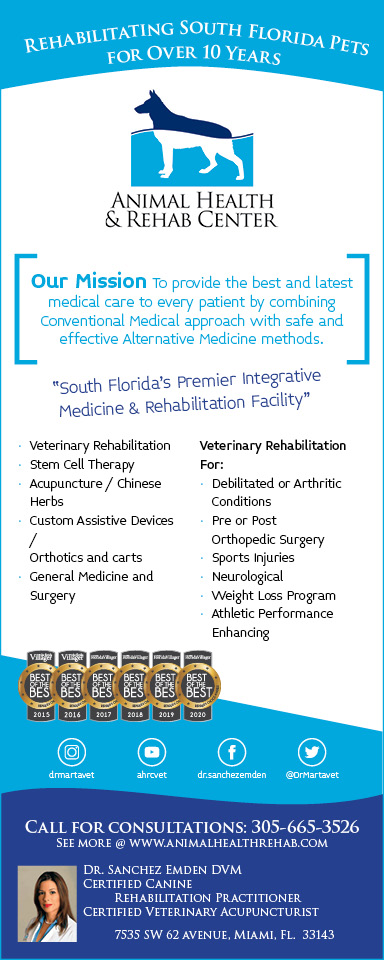
 Animal Health and Rehab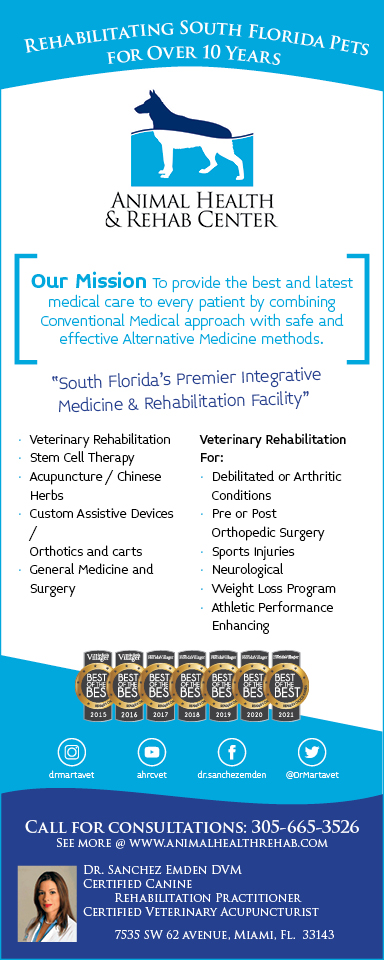
 Maurice’s Jewelers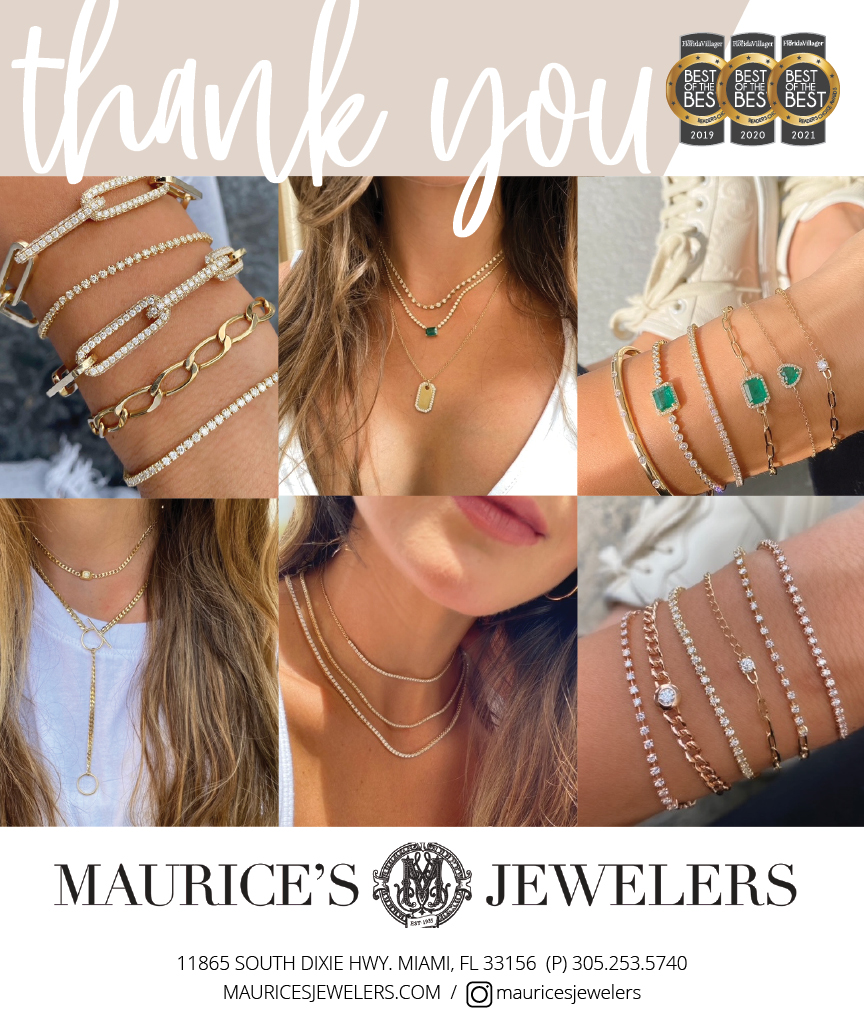
 ATR Luxury Homes
 2112 Design Studio
 Hamilton Fox & Company
 Creative Design Services
 Best Pest Professionals
 HD Tree Services
 Trinity Air Conditioning Company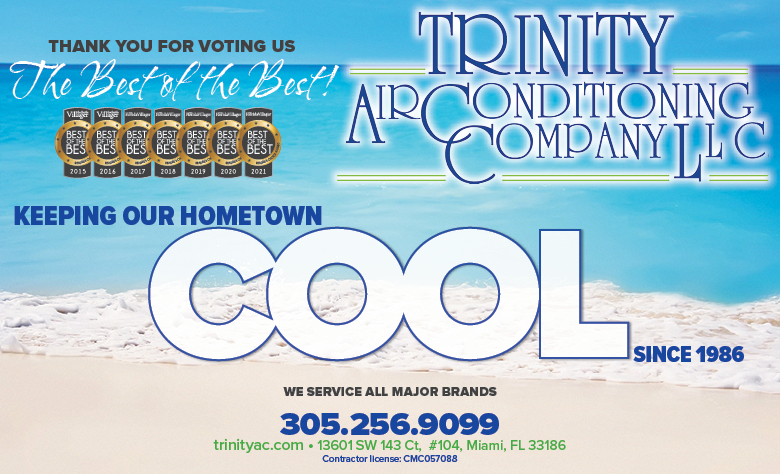
 Cisca Construction & Development
 Mosquito Joe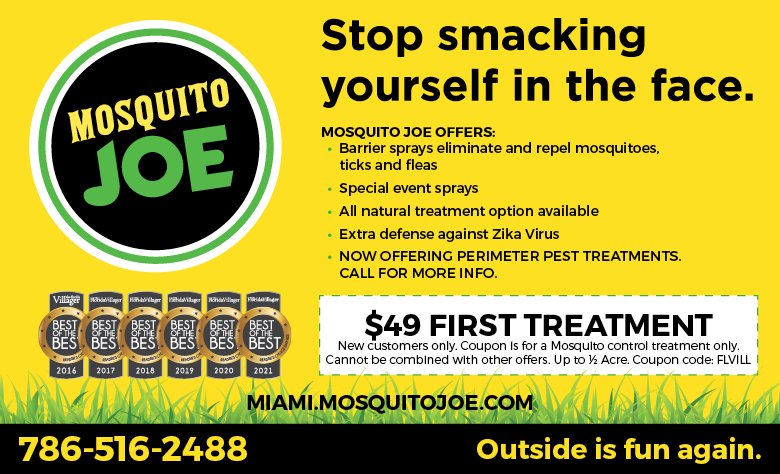
 Cutler Bay Solar Solutions
 Miami Royal Ballet & Dance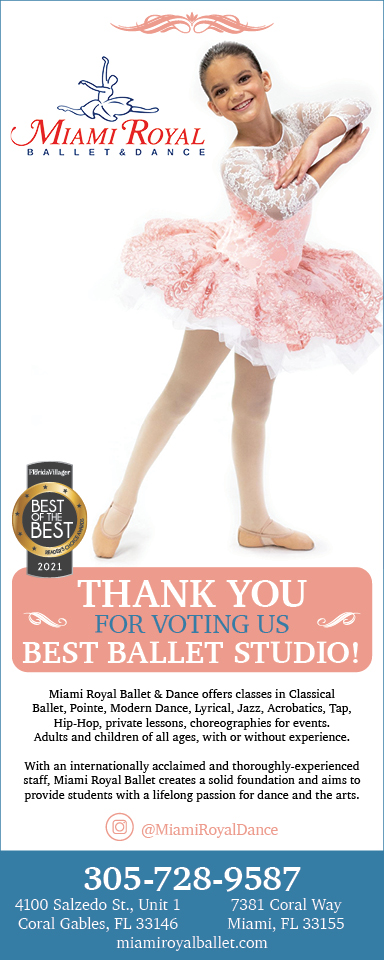
 Christopher Columbus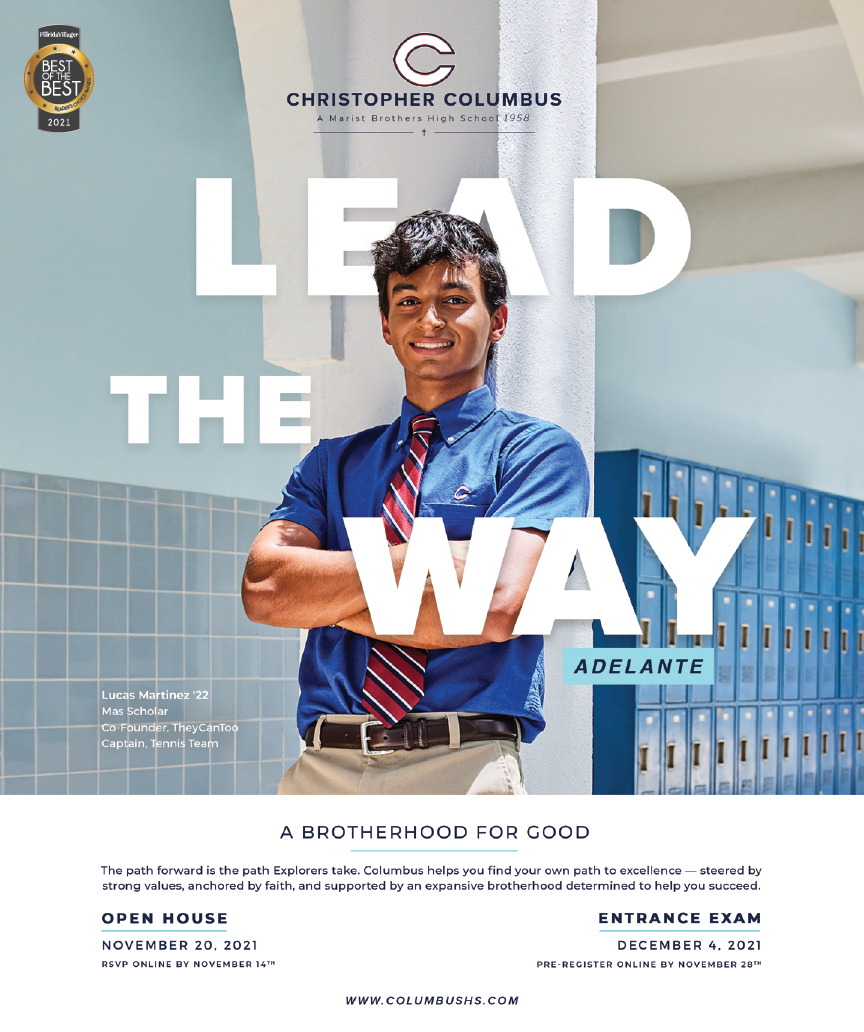
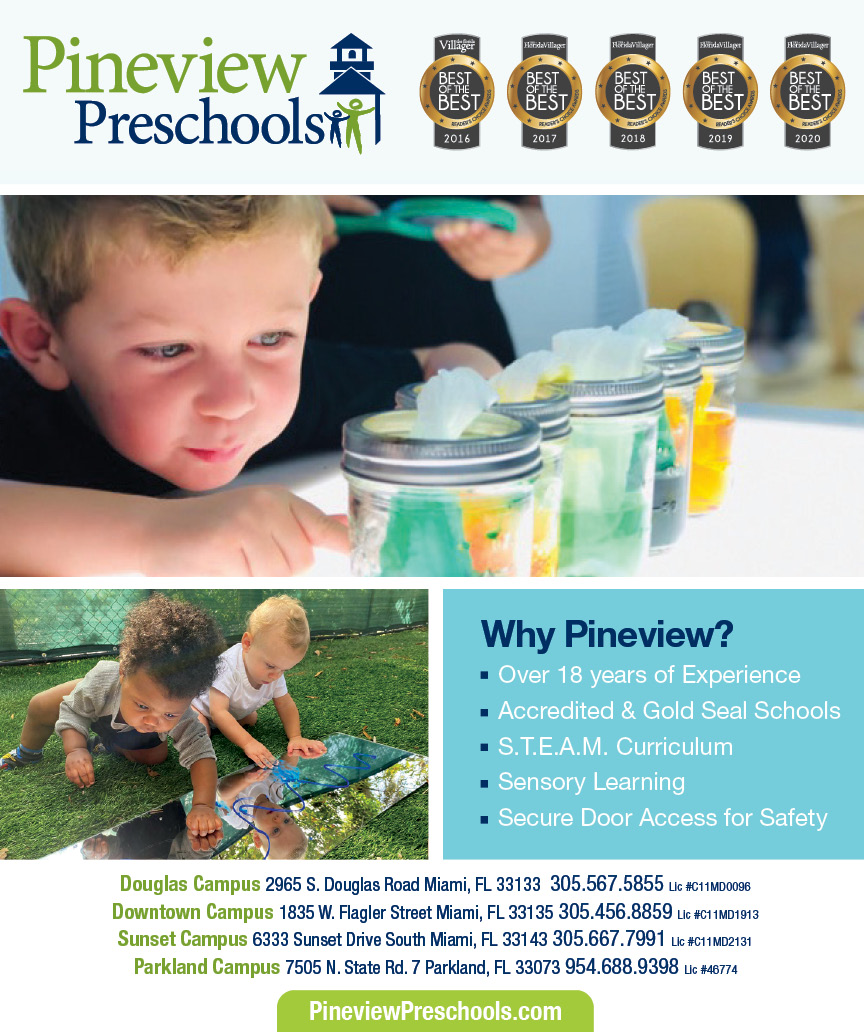
 Pineview Preschools
 Westminster
 Carrollton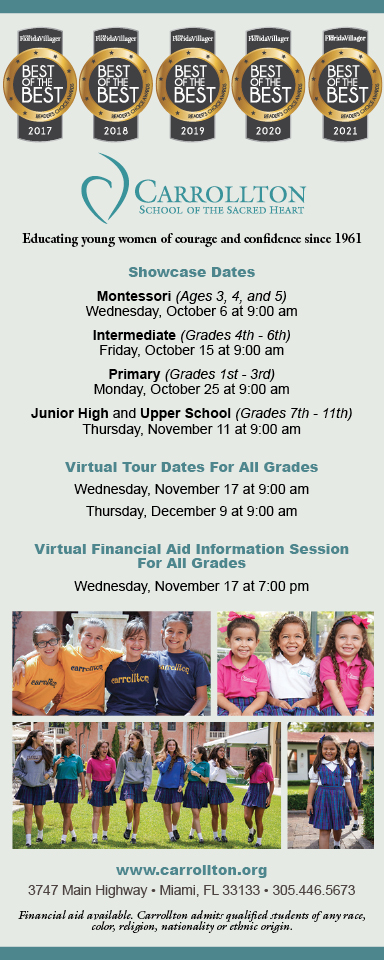
 Lil’ Jungle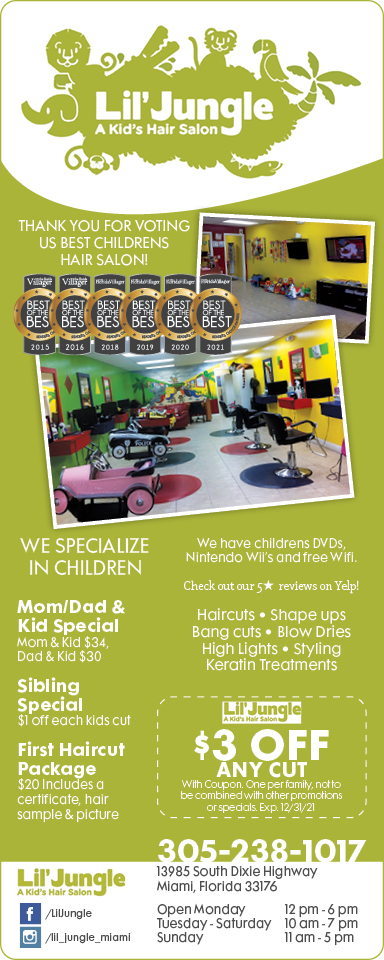
 Frost Science Museum
 Palmer Trinity School
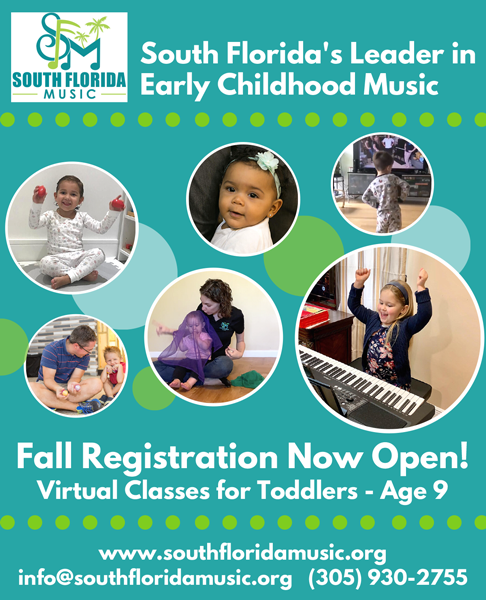
 South Florida Music
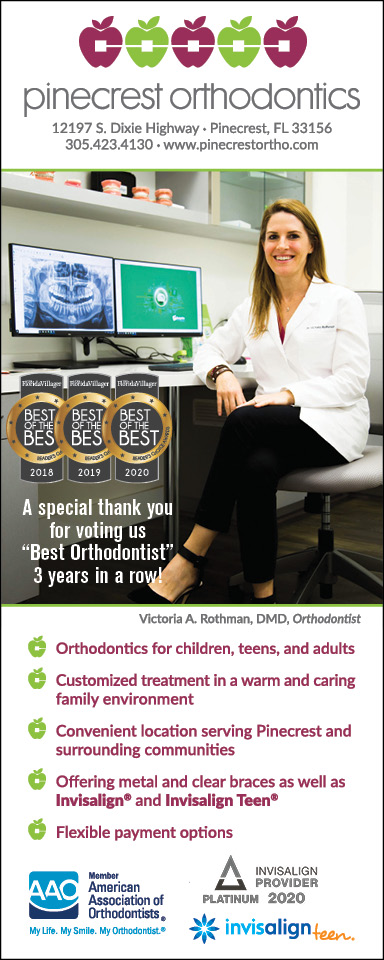
 Pinecrest Orthodontics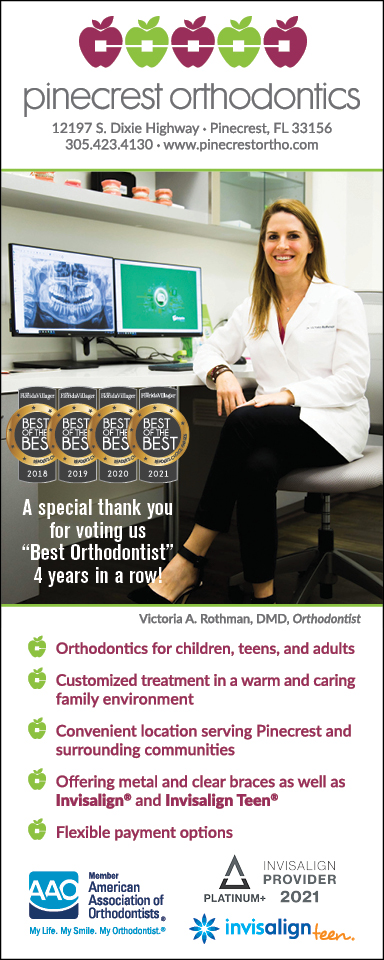
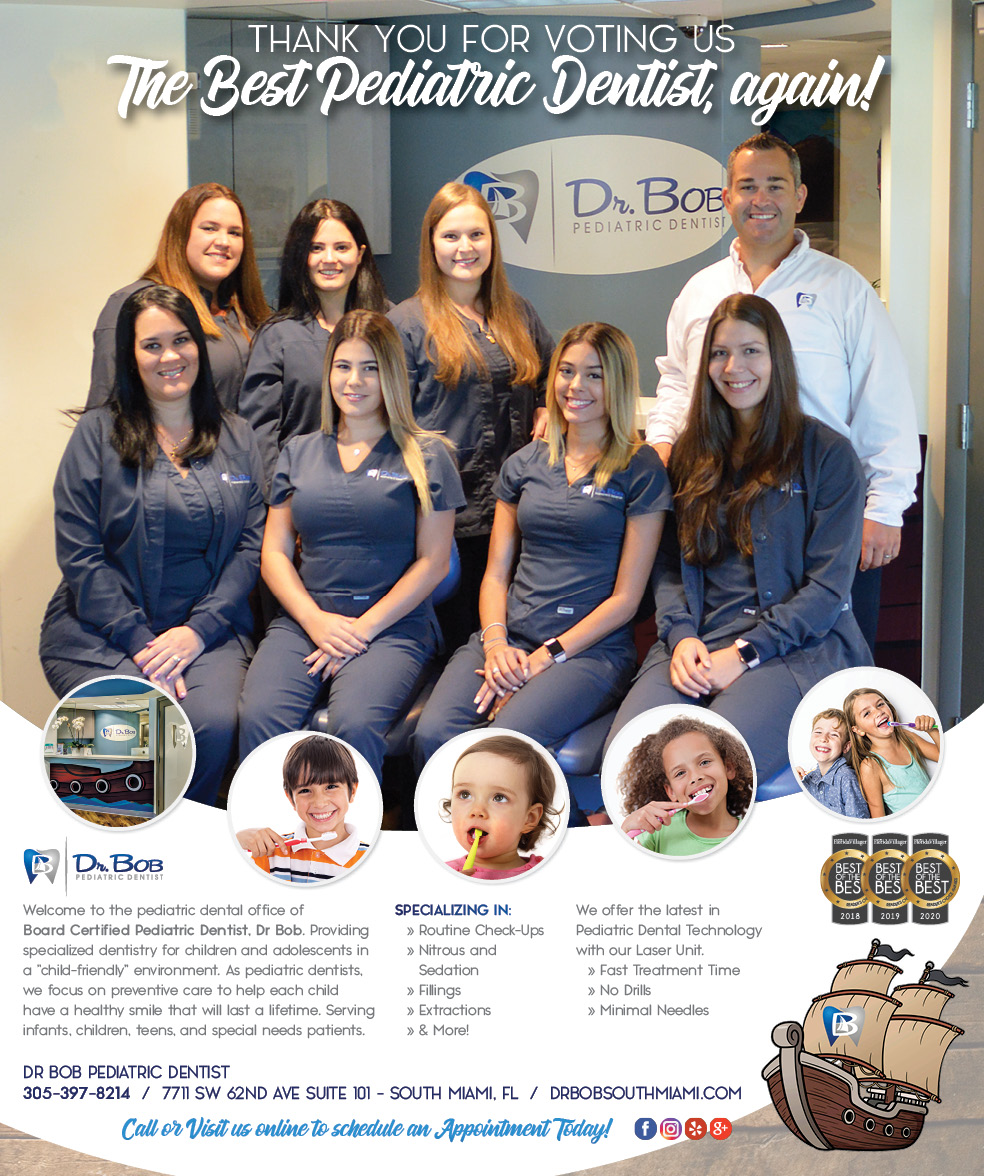
 Dr. Bob Pediatric Dentist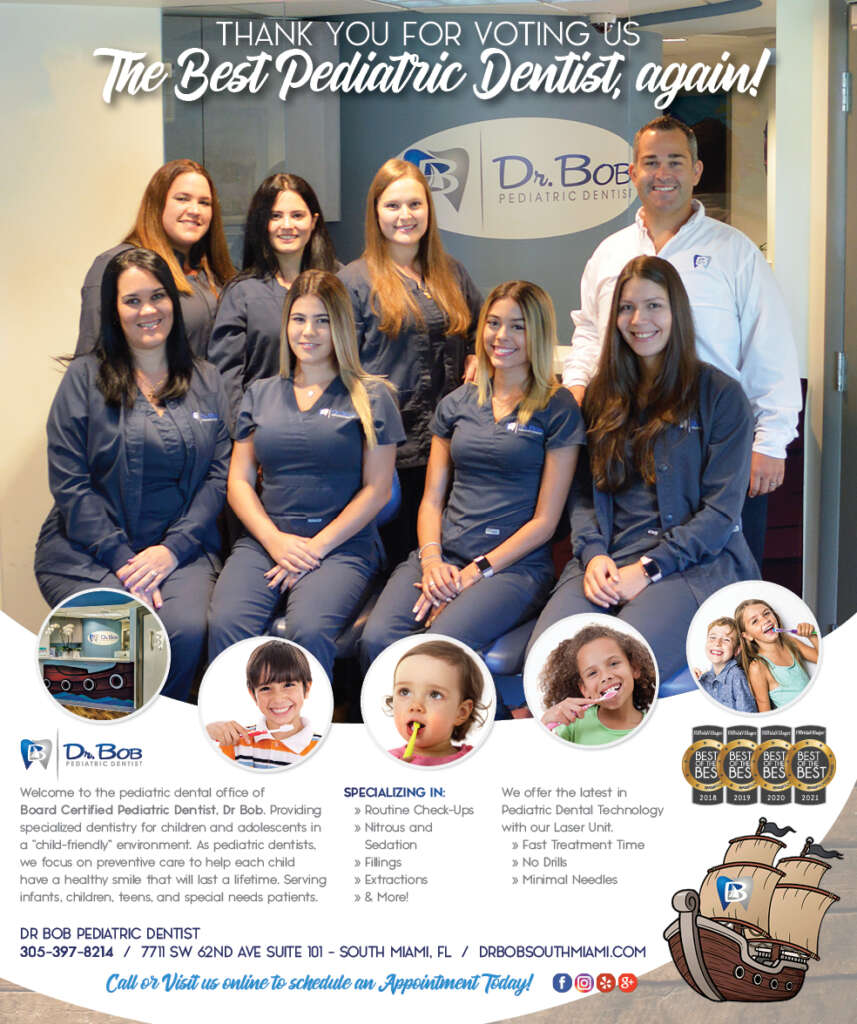
 d.pediatrics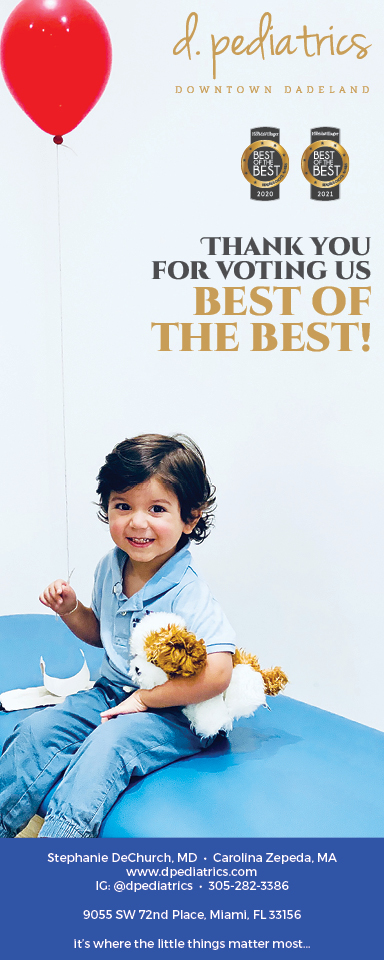

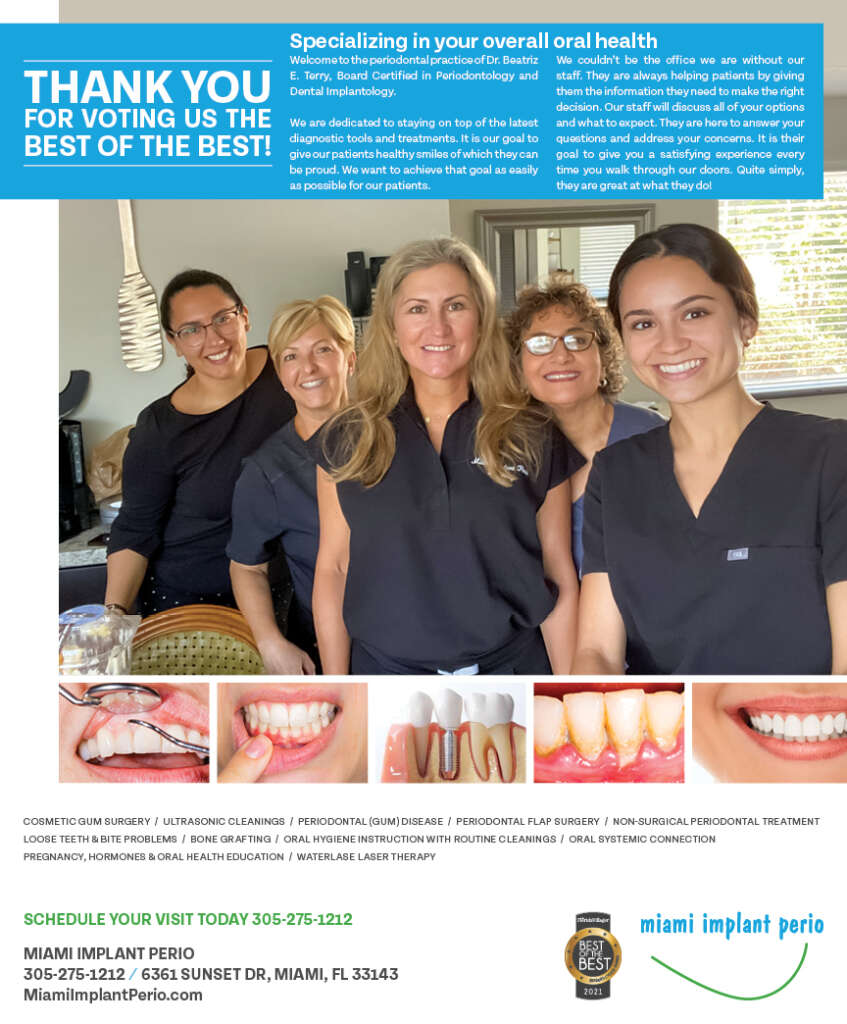
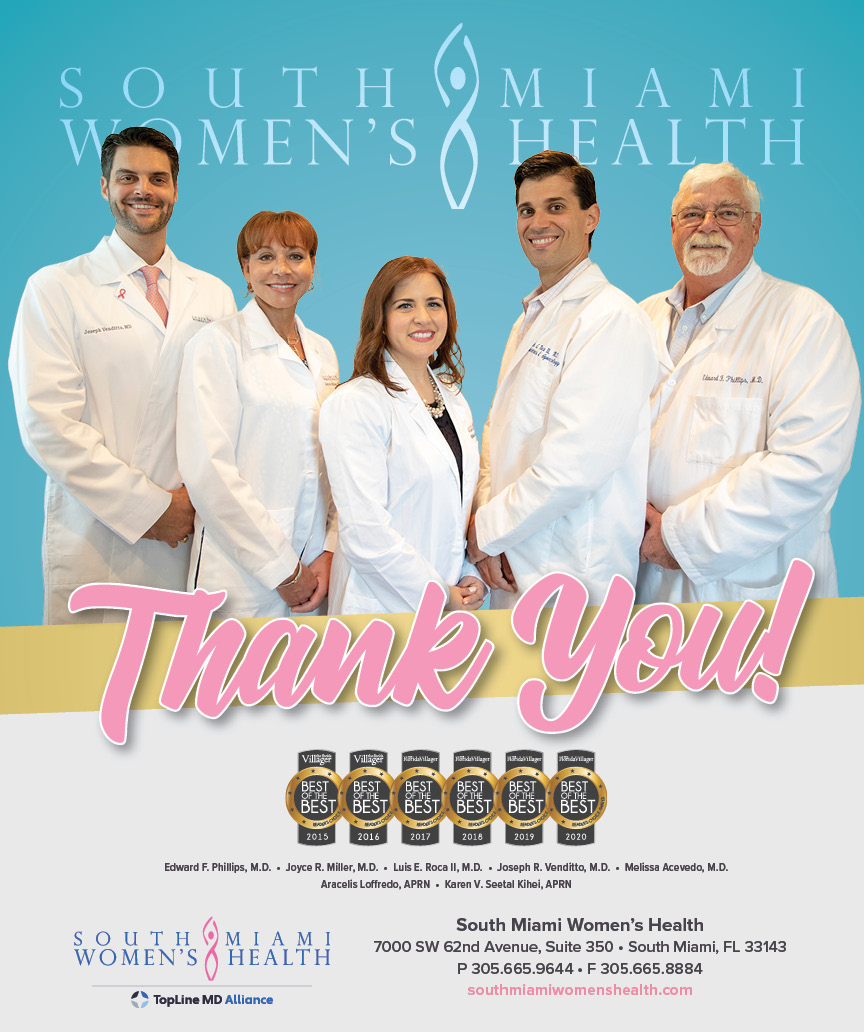
 South Miami Women’s Health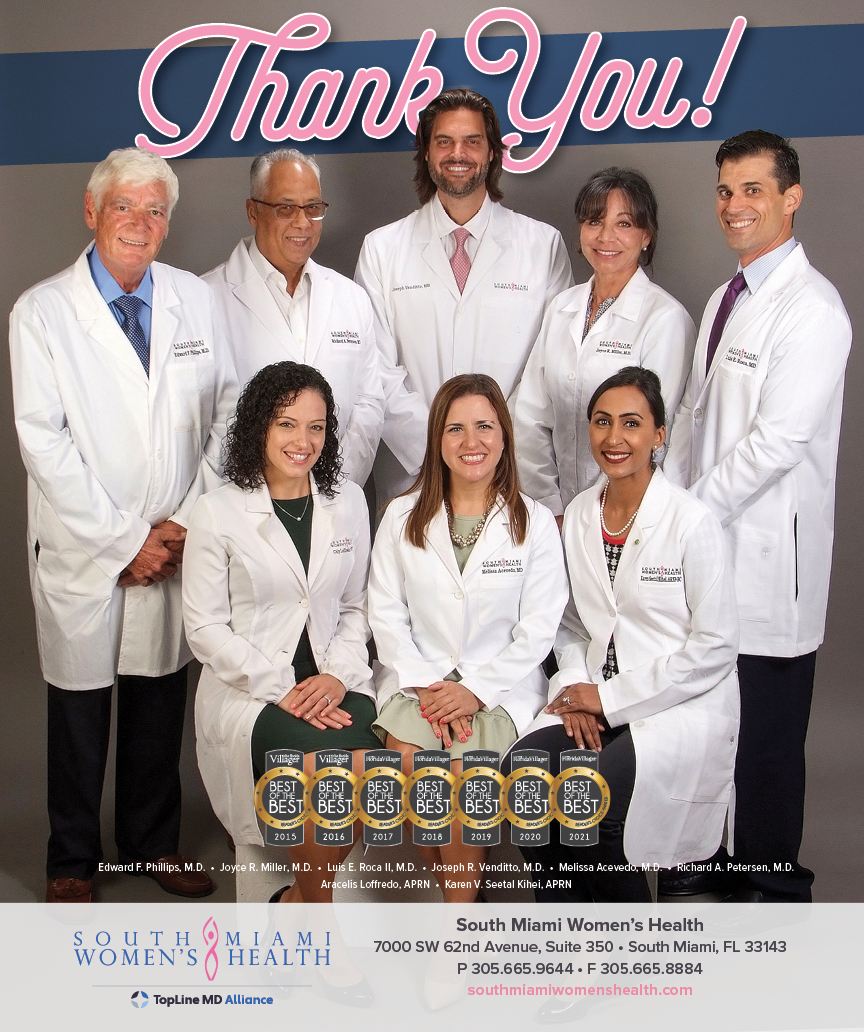
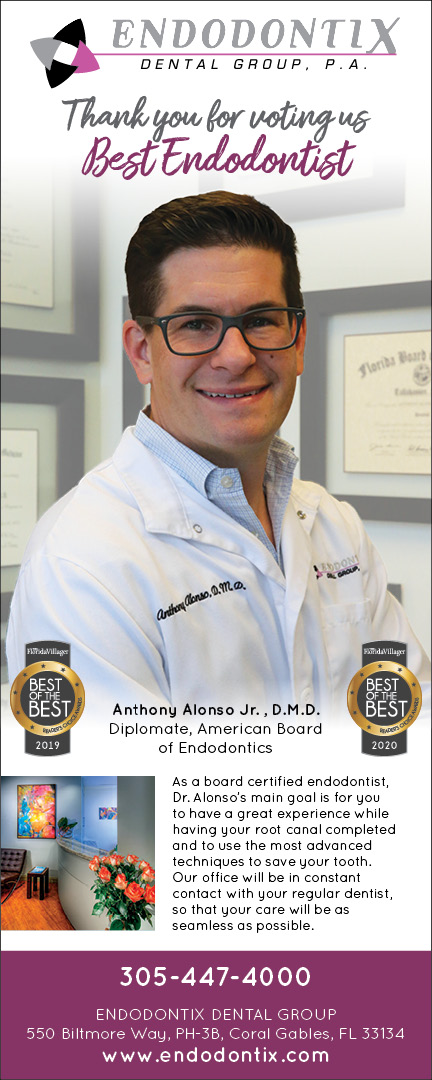
 Endodontix Dental Group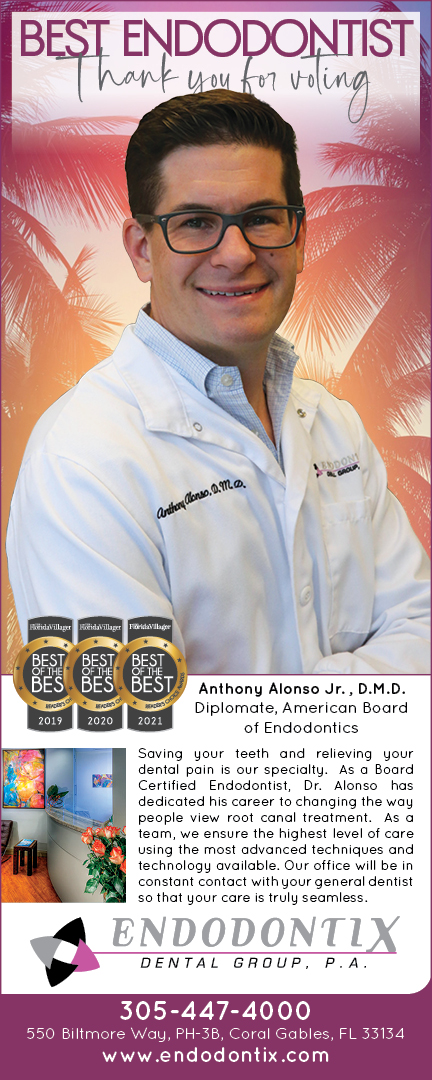
 The Spot Barbershop
 My Derma Clinic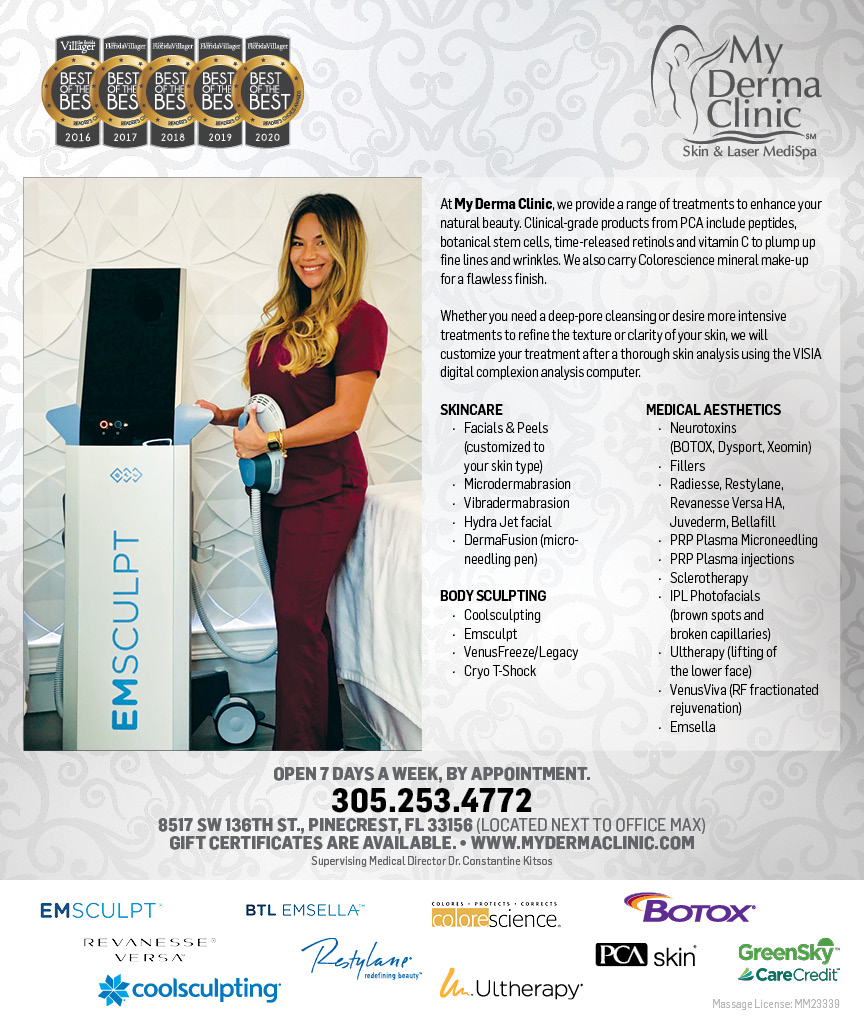

 Miami Dance Project
 Rubinstein Family Chiropractic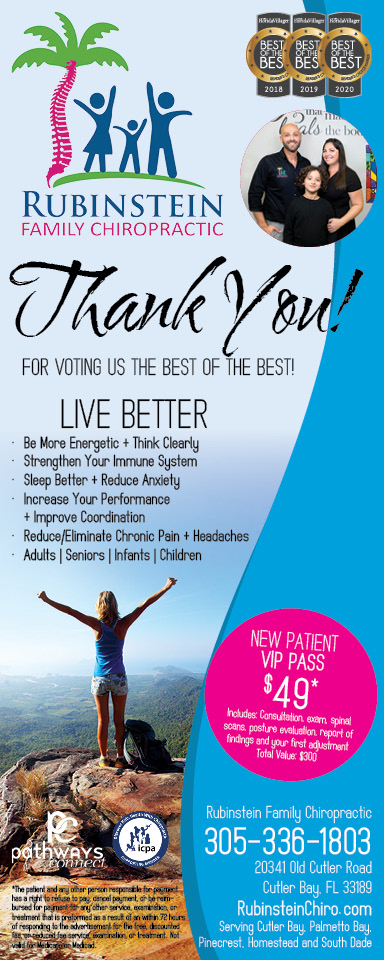
 Indigo Republic
 Safes Universe
 Vintage Liquors
 Evenings Delight


 Atchana’s Homegrown Thai
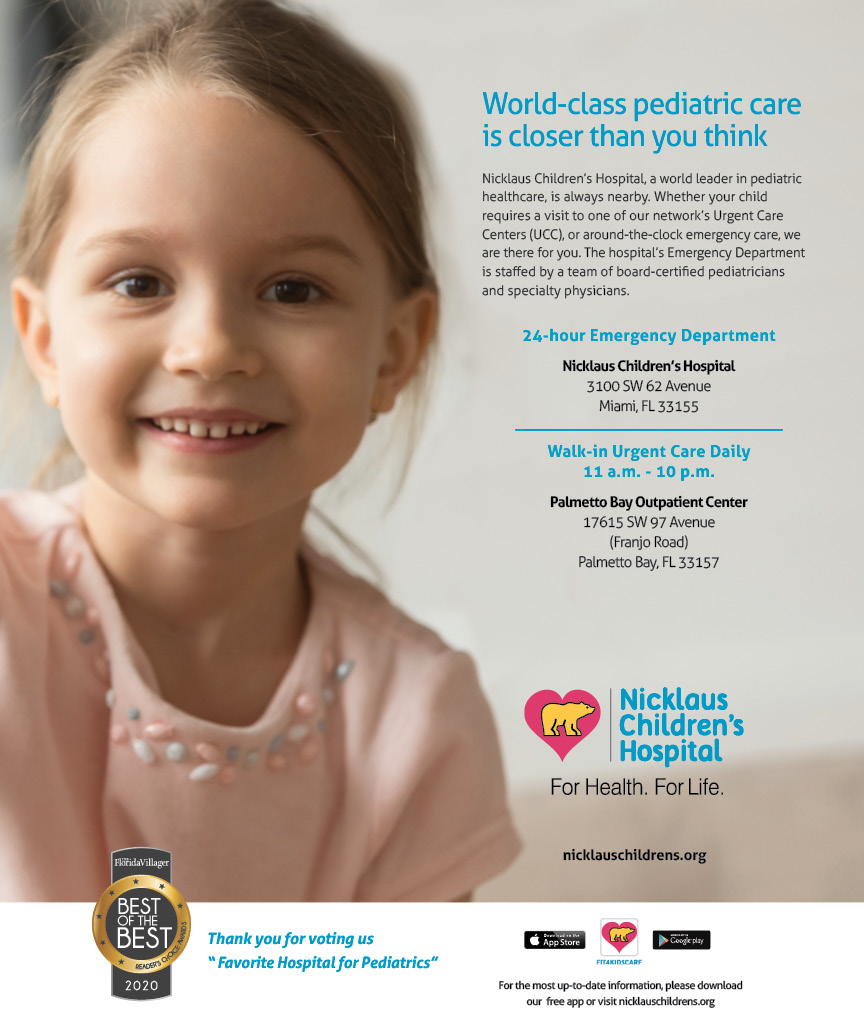
 Baptist Health South Florida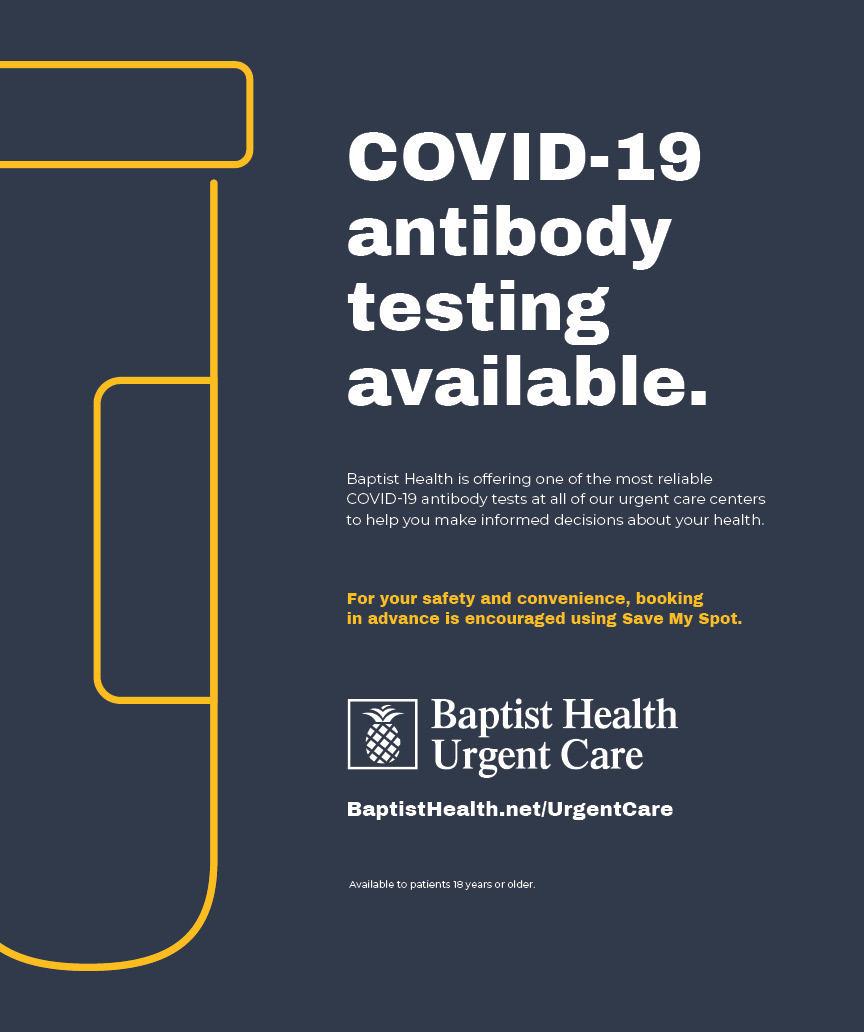
 Laser Eye Center of Miami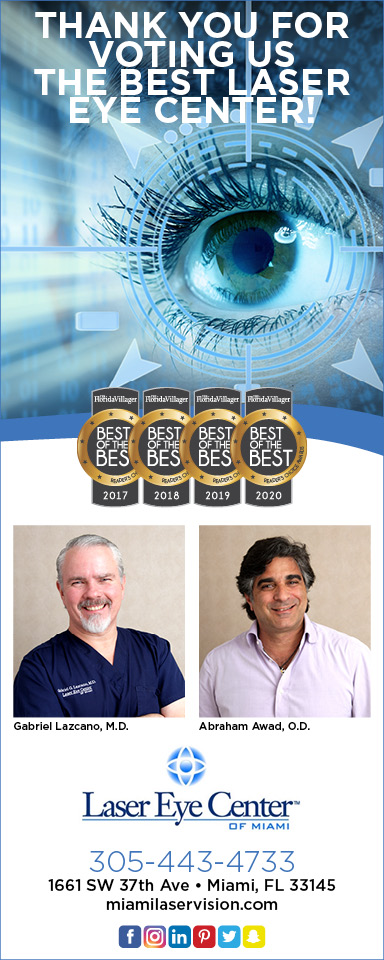
 Visiting Angels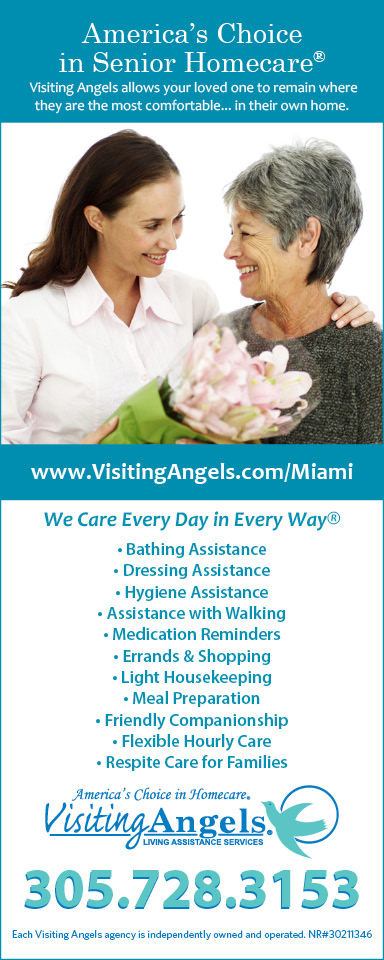
 OpusCare of South Florida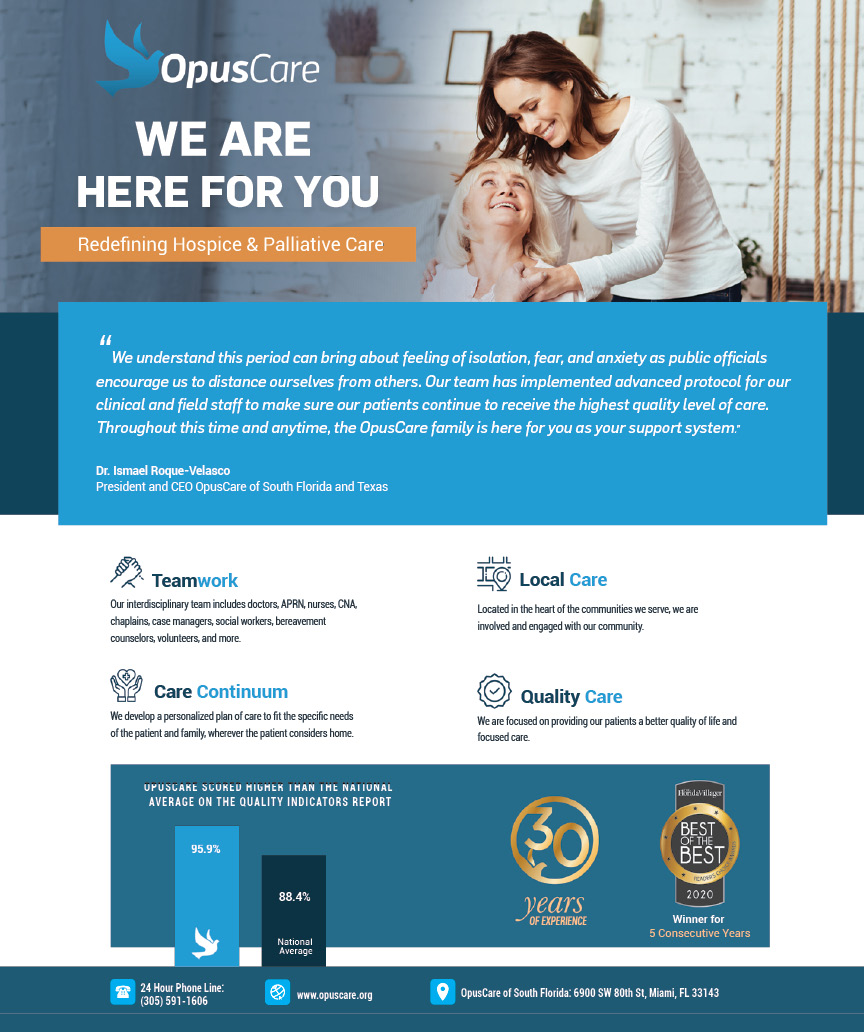

 Your Pet’s Best

 HD Tree Services
 Hamilton Fox & Company

 Creative Design Services