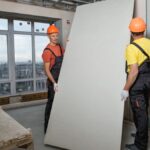
Siding is an important element on your home that affects its appearance, durability, and energy efficiency. This exterior layer can help protect your home against the elements, enhance your curb appeal, and add insulation.
There are many available options, which is why knowing what to consider before adding siding to your home can help the process go more smoothly. Whether you’re upgrading your current siding or attaching something new onto a construction project, considering these factors can make a big difference in your overall success.
Evaluate Different Siding Materials
One of the first things you want to do is settle on a material. Each option offers a unique combination of aesthetics, durability, and maintenance requirements. Vinyl siding is a popular and affordable choice known for its low maintenance requirements and wide range of colors.
For a more traditional look, wood siding provides natural beauty but requires regular painting or staining to protect it from moisture and pests. Fiber cement siding offers the appearance of wood without the high upkeep, and it resists fire, insects, and rot. Metal siding, such as aluminum or steel, is exceptionally durable and resistant to extreme weather. There are pros and cons to each option, and your decision should ultimately depend on your personal lifestyle and budget.
Balance Cost and Long-Term Value
Speaking of the cost, it’s important to consider the monetary investment that goes into your siding. Certain options are more expensive but may work for smaller homes. Aside from the cost of the materials, you may also want to consider installation costs and ongoing maintenance. While some materials like wood may have a lower initial cost, they can require more upkeep over time, leading to higher overall expenses.
Meanwhile, fiber cement or high-quality vinyl might have a higher upfront cost but offer greater durability and lower maintenance needs, providing better long-term value. Knowing how to set a budget for your siding project can help you narrow down your possible options to find something that works for your home and won’t lead to unexpected future expenses.
Consider Your Local Climate
Another thing to consider before adding siding to your home is your region’s general climate. If you live in an area with harsh winters and heavy snowfall, you will need a material that can withstand cold temperatures and moisture without cracking or warping.
If you live closer to a coast, you may want to avoid metal siding that can corrode or suffer moisture damage. For homes in sunny, hot climates, a material that reflects heat and resists fading from UV exposure will be most effective.
Think About Siding and Insulation
Siding can significantly affect your home’s energy efficiency. Some siding options offer better insulating properties than others, which can help maintain a comfortable indoor temperature and reduce your energy bills.
Many vinyl siding options include a layer of foam to add thermal resistance, reducing the need for excessive heating in the winter and air conditioning in the summer. Properly installed siding of any type creates a barrier that prevents air and moisture from entering your home, which also helps improve energy efficiency.
Selecting new siding is an opportunity to enhance your home’s beauty, protection, and value. It’s always a good idea to consider different factors and decide which ones line up best with your home and lifestyle.







 Deering Estate
 Massage Envy South Miami
 Calla Blow Dry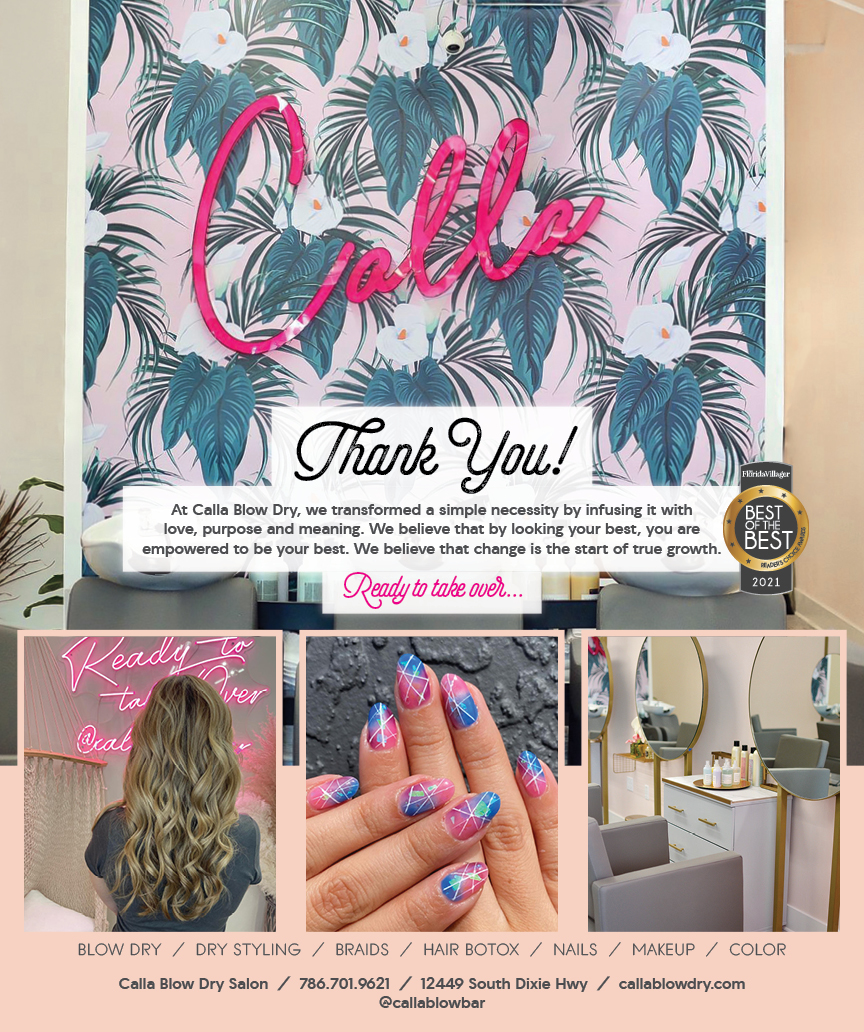
 My Derma Clinic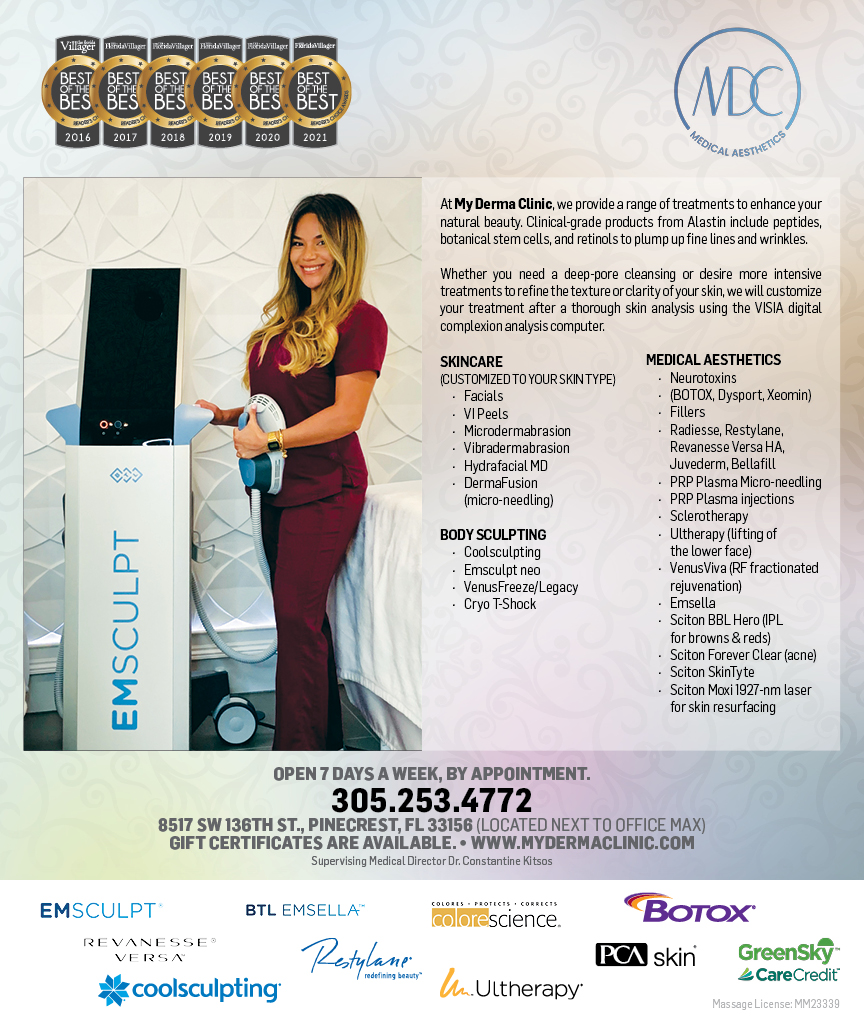
 Sports Grill
 The Healthy Kitchen
 Sushi Maki
 Golden Rule Seafood
 Malanga Cuban Café


 Kathleen Ballard
 Panter, Panter & Sampedro
 Vintage Liquors
 The Dog from Ipanema
 Rubinstein Family Chiropractic
 Your Pet’s Best
 Indigo Republic
 Animal Health and Rehab
 Maurice’s Jewelers
 ATR Luxury Homes

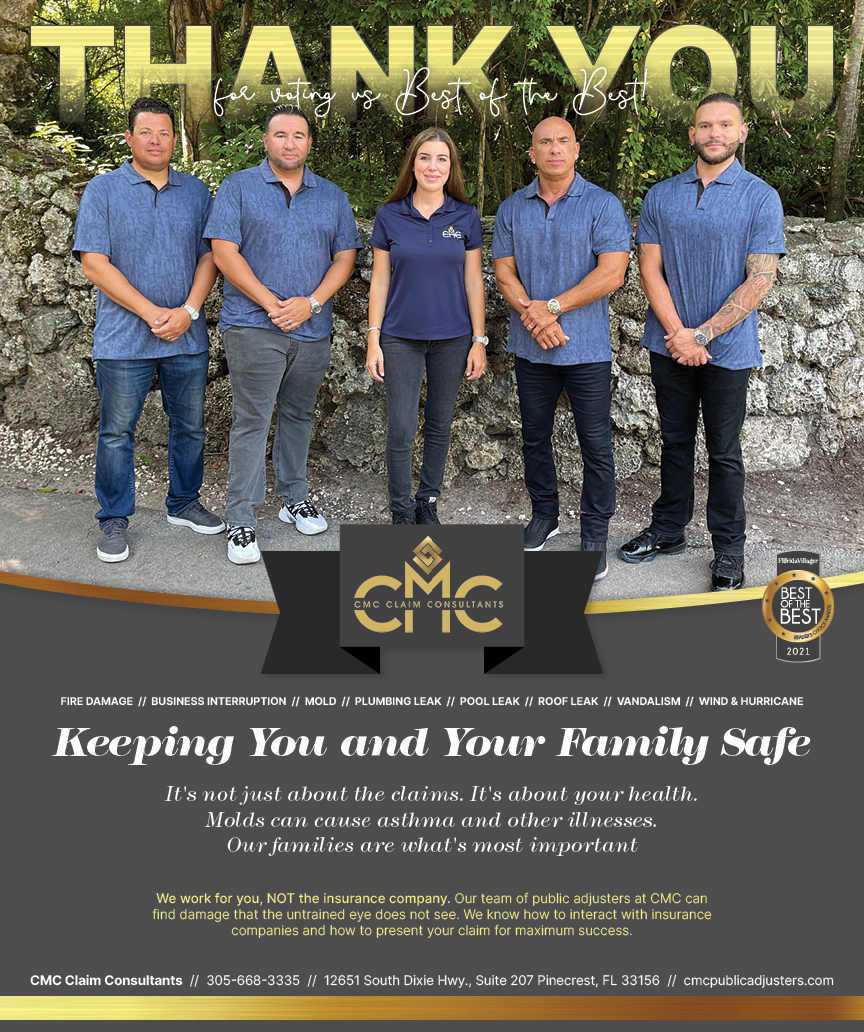
 2112 Design Studio
 Hamilton Fox & Company
 Creative Design Services
 Best Pest Professionals
 HD Tree Services
 Trinity Air Conditioning Company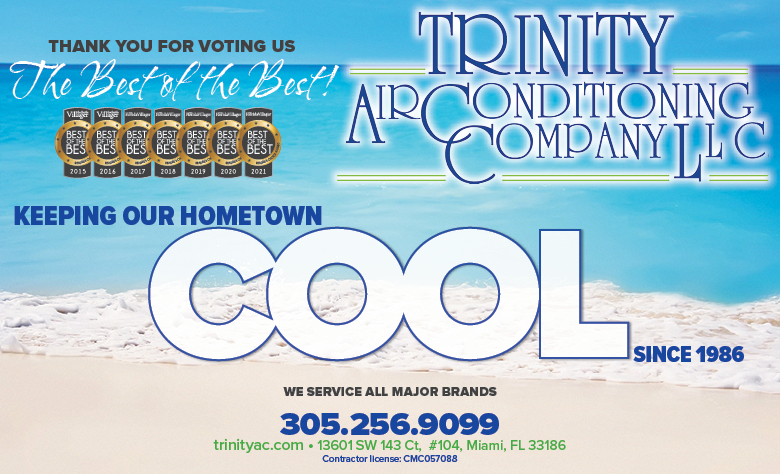
 Cisca Construction & Development
 Mosquito Joe
 Cutler Bay Solar Solutions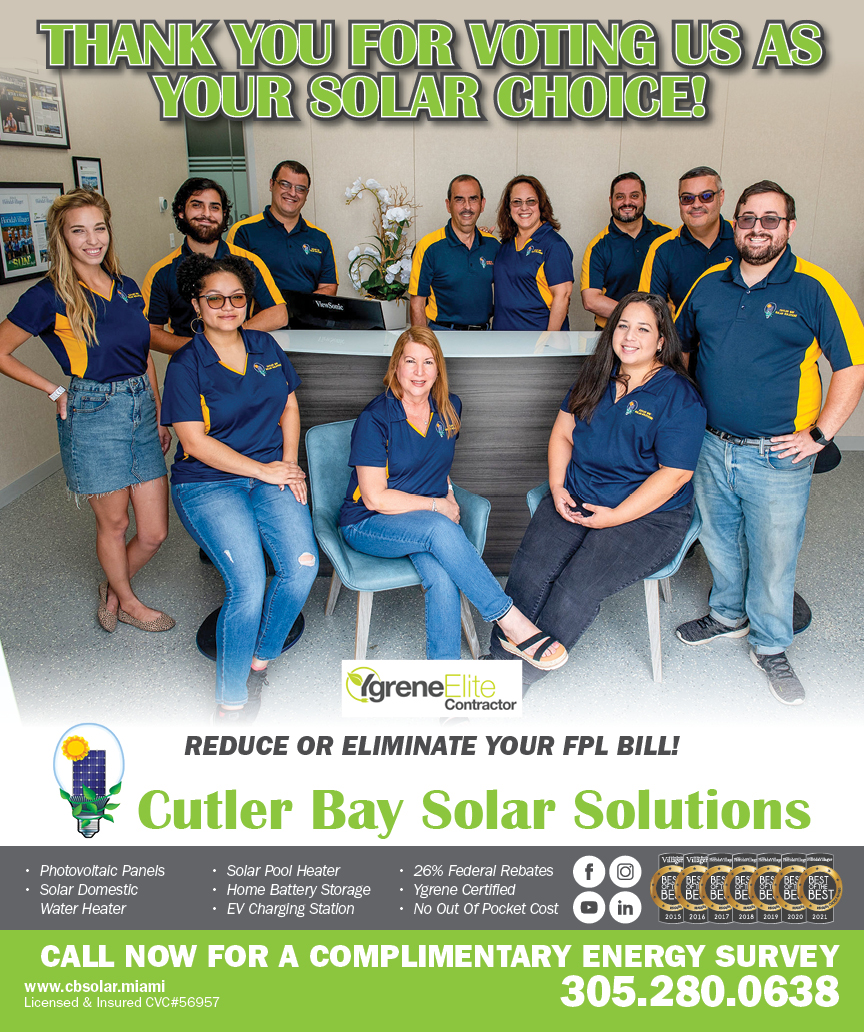


 Miami Royal Ballet & Dance
 Christopher Columbus
 Pineview Preschools
 Westminster
 Carrollton
 Lil’ Jungle
 Frost Science Museum
 Palmer Trinity School
 South Florida Music
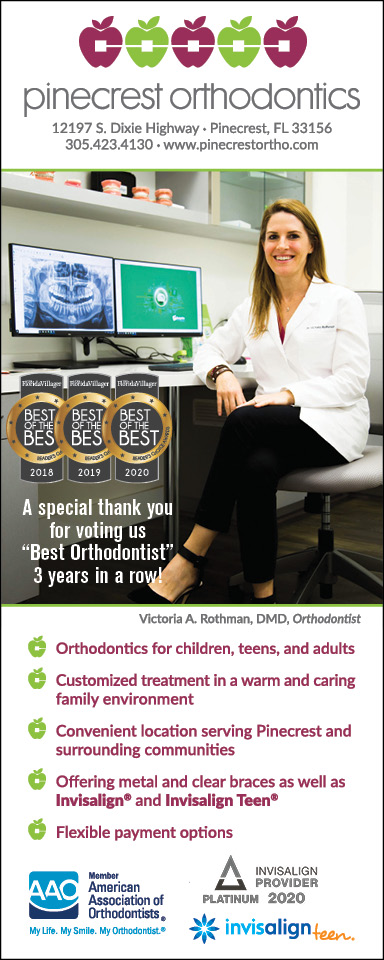
 Pinecrest Orthodontics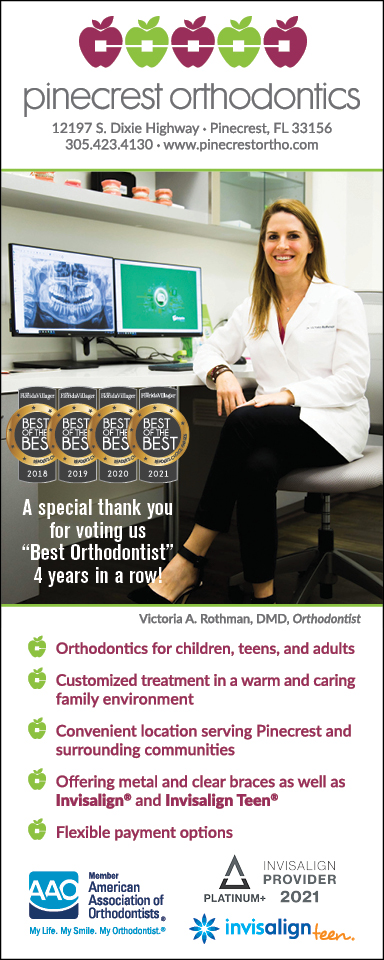
 Dr. Bob Pediatric Dentist
 d.pediatrics


 South Miami Women’s Health
 Endodontix Dental Group
 The Spot Barbershop
 My Derma Clinic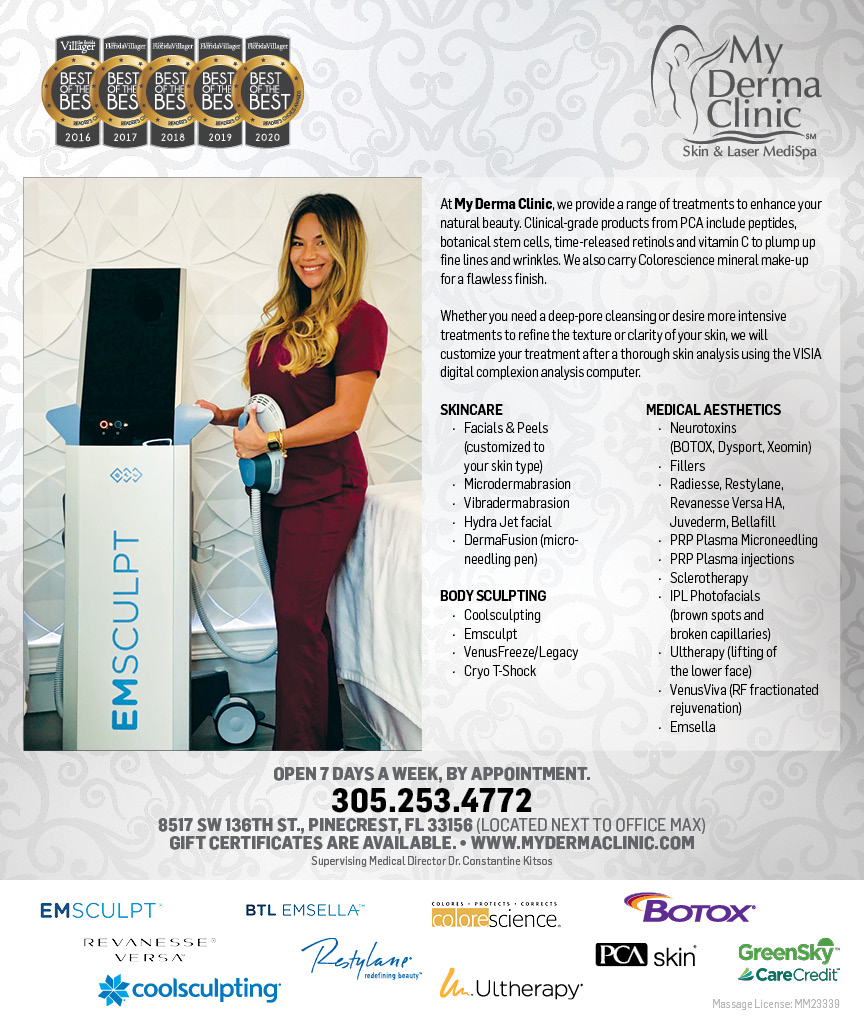



 Miami Dance Project

 Rubinstein Family Chiropractic
 Indigo Republic

 Safes Universe
 Vintage Liquors
 Evenings Delight





 Atchana’s Homegrown Thai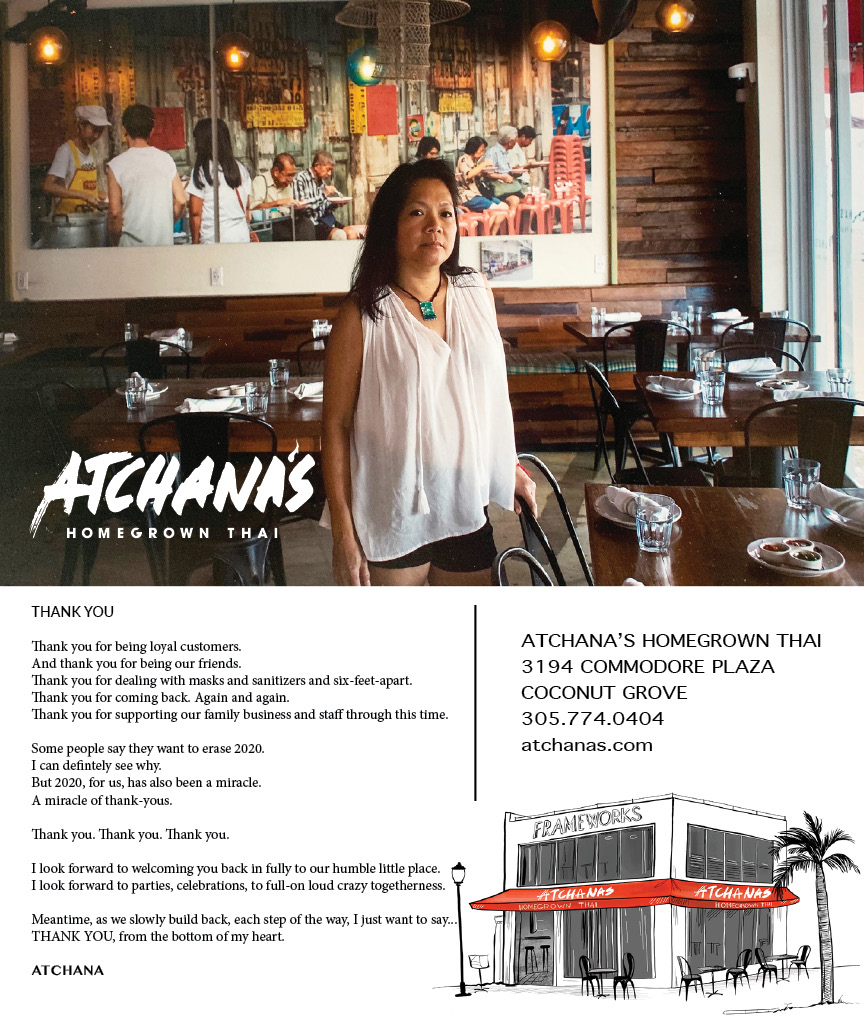
 Baptist Health South Florida

 Laser Eye Center of Miami
 Visiting Angels
 OpusCare of South Florida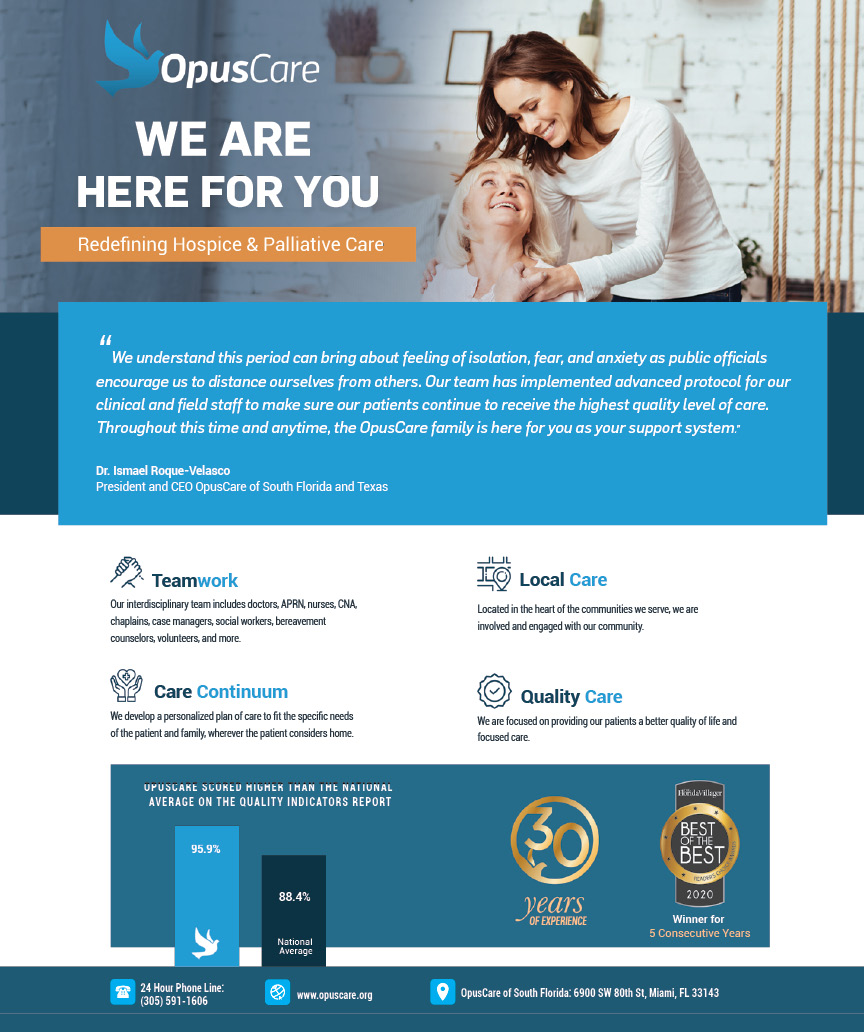



 Your Pet’s Best

 HD Tree Services
 Hamilton Fox & Company

 Creative Design Services