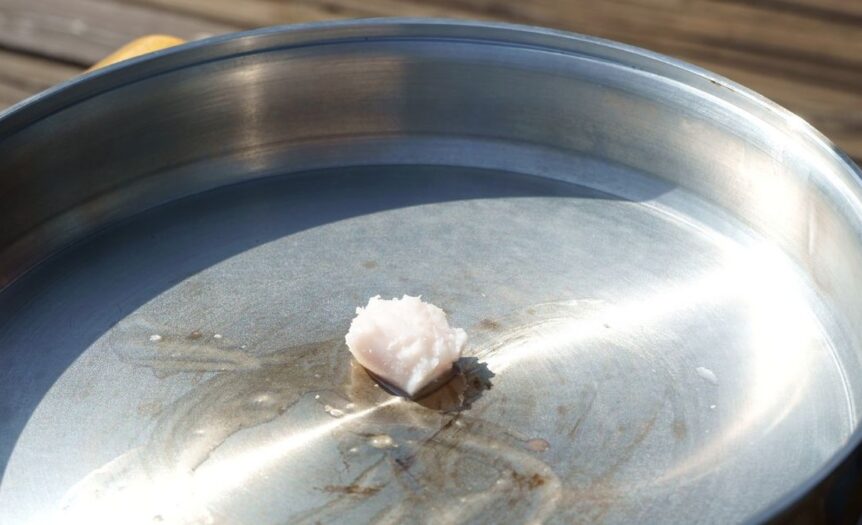
Beef tallow deserves a spot in your kitchen arsenal. This rendered fat from cattle transforms ordinary dishes into extraordinary culinary experiences, delivering rich flavors that vegetable oils simply cannot match.
Professional chefs have rediscovered what our ancestors knew well—beef tallow creates exceptional taste and texture in countless dishes. Whether you run a restaurant kitchen or cook at home, this versatile fat opens doors to authentic flavors and superior cooking results. Learn some favorite ways to cook with beef tallow here!
What Makes Beef Tallow Special
Beef tallow comes from rendering the fat around the kidneys and other internal organs of cattle. This process creates a stable, flavorful cooking fat with a high smoke point of 400°F (204°C). Unlike many modern cooking oils, tallow remains stable at high temperatures without breaking down or producing harmful compounds.
The fat also contains natural vitamins A, D, E, and K, plus conjugated linoleic acid (CLA). These nutrients make tallow a more nutritious choice than highly processed vegetable oils.
High-Heat Cooking Techniques
Deep Frying
Tallow excels at deep frying. Use it for french fries, chicken, or tempura vegetables. The high smoke point prevents burning while creating crispy exteriors and tender interiors. Many renowned restaurants use beef tallow for their signature fries because it produces unmatched crispiness and flavor.
Searing and Pan-Frying
Heat a small amount of tallow in your pan before adding steaks, chops, or fish fillets. The fat creates beautiful browning and adds depth to the meat’s natural flavors.
Pro Tip: Tallow works particularly well with cast-iron cookware.
Slow Cooking Applications
Roasting Vegetables
Coat root vegetables like potatoes, carrots, and parsnips with melted tallow before roasting. The fat helps vegetables caramelize beautifully while adding rich, savory notes that complement their natural sweetness.
Braising Meats
Add chunks of solid tallow to braising liquids for pot roasts or short ribs. As the fat slowly melts during cooking, it enriches the braising liquid and keeps the meat moist and flavorful.
Baking and Pastry Work
Tallow creates flaky, tender pastry crusts that rival your favorite butter-based versions. Replace butter or shortening with an equal amount of room-temperature tallow in pie crusts, biscuits, or savory tarts. The fat produces layers with distinct, rich flavor.
Pro Tip: For savory breads, substitute up to half the called-for oil or butter with melted tallow. This technique works well for cornbread and herb-focused loaves.
Storage and Preparation Tips
Store rendered tallow in airtight containers in the refrigerator for up to six months, or freeze it for longer storage. Solid tallow keeps well at room temperature for several days.
To prepare tallow for cooking, simply heat the desired amount in your pan or melt it in the microwave. The fat liquefies quickly and evenly.
Transform Your Cooking Today
Cooking with beef tallow brings authentic flavors and superior cooking performance to your kitchen. Start with simple applications like roasting vegetables or pan-searing steaks, then expand to more complex techniques as you discover this ingredient’s versatility.
Your guests and customers (or just you, yourself) will notice the difference immediately. Rich, satisfying flavors and improved textures make every dish more memorable when you cook with this traditional fat.






 Deering Estate
 Massage Envy South Miami
 Calla Blow Dry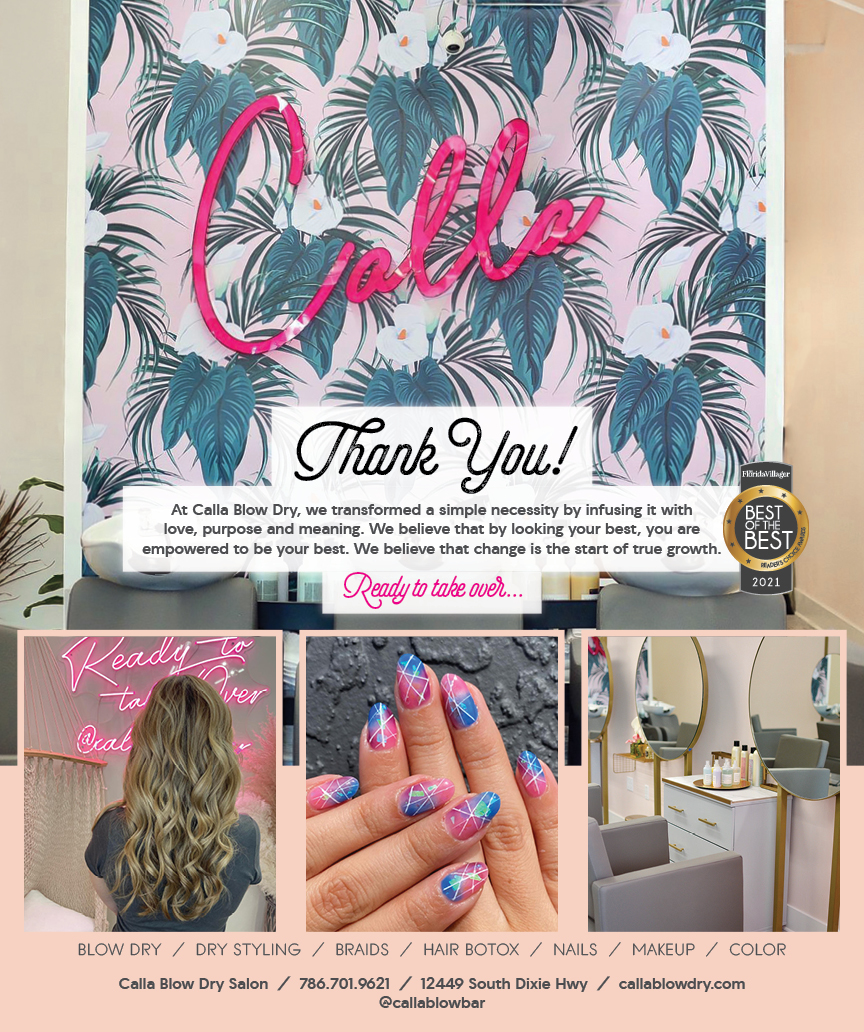
 My Derma Clinic
 Sports Grill
 The Healthy Kitchen
 Sushi Maki
 Golden Rule Seafood
 Malanga Cuban Café


 Kathleen Ballard
 Panter, Panter & Sampedro
 Vintage Liquors
 The Dog from Ipanema
 Rubinstein Family Chiropractic
 Your Pet’s Best
 Indigo Republic
 Animal Health and Rehab
 Maurice’s Jewelers
 ATR Luxury Homes


 2112 Design Studio
 Hamilton Fox & Company
 Creative Design Services
 Best Pest Professionals
 HD Tree Services
 Trinity Air Conditioning Company
 Cisca Construction & Development
 Mosquito Joe
 Cutler Bay Solar Solutions


 Miami Royal Ballet & Dance
 Christopher Columbus
 Pineview Preschools
 Westminster
 Carrollton
 Lil’ Jungle
 Frost Science Museum
 Palmer Trinity School
 South Florida Music
 Pinecrest Orthodontics
 Dr. Bob Pediatric Dentist
 d.pediatrics


 South Miami Women’s Health
 Endodontix Dental Group
 The Spot Barbershop
 My Derma Clinic




 Miami Dance Project

 Rubinstein Family Chiropractic
 Indigo Republic

 Safes Universe
 Vintage Liquors
 Evenings Delight




 Atchana’s Homegrown Thai
 Baptist Health South Florida

 Laser Eye Center of Miami
 Visiting Angels
 OpusCare of South Florida



 Your Pet’s Best

 HD Tree Services
 Hamilton Fox & Company

 Creative Design Services