
Many skilled craftspeople discover that their weekend projects attract attention from neighbors, friends, and local businesses. Turning a metalworking hobby into a business represents one of the most natural progressions for talented fabricators who possess both technical skills and entrepreneurial spirit.
The metalworking industry continues to expand as custom fabrication demands grow across the automotive, construction, and manufacturing sectors. Small workshops often outperform larger competitors by offering personalized service and specialized expertise that corporate shops cannot match.
Evaluate Your Business Potential
Before you launch a business, take a close look at what the market wants and what you can consistently deliver.
From Weekend Projects to Revenue Streams
Start by assessing market demand for your specific skills. Auto-body repair shops need custom brackets and exhaust work. Contractors require specialized fabrication for unique building projects. Home improvement enthusiasts seek custom railings, gates, and decorative pieces.
Examine your current skill level honestly. Can you consistently produce quality work that meets professional standards? Do you complete projects within reasonable timeframes? These fundamentals determine whether your hobby possesses commercial viability.
Workshop Setup Fundamentals
Your workspace drives both productivity and profitability. When you ensure proper ventilation, maintain a reliable power supply, and organize tools for easy access, you create a streamlined environment that helps you complete projects faster and deliver better results to your customers.
Choosing equipment takes more than guesswork—it demands strategic thinking. Instead of filling your shop with niche tools, focus on versatile machines that serve multiple functions. This approach aligns with the basics of setting up a fabrication shop, where strategic investment in quality welders, cutting tools, and precision measuring instruments lays the groundwork for long-term success.
Develop Your Business Framework
As you shift from hobbyist to business owner, build a structure that supports both short-term execution and long-term growth.
Start Small, Scale Smart
Define your initial service offerings clearly. Focus on projects that match your existing skills while requiring minimal additional investment. Repair work often provides a steady income while you build capabilities for larger custom projects.
Calculate startup costs realistically. Material inventory, insurance, business licenses, and workspace improvements require upfront investment. Set conservative revenue targets initially, allowing for room to learn and adjust as you gain experience.
Customer Discovery and Acquisition
Local contractors, automotive shops, and manufacturing businesses represent your primary customer base. Visit nearby businesses to introduce yourself and showcase your work samples. Social media platforms help display completed projects and attract individual customers seeking custom work.
Word-of-mouth referrals drive sustainable growth in metalworking businesses. Every satisfied customer becomes a potential source of new projects through recommendations and repeat business.
Cultivate a Success Mindset
Shift your mindset from hobbyist to entrepreneur. Track every project’s cost, completion time, and profit margin. Record what works, analyze what doesn’t, and use each challenge to sharpen your problem-solving skills.
Strong communication builds trust as effectively as precise welds build structure. When you clarify project details, set realistic timelines, and maintain professional correspondence, you strengthen customer relationships and reduce costly misunderstandings. This level of attentiveness reflects the silent advantage for business growth, where listening, clarity, and consistent follow-through quietly set successful businesses apart from the rest.
Strategic Tool Investment
Turning a metalworking hobby into a business requires tools that multiply your output capacity. Efficient machines reduce labor time per project while improving consistency and quality. Prioritize equipment purchases based on immediate revenue potential and long-term versatility.
Reinvest early profits into capability-expanding tools. Each equipment upgrade should enable new project types or significantly improve efficiency on existing work.
Take Action Today
Success begins with a single step. Sketch your business plan, research local licensing requirements, or upgrade one essential tool. Small, consistent actions build momentum toward profitable operations that transform passion into sustainable income.








 Deering Estate
 Massage Envy South Miami
 Calla Blow Dry
 My Derma Clinic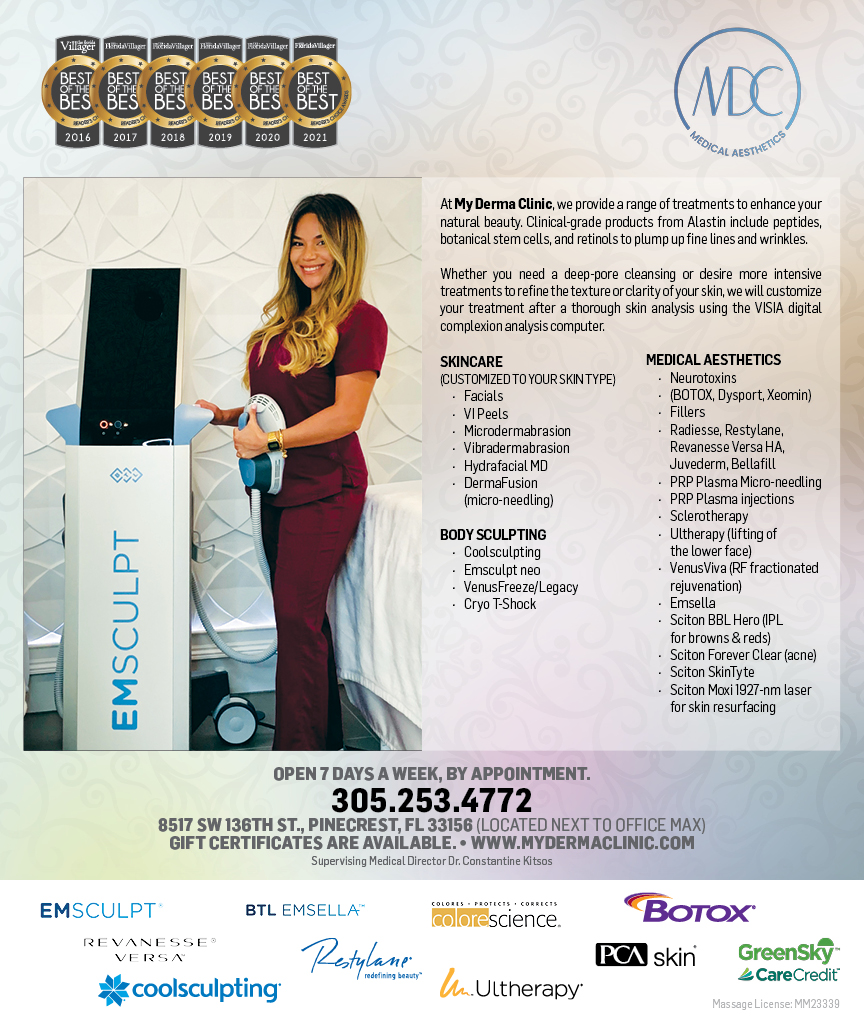
 Sports Grill
 The Healthy Kitchen
 Sushi Maki
 Golden Rule Seafood
 Malanga Cuban Café


 Kathleen Ballard
 Panter, Panter & Sampedro
 Vintage Liquors
 The Dog from Ipanema
 Rubinstein Family Chiropractic
 Your Pet’s Best
 Indigo Republic
 Animal Health and Rehab
 Maurice’s Jewelers
 ATR Luxury Homes


 2112 Design Studio
 Hamilton Fox & Company
 Creative Design Services
 Best Pest Professionals
 HD Tree Services
 Trinity Air Conditioning Company
 Cisca Construction & Development
 Mosquito Joe
 Cutler Bay Solar Solutions


 Miami Royal Ballet & Dance
 Christopher Columbus
 Pineview Preschools
 Westminster
 Carrollton
 Lil’ Jungle
 Frost Science Museum
 Palmer Trinity School
 South Florida Music
 Pinecrest Orthodontics
 Dr. Bob Pediatric Dentist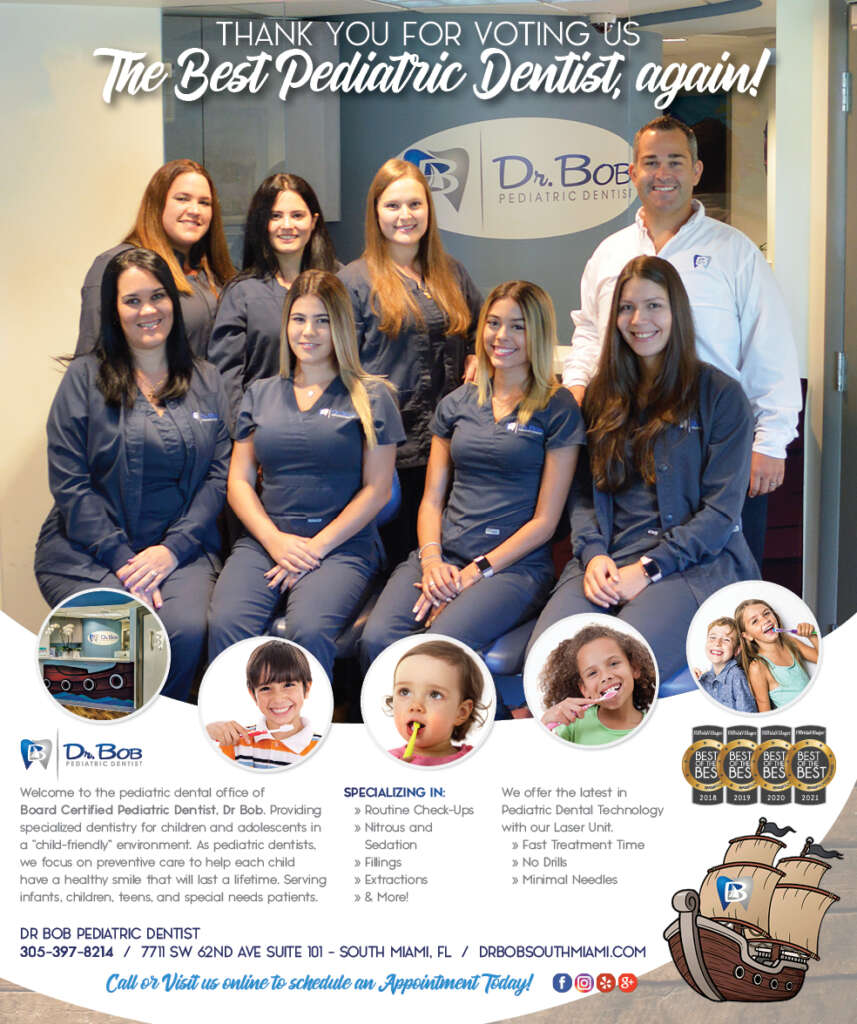
 d.pediatrics


 South Miami Women’s Health
 Endodontix Dental Group
 The Spot Barbershop
 My Derma Clinic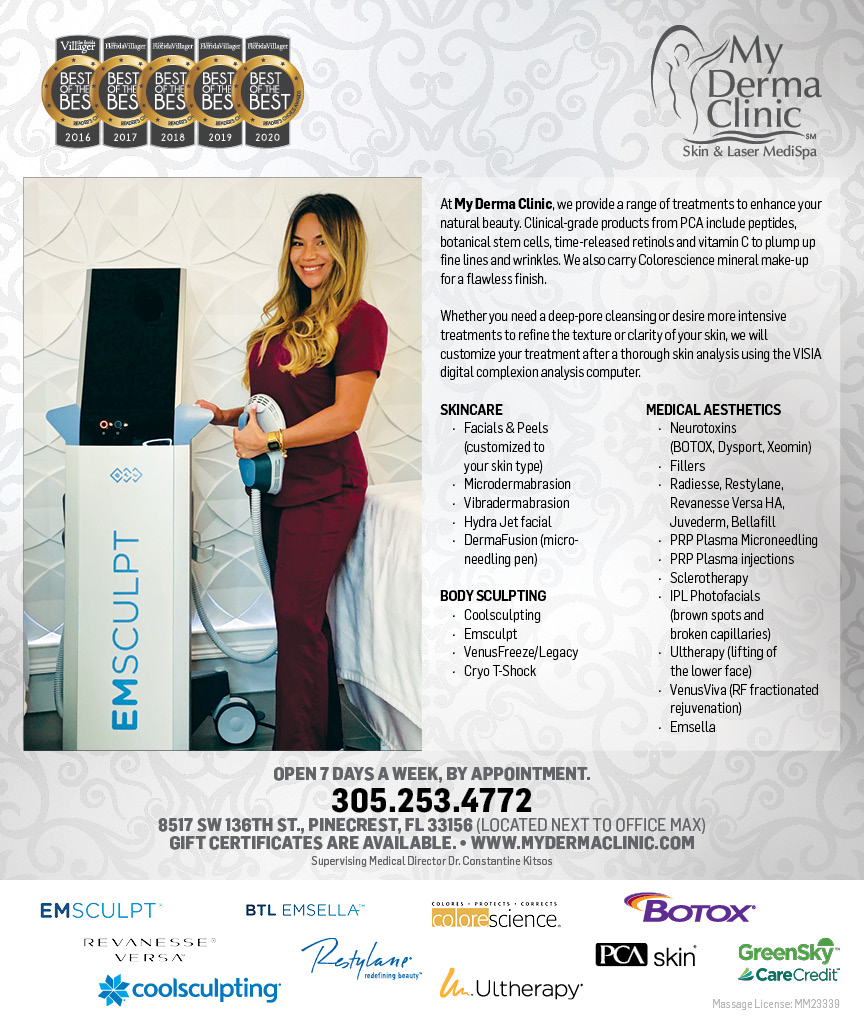




 Miami Dance Project
 Rubinstein Family Chiropractic
 Indigo Republic

 Safes Universe
 Vintage Liquors
 Evenings Delight





 Atchana’s Homegrown Thai
 Baptist Health South Florida

 Laser Eye Center of Miami
 Visiting Angels
 OpusCare of South Florida



 Your Pet’s Best

 HD Tree Services
 Hamilton Fox & Company

 Creative Design Services