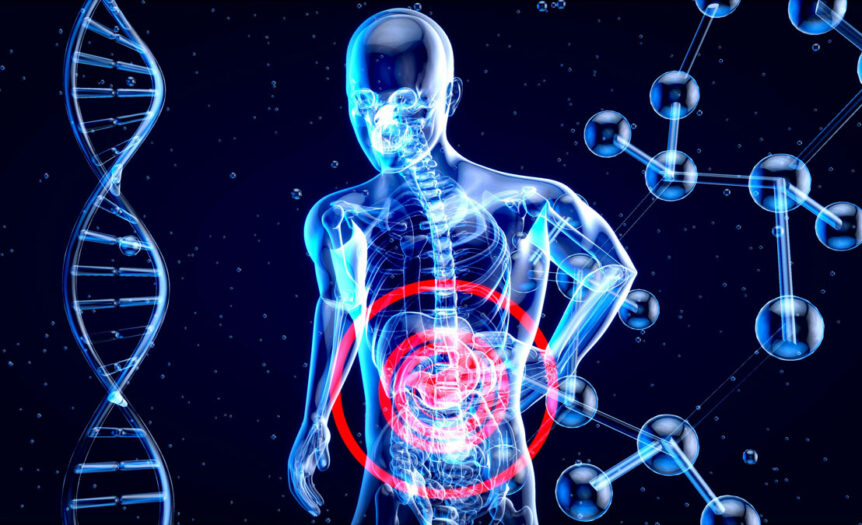
The pace of medical discovery has accelerated significantly in recent years, driven by innovative research approaches, powerful analytical tools, and new ways of managing clinical trials. From AI-driven insights to decentralized trial models, advanced strategies are reshaping how quickly and effectively breakthroughs reach patients.
Harnessing the Power of Artificial Intelligence
Artificial intelligence (AI) has emerged as a cornerstone of modern medical research. AI algorithms can process vast amounts of data far faster than traditional methods, identifying patterns that might otherwise go unnoticed. Machine learning models can predict drug responses, uncover potential side effects, and optimize trial designs before patient enrollment even begins.
This predictive capability reduces trial failures, saves resources, and helps researchers focus on the most promising treatment candidates. AI tools also improve diagnostic accuracy, enabling earlier detection of diseases and more personalized treatment strategies.
Adaptive Clinical Trial Designs
Traditional clinical trials often follow rigid protocols that may not adjust well to emerging data. Adaptive trial designs are changing this by allowing modifications based on interim results. For example, dosing levels can be adjusted, patient groups can be redefined, or ineffective treatments can be dropped mid-study.
These flexible designs accelerate timelines and make it easier to allocate resources toward treatments showing early signs of success. They also enhance patient safety by minimizing exposure to ineffective or potentially harmful interventions.
Real-World Evidence Integration
Real-world evidence (RWE) involves using data from sources such as electronic health records, insurance claims, and patient registries. By incorporating RWE into research, scientists can better understand how treatments perform outside controlled trial environments.
This approach improves the generalizability of results and can reveal insights into long-term treatment effectiveness, patient adherence, and quality-of-life outcomes. Regulatory agencies are increasingly open to submissions supported by RWE, which can shorten the path to approval.
Advanced Analytics for Decision-Making
Sophisticated analytics platforms are enabling researchers to evaluate complex datasets with unprecedented speed and accuracy. These tools provide actionable insights into patient selection, trial optimization, and outcome prediction.
Companies like Cytel offer advanced analytics solutions that help pharmaceutical and biotech firms make evidence-driven decisions at every stage of drug development. By combining statistical innovation with computational power, analytics tools help reduce uncertainty and support faster, more confident go/no-go decisions.
Decentralized Clinical Trials
Decentralized clinical trials (DCTs) use digital tools and remote monitoring to allow participants to take part from their homes. Wearable devices, mobile apps, and telemedicine visits replace many in-person site visits, making participation easier and more convenient.
This model increases patient recruitment and retention, especially among populations who might struggle to travel to research sites. DCTs also generate continuous streams of data, providing researchers with a more complete view of patient experiences.
Genomics and Precision Medicine
The integration of genomic data into clinical research is transforming how treatments are developed and prescribed. Precision medicine focuses on tailoring treatments to an individual’s genetic makeup, lifestyle, and environment.
Genomic sequencing can identify patients who are more likely to respond to certain therapies or who may experience adverse reactions. This level of personalization not only increases treatment effectiveness but also reduces unnecessary exposure to ineffective drugs.
Collaboration Across Borders
Global collaboration in research is becoming more common, driven by shared databases, cloud computing, and standardized protocols. Multinational studies allow for larger and more diverse patient populations, which strengthens the statistical power of findings.
Cross-border partnerships also enable faster sharing of data, technology, and expertise, further accelerating the discovery process.
Advanced strategies in medical research are transforming the speed and efficiency of discovery. The integration of these approaches is not only reshaping timelines for drug development but also improving the quality and relevance of medical breakthroughs for patients worldwide.








 Deering Estate
 Massage Envy South Miami
 Calla Blow Dry
 My Derma Clinic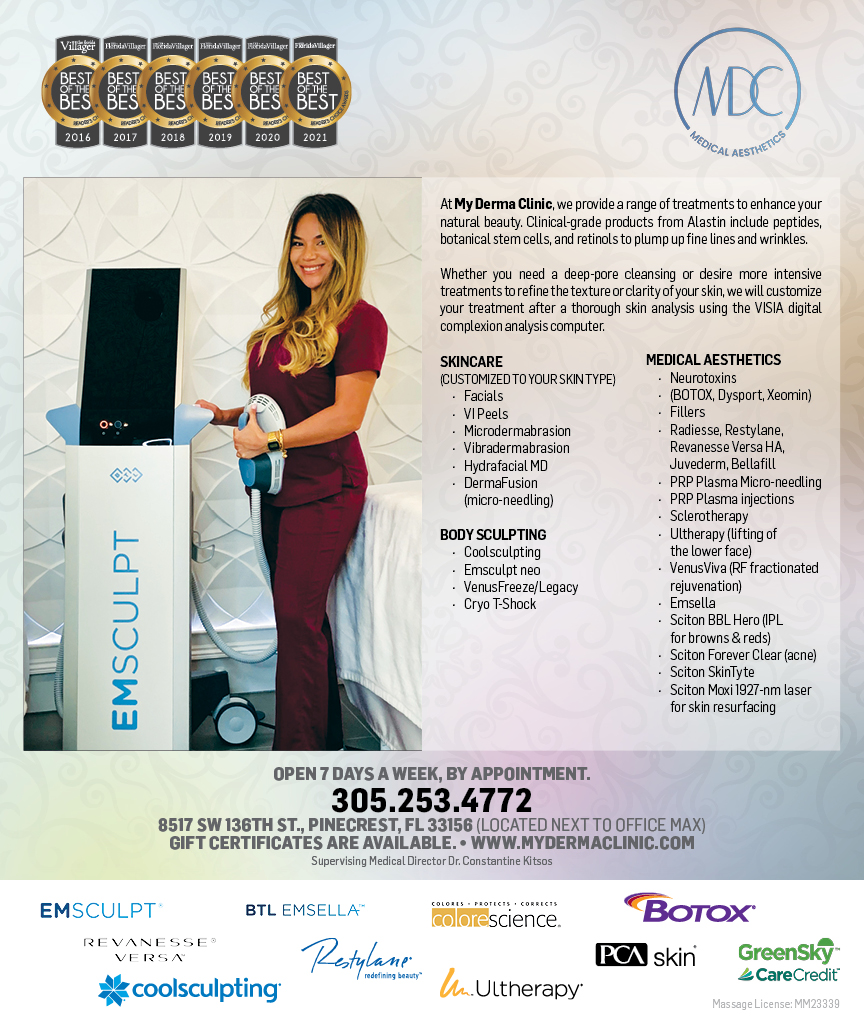
 Sports Grill
 The Healthy Kitchen
 Sushi Maki
 Golden Rule Seafood
 Malanga Cuban Café


 Kathleen Ballard
 Panter, Panter & Sampedro
 Vintage Liquors
 The Dog from Ipanema
 Rubinstein Family Chiropractic
 Your Pet’s Best
 Indigo Republic
 Animal Health and Rehab
 Maurice’s Jewelers
 ATR Luxury Homes
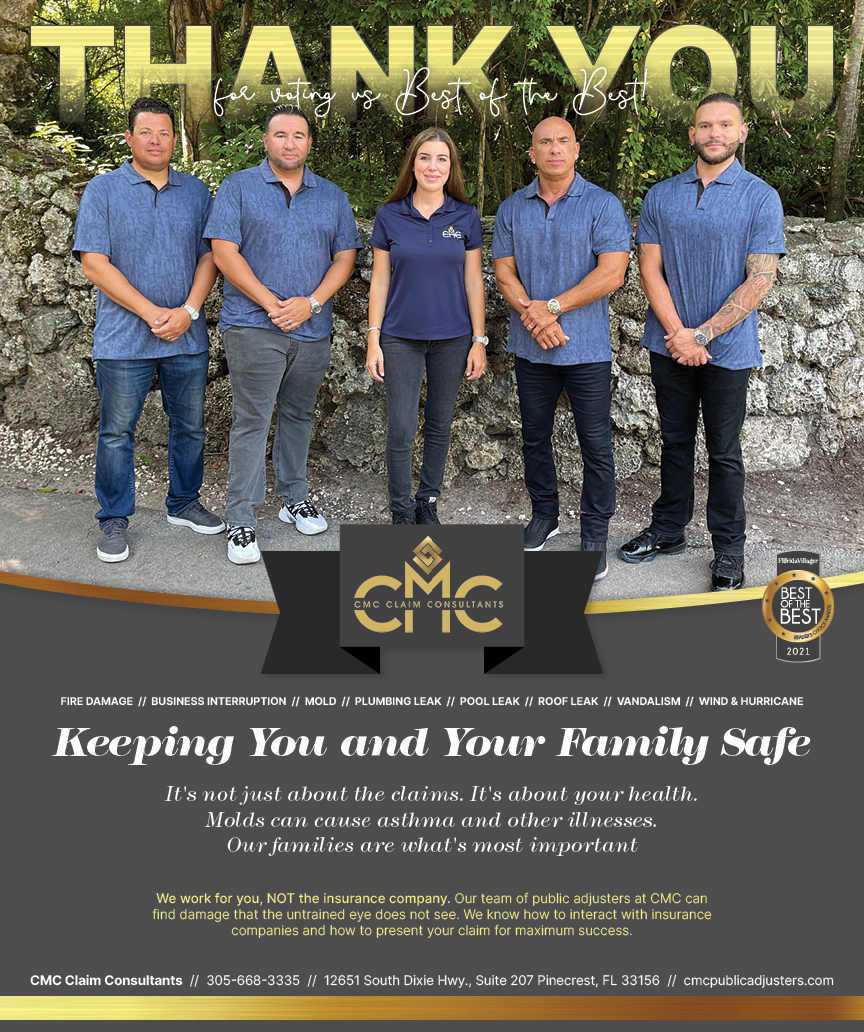
 2112 Design Studio
 Hamilton Fox & Company
 Creative Design Services
 Best Pest Professionals
 HD Tree Services
 Trinity Air Conditioning Company
 Cisca Construction & Development
 Mosquito Joe
 Cutler Bay Solar Solutions


 Miami Royal Ballet & Dance
 Christopher Columbus
 Pineview Preschools
 Westminster
 Carrollton
 Lil’ Jungle
 Frost Science Museum
 Palmer Trinity School
 South Florida Music
 Pinecrest Orthodontics
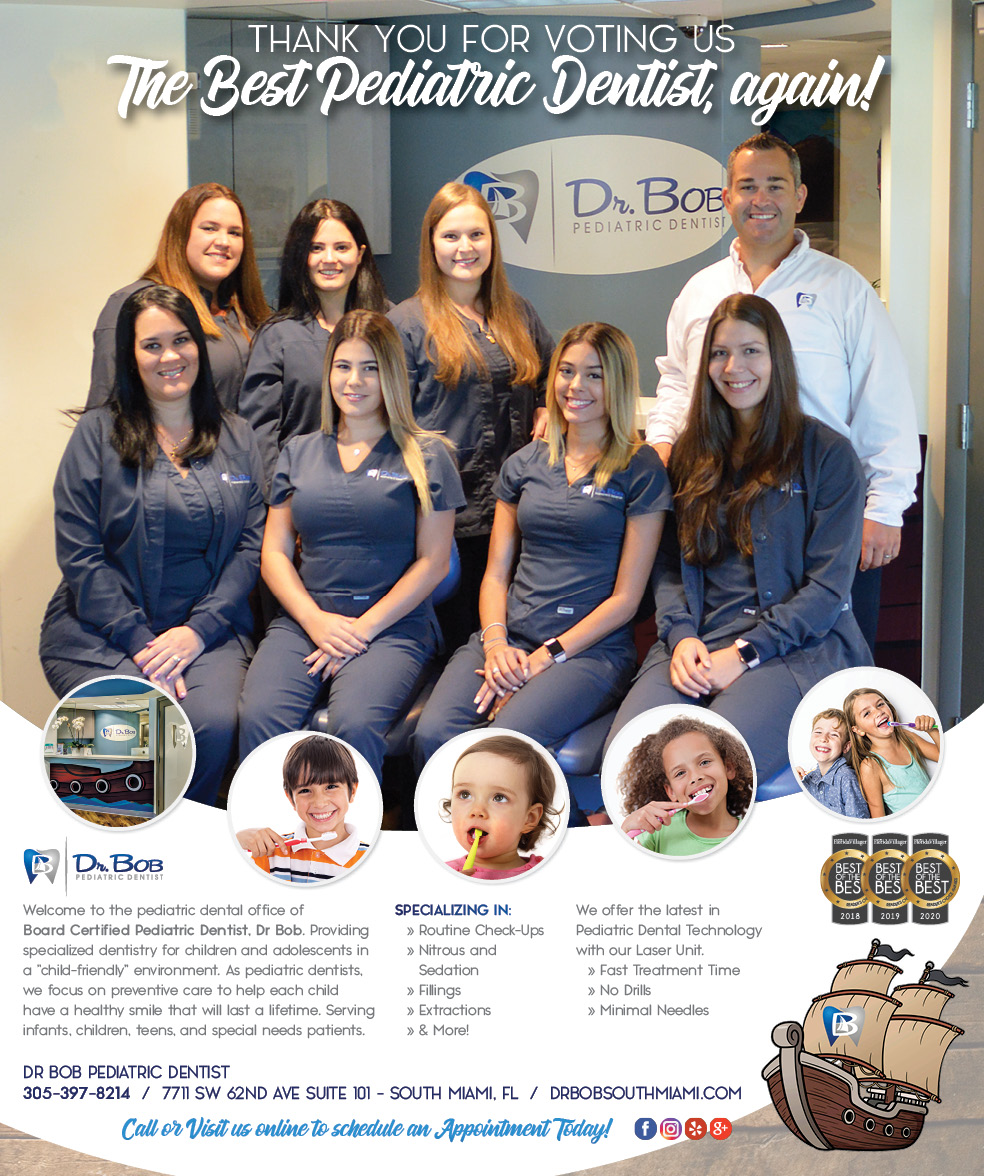
 Dr. Bob Pediatric Dentist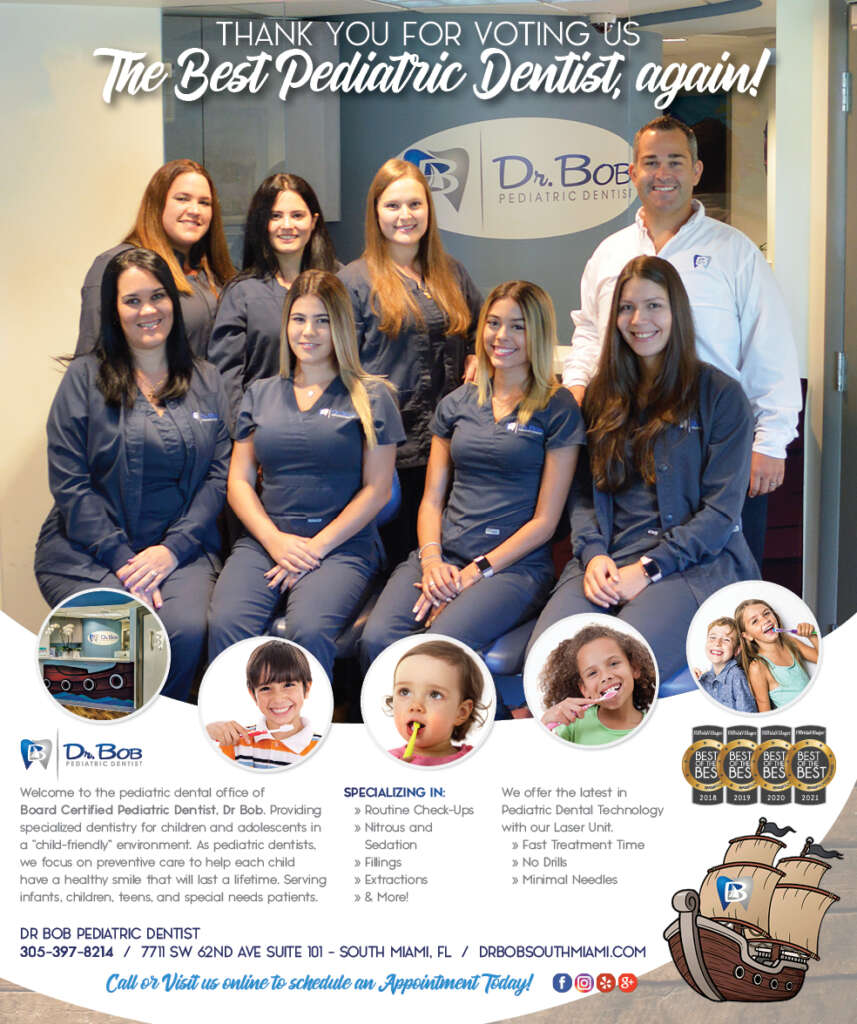
 d.pediatrics


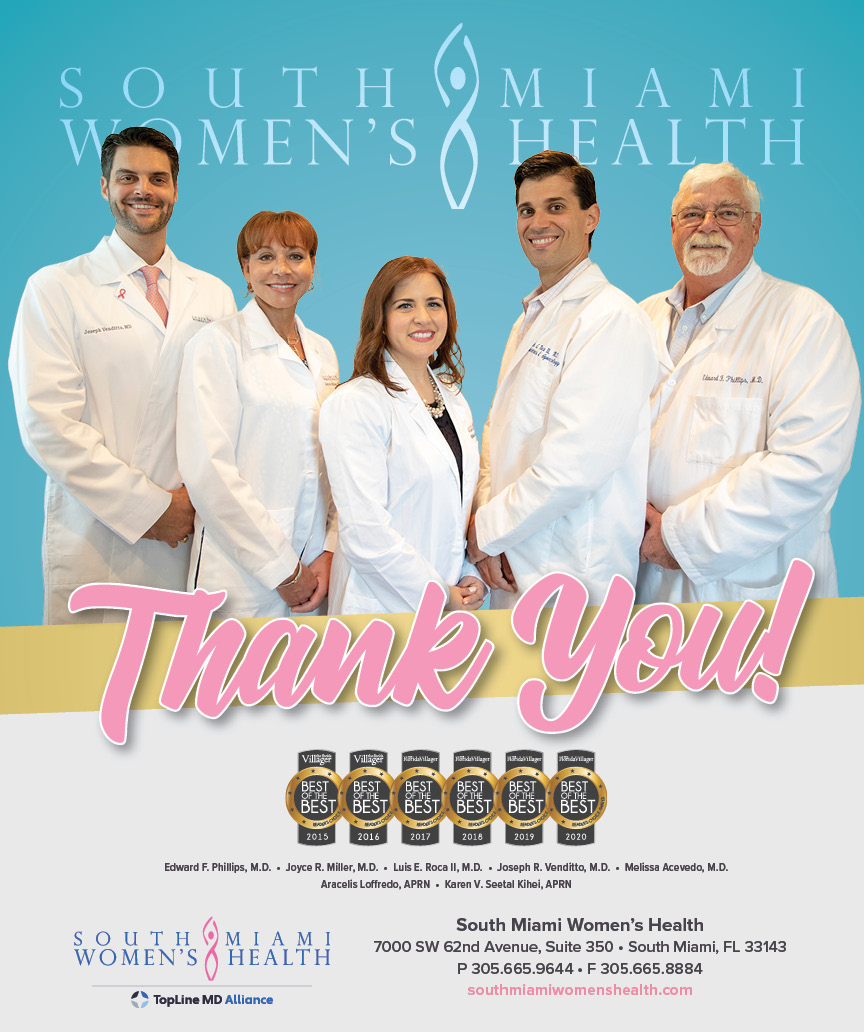
 South Miami Women’s Health
 Endodontix Dental Group
 The Spot Barbershop
 My Derma Clinic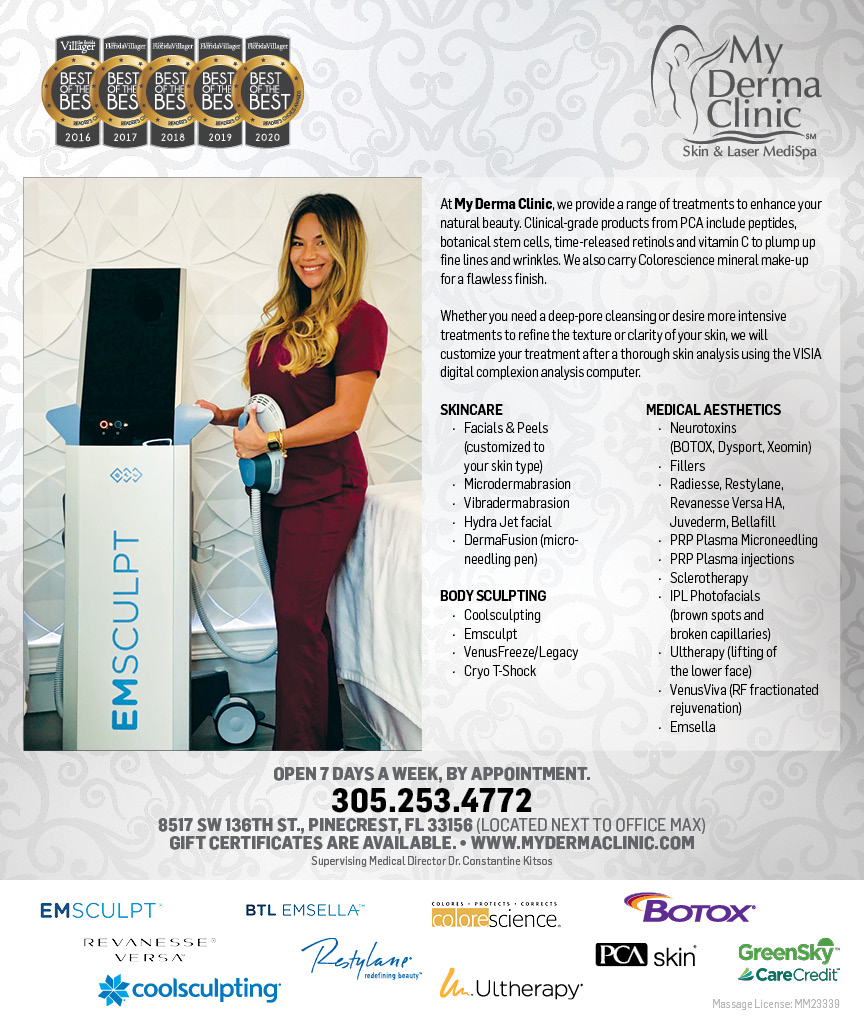




 Miami Dance Project
 Rubinstein Family Chiropractic
 Indigo Republic

 Safes Universe
 Vintage Liquors
 Evenings Delight





 Atchana’s Homegrown Thai
 Baptist Health South Florida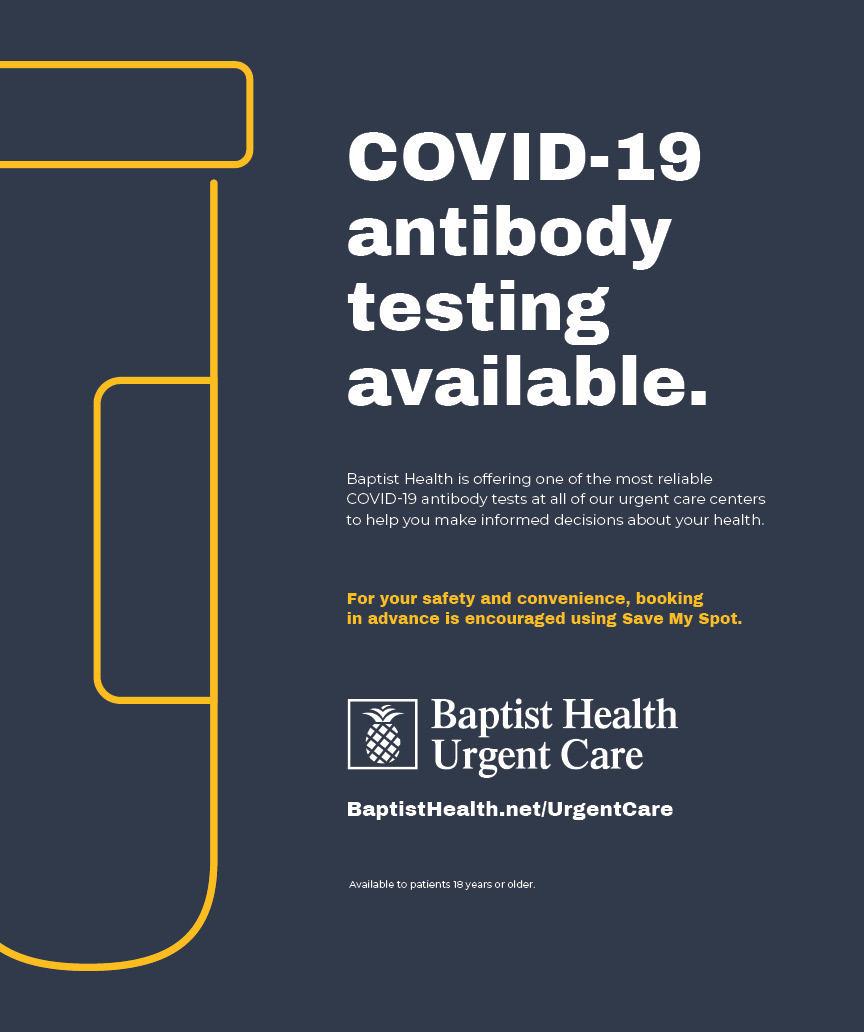

 Laser Eye Center of Miami
 Visiting Angels
 OpusCare of South Florida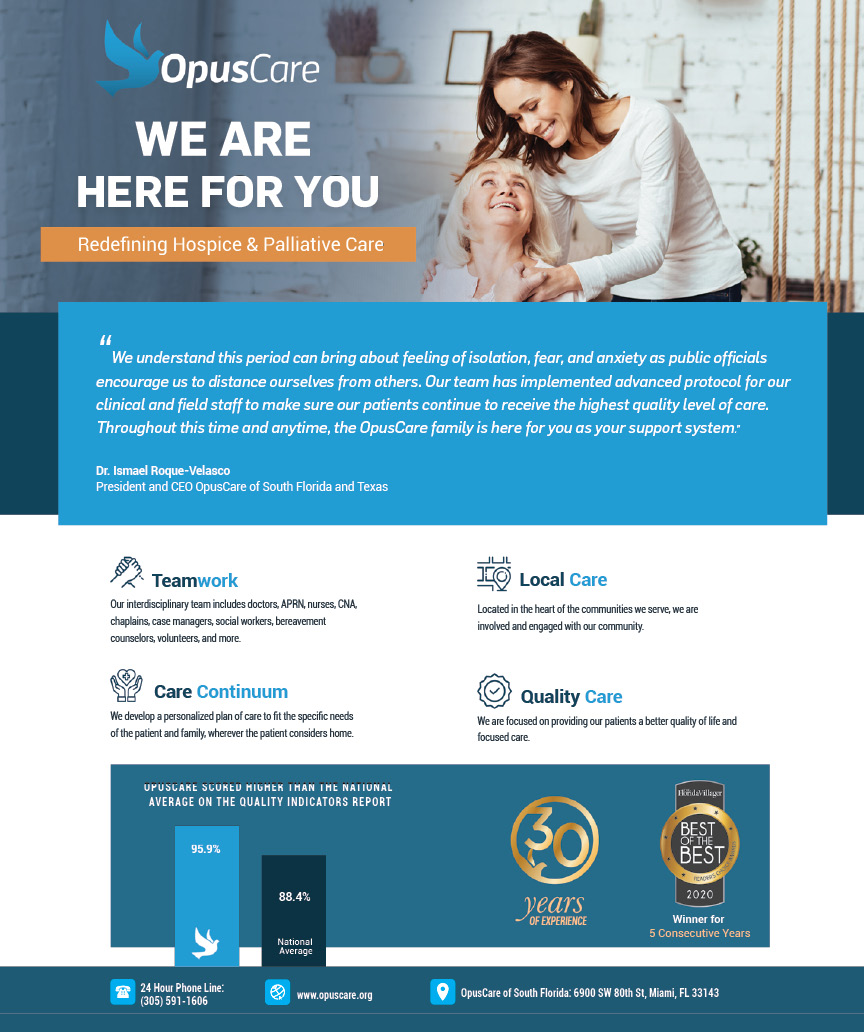


 Your Pet’s Best

 HD Tree Services
 Hamilton Fox & Company

 Creative Design Services