Owning construction equipment requires protecting it against risks. If you move equipment from one location to another, risk can shift daily. Whether you own one backhoe or a fleet of excavators, overlooking the fine print in your equipment insurance policy can cost you. These six insurance tips for construction equipment owners will help you avoid the pitfalls and protect your most expensive investments.
1. Audit Coverage for Mobile Use
Not all policies support movement. If your machinery moves to various job sites two to three times per week, verify that your policy accounts for transit, theft, and job-site incidents. Many contractors rely on property insurance when they need inland marine coverage, which is ideal for tools and equipment in transit or off-site. Also, check whether your policy limits apply only to equipment stored at a fixed address.
2. Account for Equipment Downtime
Heavy equipment downtime is expensive. When a loader’s out of service for four days after a lightning strike, you lose time and revenue. Add loss-of-use coverage that kicks in after 72 hours to offset rental costs or missed deadlines. This is particularly important during hurricane season when repair delays stretch from days to weeks due to parts backlogs and technician shortages.
3. Cover High-Tech Attachments Separately
That hydraulic hammer, GPS, or LiDAR scanner might be worth more than the base unit, and it might not be insured. Check if your policy treats tech attachments as separate line items. Most policies only cover the “primary equipment” listed on the schedule. If you’ve added attachments in the last six months, ask your broker to update your declarations page before the next invoice hits your inbox.
4. Understand State and Federal Transport Rules
Crossing state lines in the US is more than a mileage thing. Review the appropriate guidelines for transporting equipment across state lines to avoid gaps in coverage. Improper permitting, axle load violations, or missed inspections can void coverage if an accident occurs in another state.
Before transporting machinery to Alabama or Georgia, for example, confirm that your insurance still applies once you’re outside Florida.
5. Insure Across All Locations
If you operate out of DeLand, Florida but pick up weekend work in Miami, Florida, a policy tied to one ZIP code won’t cut it. Look for insurance that provides multi-site scheduling and recognizes job-site variation. Some policies only apply when the machine is “at home base,” which doesn’t help when it’s parked 180 miles south.
6. Don’t Make Assumptions About Expensive Tools
Protecting your assets is the most essential part of these six insurance tips for construction equipment owners. Never assume a contractor’s liability policy extends to your equipment. If your gear is stolen or damaged while subbing on someone else’s project, the policy likely excludes it.







 Deering Estate
 Massage Envy South Miami
 Calla Blow Dry
 My Derma Clinic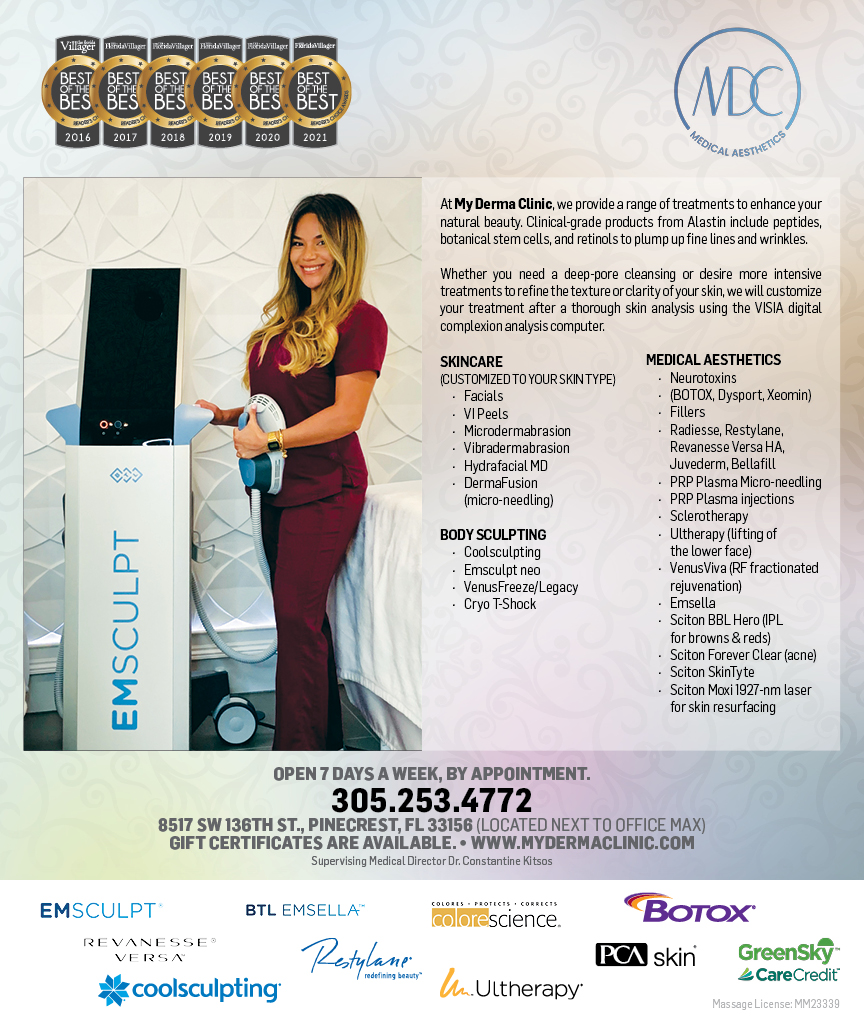
 Sports Grill
 The Healthy Kitchen
 Sushi Maki
 Golden Rule Seafood
 Malanga Cuban Café


 Kathleen Ballard
 Panter, Panter & Sampedro
 Vintage Liquors
 The Dog from Ipanema
 Rubinstein Family Chiropractic
 Your Pet’s Best
 Indigo Republic
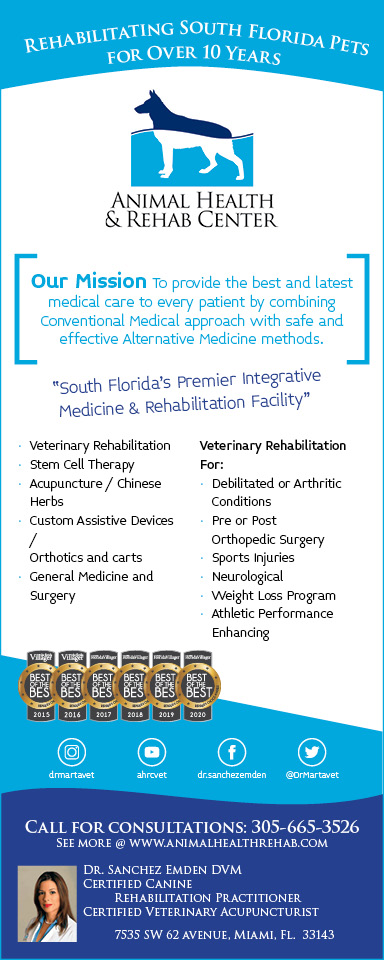
 Animal Health and Rehab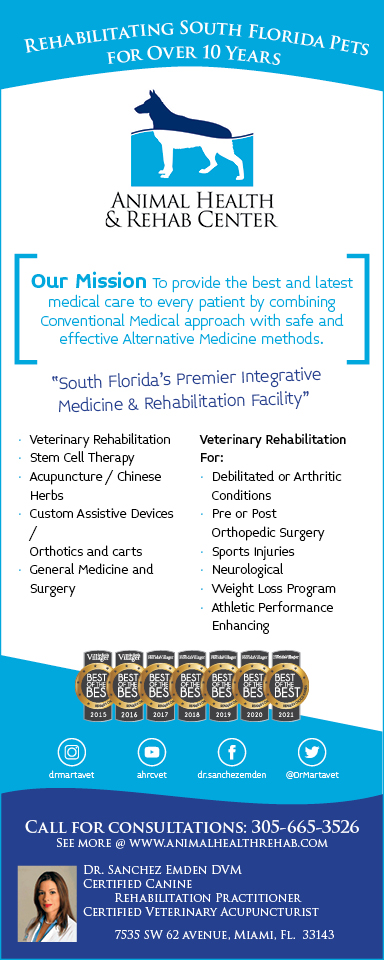
 Maurice’s Jewelers
 ATR Luxury Homes
 2112 Design Studio
 Hamilton Fox & Company
 Creative Design Services
 Best Pest Professionals
 HD Tree Services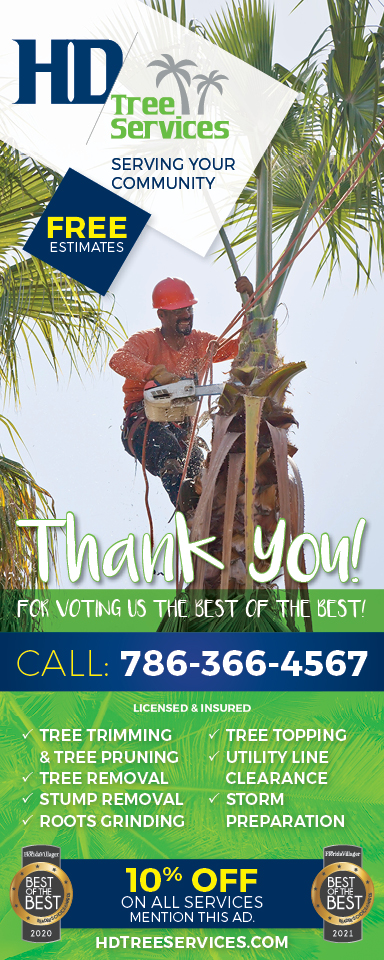
 Trinity Air Conditioning Company
 Cisca Construction & Development
 Mosquito Joe
 Cutler Bay Solar Solutions


 Miami Royal Ballet & Dance
 Christopher Columbus
 Pineview Preschools
 Westminster
 Carrollton
 Lil’ Jungle
 Frost Science Museum
 Palmer Trinity School
 South Florida Music
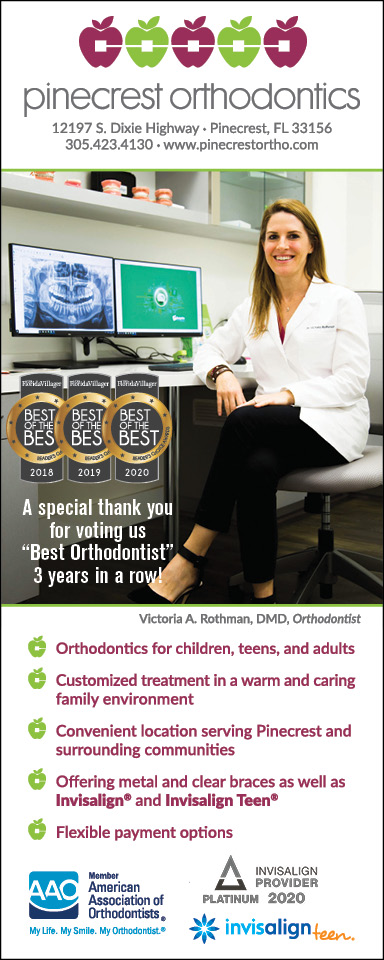
 Pinecrest Orthodontics
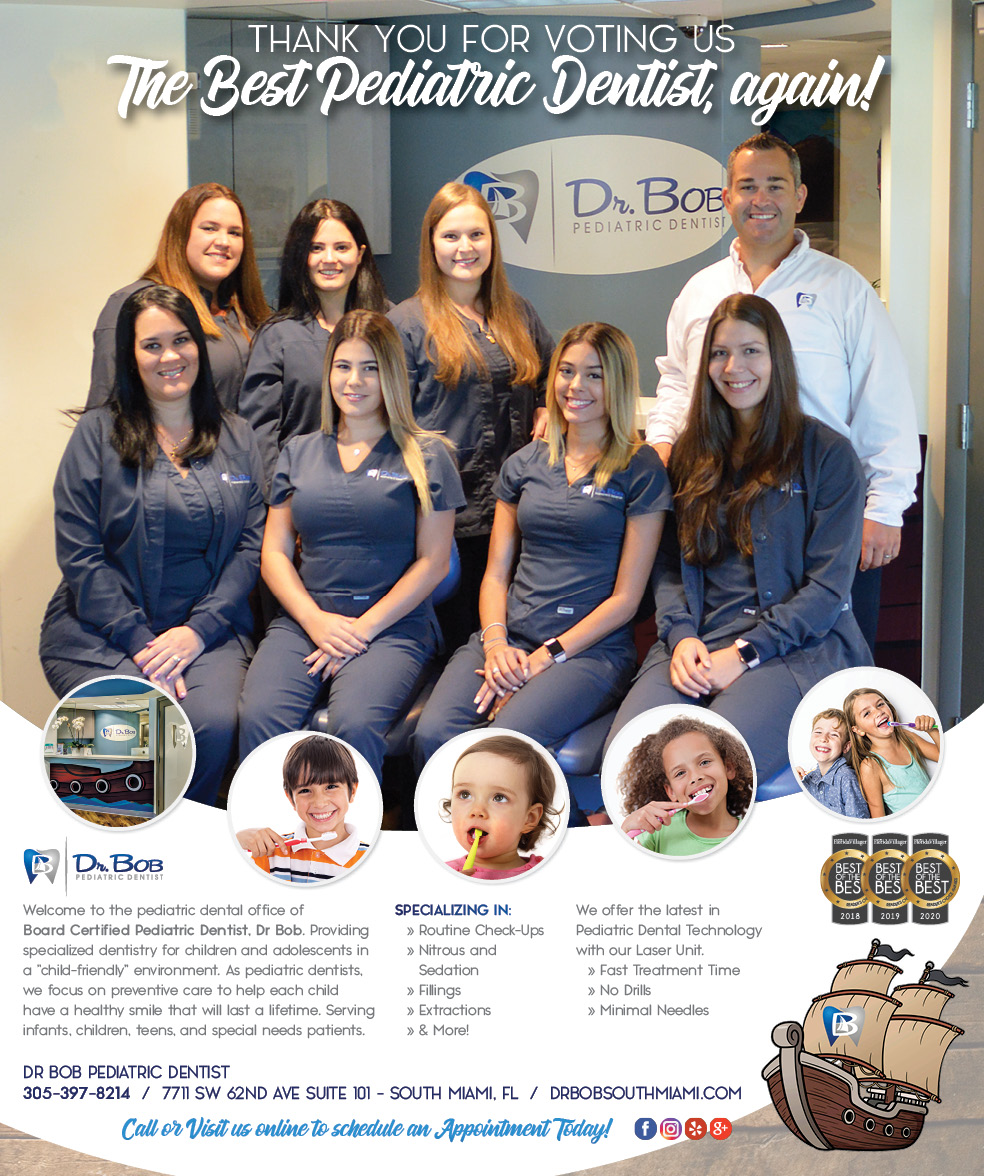
 Dr. Bob Pediatric Dentist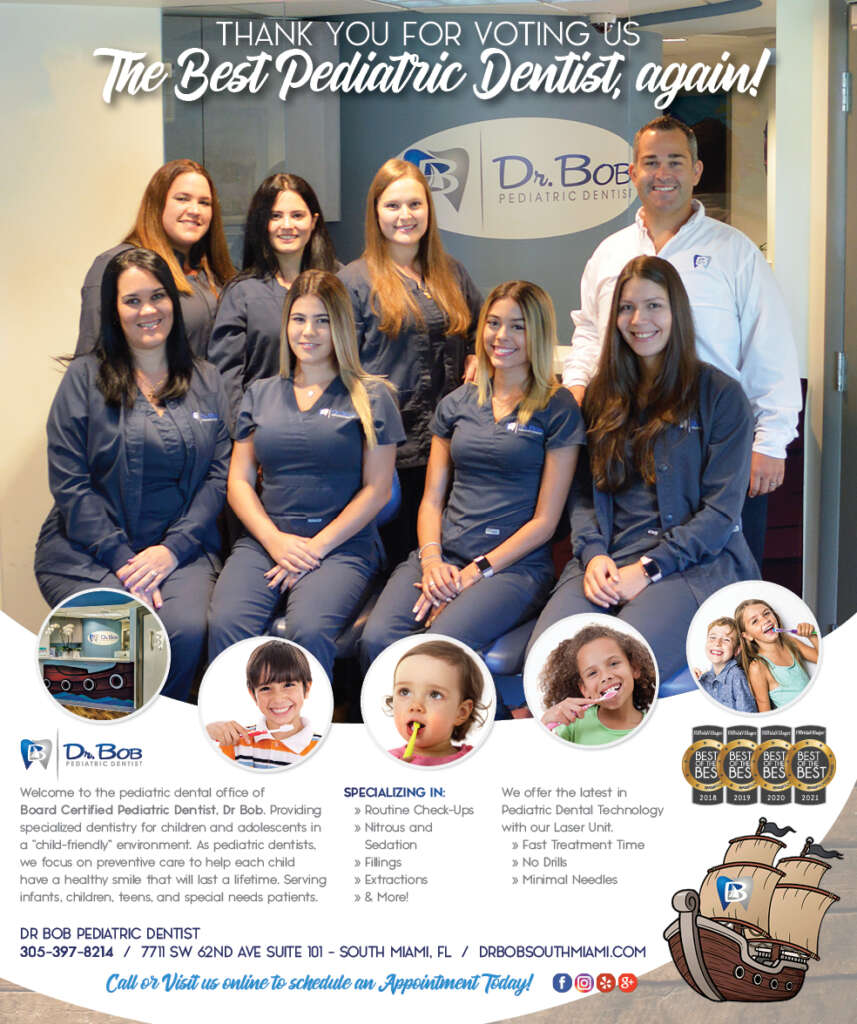
 d.pediatrics

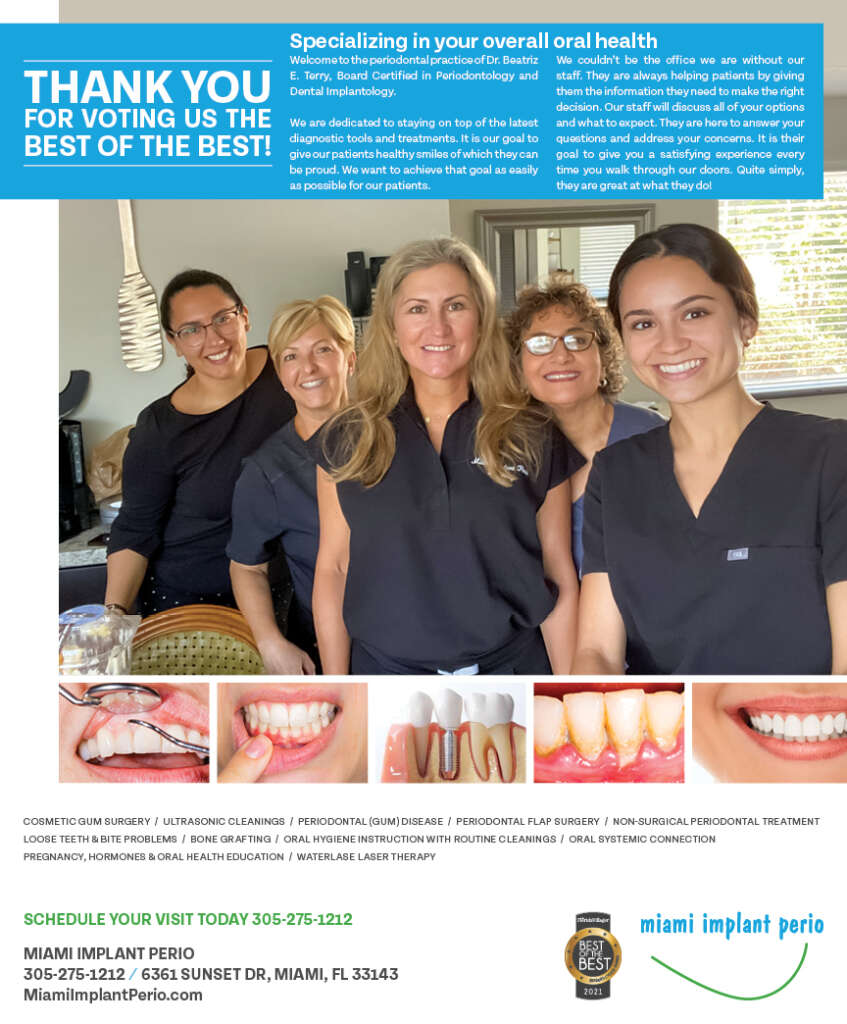
 South Miami Women’s Health
 Endodontix Dental Group
 The Spot Barbershop
 My Derma Clinic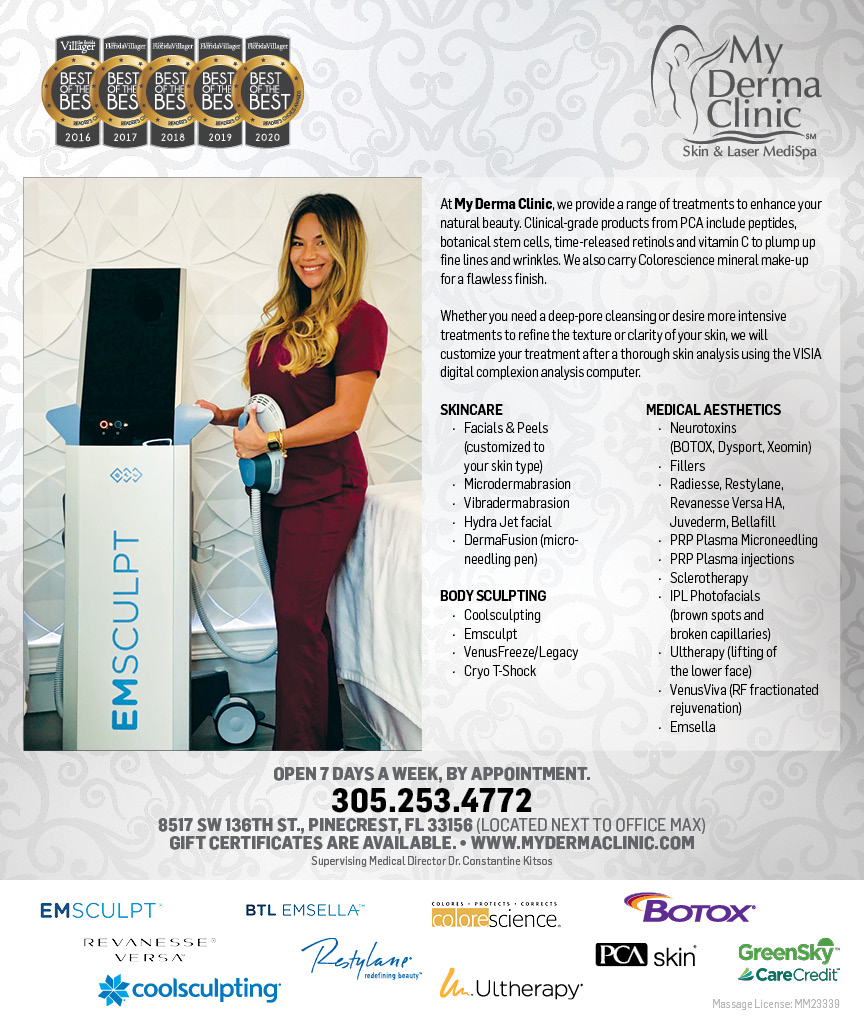
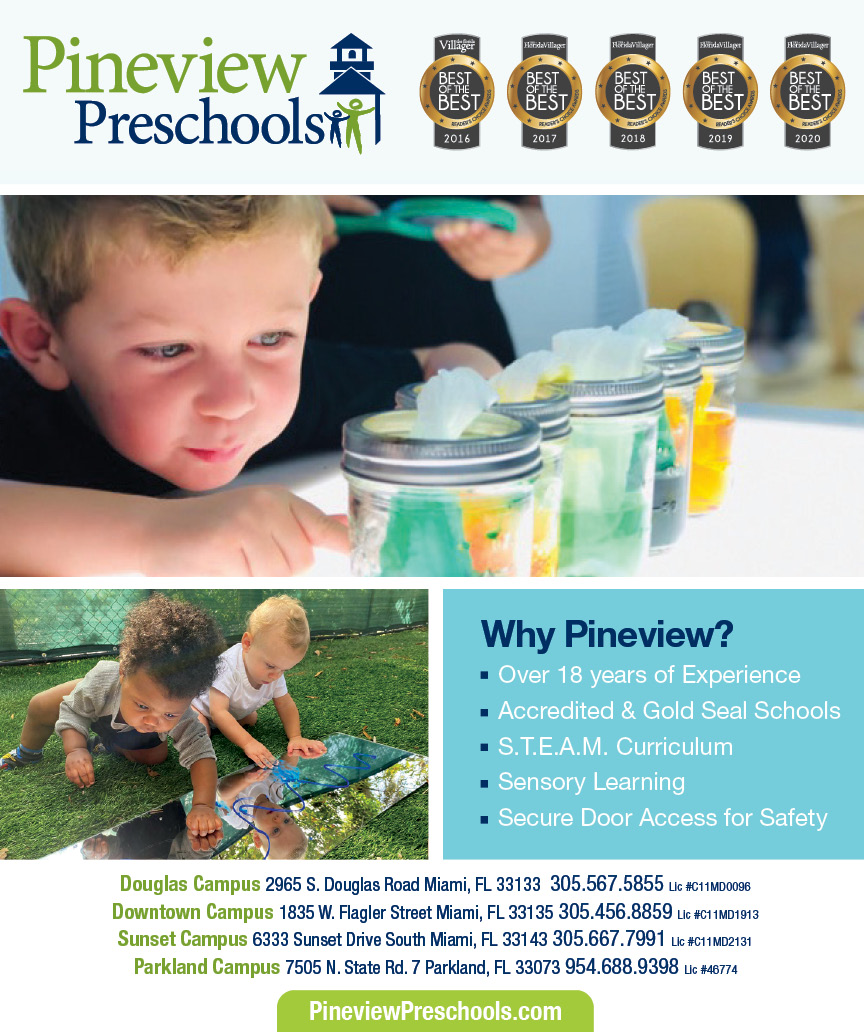


 Miami Dance Project
 Rubinstein Family Chiropractic
 Indigo Republic
 Safes Universe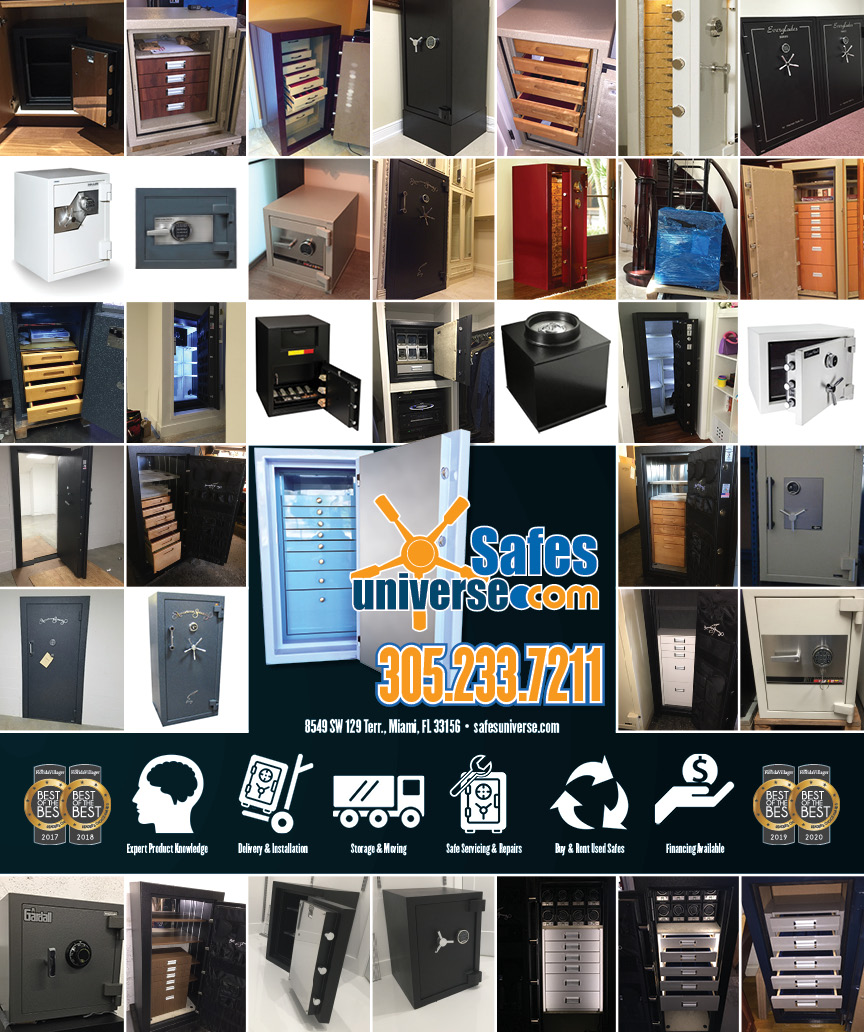
 Vintage Liquors
 Evenings Delight





 Atchana’s Homegrown Thai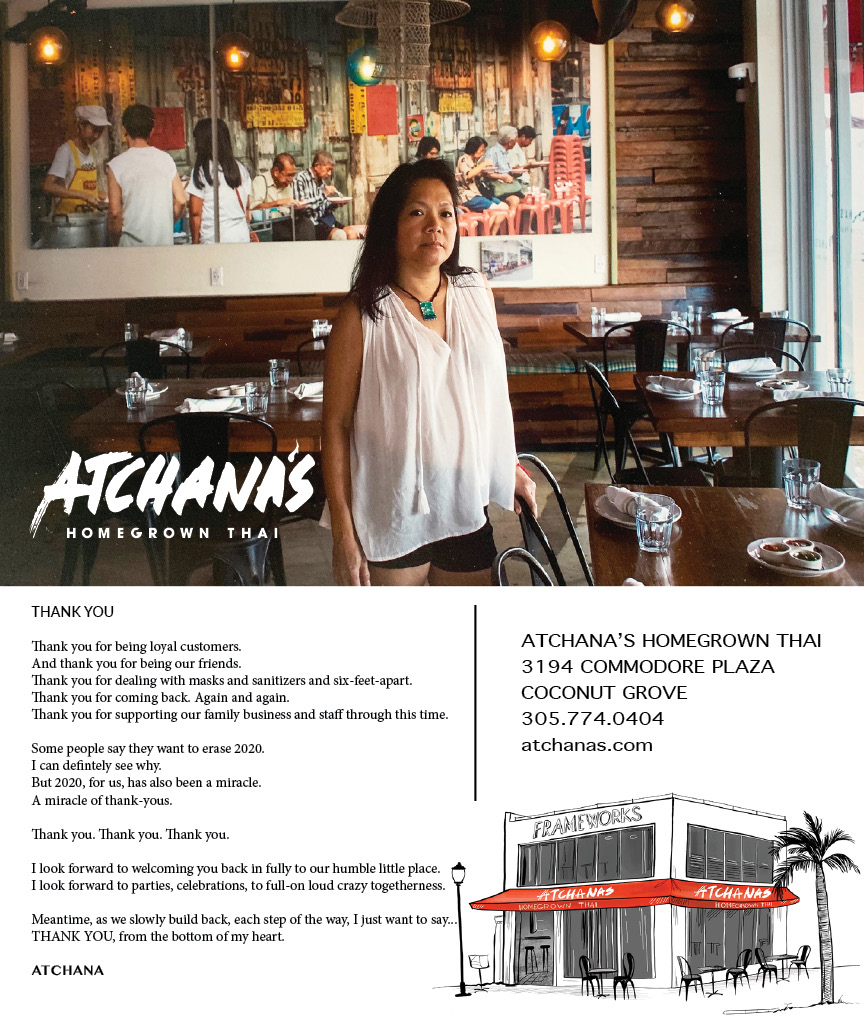
 Baptist Health South Florida

 Laser Eye Center of Miami
 Visiting Angels
 OpusCare of South Florida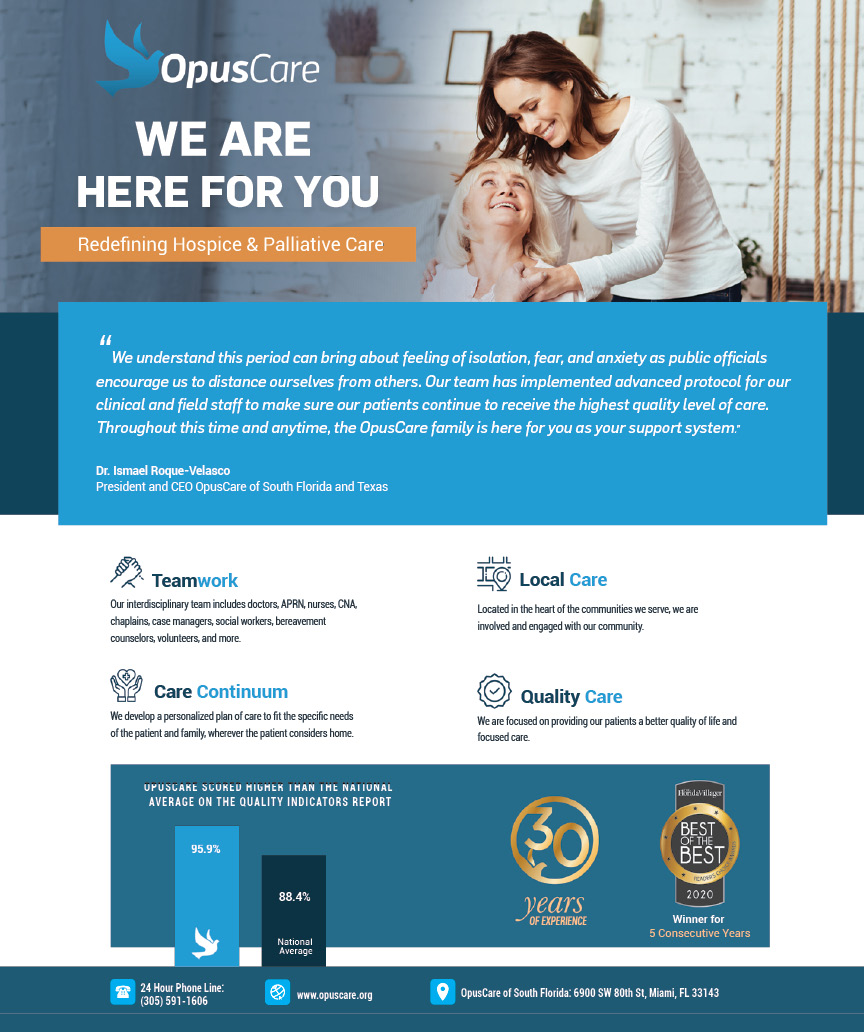



 Your Pet’s Best

 HD Tree Services
 Hamilton Fox & Company

 Creative Design Services