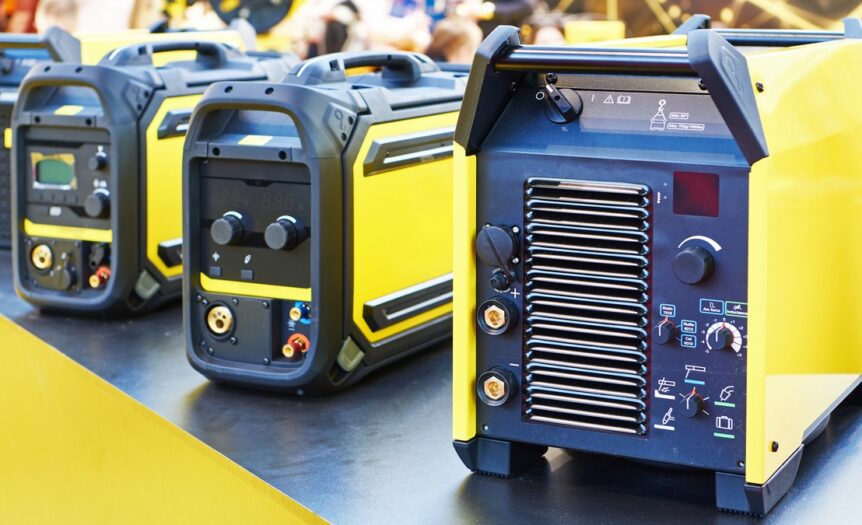
Welding opens up a world of creative and practical possibilities, but selecting your first machine can feel daunting. With so many types and features to consider, it’s easy to get overwhelmed. Think of this as your welding equipment 101 for choosing your first machine.
Here’s what you need to know to make a confident start.
Know Your Welding Goals
Before you buy, it’s important to understand what you want to accomplish with your welding machine. Are you planning simple repairs around the house, fabricating metal art, or working on automotive projects? Each of these tasks may require different tools and setups.
Picking a machine matched to your projects also means you won’t overspend on capabilities you won’t use. For example, a casual hobbyist might prefer a straightforward MIG welder, which is easy to learn and versatile. On the other hand, more detailed work like fine metal art may call for a TIG welder.
Knowing your primary goals helps you narrow down your options.
Understand Welding Types
Welding machines generally fall into three categories: MIG, TIG, and stick. MIG welding is the most beginner-friendly, using a continuous wire feed to make welding faster and simpler. TIG welding offers more precision and control, ideal for detailed or thin metals, but it requires more skill. Stick welding is robust and great for outdoor or heavy-duty work; however, it might not be the best starting point for novices.
Understanding these types helps you match your learning curve and project scope to the right machine, making your early welding experience more rewarding.
Power and Portability Matter
When shopping for welding machines, keep in mind that they vary in power requirements. Some run on standard 120V household outlets, while others need 240V power sources. Beginners working in home garages often find 120V machines more convenient because they don’t require electrical upgrades.
Portability is also important, especially if you don’t have a dedicated workshop. Smaller, lighter machines are easier to move, but they may offer less power or a shorter duty cycle.
Finding a balance between portability and performance will keep your setup flexible without sacrificing capability.
Features That Make a Difference
Make sure you look for intuitive controls and safety features. Dual-voltage compatibility adds versatility, allowing you to plug into different power sources. Duty cycle, which indicates how long a machine can run before it needs to cool down, is key if you expect longer welding sessions.
For those interested in expanding their skills beyond basic welding, exploring advanced techniques can be eye-opening. Many industrial welders rely on specialized methods where the power of orbital fusion boosts welding efficiency, delivering precise, consistent results in challenging applications. While beginners might not need this level of technology right away, understanding these innovations can inspire future growth in your welding journey.
Support and Resources
A beginner-friendly machine should come with clear instructions, and ideally, access to tutorials or customer help. These resources ease your learning curve and enable you to get started confidently.
Keep this welding equipment 101 for choosing your first machine in mind as you pick your gear. The best way to learn is by doing.







 Deering Estate
 Massage Envy South Miami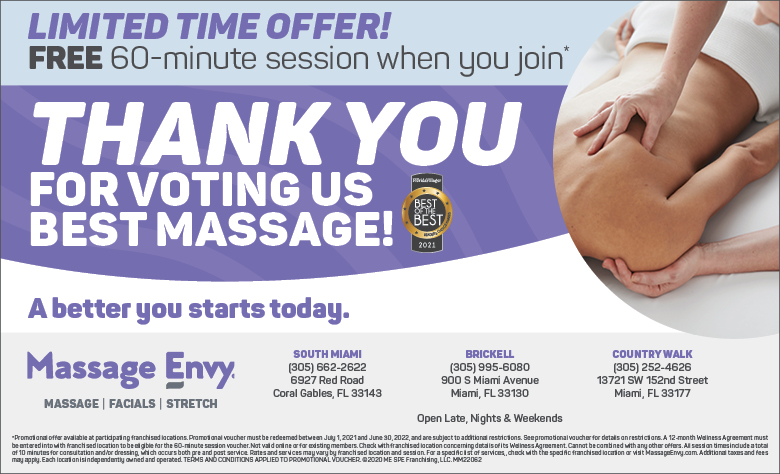
 Calla Blow Dry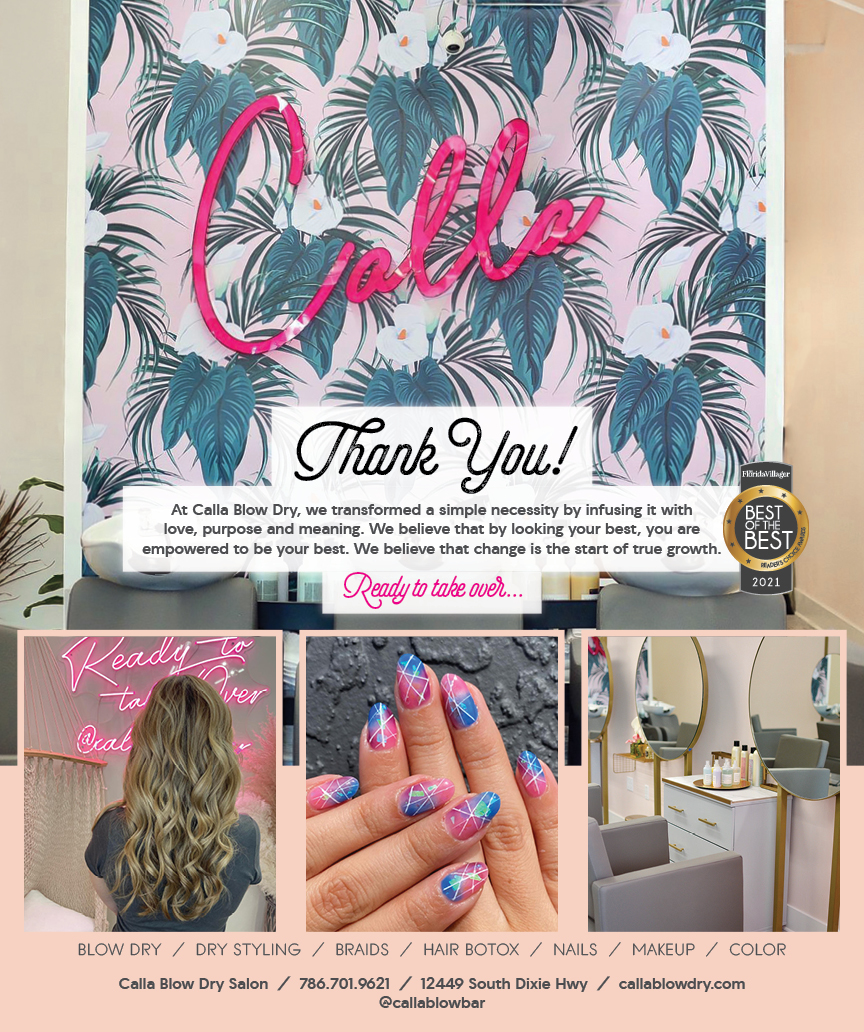
 My Derma Clinic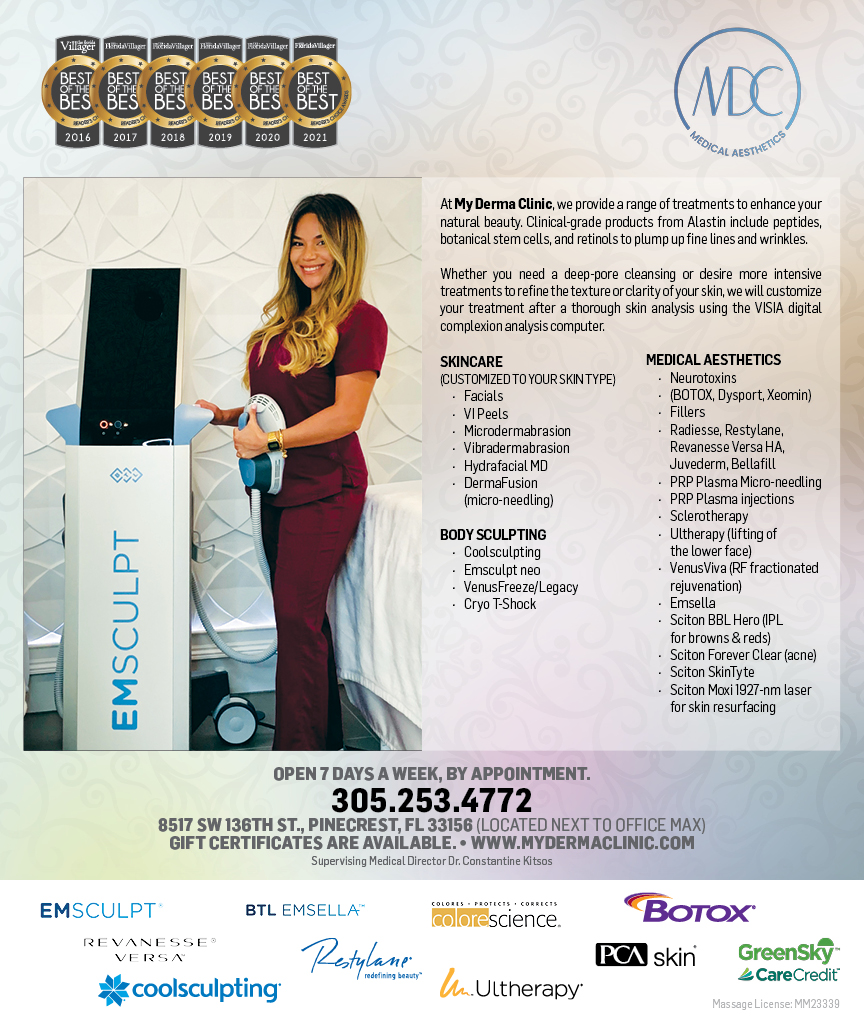
 Sports Grill
 The Healthy Kitchen
 Sushi Maki
 Golden Rule Seafood
 Malanga Cuban Café


 Kathleen Ballard
 Panter, Panter & Sampedro
 Vintage Liquors
 The Dog from Ipanema
 Rubinstein Family Chiropractic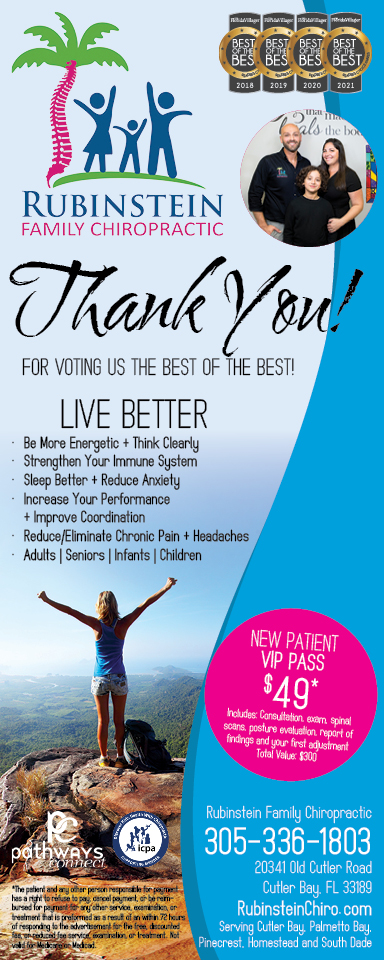
 Your Pet’s Best
 Indigo Republic
 Animal Health and Rehab
 Maurice’s Jewelers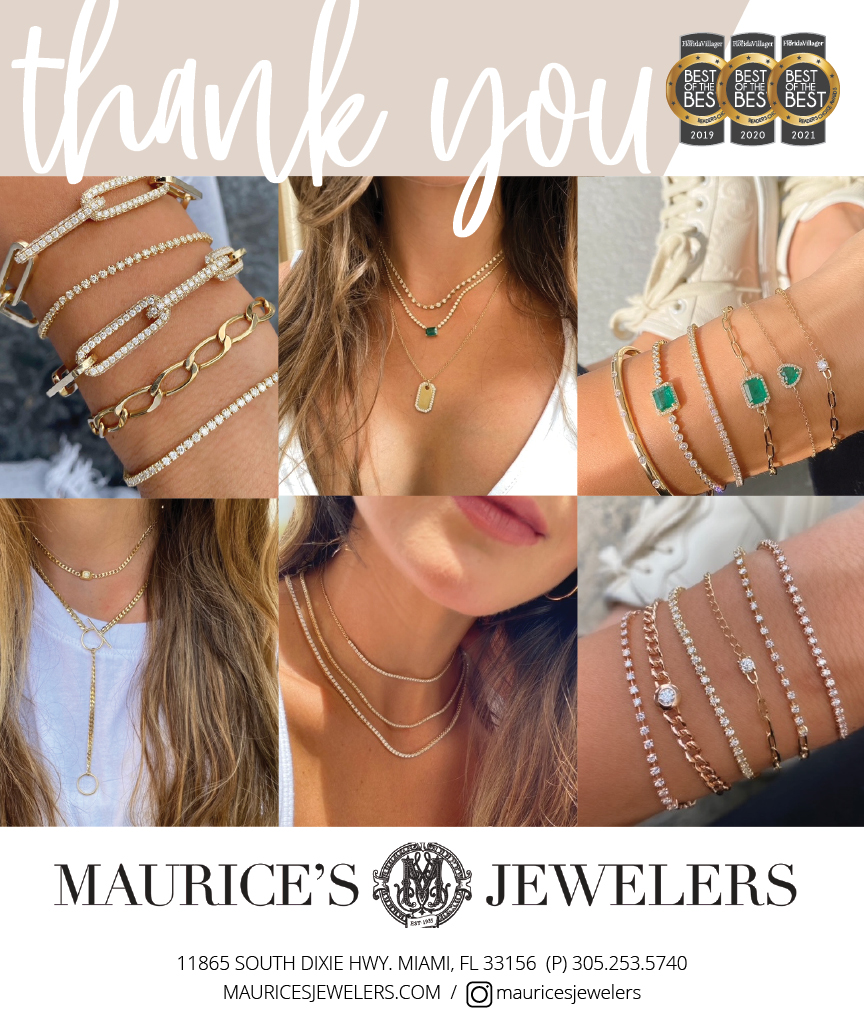
 ATR Luxury Homes

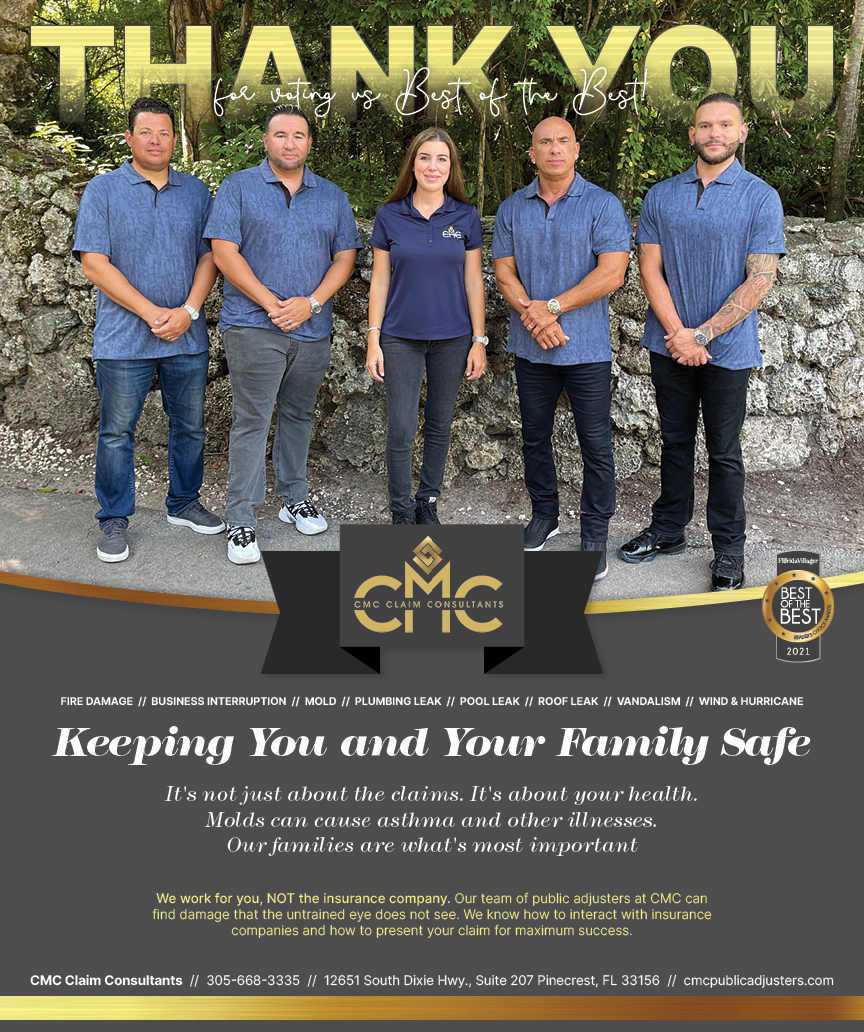
 2112 Design Studio
 Hamilton Fox & Company
 Creative Design Services
 Best Pest Professionals
 HD Tree Services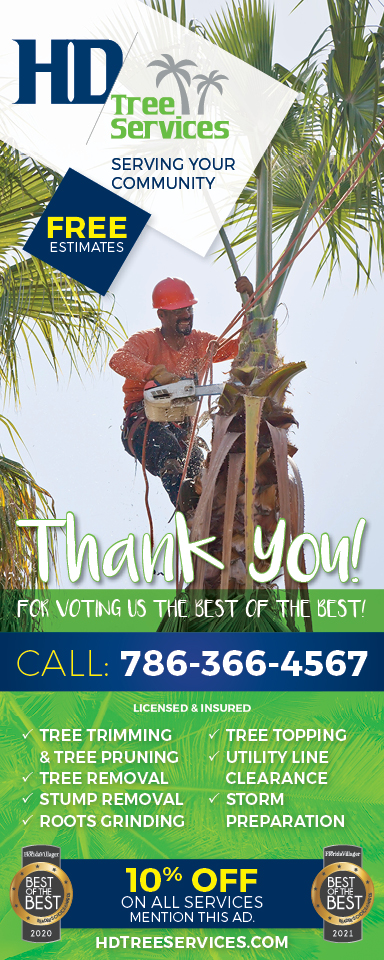
 Trinity Air Conditioning Company
 Cisca Construction & Development
 Mosquito Joe
 Cutler Bay Solar Solutions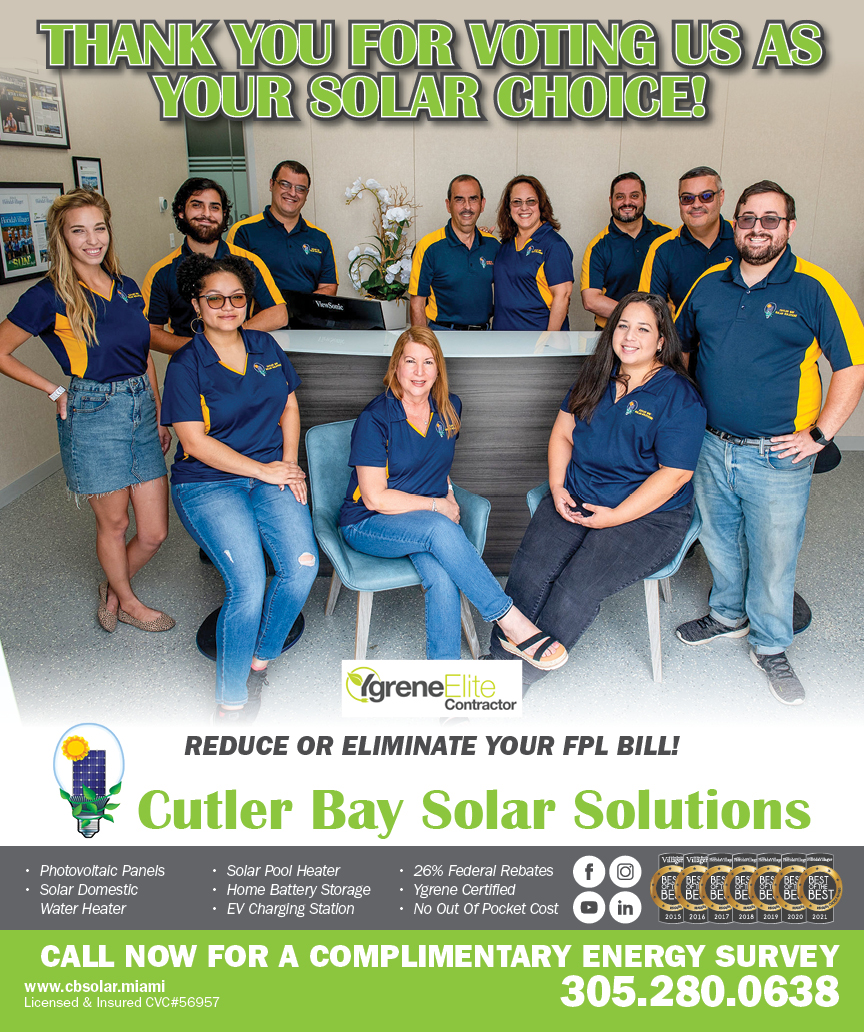


 Miami Royal Ballet & Dance
 Christopher Columbus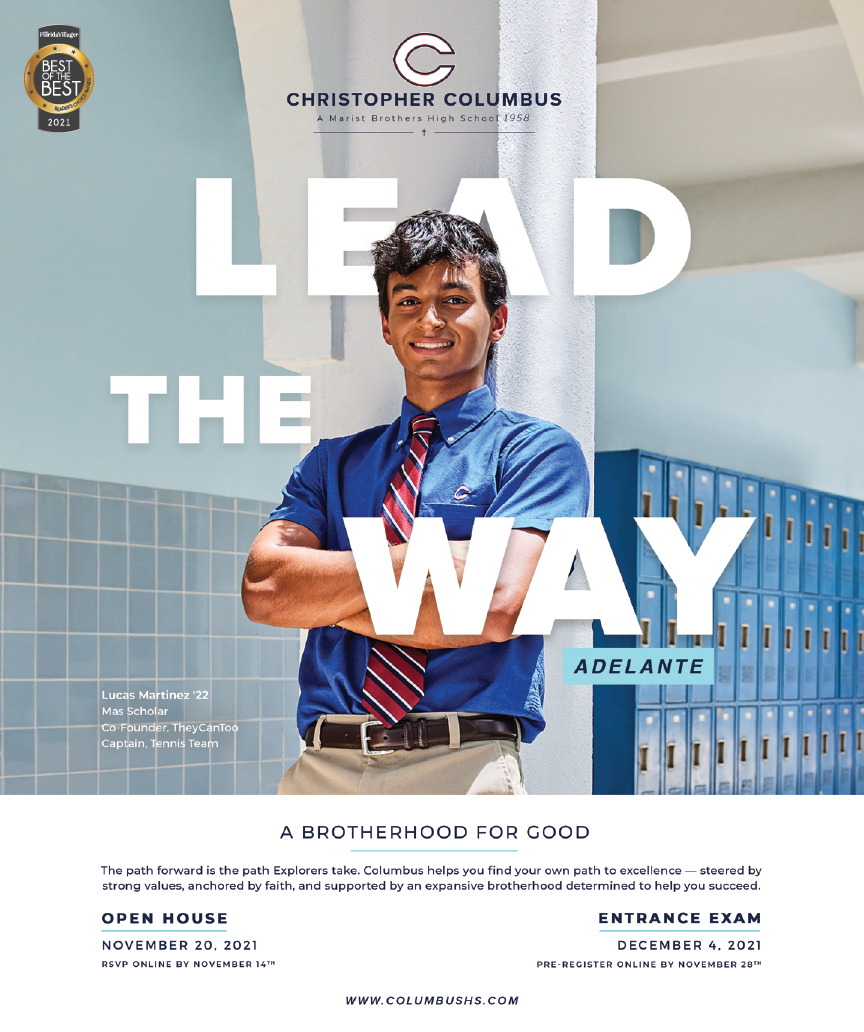
 Pineview Preschools
 Westminster
 Carrollton
 Lil’ Jungle
 Frost Science Museum
 Palmer Trinity School
 South Florida Music
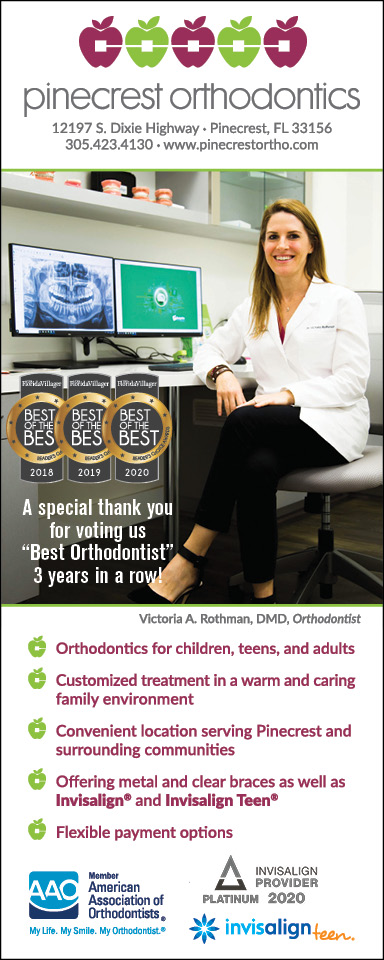
 Pinecrest Orthodontics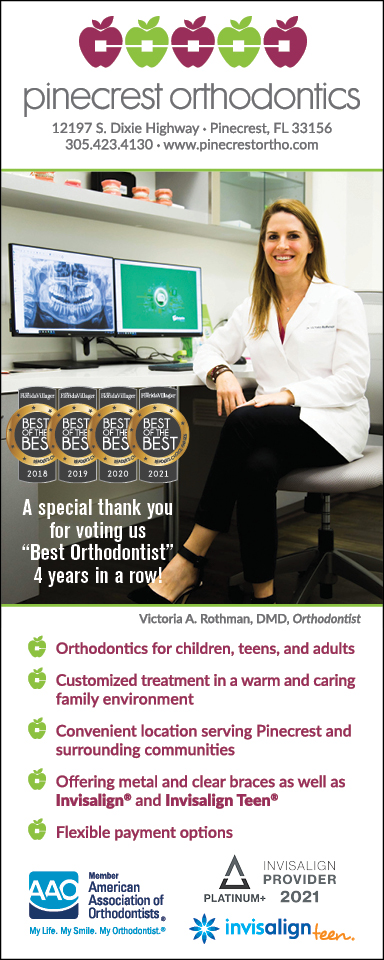
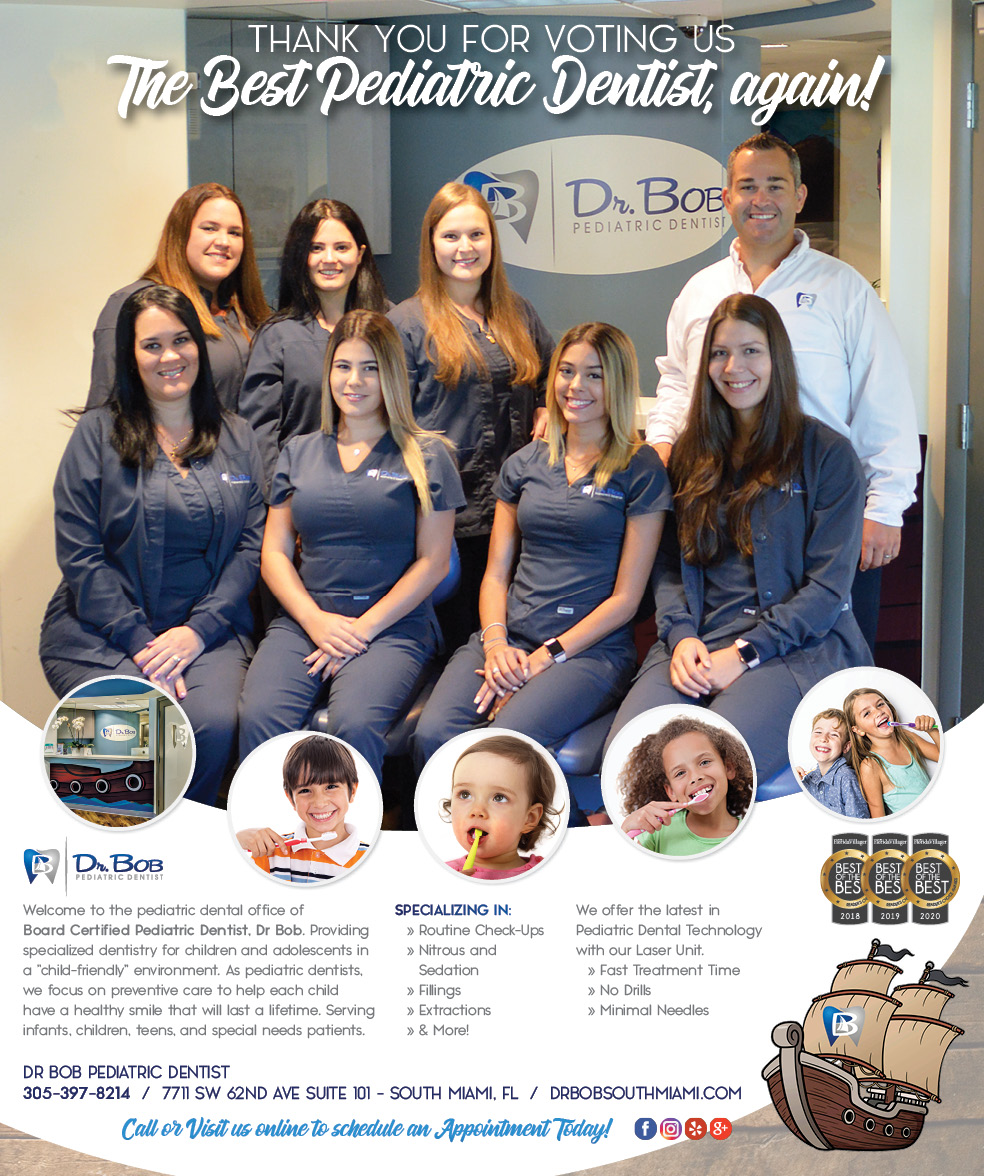
 Dr. Bob Pediatric Dentist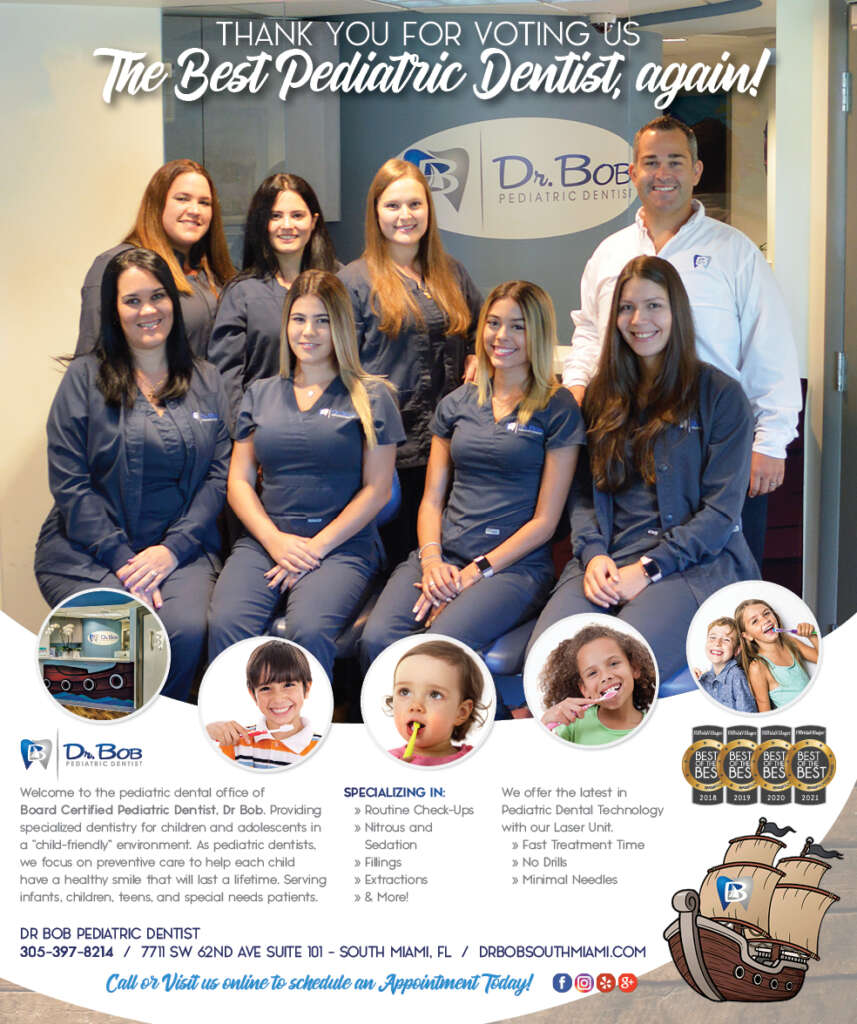
 d.pediatrics

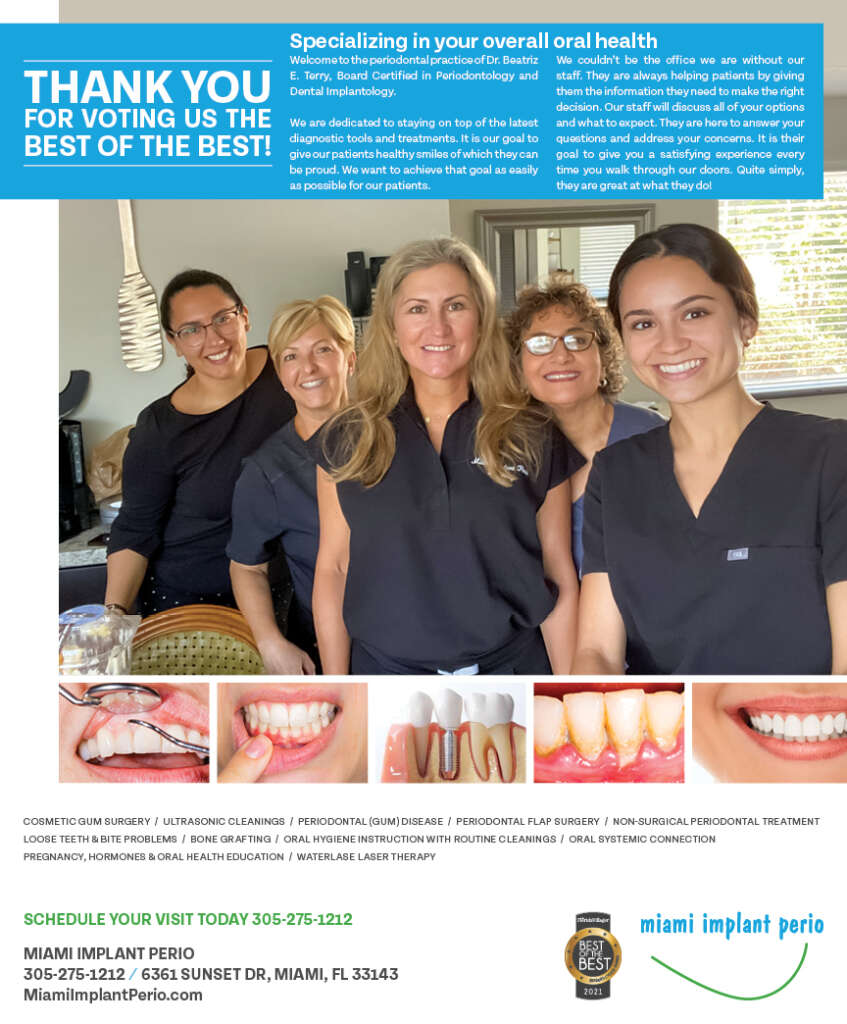
 South Miami Women’s Health
 Endodontix Dental Group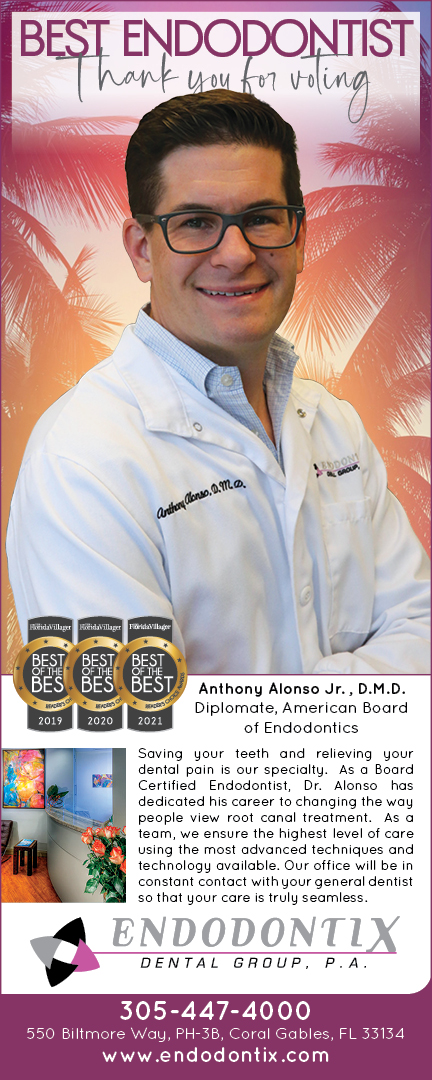
 The Spot Barbershop
 My Derma Clinic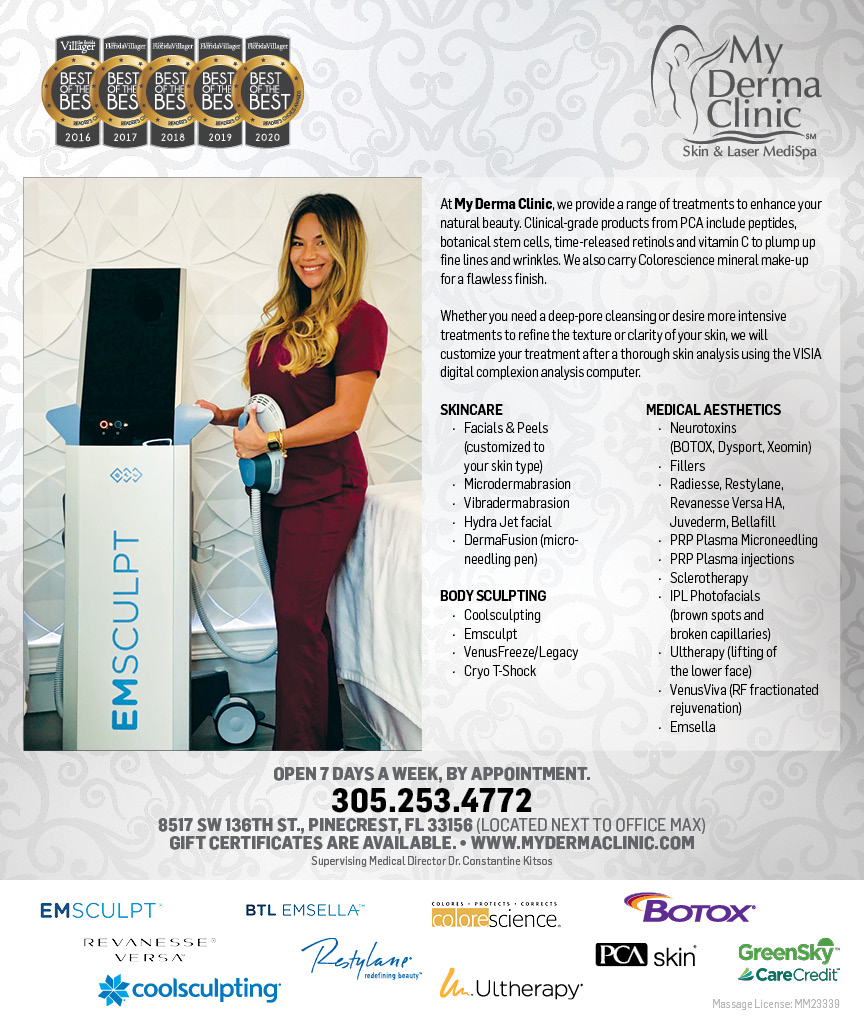



 Miami Dance Project
 Rubinstein Family Chiropractic
 Indigo Republic

 Safes Universe
 Vintage Liquors
 Evenings Delight





 Atchana’s Homegrown Thai
 Baptist Health South Florida

 Laser Eye Center of Miami
 Visiting Angels
 OpusCare of South Florida



 Your Pet’s Best

 HD Tree Services
 Hamilton Fox & Company

 Creative Design Services