Transportation systems depend on plastic materials to function safely and efficiently. From automotive components to specialized trailer parts, plastics are driving transportation innovation forward.
Essential Plastic Components in Vehicle Manufacturing
Automotive manufacturers integrate plastic materials into vehicle construction. Dashboard assemblies, bumper systems, and interior trim pieces contain engineered plastics because they are lightweight and durable. Engine compartments house numerous plastic components, including air intake systems, coolant reservoirs, and electrical housings. These parts withstand extreme temperatures while reducing vehicle weight, which improves fuel efficiency.
Specialized Applications in Commercial Transportation
Commercial vehicles consist of plastic components for various operational environments. Tanker trailers, for instance, have plastic components in valve systems, gasket materials, and protective housings. When exploring essential tanker trailer parts, keep in mind that many are high-performance plastics. These materials resist chemical corrosion and maintain structural integrity under pressure variations.
Medical Transportation Equipment Benefits
Medical transport vehicles depend on sterile, lightweight plastic materials for various applications. Ambulance interiors feature plastic cabinetry, equipment housings, and storage systems that medical professionals can easily sanitize. Pharmaceutical transport vehicles require temperature-controlled environments where plastic insulation panels and vapor barriers maintain product integrity. These specialized plastics meet requirements for medical applications.
Industrial Vehicle Plastic Integration
Industrial machinery and vehicles incorporate heavy-duty plastic components with few maintenance requirements. Construction equipment uses plastic fuel tanks, hydraulic reservoirs, and protective covers that resist impact damage. Material handling equipment benefits from plastic conveyor components, guard panels, and operator cabin elements. These applications demonstrate how plastics enhance both safety and operational efficiency in industrial settings.
Future Plastic Innovations in Transportation
Advancedplastic composites continue to revolutionize transportation design. Carbon fiber reinforced plastics offer strength-to-weight ratios that traditional materials cannot match, enabling more efficient vehicle designs. Recycled plastic materials are popular in transportation because they support sustainability goals while maintaining performance standards. This approach reduces environmental impact without compromising operational requirements.
Maximizing Transportation Efficiency Through Plastic Solutions
Plastics drive transportation innovation forward by providing lightweight, durable, and cost-effective solutions across multiple industries. Understanding plastic applications helps transportation professionals make informed decisions about material selection and system design. This knowledge directly translates to improved performance, reduced costs, and enhanced safety in transportation operations.








 Deering Estate
 Massage Envy South Miami
 Calla Blow Dry
 My Derma Clinic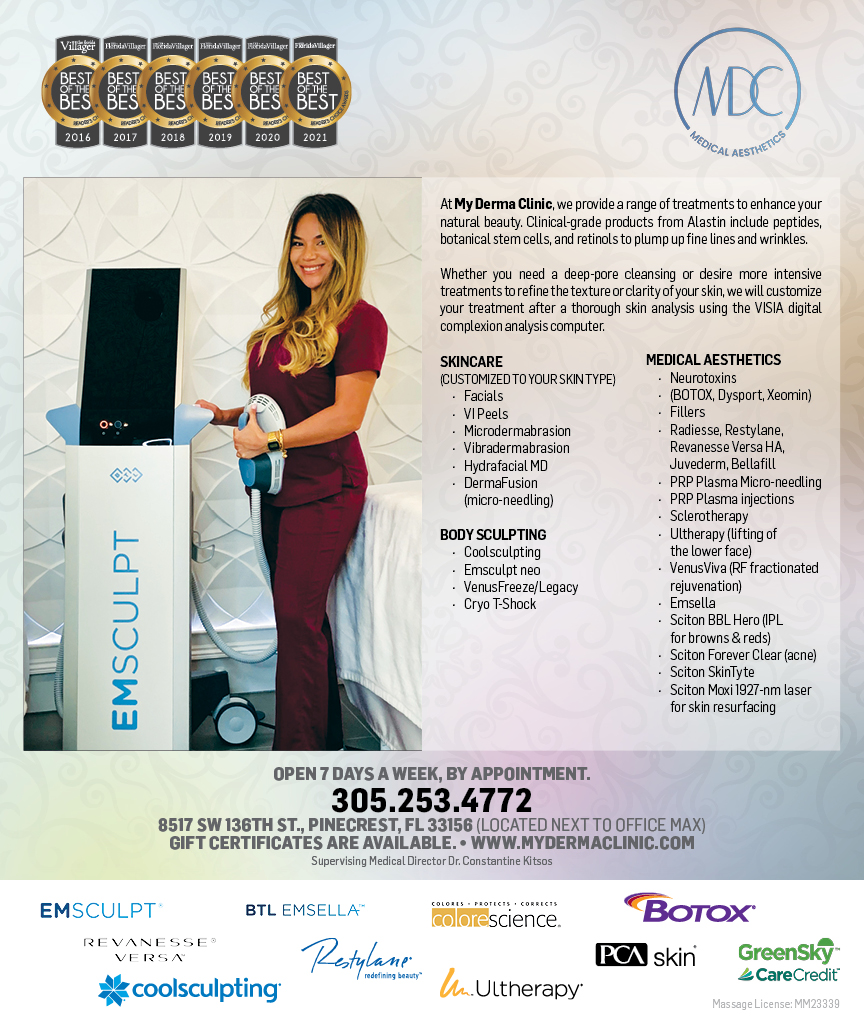
 Sports Grill
 The Healthy Kitchen
 Sushi Maki
 Golden Rule Seafood
 Malanga Cuban Café


 Kathleen Ballard
 Panter, Panter & Sampedro
 Vintage Liquors
 The Dog from Ipanema
 Rubinstein Family Chiropractic
 Your Pet’s Best
 Indigo Republic
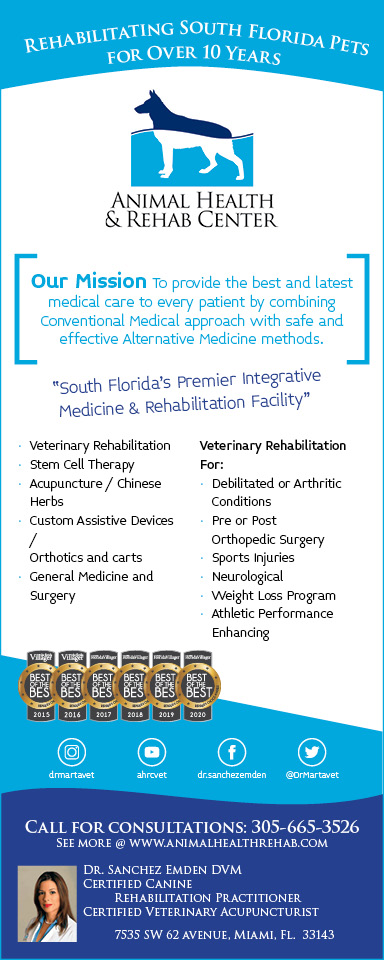
 Animal Health and Rehab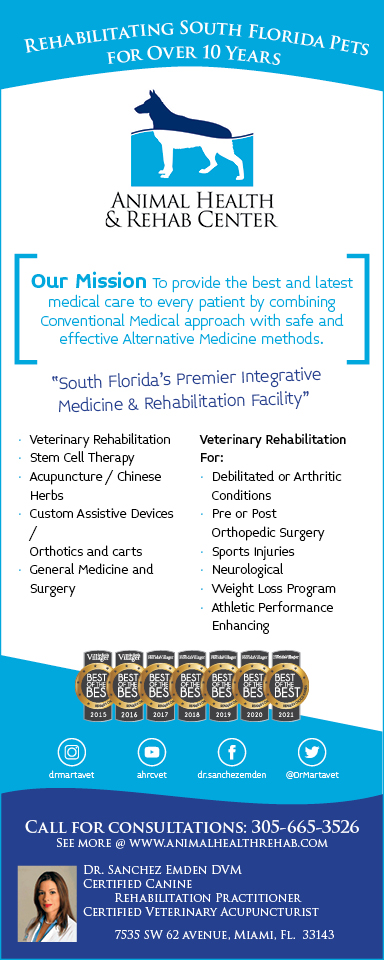
 Maurice’s Jewelers
 ATR Luxury Homes


 2112 Design Studio
 Hamilton Fox & Company
 Creative Design Services
 Best Pest Professionals
 HD Tree Services
 Trinity Air Conditioning Company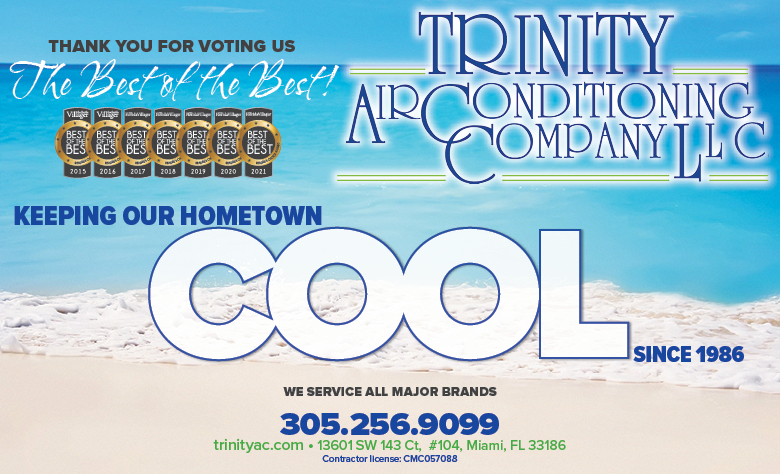
 Cisca Construction & Development
 Mosquito Joe
 Cutler Bay Solar Solutions


 Miami Royal Ballet & Dance
 Christopher Columbus
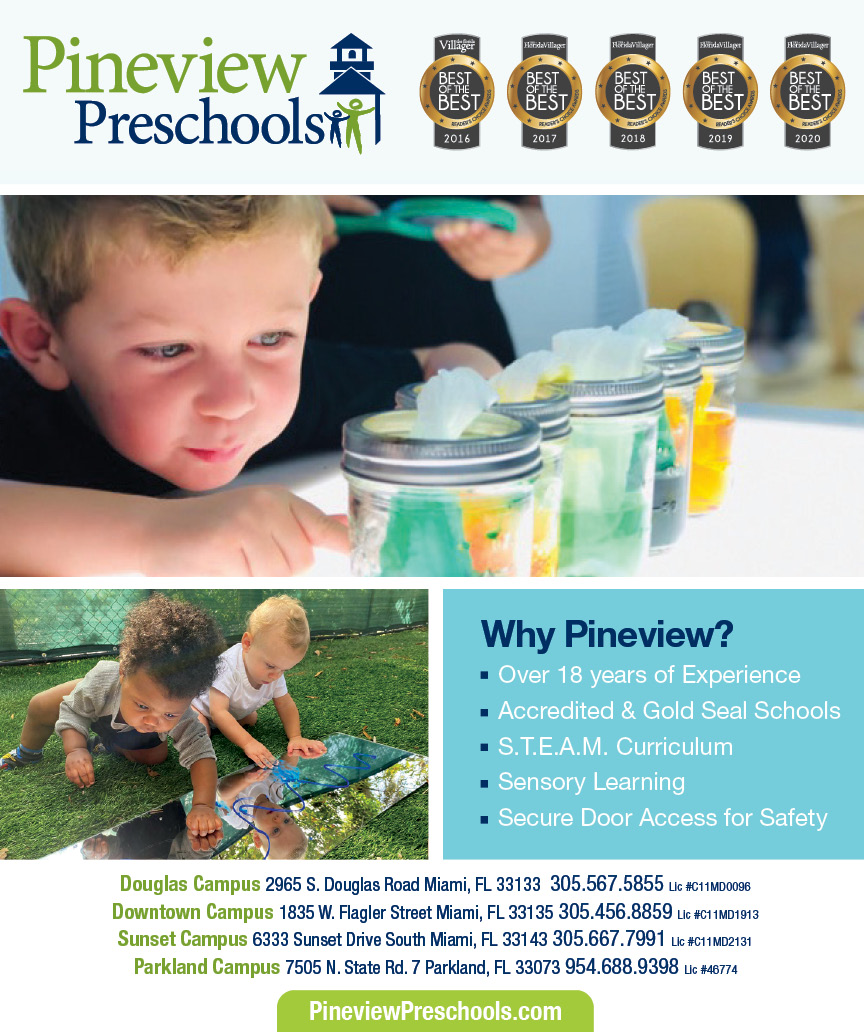
 Pineview Preschools
 Westminster
 Carrollton
 Lil’ Jungle
 Frost Science Museum
 Palmer Trinity School
 South Florida Music
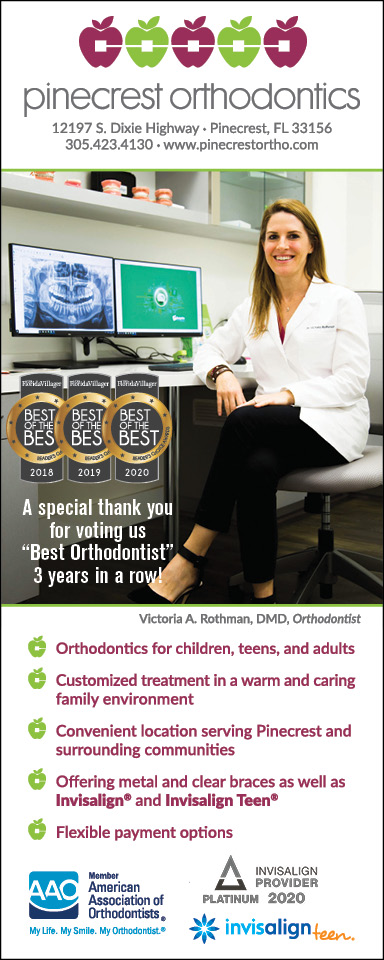
 Pinecrest Orthodontics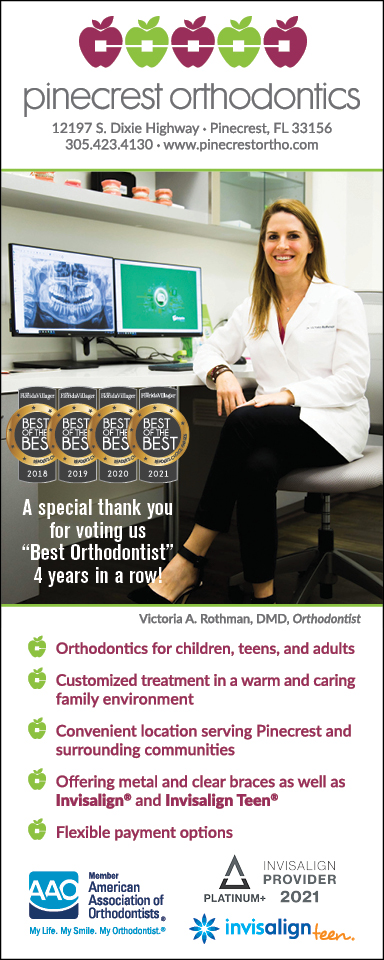
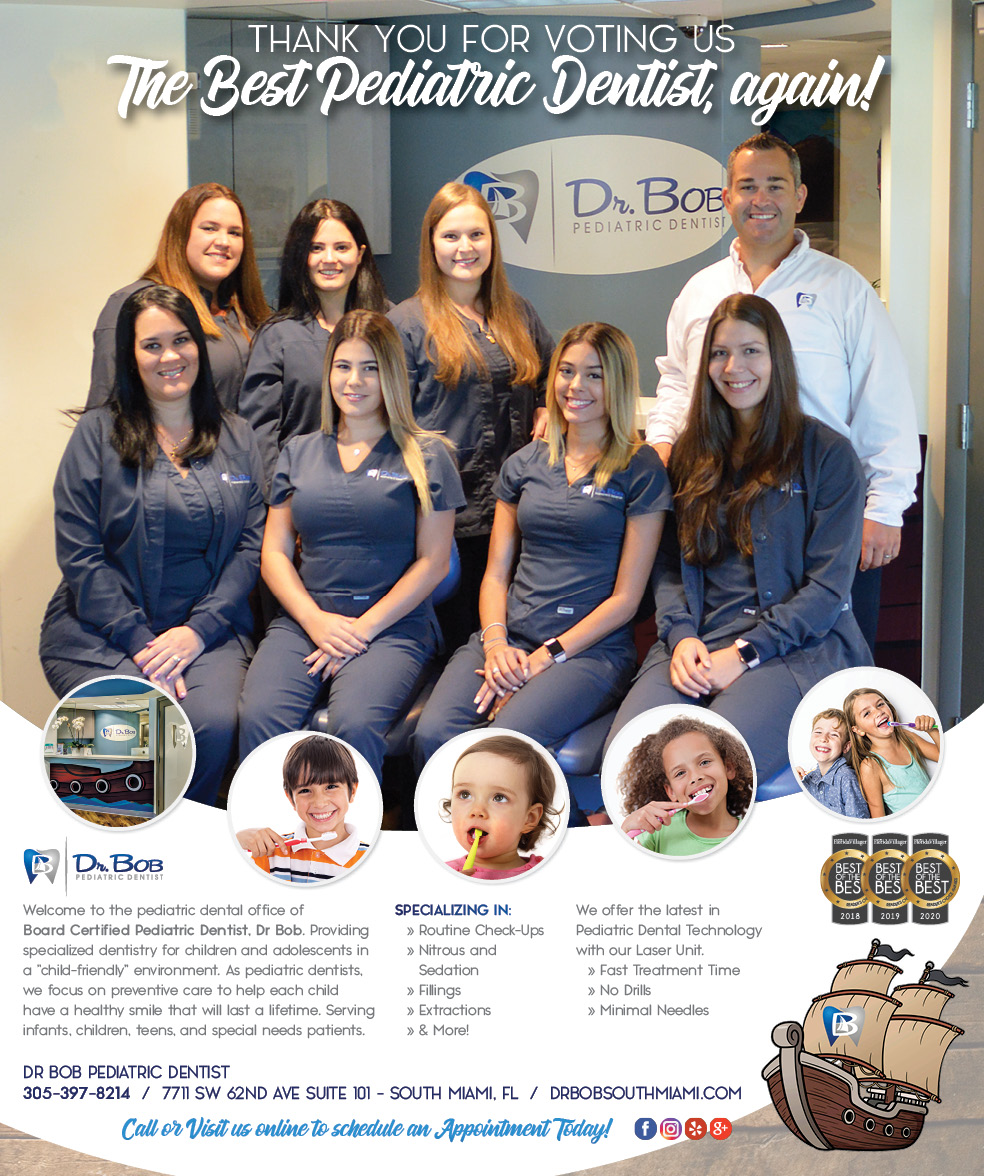
 Dr. Bob Pediatric Dentist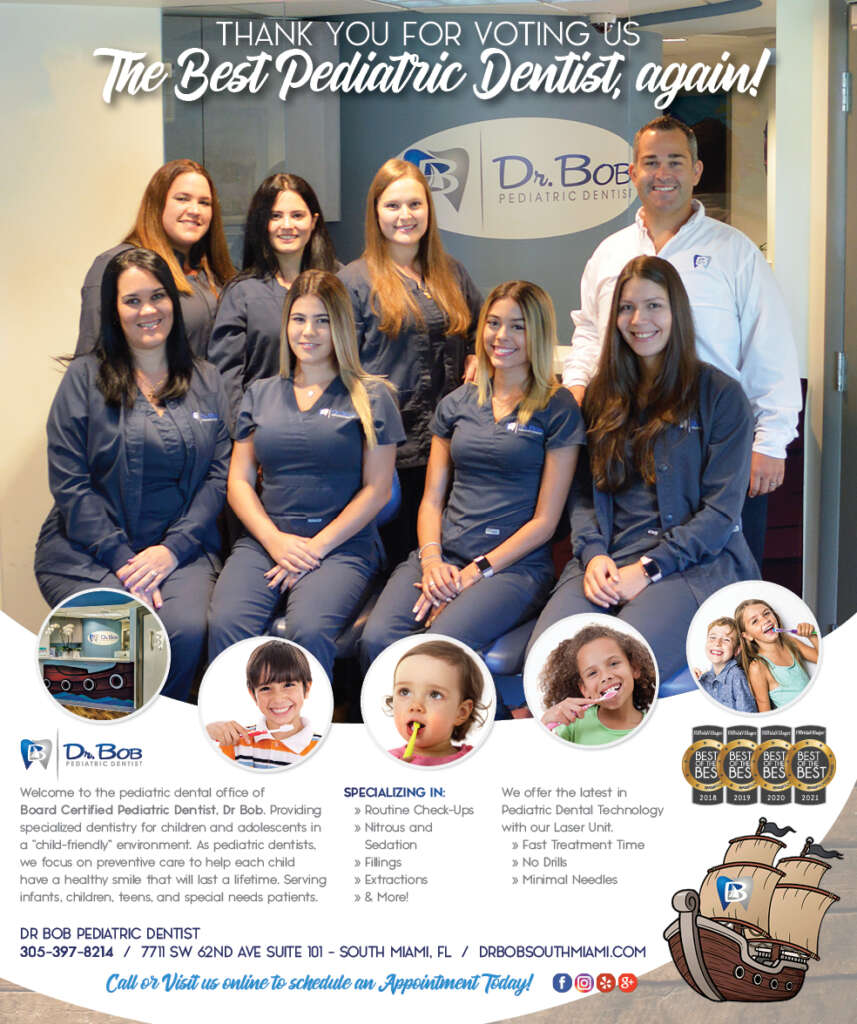
 d.pediatrics


 South Miami Women’s Health
 Endodontix Dental Group
 The Spot Barbershop
 My Derma Clinic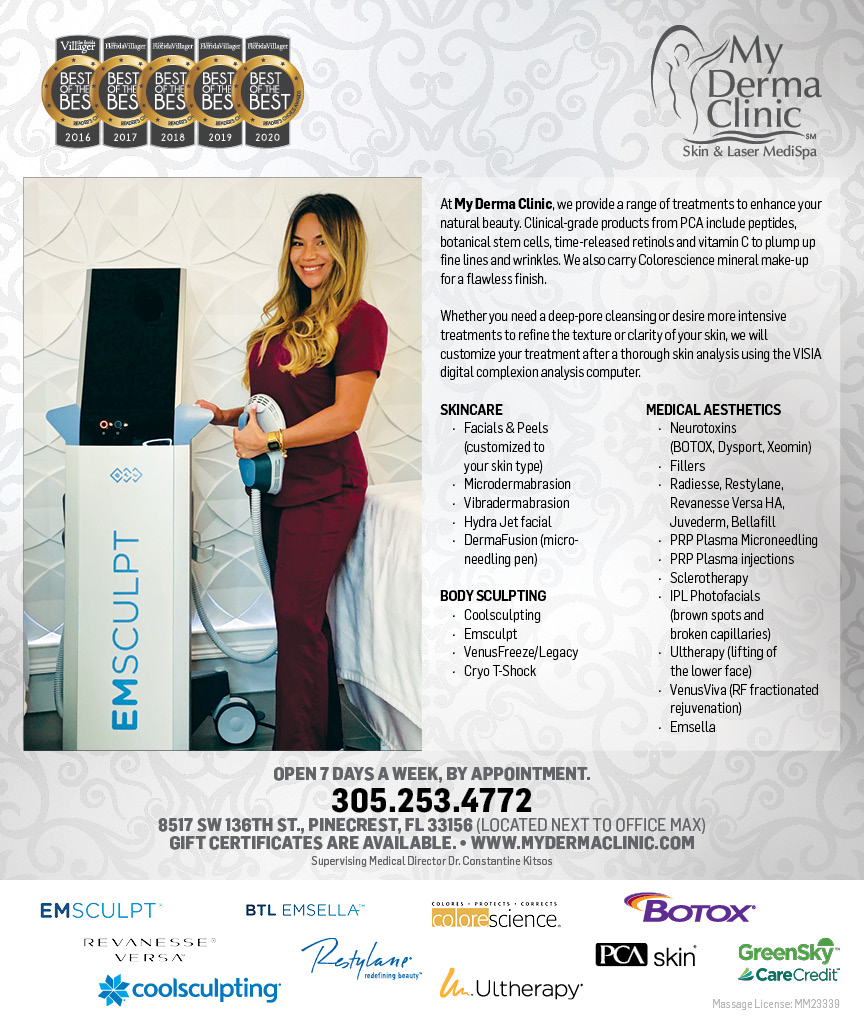

 Miami Dance Project
 Rubinstein Family Chiropractic
 Indigo Republic
 Safes Universe
 Vintage Liquors
 Evenings Delight





 Atchana’s Homegrown Thai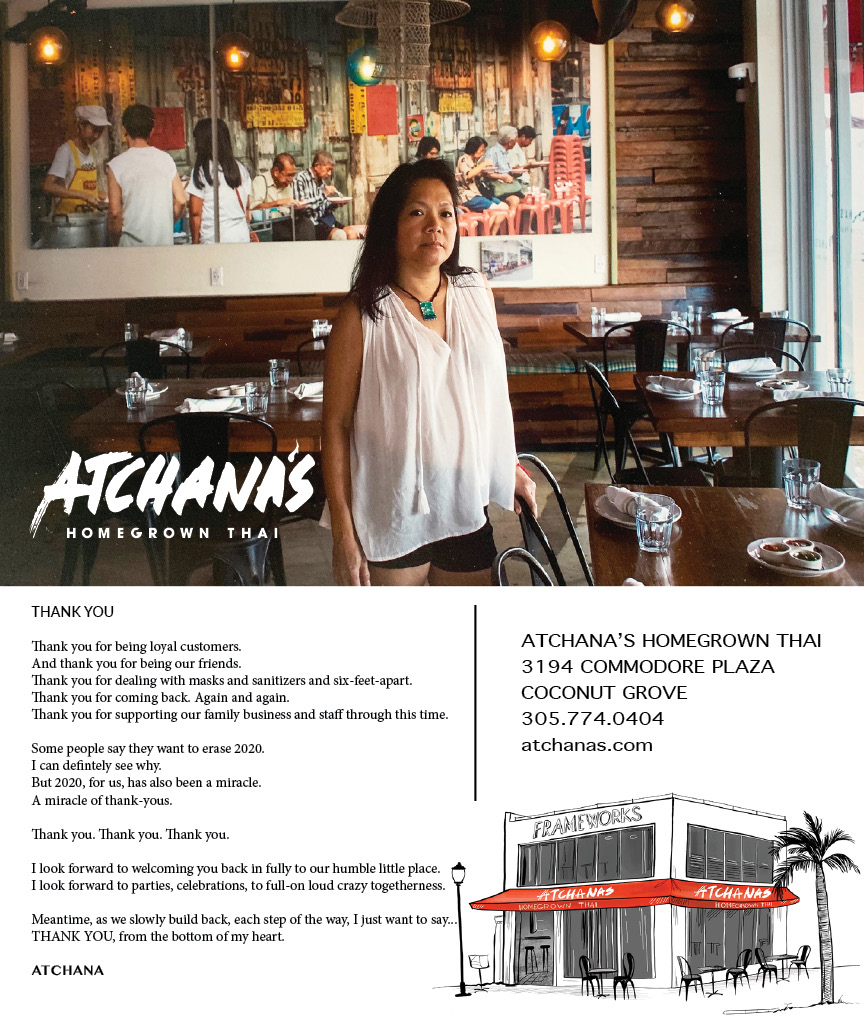
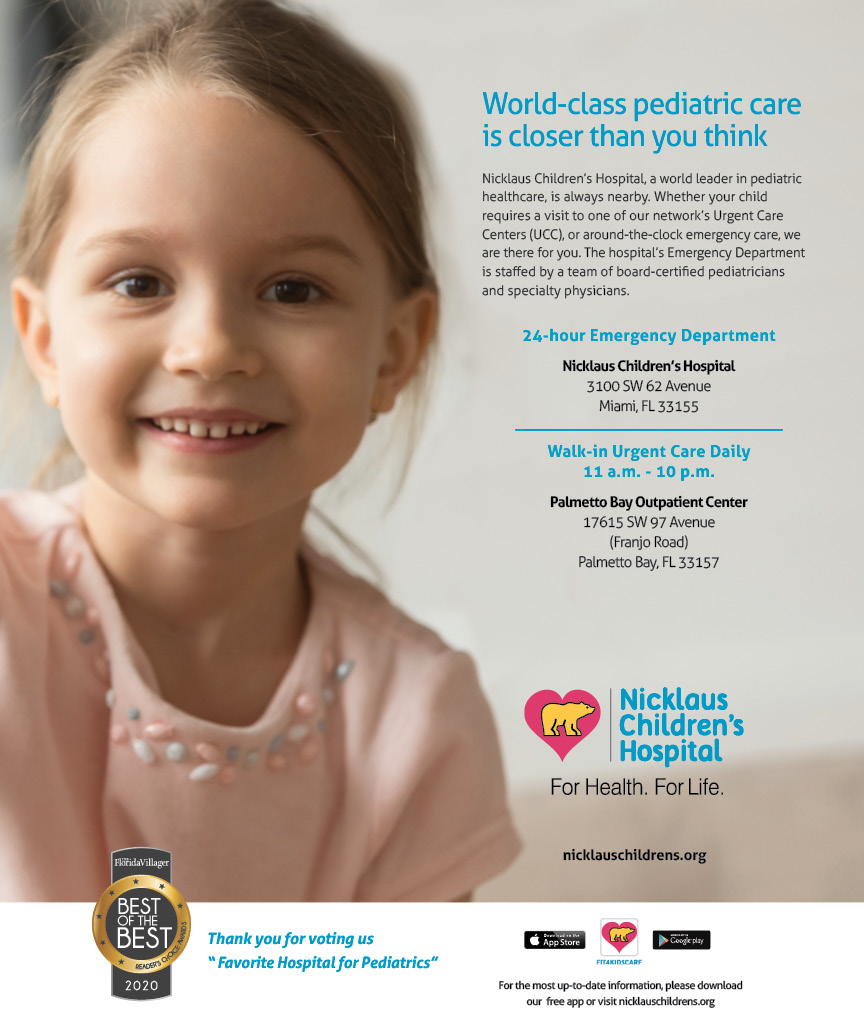
 Baptist Health South Florida

 Laser Eye Center of Miami
 Visiting Angels
 OpusCare of South Florida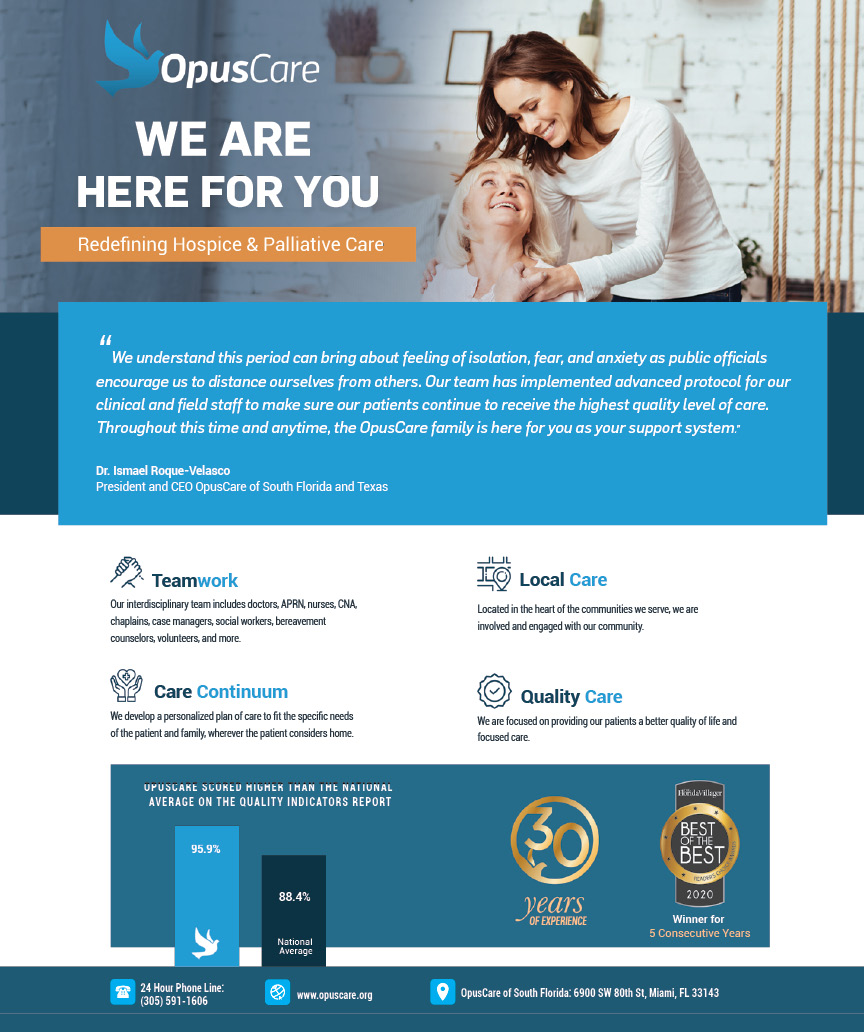



 Your Pet’s Best

 HD Tree Services
 Hamilton Fox & Company

 Creative Design Services