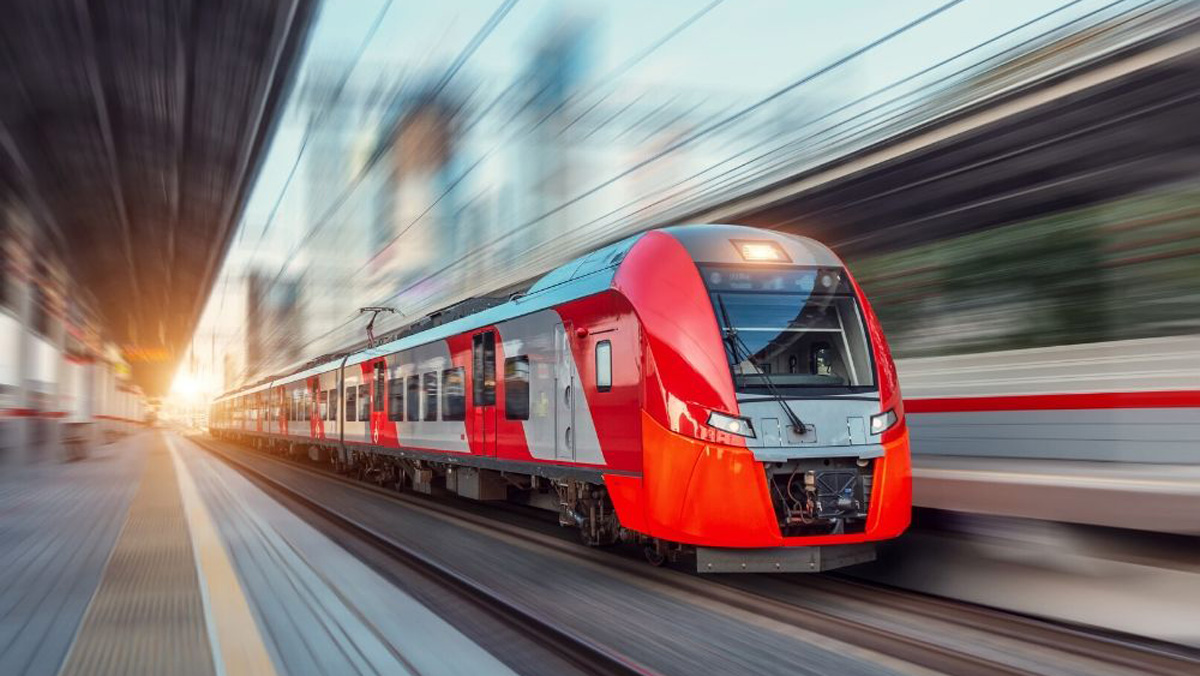
Locomotives are essential to the American landscape and have been for a long time. The rail system and trains expanded and built this country from the beginning—and they’re essential to this day. Millions of commuters get on trains every day to get to work, and tons of products travel the rails from coast to coast. Without trains and the service they provide, the country would come to a standstill. The early trains relied on steam-powered engines to move on the tracks. Coal or wood-fired boilers created the steam to move the pistons on the train. Technology improved and different types of engines were created. Ultimately, the steam engines were replaced, although some still exist—mainly as antiques. So, what type of engines do trains use today?
Diesel Engines
Diesel engines came into full-fledged production and use around the turn of the 20th century. They are named after their inventor Rudolf Diesel, and he saw that the engine created ample power and torque without burning as much fuel, making them very efficient. The creation of power is the diesel engine’s appeal; to pull a train down the tracks, a lot of power is needed. Most trains today use diesel engines. But the diesel engine doesn’t directly move the locomotive—it powers an electrical generator. So, modern trains are more of a diesel-electric hybrid.
The massive two-stroke diesel engine is connected to an equally massive electrical generator. At peak power, the generator can power a neighborhood with 1,000 houses. As the power is created, it goes into four electric motors located in the trucks. The trucks are what look like the wheels of the train, and they’re responsible for moving and stopping the train, supporting it, and the suspension. That electrical energy is what actuates the train and allows it to move down the line.
Electricity
Long-distance train travel isn’t very popular in the U.S. because it’s still slow compared to flying. Traveling via the rails hasn’t changed much in a century in terms of time and speed. Europe and Asia are developing high-speed super trains that zoom across the landscape at speeds of over 200 mph. Those high-speed trains run using powerful electromagnets and they float over guideways using the basic principles of magnets to replace the old steel wheel and track trains. Magnetic levitation trains—known as maglev—don’t have an engine in the same way a traditional train does. Instead of using fossil fuels, the magnetic field created by the electrified coils in the track’s guideway walls propel the train. It’s a zero-emission mode of transportation that’s gaining momentum across the world.












 Deering Estate
 Massage Envy South Miami
 Calla Blow Dry
 My Derma Clinic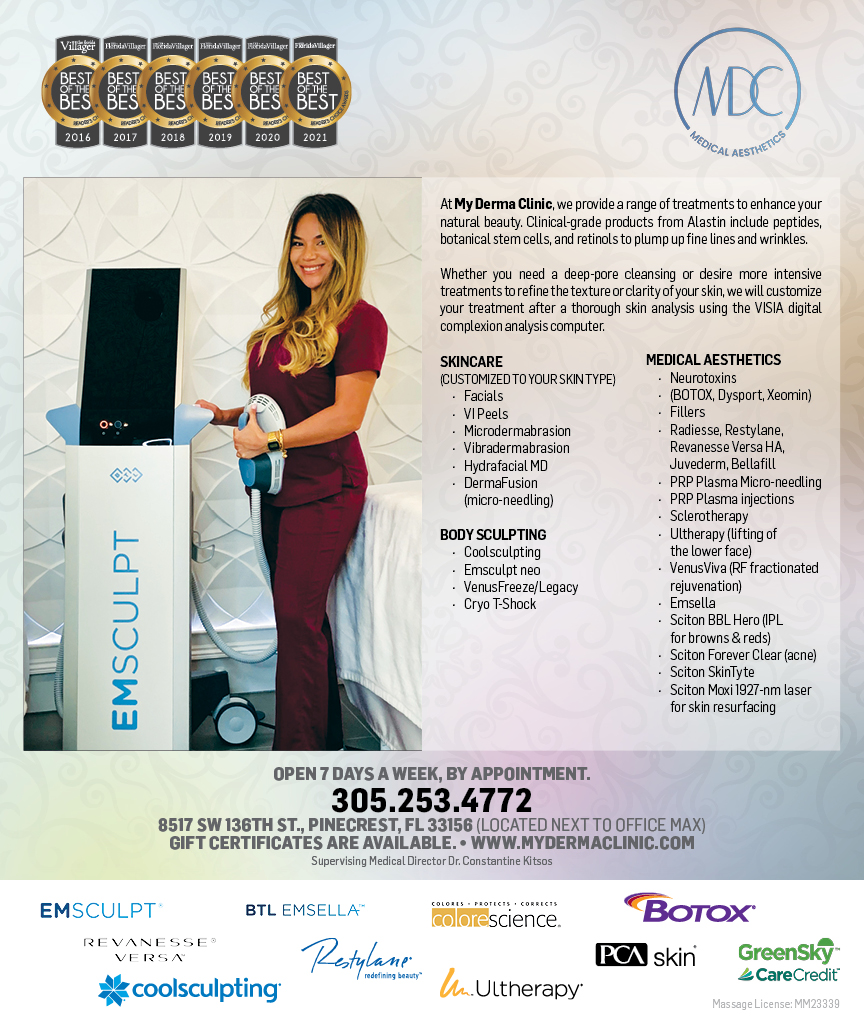
 Sports Grill
 The Healthy Kitchen
 Sushi Maki
 Golden Rule Seafood
 Malanga Cuban Café


 Kathleen Ballard
 Panter, Panter & Sampedro
 Vintage Liquors
 The Dog from Ipanema
 Rubinstein Family Chiropractic
 Your Pet’s Best
 Indigo Republic
 Animal Health and Rehab
 Maurice’s Jewelers
 ATR Luxury Homes


 2112 Design Studio
 Hamilton Fox & Company
 Creative Design Services
 Best Pest Professionals
 HD Tree Services
 Trinity Air Conditioning Company
 Cisca Construction & Development
 Mosquito Joe
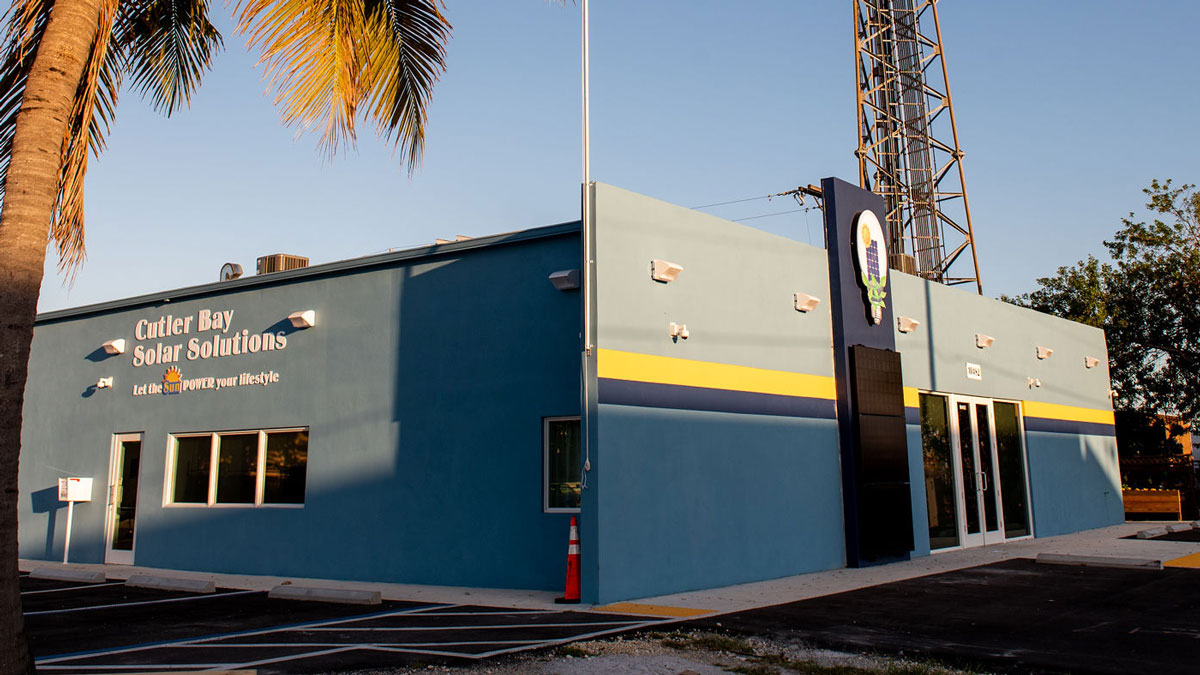
 Cutler Bay Solar Solutions


 Miami Royal Ballet & Dance
 Christopher Columbus
 Pineview Preschools
 Westminster
 Carrollton
 Lil’ Jungle
 Frost Science Museum
 Palmer Trinity School
 South Florida Music
 Pinecrest Orthodontics
 Dr. Bob Pediatric Dentist
 d.pediatrics


 South Miami Women’s Health
 Endodontix Dental Group
 The Spot Barbershop
 My Derma Clinic




 Miami Dance Project

 Rubinstein Family Chiropractic
 Indigo Republic

 Safes Universe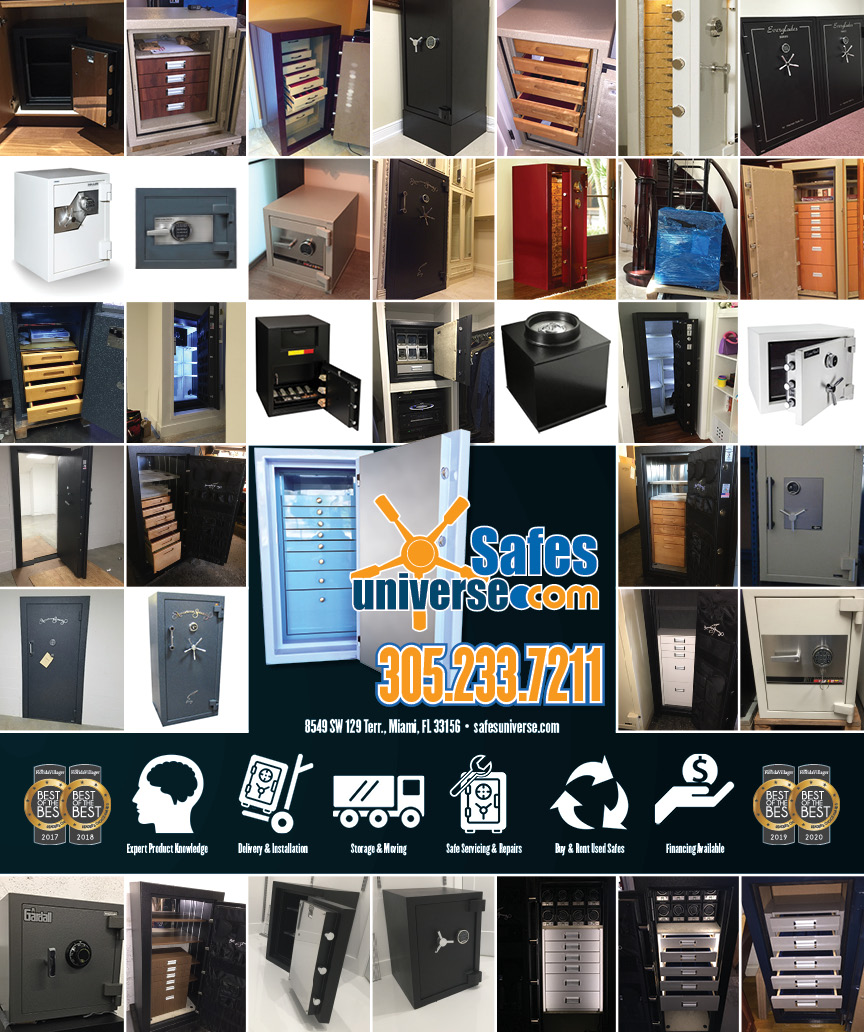
 Vintage Liquors
 Evenings Delight





 Atchana’s Homegrown Thai
 Baptist Health South Florida

 Laser Eye Center of Miami
 Visiting Angels
 OpusCare of South Florida



 Your Pet’s Best

 HD Tree Services
 Hamilton Fox & Company

 Creative Design Services