
Marriage, divorce, a new child, or the death of a loved one can change more than a family’s daily routine. These events can also affect who owns a home, who inherits property, and who has the authority to make important decisions.
For Florida homeowners, estate planning after life changes means reviewing the legal documents and financial arrangements that determine what happens to their property and assets. A plan created several years ago might no longer reflect the people, responsibilities, or priorities in their lives.
Knowing what to review can help homeowners protect their property, avoid confusion, and make future decisions easier for their families.
Review Your Will After Marriage, Divorce, or a New Child
A will identifies who should receive certain assets after death and who will be responsible for administering the estate. When family circumstances change, those instructions deserve another look.
Florida law does not automatically revoke a will after marriage, childbirth, or adoption. However, certain spouses and children omitted from an earlier will may qualify for inheritance rights under Florida law, subject to statutory exceptions. Divorce also affects provisions involving a former spouse, subject to legal exceptions.
Homeowners should review their wills after events such as:
- Getting married or remarried
- Getting divorced
- Having or adopting a child
- Losing a spouse or other named beneficiary
- Experiencing a significant change in family relationships
An outdated will can create uncertainty about who should inherit property or manage an estate.
Working with a Florida estate planning practice such as Lulich & Attorneys can help homeowners determine whether their existing documents still reflect their wishes and comply with current legal requirements.
Reconsider How Your Home Is Titled
A house is often one of the largest assets a family owns. However, what happens to that property after an owner’s death depends on more than the instructions in a will.
The names listed on the deed and the form of ownership can affect whether property transfers directly to another person or becomes part of the probate process.
For example, Florida recognizes tenancy by the entireties, a form of property ownership available to married couples. When properly established, this arrangement generally allows the surviving spouse to become the sole owner when the other spouse dies.
Other ownership arrangements follow different rules.
A homeowner who gets married, divorces, or inherits property should review the deed to understand how ownership is structured.
Florida’s Homestead Rules Require Special Attention
Florida provides constitutional protections for qualifying homestead property, including restrictions on how an owner can leave the home to someone else after death.
When a homeowner is survived by a spouse or minor child, these restrictions can limit the owner’s ability to transfer the property through a will or trust.
For example, a married homeowner cannot necessarily leave a qualifying homestead to an adult child instead of the surviving spouse.
These rules make it important to review how a home fits into an estate plan, particularly after marriage, remarriage, or the birth of a child.
Homeowners should avoid changing a deed solely for estate planning purposes without first understanding the legal, tax, and ownership consequences.
Update Beneficiaries on Financial Accounts
A will does not control every asset a person owns. Certain financial accounts and insurance policies allow owners to name beneficiaries who receive funds directly after death.
These arrangements can operate separately from the instructions in a will.
After a major family change, homeowners should review beneficiary designations for:
- Life insurance policies
- Retirement accounts, including IRAs and 401(k)s
- Bank accounts with payable-on-death instructions
- Investment accounts with transfer-on-death designations
- Other financial products that allow named beneficiaries
Consider someone who named a former spouse as a life insurance beneficiary years ago. Florida law can revoke certain beneficiary designations after divorce, but exceptions and federal laws can affect the outcome.
Rather than assuming a divorce automatically resolves every designation, account holders should confirm their beneficiaries directly with the financial institutions involved.
A new child, marriage, or death in the family is another reason to verify that these records remain accurate.
Revisit Powers of Attorney and Healthcare Decisions
Estate planning is not limited to what happens after death. It also addresses who can make decisions when someone is unable to act independently.
A durable power of attorney allows a designated person to handle specified financial and legal matters. Depending on the authority granted, those responsibilities could include managing bank accounts, paying bills, or addressing property-related transactions.
Florida homeowners should review this document when the person originally selected is no longer an appropriate choice.
A divorce, death, relocation, or change in a trusted relationship can make an existing appointment impractical.
Healthcare documents deserve similar attention.
Florida allows adults to designate a healthcare surrogate who can make medical decisions or receive healthcare information according to the authority granted in the document.
A living will can also record preferences concerning certain end-of-life medical decisions.
When reviewing these documents, consider whether:
- The designated person is still willing and able to serve.
- Their contact information is current.
- An alternate decision-maker has been identified.
- The instructions still reflect personal preferences.
- The appropriate people know where the documents are stored.
Updating these arrangements helps families understand who has decision-making authority during a medical emergency.
Reevaluate Trusts and Property Distribution
Homeowners who have established trusts should review them when their family or financial circumstances change.
A trust can hold and distribute assets according to its terms. Depending on its structure and how assets are titled, it can also help manage property and reduce the need for probate.
However, creating a trust does not automatically place a home or financial account into it.
A homeowner who purchases another property, receives an inheritance, or changes family relationships should determine whether the trust still serves its original purpose.
Important questions include who manages the trust, who receives its assets, and whether the property intended to be held in the trust has been properly transferred.
Blended families deserve particular consideration.
For example, someone entering a second marriage might want to provide housing for a surviving spouse while preserving an inheritance for children from an earlier relationship. Addressing these goals requires careful planning, especially when Florida homestead restrictions apply.
Update Household and Property Records
Not every important change requires a new legal document. Major life events also provide an opportunity to organize household information.
A spouse’s death, separation, or relocation can leave critical records scattered across financial accounts, personal files, and online services.
Homeowners can use a family transition as a reason to review:
- Mortgage statements and payment responsibilities
- Homeowners insurance policies and coverage
- Property tax records and homestead exemption eligibility
- Deeds and other ownership documents
- Financial account information
- Emergency contacts
- Locations of wills, trusts, and other legal records
Florida homeowners should pay particular attention to property tax exemptions after ownership, residency, or household changes.
Eligibility for a homestead property tax exemption depends on specific requirements, and changes in ownership or use of the property can affect that eligibility.
Keeping records organized also makes it easier for a designated representative or surviving family member to locate important information when necessary.
When Should Florida Homeowners Review Their Estate Plans?
A major family event should prompt a review, but homeowners do not need to wait for a significant change to examine their documents.
A periodic review can reveal outdated beneficiaries, missing information, or instructions that no longer fit current circumstances.
The review should focus on a few practical questions:
- Does the plan reflect the current family structure?
- Are the people named to inherit assets still the intended beneficiaries?
- Is the home’s ownership arrangement consistent with the estate plan?
- Are the designated financial and healthcare decision-makers still appropriate?
- Have newly acquired assets been addressed?
An estate planning attorney can help identify which documents need changes and whether Florida law creates additional considerations.
Keep Your Estate Plan Aligned With Your Life
Buying a home, raising children, getting married, or navigating a loss changes the responsibilities families carry. Legal and financial plans should reflect those changes.
For Florida homeowners, keeping an estate plan current means looking beyond the will. Property titles, beneficiary designations, trusts, healthcare instructions, and financial records all contribute to how a family’s affairs are managed.
Reviewing these details after a major life event can reduce uncertainty and give loved ones clearer instructions when they need them most.








 Deering Estate
 Massage Envy South Miami
 Calla Blow Dry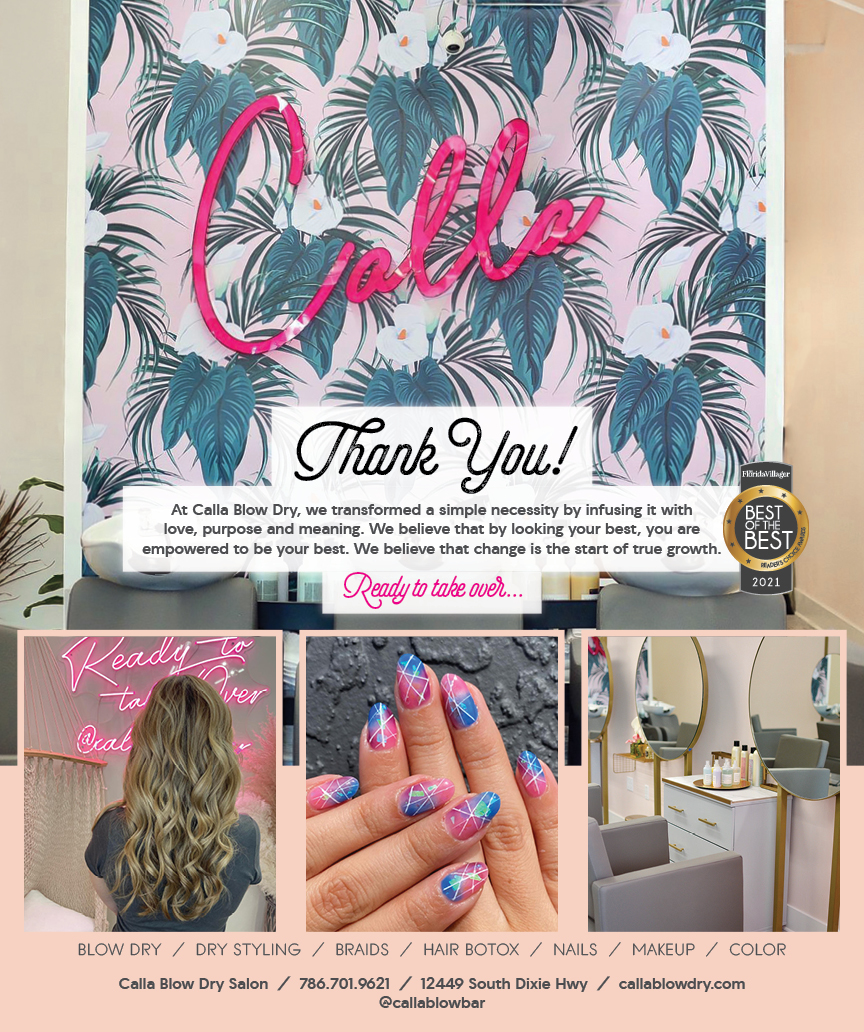
 My Derma Clinic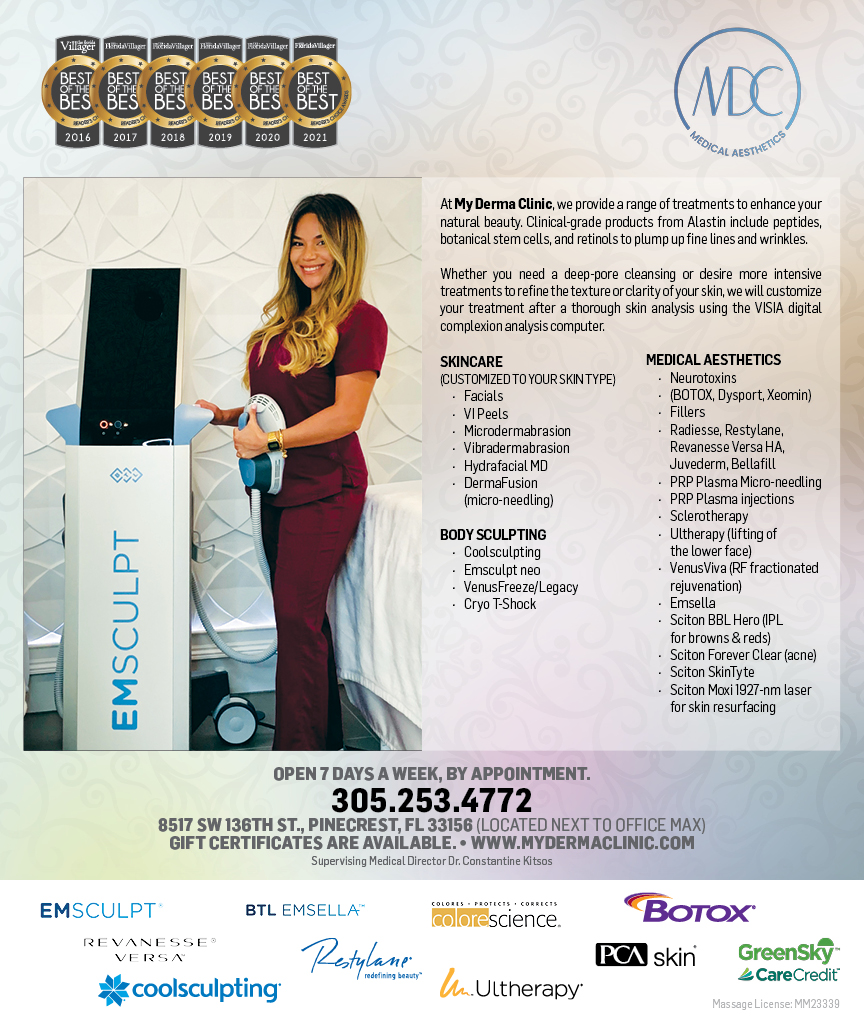
 Sports Grill
 The Healthy Kitchen
 Sushi Maki
 Golden Rule Seafood
 Malanga Cuban Café


 Kathleen Ballard
 Panter, Panter & Sampedro
 Vintage Liquors
 The Dog from Ipanema
 Rubinstein Family Chiropractic
 Your Pet’s Best
 Indigo Republic
 Animal Health and Rehab
 Maurice’s Jewelers
 ATR Luxury Homes


 2112 Design Studio
 Hamilton Fox & Company
 Creative Design Services
 Best Pest Professionals
 HD Tree Services
 Trinity Air Conditioning Company
 Cisca Construction & Development
 Mosquito Joe
 Cutler Bay Solar Solutions


 Miami Royal Ballet & Dance
 Christopher Columbus
 Pineview Preschools
 Westminster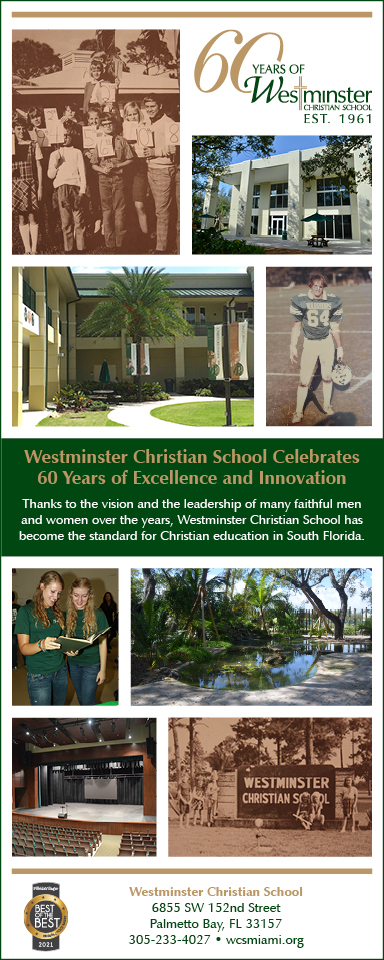
 Carrollton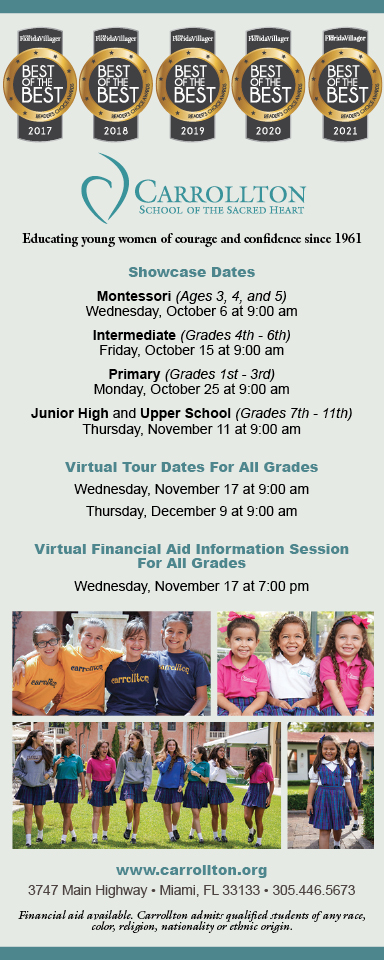
 Lil’ Jungle
 Frost Science Museum
 Palmer Trinity School
 South Florida Music
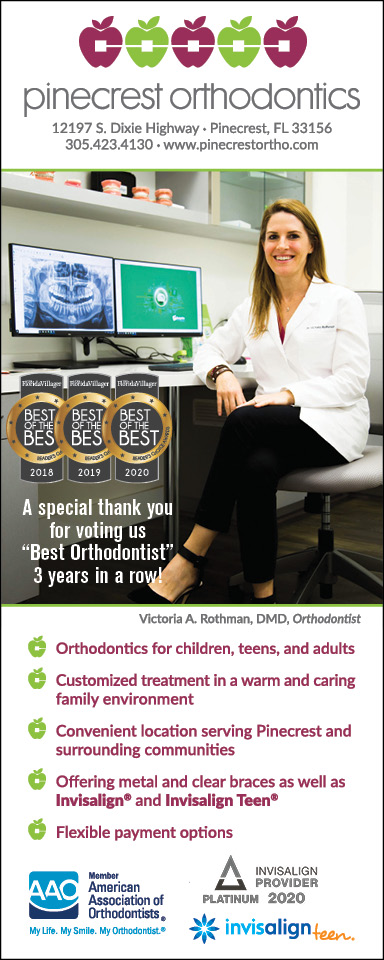
 Pinecrest Orthodontics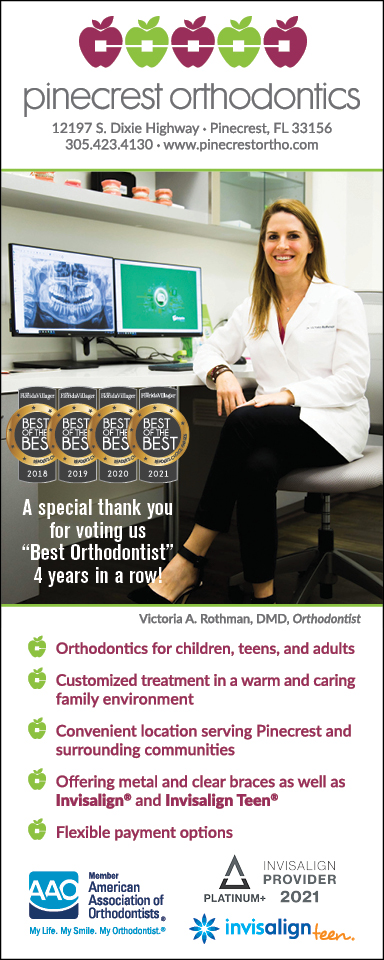
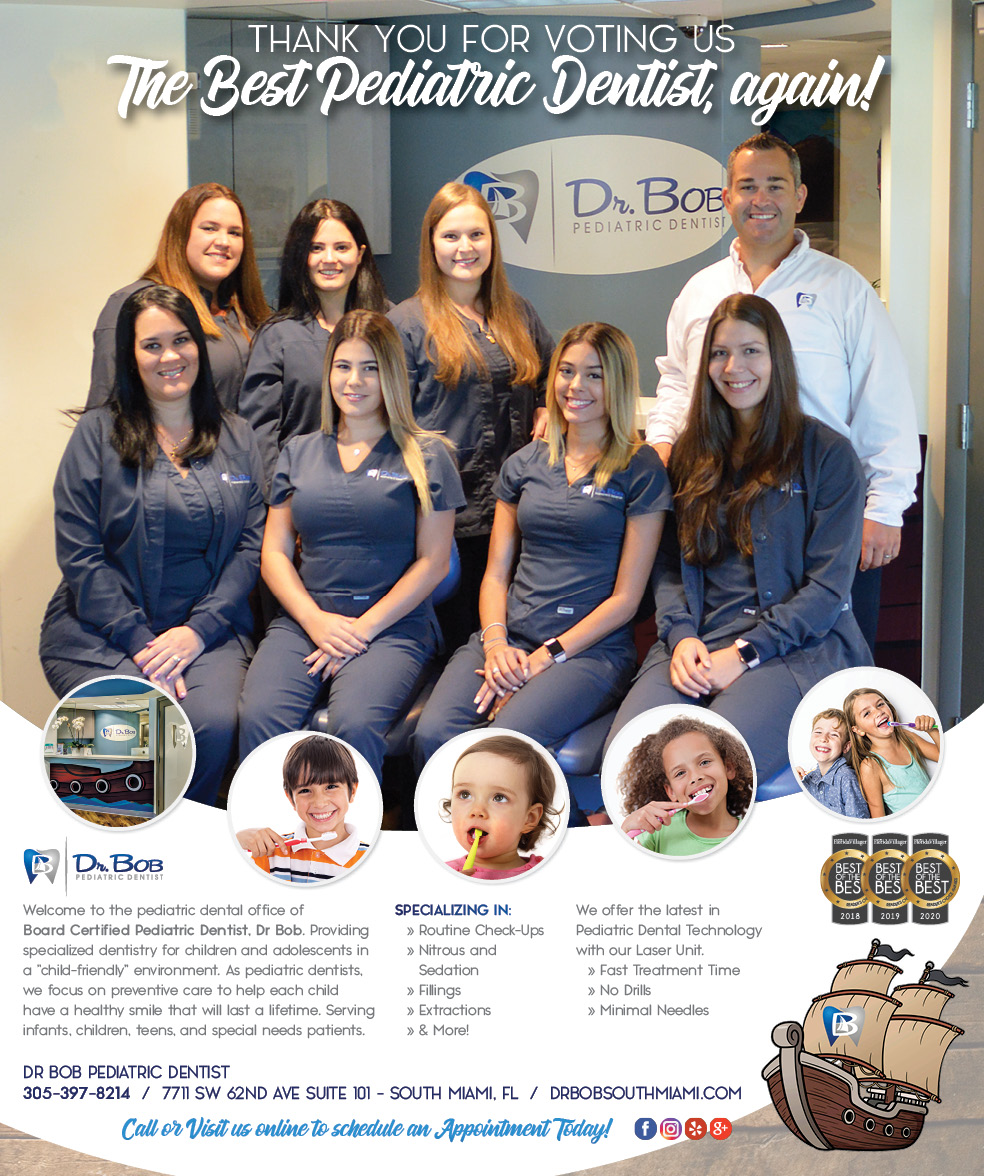
 Dr. Bob Pediatric Dentist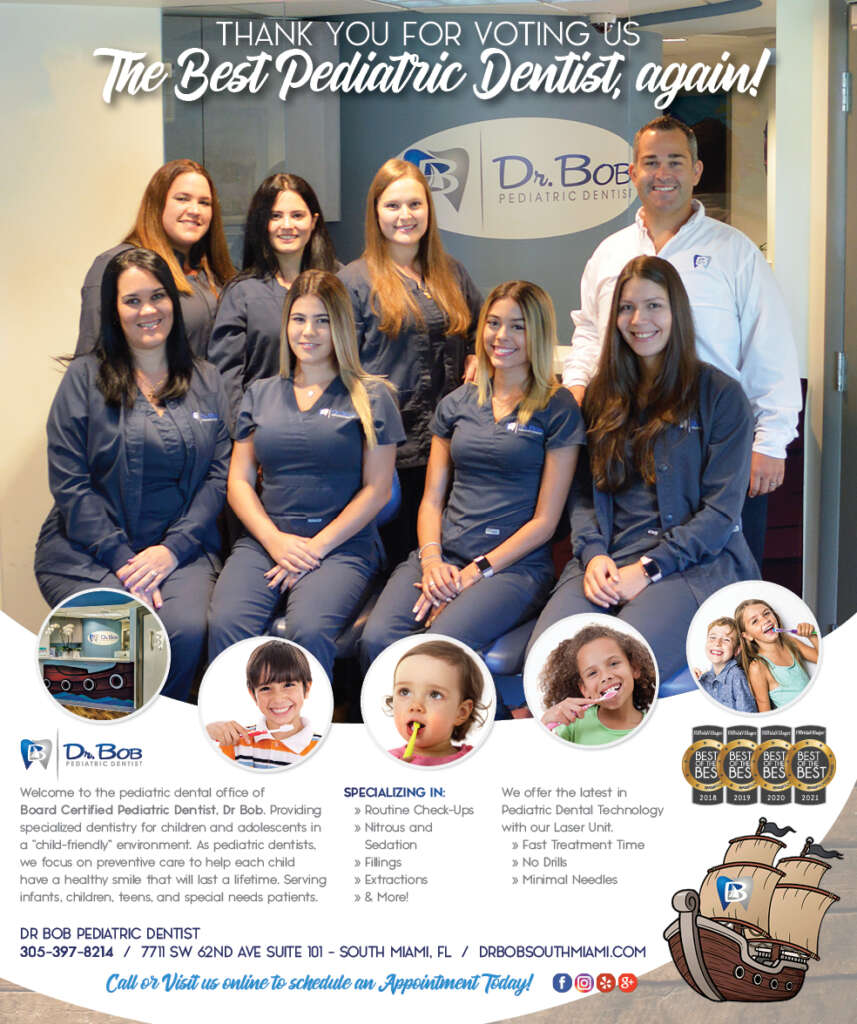
 d.pediatrics


 South Miami Women’s Health
 Endodontix Dental Group
 The Spot Barbershop
 My Derma Clinic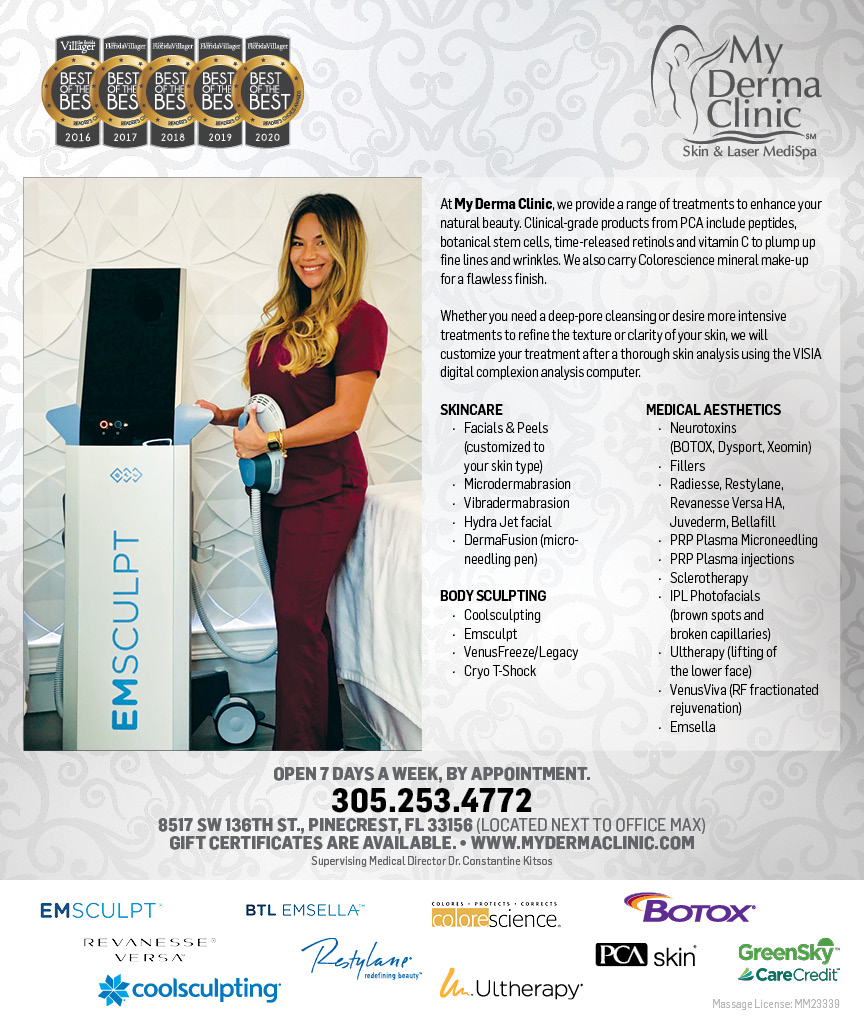



 Miami Dance Project
 Rubinstein Family Chiropractic
 Indigo Republic

 Safes Universe
 Vintage Liquors
 Evenings Delight





 Atchana’s Homegrown Thai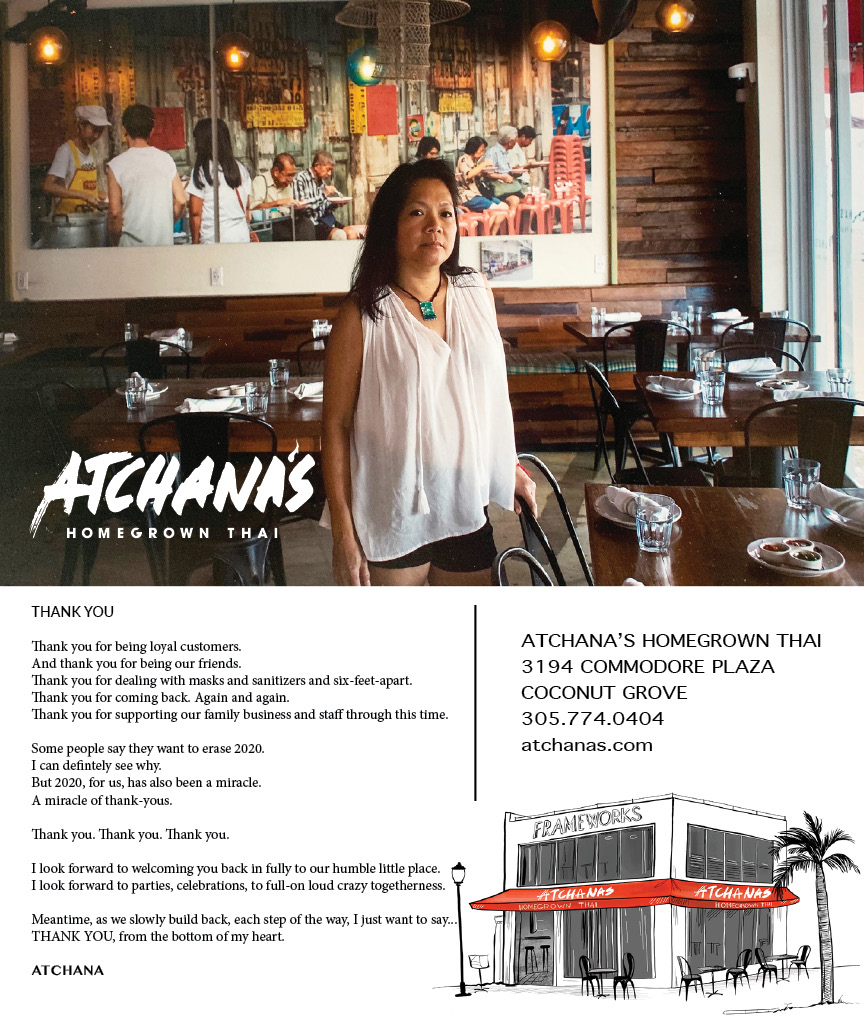
 Baptist Health South Florida

 Laser Eye Center of Miami
 Visiting Angels
 OpusCare of South Florida



 Your Pet’s Best

 HD Tree Services
 Hamilton Fox & Company

 Creative Design Services