Household dust is rarely just one thing. It’s a mix of skin flakes, textile fibers, soil tracked in from outside, pollen, pet dander, and whatever else everyday indoor life happens to generate. A light film on a shelf might look like a minor nuisance, but dust can chip away at indoor air quality and stir up symptoms for anyone sensitive to allergens. Cutting down on it usually takes a combination of habits rather than one fix that solves everything. Many households rely on a mix of damp dusting, regular fabric washing, and a vacuum pass over floors and upholstery to pick up particles that have already settled. This article walks through flooring, fabrics, ventilation, humidity, and cleaning technique as the main factors behind dust buildup, offering practical, adaptable guidance rather than a one-size-fits-all routine.
What Household Dust Contains and Where It Accumulates
Indoor dust comes from both outside and inside the home. Soil and pollen hitch a ride in on shoes, clothing, and pets. Carpets, upholstery, bedding, and clothing are constantly shedding tiny fibers, while pet dander, skin flakes, and general household debris add to the pile—along with particles from cooking, burning candles, or smoking indoors.
Some spots collect dust faster than others, usually because they’re disturbed less often or sit in the path of airflow. Here’s a quick dust hotspots checklist to help identify the areas people tend to overlook:
- Baseboards and window frames
- Ceiling fan blades and light fixtures
- Areas beneath furniture
- Upholstered furniture seams
- Spaces around heating and cooling vents
- Cluttered open shelving
It helps to draw a distinction between visible, settled dust and the smaller airborne particles that aren’t so easy to spot. Cleaning itself can stir these finer particles back into the air, which is partly why both technique and timing matter.
Use Cleaning Methods That Capture Rather Than Redistribute Dust
A slightly damp microfiber cloth picks up dust far more effectively than a dry one, which tends to push particles around rather than actually removing them. Damp dusting works best when you start with higher surfaces and work your way down, so anything dislodged lands on areas you’ll clean next rather than ones you’ve already finished. Rinsing or swapping out cloths periodically keeps you from simply smearing collected dirt back onto surfaces.
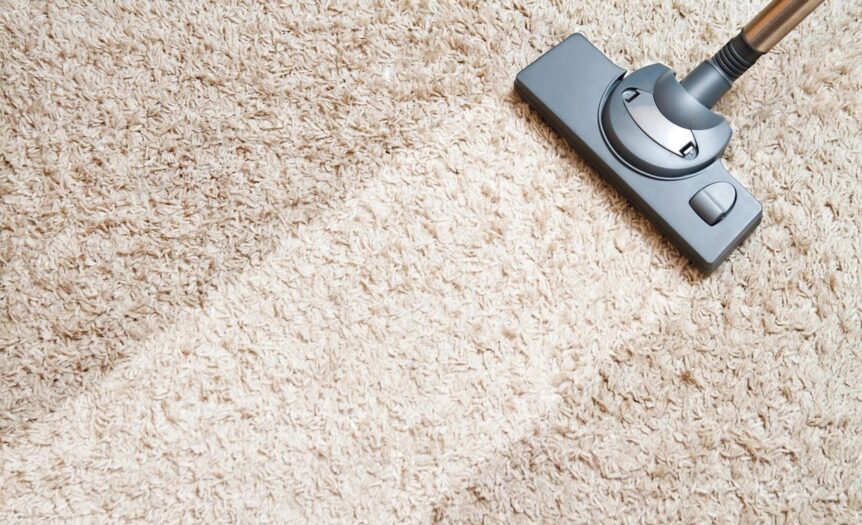
Floors and upholstery need the same kind of attention. Regular floor cleaning clears away settled dust, tracked-in soil, and loose fibers, and carpeting and upholstered furniture generally need more frequent care than smooth, washable surfaces since they hold onto particles more stubbornly. Sticking to manufacturer care instructions protects delicate materials along the way. It’s worth keeping in mind that these methods reduce dust and may ease allergen exposure, but they won’t eliminate household dust altogether.
Control Dust at the Source
Reducing what gets into the home in the first place often does more good than repeated cleaning after the fact. Doormats at entrances, taking shoes off indoors where it’s practical, and washing pet bedding regularly all cut down on the outdoor material that ends up inside. Sealing gaps around doors and windows closes off a few more entry points.
Simplifying collection points matters too: storing frequently used items in enclosed containers, cutting down clutter on open shelves, and choosing washable textiles where possible all make ongoing cleaning less of a chore. Take a household with pets and wall-to-wall carpeting as an example—placing a doormat at each entrance, washing pet bedding weekly, and vacuuming high-traffic carpet areas more often than quieter rooms shows how a handful of small habits add up to a noticeably cleaner, lower-dust home.
Manage Humidity and Soft Furnishings
Too much indoor humidity creates conditions dust mites and mold both thrive in, and both contribute to allergen levels. A hygrometer gives a far more reliable read on humidity than simply guessing from how a room feels. Ventilation, air conditioning, or dehumidification can all help depending on climate and home design, though humidity control is just one piece of a larger allergen-management picture.
Washing sheets, blankets, pillowcases, and other frequently used fabrics on a regular schedule—using hot water when the fabric allows—can help cut down on dust-mite allergens. Allergen-resistant mattress and pillow encasements are worth considering for anyone with diagnosed sensitivities. Soft furnishings that can’t be washed should still be cleaned according to their specific care instructions.
Build a Practical Dust-Reduction Routine
A workable routine usually layers daily, weekly, and occasional tasks. Daily habits might mean wiping up spills right away and keeping entryways clear. Weekly tasks tend to cover damp-dusting surfaces, cleaning floors, and washing bedding. Occasional tasks—cleaning vents, ceiling fans, replacing air-filter cartridges—tackle the areas that build up dust more slowly but still matter over the long run.
Start with these three steps:
- Place and maintain doormats at entry points
- Damp-dust high surfaces before cleaning floors
- Wash bedding and monitor indoor humidity consistently
Every household is different, so treat this routine as a flexible starting point rather than a strict checklist to follow to the letter.
Common Dust-Cleaning Mistakes to Avoid
A few habits can quietly undo otherwise good intentions: using a dry cloth that just resuspends settled dust, cleaning floors before dusting shelves, ignoring mattresses and rugs, or reaching for cleaning products without checking they’re compatible with the surface. It’s also worth remembering that cleaning activity, vacuuming included, can temporarily kick fine particles into the air—so anyone with significant respiratory sensitivities may want to step out of the room during active cleaning or rely on appropriate filtration.
How to Adapt the Approach for Different Households
Homes with pets do well to prioritize bedding, upholstery, and entryways. Families with young children might focus more on floors and low surfaces, sticking to child-safe products. Smaller or more cluttered homes often fare better with enclosed storage and shorter, more frequent cleaning sessions. People with allergies or asthma should pair these cleaning habits with guidance from a healthcare professional, particularly if symptoms persist. And homes with mostly hard flooring can lean into damp cleaning while paying extra attention to rugs and the edges of upholstered furniture.
Key takeaway: Effective dust control comes down to combining source reduction, careful cleaning technique, textile care, and humidity management—not relying on any single product or method.
Creating a Cleaner, Lower-Dust Home
Reducing household dust has less to do with finding one perfect solution and more to do with layering consistent habits: limiting what enters the home, damp-dusting before floor cleaning, washing fabrics regularly, and keeping humidity within a reasonable range. Adjust these practices based on your flooring, pets, climate, and any health considerations, and anyone dealing with persistent breathing symptoms should check in with a qualified healthcare professional. A good way to start is simple enough—pick one dust hotspot and one routine change to tackle first, then build from there.







 Deering Estate
 Massage Envy South Miami
 Calla Blow Dry
 My Derma Clinic
 Sports Grill
 The Healthy Kitchen
 Sushi Maki
 Golden Rule Seafood
 Malanga Cuban Café


 Kathleen Ballard
 Panter, Panter & Sampedro
 Vintage Liquors
 The Dog from Ipanema
 Rubinstein Family Chiropractic
 Your Pet’s Best
 Indigo Republic
 Animal Health and Rehab
 Maurice’s Jewelers
 ATR Luxury Homes


 2112 Design Studio
 Hamilton Fox & Company
 Creative Design Services
 Best Pest Professionals
 HD Tree Services
 Trinity Air Conditioning Company
 Cisca Construction & Development
 Mosquito Joe
 Cutler Bay Solar Solutions


 Miami Royal Ballet & Dance
 Christopher Columbus
 Pineview Preschools
 Westminster
 Carrollton
 Lil’ Jungle
 Frost Science Museum
 Palmer Trinity School
 South Florida Music
 Pinecrest Orthodontics
 Dr. Bob Pediatric Dentist
 d.pediatrics


 South Miami Women’s Health
 Endodontix Dental Group
 The Spot Barbershop
 My Derma Clinic




 Miami Dance Project

 Rubinstein Family Chiropractic
 Indigo Republic

 Safes Universe
 Vintage Liquors
 Evenings Delight





 Atchana’s Homegrown Thai
 Baptist Health South Florida

 Laser Eye Center of Miami
 Visiting Angels
 OpusCare of South Florida



 Your Pet’s Best

 HD Tree Services
 Hamilton Fox & Company

 Creative Design Services