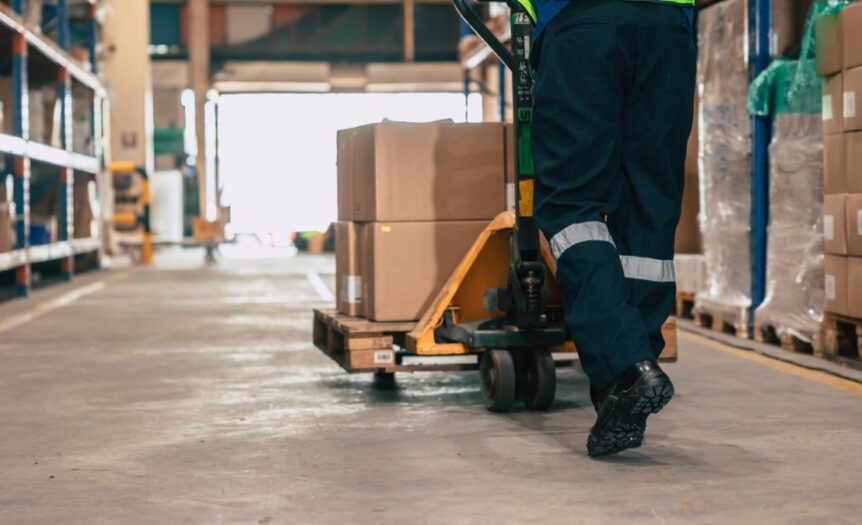
Shipping products safely requires much more than placing an item in a box and handing it to a carrier. Every step of the fulfillment process, from selecting packaging materials to stacking pallets, influences whether a product reaches its destination in excellent condition. Even businesses with efficient logistics operations can experience preventable losses if small oversights go unnoticed.
Understanding common shipping mistakes that lead to product damage helps companies reduce returns, improve customer satisfaction, and lower replacement costs. By identifying these common issues and taking proactive measures, businesses can create a shipping process that protects products throughout every stage of transportation.
Choosing the Wrong Box Size
One of the most frequent shipping mistakes is selecting packaging that does not properly fit the product. Boxes that are too large allow items to move excessively during transit, increasing the risk of impact damage. On the other hand, boxes that are too small can place unnecessary pressure on products, particularly fragile or oddly shaped items.
Choosing the correct box dimensions minimizes movement while allowing enough space for protective cushioning. Proper sizing also reduces wasted packing materials and can improve shipping efficiency by lowering dimensional weight charges.
Using Insufficient Cushioning
Packaging materials serve an important purpose beyond filling empty space. Bubble wrap, foam inserts, air pillows, molded pulp, and packing paper all help absorb shocks that occur throughout transportation.
A common mistake is assuming that a single layer of cushioning provides enough protection. Products often experience multiple impacts during sorting, loading, unloading, and final delivery. Cushioning should be selected based on the item’s weight, fragility, and expected shipping conditions.
Heavy products may require denser protective materials, while delicate electronics often benefit from custom inserts that prevent movement inside the package.
Ignoring Compression During Shipping
Many businesses focus on drops and impacts while overlooking another significant cause of product damage: compression. Packages are frequently stacked inside warehouses, trailers, and distribution centers, placing substantial weight on boxes at the bottom of the stack.
Selecting packaging that can withstand these forces is an important part of protecting shipments. Businesses evaluating packaging performance often consider ways to make shipments more crush resistant when choosing boxes designed to handle stacking pressure and transportation demands.
By accounting for compression during package design, companies can significantly reduce crushed boxes and damaged products.
Overlooking Weight Distribution
Improper weight distribution creates unnecessary stress on both products and packaging. When heavy items shift inside a box, they can tear through packaging materials or damage neighboring components.
Weight should remain centered whenever possible. Multiple items should be arranged to distribute pressure evenly rather than concentrating it in one corner. Dividers, inserts, and molded packaging can help keep products securely positioned throughout transit.
For palletized shipments, heavier cartons should remain on the bottom while lighter packages are stacked above to maintain stability.
Failing to Secure Products Properly
Even durable products can sustain cosmetic or structural damage if they move freely during transportation.
Loose items repeatedly striking the inside of a box create friction, scratches, dents, and broken components. Proper securing methods include:
- Custom foam inserts
- Corrugated dividers
- Molded trays
- Stretch wrap for bundled products
- Protective corner supports
The goal is to minimize movement without placing excessive pressure on the product itself.
Using Low-Quality Packaging Materials
Reducing packaging costs may seem like an easy way to improve margins, but low-quality materials often lead to expensive consequences.
Thin corrugated boxes, weak tape, or low-grade cushioning can fail under normal shipping conditions. Once packaging integrity is compromised, products become significantly more vulnerable to damage.
Investing in stronger materials frequently reduces warranty claims, replacement shipments, labor costs, and customer complaints over time.
Neglecting Proper Sealing Techniques
A strong box can still fail if it is not sealed correctly. Improper taping allows cartons to open during handling or lose structural strength under pressure. The widely accepted “H-taping” method reinforces both center seams and edge seams, creating a more secure package.
Tape selection also matters. Choosing tape appropriate for package weight, environmental conditions, and shipping duration helps maintain package integrity from origin to destination.
Forgetting About Environmental Conditions
Products often travel through a wide range of temperatures and humidity levels before reaching customers.
Moisture can weaken corrugated packaging, while extreme heat or cold may affect adhesives, electronics, pharmaceuticals, food products, and specialty materials.
Businesses should evaluate likely shipping environments when selecting packaging. Moisture-resistant coatings, insulated packaging, vapor barriers, or temperature-controlled shipping options may be appropriate depending on the product.
Considering environmental exposure helps prevent damage that has nothing to do with handling practices.
Poor Palletizing Practices
Shipping damage frequently begins before packages ever leave the warehouse.
Improper pallet loading creates unstable shipments that can shift, lean, or collapse during transportation. Common palletizing mistakes include uneven stacking, overhanging boxes, inconsistent weight distribution, and inadequate stretch wrapping.
Well-built pallets improve stability while reducing the likelihood of damaged cartons throughout the shipping process.
Warehouse personnel should receive consistent training on proper stacking techniques and load securement procedures to minimize preventable losses.
Skipping Packaging Testing
Some businesses rely on assumptions rather than testing when designing shipping solutions. Real-world shipping conditions expose packages to drops, vibration, compression, and repeated handling. Without testing, weaknesses often remain hidden until products begin arriving damaged.
Packaging validation may include compression testing, drop testing, vibration analysis, and environmental simulations. These evaluations help identify opportunities to improve packaging performance before products reach customers. Routine testing becomes especially valuable when introducing new products or modifying existing packaging designs.
Treating Packaging as an Afterthought
Perhaps the biggest shipping mistake is viewing packaging as a simple container instead of an important part of product protection.
Packaging influences customer satisfaction, shipping costs, operational efficiency, sustainability goals, and brand reputation. A damaged shipment can erase the positive impression created by an otherwise outstanding product.
Businesses that treat packaging as a strategic investment often experience fewer claims, lower replacement expenses, stronger customer loyalty, and more predictable logistics performance.
Small improvements made throughout the packaging process can collectively produce substantial long-term savings.
Protect Your Product
Preventing shipping damage requires attention to every detail, from selecting the right box to properly securing products and accounting for stacking pressure during transportation. While no shipping process can eliminate every risk, many of the most common causes of product damage are entirely preventable with thoughtful planning and consistent execution.
By understanding common shipping mistakes that lead to product damage, businesses can strengthen their fulfillment operations, reduce unnecessary costs, and deliver products that consistently arrive in the condition customers expect. Investing in better packaging practices today helps build greater reliability, stronger customer trust, and long-term operational success.








 Deering Estate
 Massage Envy South Miami
 Calla Blow Dry
 My Derma Clinic
 Sports Grill
 The Healthy Kitchen
 Sushi Maki
 Golden Rule Seafood
 Malanga Cuban Café


 Kathleen Ballard
 Panter, Panter & Sampedro
 Vintage Liquors
 The Dog from Ipanema
 Rubinstein Family Chiropractic
 Your Pet’s Best
 Indigo Republic
 Animal Health and Rehab
 Maurice’s Jewelers
 ATR Luxury Homes

 2112 Design Studio
 Hamilton Fox & Company
 Creative Design Services
 Best Pest Professionals
 HD Tree Services
 Trinity Air Conditioning Company
 Cisca Construction & Development
 Mosquito Joe
 Cutler Bay Solar Solutions


 Miami Royal Ballet & Dance
 Christopher Columbus
 Pineview Preschools
 Westminster
 Carrollton
 Lil’ Jungle
 Frost Science Museum
 Palmer Trinity School
 South Florida Music
 Pinecrest Orthodontics
 Dr. Bob Pediatric Dentist
 d.pediatrics


 South Miami Women’s Health
 Endodontix Dental Group
 The Spot Barbershop
 My Derma Clinic




 Miami Dance Project

 Rubinstein Family Chiropractic
 Indigo Republic

 Safes Universe
 Vintage Liquors
 Evenings Delight





 Atchana’s Homegrown Thai
 Baptist Health South Florida

 Laser Eye Center of Miami
 Visiting Angels
 OpusCare of South Florida



 Your Pet’s Best

 HD Tree Services
 Hamilton Fox & Company

 Creative Design Services