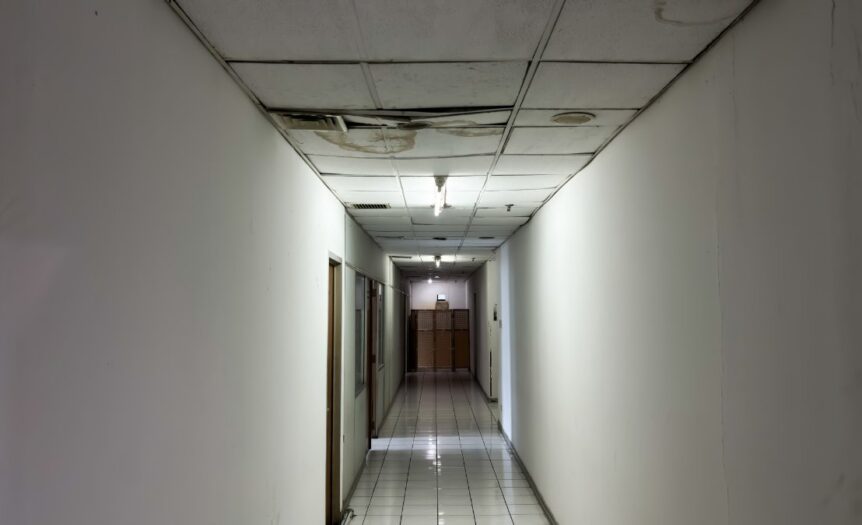
Owning or managing a commercial property comes with a long list of responsibilities. While it can be tempting to postpone routine upkeep in favor of more pressing concerns, delaying maintenance often leads to larger and more expensive problems over time. From damaged pavement and plumbing issues to safety hazards and declining customer impressions, neglected properties can quickly become financial liabilities.
Understanding the costs of neglecting commercial property maintenance helps property owners and managers make informed decisions about where to invest their time and resources. Preventative maintenance may require ongoing attention, but it is almost always less expensive than repairing significant damage after it has occurred.
Small Problems Rarely Stay Small
Many maintenance issues begin with minor signs of wear that are easy to overlook. A small crack in a parking lot, a clogged drain, or debris collecting near building entrances may not seem urgent at first. However, these seemingly insignificant issues often worsen when left unaddressed.
For example, pavement cracks allow water to seep beneath the surface. As temperatures fluctuate, the moisture expands and contracts, weakening the foundation and creating larger cracks or potholes. What could have been repaired with a simple sealant eventually becomes a much more expensive resurfacing or replacement project.
The same principle applies throughout a commercial property. Minor roof leaks can damage insulation and ceilings. Small plumbing leaks may encourage mold growth. Loose handrails or uneven sidewalks can become serious safety concerns if ignored.
Safety Risks Increase Over Time
One of the biggest consequences of poor property maintenance is the increased risk of accidents. Customers, employees, vendors, and visitors all expect commercial properties to provide safe environments.
Hazards such as cracked sidewalks, uneven pavement, poor lighting, overflowing gutters, and accumulated debris create opportunities for slips, trips, and falls. Even seasonal issues like wet leaves or standing water can make outdoor areas more dangerous.
Deferred Maintenance Often Costs More
Many property owners delay maintenance to reduce short-term expenses. Unfortunately, this approach usually produces the opposite result.
Routine inspections and preventative repairs allow maintenance teams to address problems before they spread. When maintenance is postponed, deterioration continues until major repairs become unavoidable.
Replacing a damaged roof costs significantly more than repairing isolated leaks. Rebuilding a deteriorated parking lot is far more expensive than sealing cracks and maintaining proper drainage. Waiting until HVAC systems fail completely often leads to emergency replacements rather than affordable repairs.
Preventative maintenance spreads expenses over time instead of forcing businesses to absorb unexpected capital costs.
Customer Perception Matters
Customers notice overflowing trash cans, faded striping, dirty sidewalks, damaged landscaping, and neglected parking areas. Even if a business offers excellent products or services, poor exterior conditions may create doubts about professionalism and attention to detail.
Clean, organized properties inspire confidence. Visitors often associate well-maintained facilities with businesses that care about quality, safety, and customer service.
This is especially important for retail centers, office buildings, healthcare facilities, restaurants, hotels, and professional service providers where first impressions directly influence purchasing decisions.
Property Values Can Decline
Commercial real estate represents a significant investment. Protecting that investment requires consistent maintenance.
Visible deterioration lowers curb appeal and may reduce a property’s market value. Prospective buyers, tenants, and investors frequently estimate future repair costs when evaluating commercial buildings. Deferred maintenance can make negotiations more difficult or reduce offers altogether.
Even if selling is not part of the current plan, maintaining a property’s condition preserves long-term value while making future improvements easier and less expensive.
Drainage Problems Become More Severe
Proper drainage protects both buildings and paved surfaces from water damage. Unfortunately, drainage systems require regular attention to remain effective.
Leaves, dirt, litter, and other debris can clog storm drains and catch basins, preventing water from flowing away properly. Standing water may damage asphalt, weaken foundations, erode landscaping, and increase slip hazards.
Routine sweeping plays an important role in preventing these issues. Understanding why businesses prioritize removing leaves and debris from parking lots helps property managers reduce flooding risks while extending the life of pavement and drainage infrastructure.
Maintenance Supports Regulatory Compliance
Commercial properties are subject to numerous building codes, accessibility standards, and safety regulations. Neglecting maintenance increases the likelihood of violations that may result in fines, citations, or legal complications.
Routine inspections allow owners to identify damaged signage, malfunctioning emergency lighting, deteriorated walkways, inaccessible entrances, or other compliance issues before they become serious problems. Maintaining compliance also demonstrates a commitment to providing safe environments for employees and visitors.
Employee Morale Can Suffer
People generally take greater pride in working within clean, organized environments. Well-maintained buildings contribute to comfort, professionalism, and workplace satisfaction. Conversely, neglected facilities with broken fixtures, dirty common areas, and deteriorating outdoor spaces may create frustration and reduce morale.
Employees who regularly interact with customers also appreciate working in environments that reflect positively on the organization. Investing in property maintenance demonstrates that management values both employees and visitors.
Emergency Repairs Disrupt Business Operations
Burst pipes, failed HVAC systems, roof leaks during storms, or major pavement damage often require emergency repairs that interrupt daily operations. Businesses may need to temporarily close sections of a property or even suspend operations entirely while repairs are completed.
Emergency work also tends to cost more because contractors must respond quickly, source replacement materials immediately, and work around business schedules. Preventative maintenance minimizes these disruptions by identifying problems before they become emergencies.
Creating a Long-Term Maintenance Strategy
Successful commercial properties rarely rely on reactive maintenance alone. Instead, they establish schedules for inspections, cleaning, repairs, and seasonal upkeep.
A comprehensive maintenance plan should include routine roof inspections, pavement evaluations, landscaping care, lighting checks, HVAC servicing, plumbing inspections, drainage maintenance, and regular cleaning of parking lots and walkways.
Documenting maintenance activities also helps owners monitor recurring issues and budget for future improvements more accurately. Consistent attention allows small repairs to remain manageable instead of developing into expensive capital projects.
Investing Today Prevents Bigger Costs Tomorrow
Every commercial property experiences wear over time, but neglect accelerates that process dramatically. Proactive maintenance preserves buildings, protects investments, improves safety, and creates better experiences for everyone who visits the property.
Understanding the costs of neglecting commercial property maintenance encourages owners and managers to shift their focus from reacting to problems toward preventing them altogether. Whether it’s repairing small cracks, maintaining drainage systems, keeping parking areas clear, or performing regular inspections, consistent upkeep delivers long-term financial benefits while helping commercial properties remain attractive, functional, and safe for years to come.







 Deering Estate
 Massage Envy South Miami
 Calla Blow Dry
 My Derma Clinic
 Sports Grill
 The Healthy Kitchen
 Sushi Maki
 Golden Rule Seafood
 Malanga Cuban Café


 Kathleen Ballard
 Panter, Panter & Sampedro
 Vintage Liquors
 The Dog from Ipanema
 Rubinstein Family Chiropractic
 Your Pet’s Best
 Indigo Republic
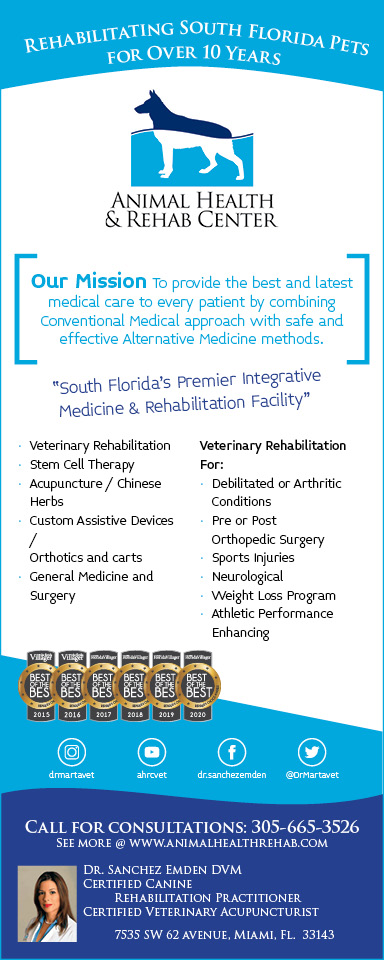
 Animal Health and Rehab
 Maurice’s Jewelers
 ATR Luxury Homes

 2112 Design Studio
 Hamilton Fox & Company
 Creative Design Services
 Best Pest Professionals
 HD Tree Services
 Trinity Air Conditioning Company
 Cisca Construction & Development
 Mosquito Joe
 Cutler Bay Solar Solutions


 Miami Royal Ballet & Dance
 Christopher Columbus
 Pineview Preschools
 Westminster
 Carrollton
 Lil’ Jungle
 Frost Science Museum
 Palmer Trinity School
 South Florida Music
 Pinecrest Orthodontics
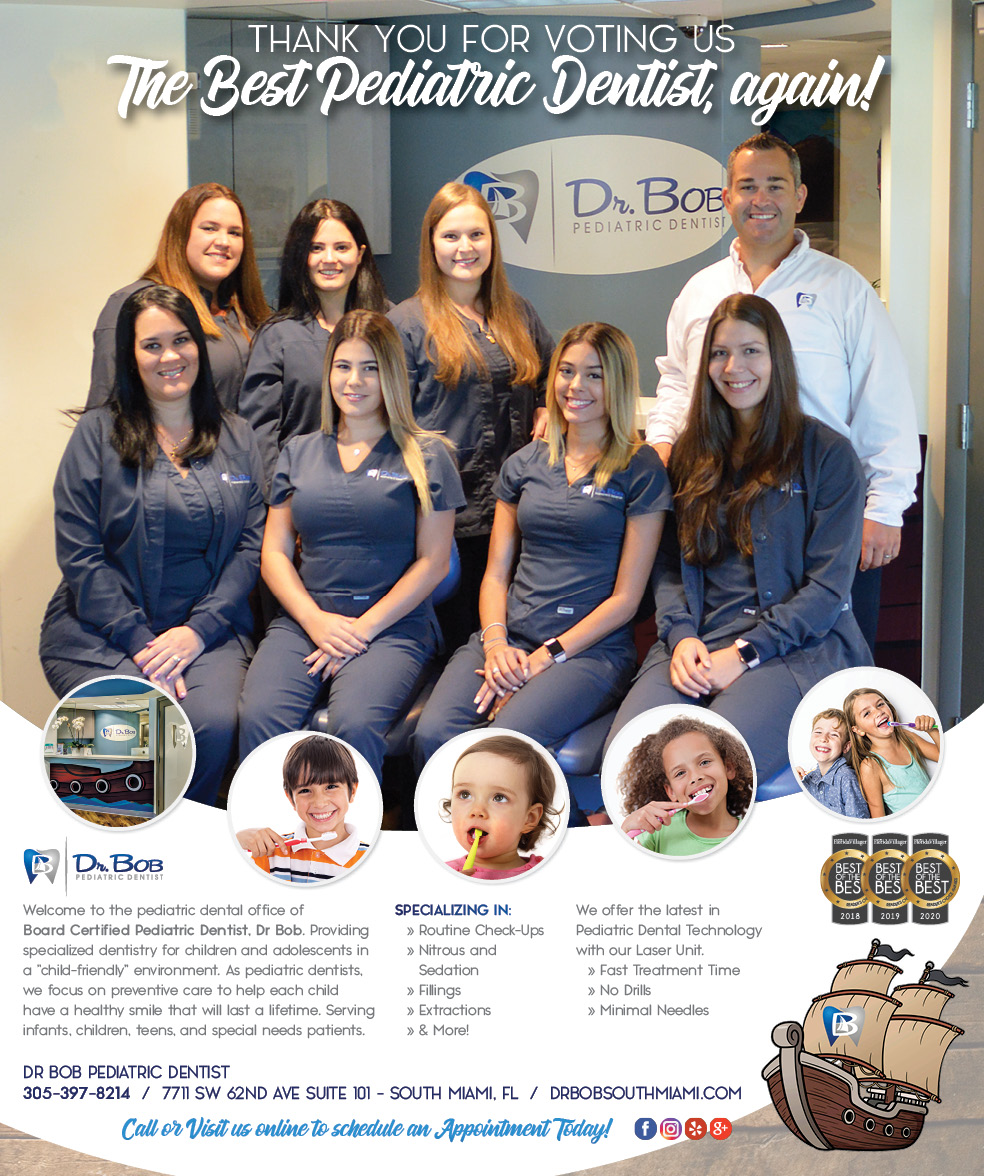
 Dr. Bob Pediatric Dentist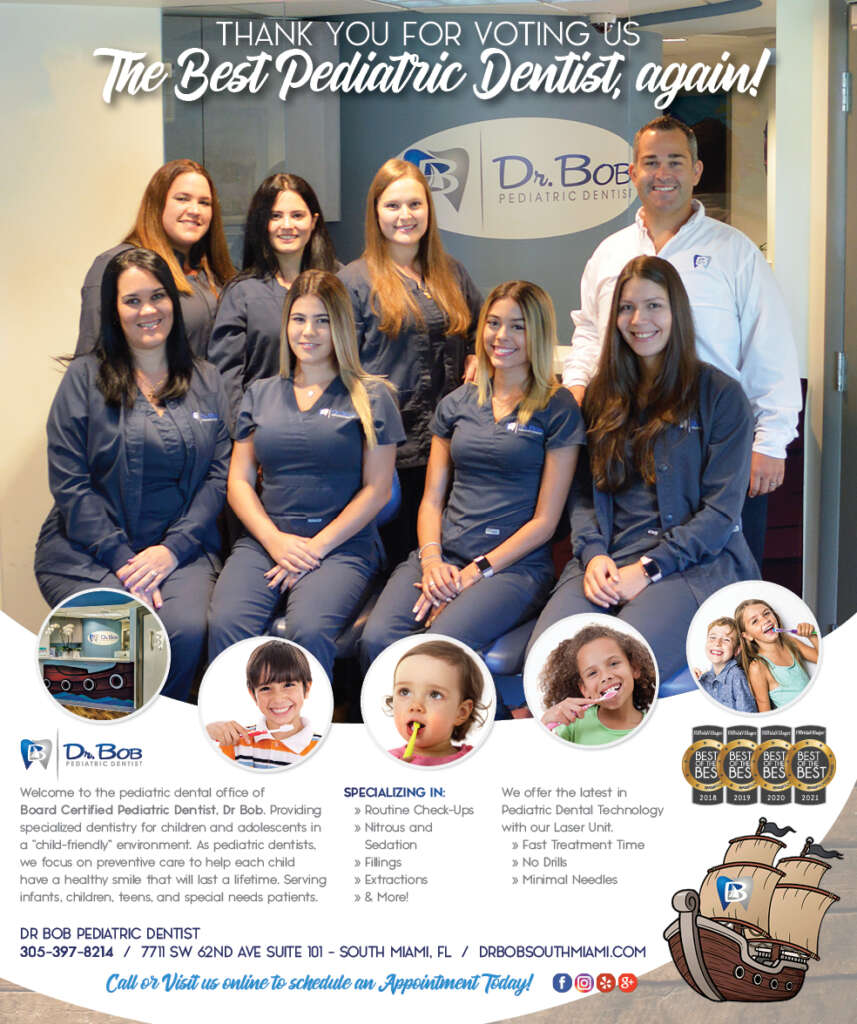
 d.pediatrics


 South Miami Women’s Health
 Endodontix Dental Group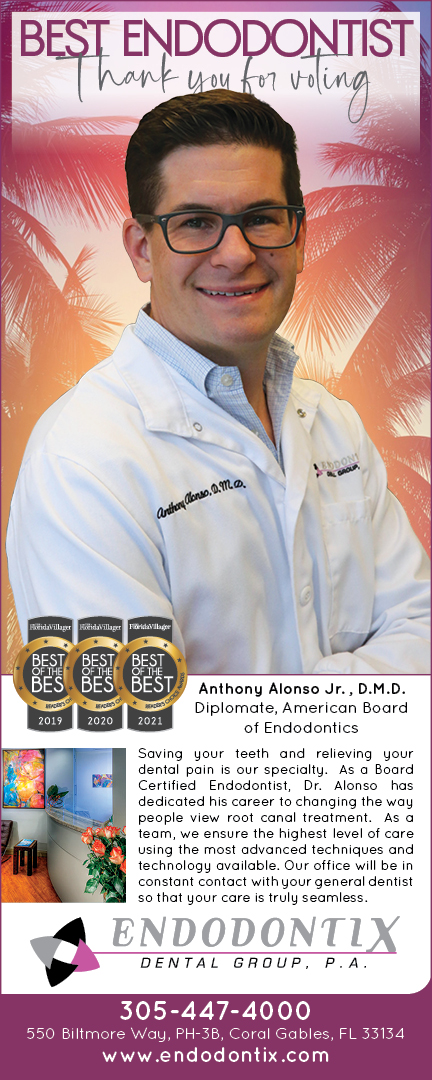
 The Spot Barbershop
 My Derma Clinic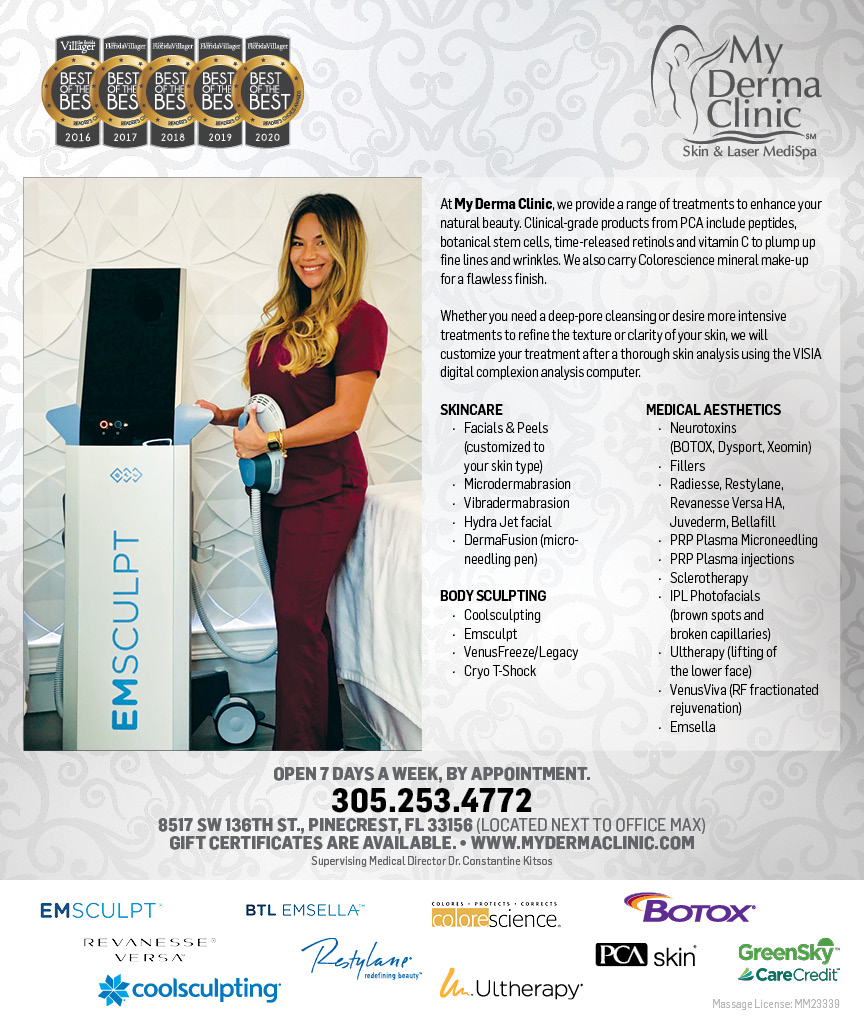




 Miami Dance Project
 Rubinstein Family Chiropractic
 Indigo Republic
 Safes Universe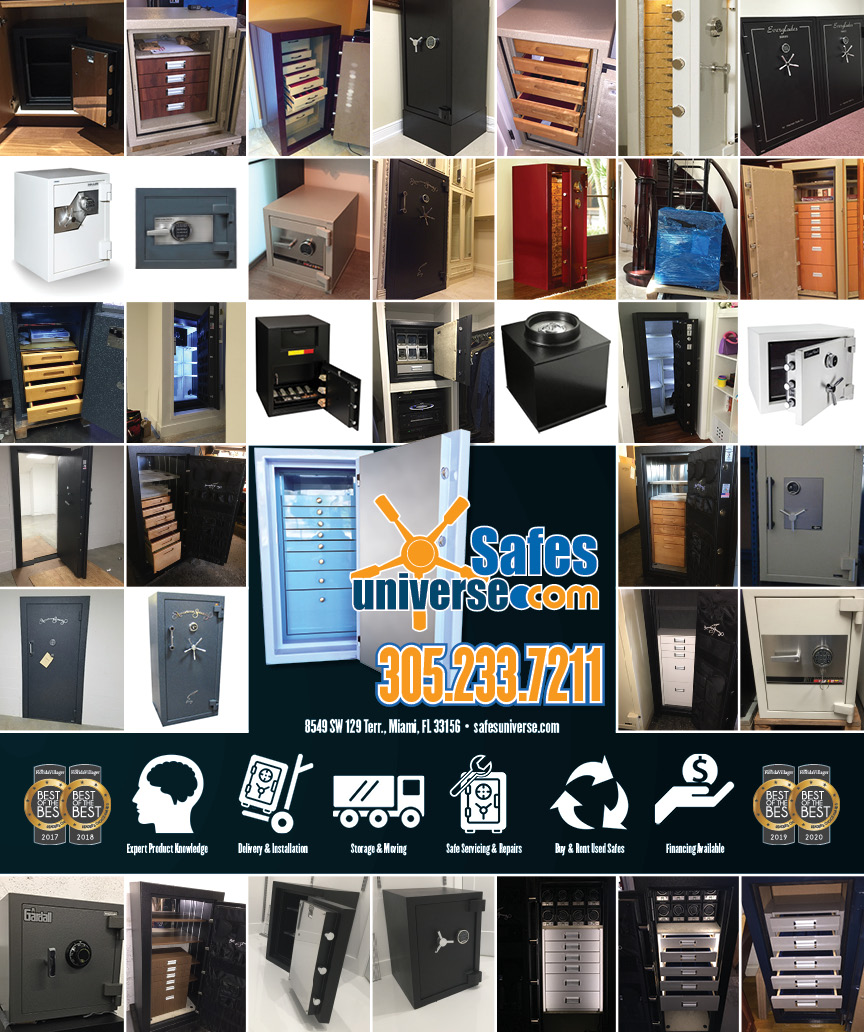
 Vintage Liquors
 Evenings Delight





 Atchana’s Homegrown Thai
 Baptist Health South Florida

 Laser Eye Center of Miami
 Visiting Angels
 OpusCare of South Florida



 Your Pet’s Best

 HD Tree Services
 Hamilton Fox & Company

 Creative Design Services