
Warehouse offices often sit close to noise and equipment processes. That setting can create real comfort problems for employees who handle planning, supervision, records, and communication.
A better office layout can improve focus and reduce daily friction. Strong warehouse office design also helps business owners support employee comfort without slowing warehouse activity. Comfort does not require luxury finishes or a large buildout. It involves practical choices that match the facility, the work, and the people who use the space.
Start With the Work Your Teams Complete
Every warehouse office should support specific tasks. Owners should identify who uses the space and what each person needs during a normal shift. A supervisor may need fast access to the floor. An inventory manager may need a quieter space for reporting and vendor calls.
Design choices should follow those needs. A shared desk area requires a different setup than a private meeting room or dispatch office.
Choose the Right Location
Office location affects comfort more than many owners expect. A space near constant forklift traffic can distract employees and increase stress. The best location keeps employees close to operations without placing desks in the busiest paths. Visibility matters, but constant interruption can reduce productivity.
Owners should also consider restrooms, exits, break areas, and parking access. A convenient location can reduce wasted time during workdays.
Reduce Noise at the Source
Warehouse noise can affect concentration and communication. Offices near conveyors, dock doors, compressors, or packing stations need extra planning. Walls and door choices can reduce sound transfer. Even small upgrades can help employees handle calls and complete detail heavy work.
Managers should also review equipment placement. Moving a loud printer or compressor away from office walls can improve comfort quickly.
Improve Lighting for Daily Tasks
Warehouse lighting often supports movement and safety on the floor. Office work needs a different lighting plan. Employees need lighting that supports screens, paperwork, meetings, and detailed review. Poor lighting can cause eye strain and reduce comfort over long shifts.
Natural light can help when the building allows it. Interior windows can also improve visibility without exposing employees to every distraction.
Control Temperature and Airflow
Many warehouses experience humidity and temperature swings. An office inside that environment needs its own comfort plan. HVAC planning should match the office size and location. A small, enclosed space can become uncomfortable when equipment and people add heat.
Airflow also matters. Employees should not sit directly under strong vents or in areas with stagnant air.
Add Privacy Where Focus Matters
Open desks can work for fast communication, but they do not support every warehouse office task. Payroll discussions, vendor negotiations, employee coaching, and safety reviews require privacy. A layout that includes at least one enclosed room can improve professionalism.
Business owners who need fast options can review ways to add private office space to the warehouse. That step can support comfort and privacy without a full facility expansion.
Plan Traffic Flow Around the Office
Warehouse offices should never block movement. Poor placement can create frustration for employees and safety risks for the floor team.
The office entrance should connect to safe walkways. Staff should not cross active equipment lanes to reach a desk. Clear traffic planning also supports visitors and vendors. A defined path can reduce confusion during busy delivery hours.
Use Furniture That Supports Long Shifts
Warehouse office employees may sit for hours during scheduling, reporting, or order management. Poor furniture can create fatigue and discomfort.
Chairs should support posture and frequent movement. Desks should fit monitors, keyboards, phones, and paperwork without crowding the surface. Storage also affects comfort. Employees need a place for forms, supplies, personal items, and shared tools.
Keep Essential Tools Within Reach
Comfort improves when employees do not need to hunt for basic tools. The office layout should place daily items near the people who use them.
Common needs may include:
- Printers and scanners
- Shipping documents
- Safety forms
- Radios and chargers
- Label supplies
- Visitor logs
This type of organization also reduces interruptions. Employees can complete tasks faster when the workspace supports routine work.
Design for Communication
Warehouse offices need both focus and fast communication. The layout should support both goals. Supervisors may need a clear view of key areas. Meeting spaces need doors and enough room for small team discussions.
A balanced communication plan can reduce hallway conversations and repeated interruptions. Better warehouse office design gives employees places to talk without disrupting focused work.
Include Break and Reset Areas
Employee comfort does not stop at the desk. A facility should provide a clean place for breaks and short resets. Break areas should stay separate from active office tasks when space allows. Employees can return to work with fewer distractions when rest areas serve a clear purpose.
Even a modest break area can improve daily comfort. Seating, clean surfaces, and reliable temperature control make the space more useful.
Make Safety Part of the Design
Comfort and safety connect inside a warehouse office. Employees cannot feel comfortable if traffic or clutter creates risk. Office design should protect walkways and exits. It should also keep cords, boxes, and supplies out of travel paths.
New leaders can benefit from guidance that covers what first-time warehouse managers should know. Sound office planning supports those broader management basics.
Support Technology Needs
A comfortable office needs reliable technology. Weak internet, limited outlets, and poor cable planning can frustrate employees every day. Each desk should support the tools that employees use most often. Cable management also improves safety and appearance. Clean wiring helps reduce trip hazards and equipment problems.
Think About Future Growth
Warehouse needs often change as orders, staff, and services expand. Office design should allow future changes without major disruption. Modular rooms and flexible storage can help owners adjust the workspace as teams grow. Planning for growth can also prevent overcrowding. Crowded offices can increase noise and reduce employee comfort.
Keep The Space Clean and Easy to Maintain
Comfort declines when an office becomes cluttered or hard to clean. Durable finishes and simple layouts help teams maintain the space.
Flooring should handle warehouse foot traffic. Surfaces should resist stains and support quick cleaning. A written cleaning routine can also help. Shared spaces need clear expectations for trash, supplies, and equipment.
Ask Employees for Practical Feedback
Employees often know which design problems affect the workday. Owners should collect feedback before major changes. Focus questions on noise, lighting, temperature, privacy, and workflow. Specific feedback can reveal simple fixes that leaders may miss.
A follow-up review can confirm whether changes worked. Comfort planning should continue after installation.
Build Comfort Into Your Operating Plan
Designing a comfortable warehouse office helps people do better work. It can reduce distractions, improve communication, and support safer movement through the facility.
Business and facility owners should treat office comfort as part of operational planning. The best results come from practical design choices that match real tasks and daily facility conditions.







 Deering Estate
 Massage Envy South Miami
 Calla Blow Dry
 My Derma Clinic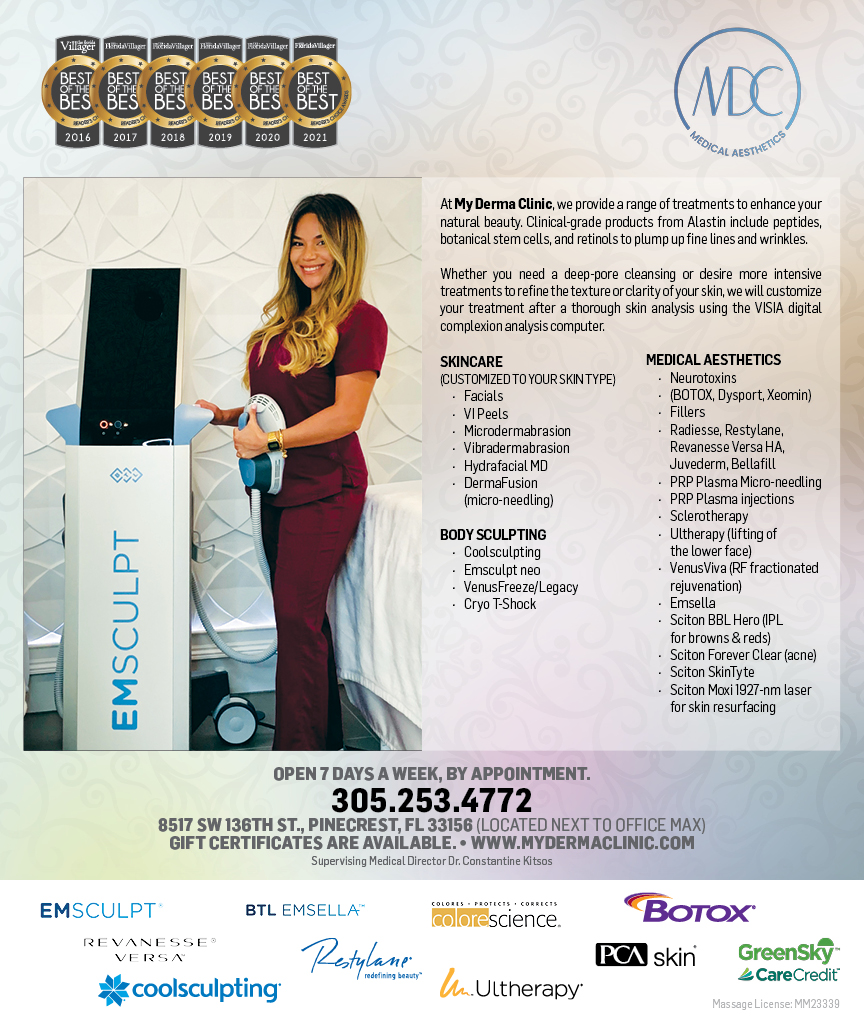
 Sports Grill
 The Healthy Kitchen
 Sushi Maki
 Golden Rule Seafood
 Malanga Cuban Café


 Kathleen Ballard
 Panter, Panter & Sampedro
 Vintage Liquors
 The Dog from Ipanema
 Rubinstein Family Chiropractic
 Your Pet’s Best
 Indigo Republic
 Animal Health and Rehab
 Maurice’s Jewelers
 ATR Luxury Homes


 2112 Design Studio
 Hamilton Fox & Company
 Creative Design Services
 Best Pest Professionals
 HD Tree Services
 Trinity Air Conditioning Company
 Cisca Construction & Development
 Mosquito Joe
 Cutler Bay Solar Solutions


 Miami Royal Ballet & Dance
 Christopher Columbus
 Pineview Preschools
 Westminster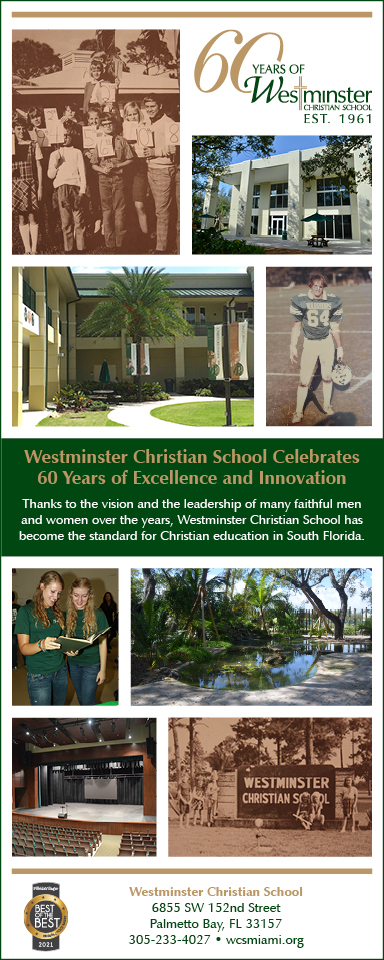
 Carrollton
 Lil’ Jungle
 Frost Science Museum
 Palmer Trinity School
 South Florida Music
 Pinecrest Orthodontics
 Dr. Bob Pediatric Dentist
 d.pediatrics


 South Miami Women’s Health
 Endodontix Dental Group
 The Spot Barbershop
 My Derma Clinic




 Miami Dance Project

 Rubinstein Family Chiropractic
 Indigo Republic

 Safes Universe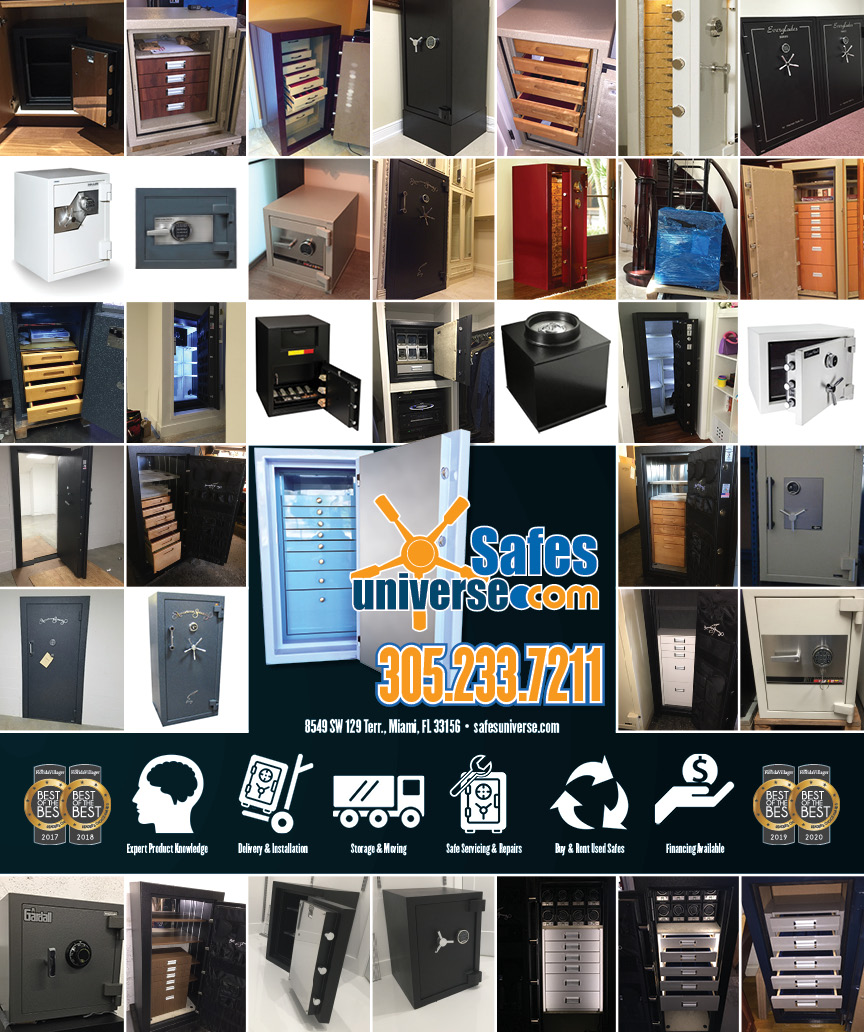
 Vintage Liquors
 Evenings Delight





 Atchana’s Homegrown Thai
 Baptist Health South Florida

 Laser Eye Center of Miami
 Visiting Angels
 OpusCare of South Florida



 Your Pet’s Best

 HD Tree Services
 Hamilton Fox & Company

 Creative Design Services