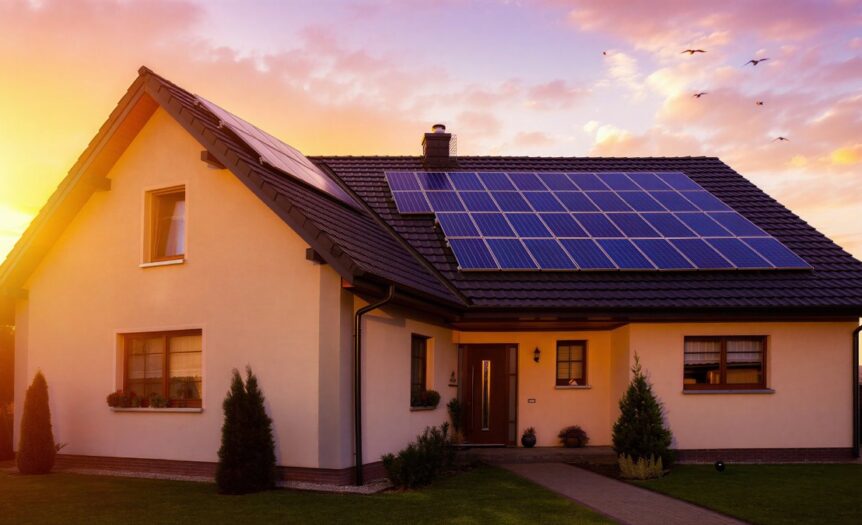
Keeping a home in good condition requires time and attention, yet many property owners focus on repairs only after problems arise. When maintenance falls behind, energy waste and avoidable damage create a larger environmental impact. You can prevent many of these issues by taking a proactive approach to caring for your property. A well-maintained home supports sustainability while helping you protect the resources your household relies on every day.
Why Maintenance Supports Sustainability
When you think about environmental responsibility, large-scale solutions often receive the most attention. However, your home’s condition has an impact. Every component that operates efficiently helps reduce unnecessary consumption and limits strain on natural resources.
You don’t need to undertake major renovations to support eco-friendly living. Consistent upkeep allows existing systems to perform as intended, which helps you avoid waste before it develops into a larger problem.
How Efficiency Reduces Resource Use
As building materials age, they often require more energy and resources to deliver the same level of performance. Drafts, moisture intrusion, and neglected ventilation all increase energy demands throughout the year. When you address these issues early, you help your home operate more efficiently.
Proper airflow provides a good example. Many homeowners overlook the role ventilation plays in regulating temperature and moisture, yet both factors influence energy consumption.
Several maintenance practices can support better efficiency:
- Inspect areas where air leaks may develop
- Address moisture concerns before they spread
- Maintain ventilation systems regularly
- Repair damaged materials promptly
- Monitor energy performance over time
Extend Material Lifespans
Every time a major component requires replacement, additional materials and transportation enter the equation. When you extend the lifespan of what already exists, you minimize the demand for new resources and decrease waste generation. This approach aligns closely with long-term conservation goals.
You can often prevent premature deterioration through routine inspections and timely repairs. Roofing materials, siding, insulation, and other structural components tend to perform longer when you identify minor concerns before they become severe.
Smarter Systems Create Lower Impact
Technology has expanded the ways homeowners can reduce their resource consumption. Automated controls and monitoring tools help you make informed decisions about daily energy use. These improvements support sustainability because they encourage better habits rather than relying solely on equipment upgrades.
If you’re evaluating ways to improve efficiency, smarter lighting controls offer another perspective on how thoughtful management can lower unnecessary consumption. When you combine smart controls with consistent maintenance, your efforts produce stronger long-term results.
Long-Term Environmental Value
Many sustainability conversations focus on immediate outcomes. Lasting environmental progress, however, comes from maintaining systems that continue performing efficiently year after year.
The environmental benefits of a well-maintained home extend beyond lower utility usage. You preserve materials, minimize waste, and create a property that operates more responsibly over time. Those advantages continue accumulating as maintenance becomes part of your long-term approach to ownership.
As you pay closer attention to maintenance, you’ll create opportunities to support broader conservation goals. Your home becomes more than a place to live—it becomes an active part of a more sustainable future.







 Deering Estate
 Massage Envy South Miami
 Calla Blow Dry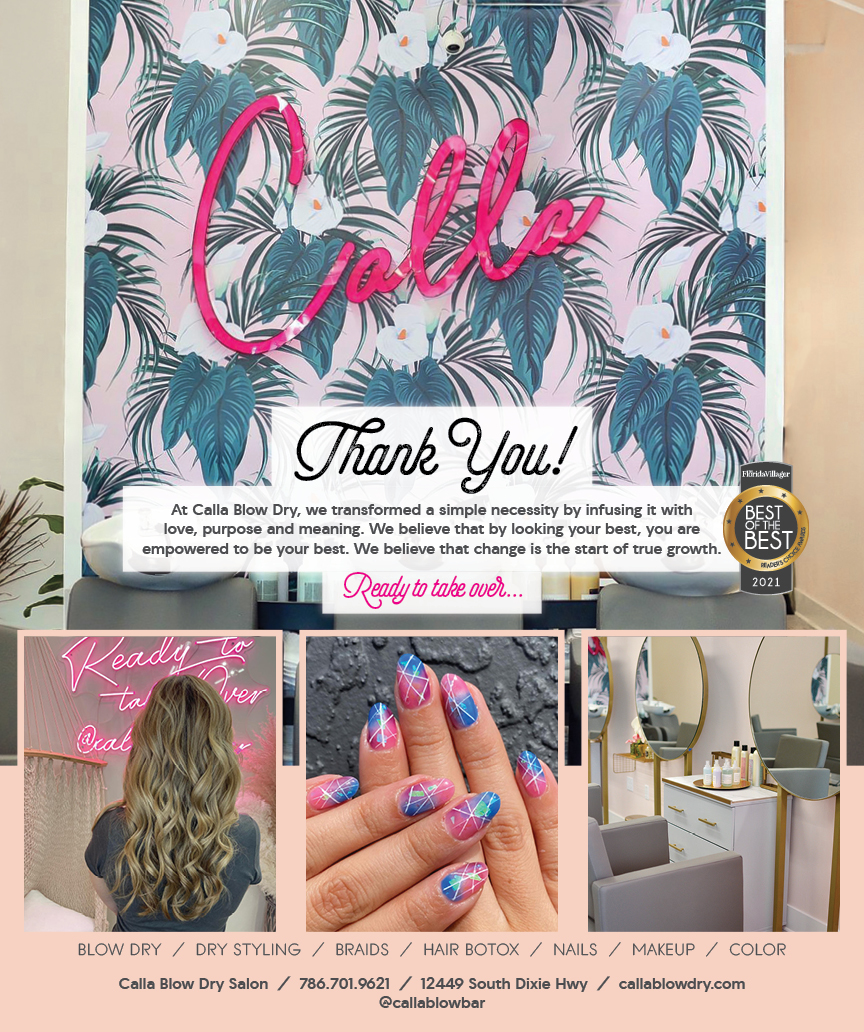
 My Derma Clinic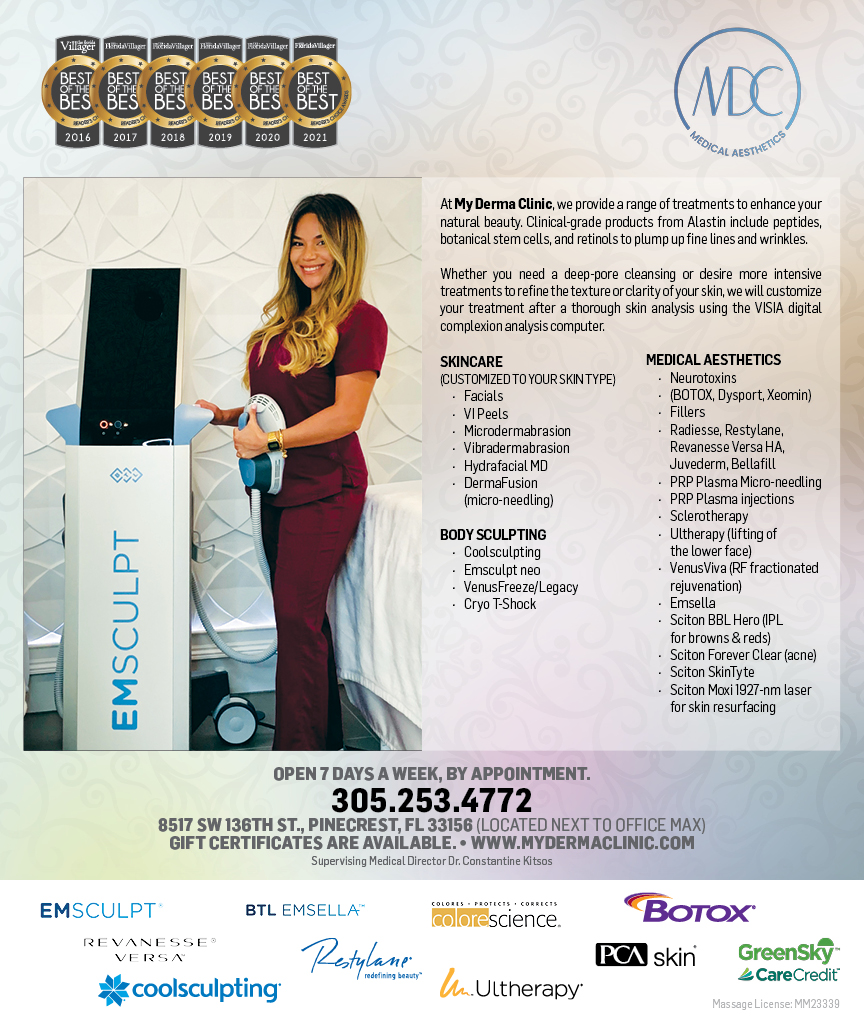
 Sports Grill
 The Healthy Kitchen
 Sushi Maki
 Golden Rule Seafood
 Malanga Cuban Café


 Kathleen Ballard
 Panter, Panter & Sampedro
 Vintage Liquors
 The Dog from Ipanema
 Rubinstein Family Chiropractic
 Your Pet’s Best
 Indigo Republic
 Animal Health and Rehab
 Maurice’s Jewelers
 ATR Luxury Homes


 2112 Design Studio
 Hamilton Fox & Company
 Creative Design Services
 Best Pest Professionals
 HD Tree Services
 Trinity Air Conditioning Company
 Cisca Construction & Development
 Mosquito Joe
 Cutler Bay Solar Solutions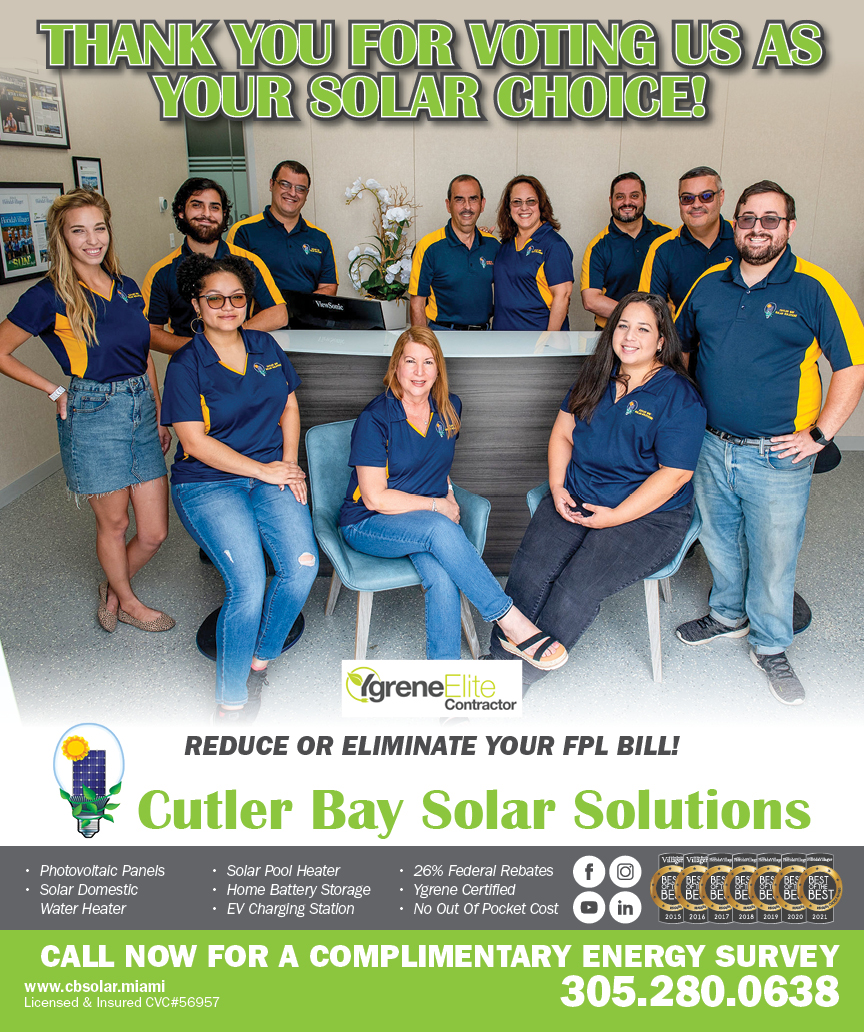


 Miami Royal Ballet & Dance
 Christopher Columbus
 Pineview Preschools
 Westminster
 Carrollton
 Lil’ Jungle
 Frost Science Museum
 Palmer Trinity School
 South Florida Music
 Pinecrest Orthodontics
 Dr. Bob Pediatric Dentist
 d.pediatrics


 South Miami Women’s Health
 Endodontix Dental Group
 The Spot Barbershop
 My Derma Clinic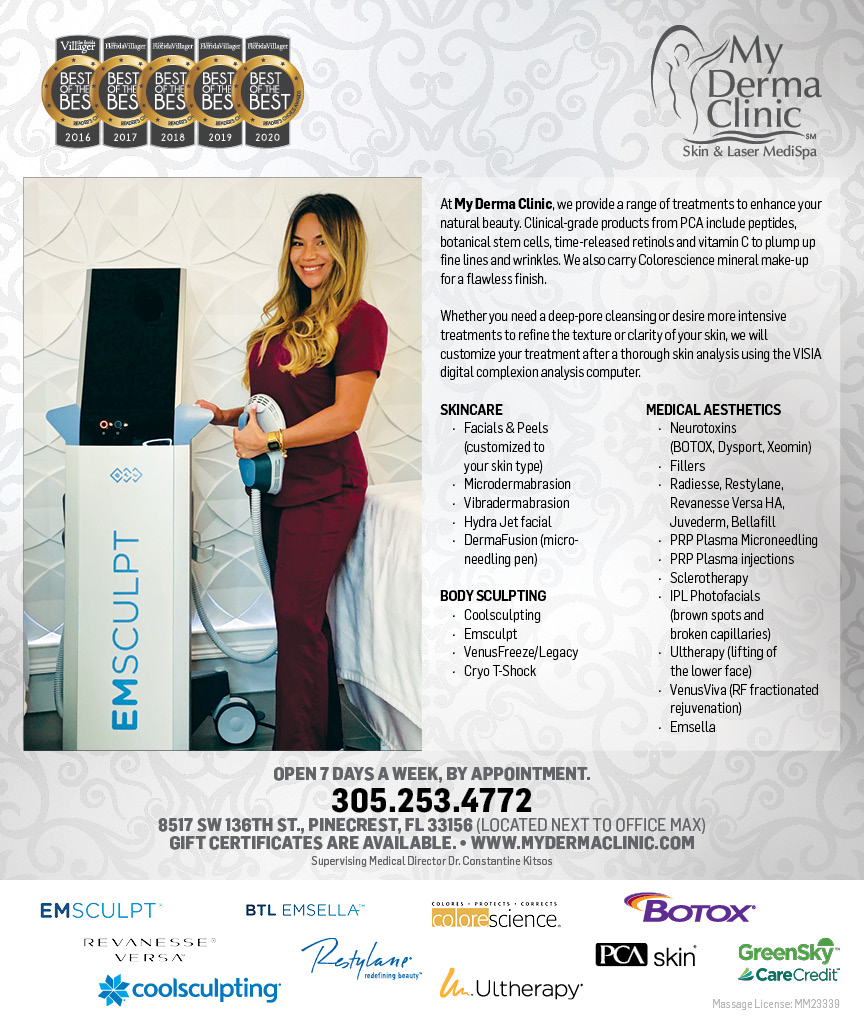




 Miami Dance Project

 Rubinstein Family Chiropractic
 Indigo Republic

 Safes Universe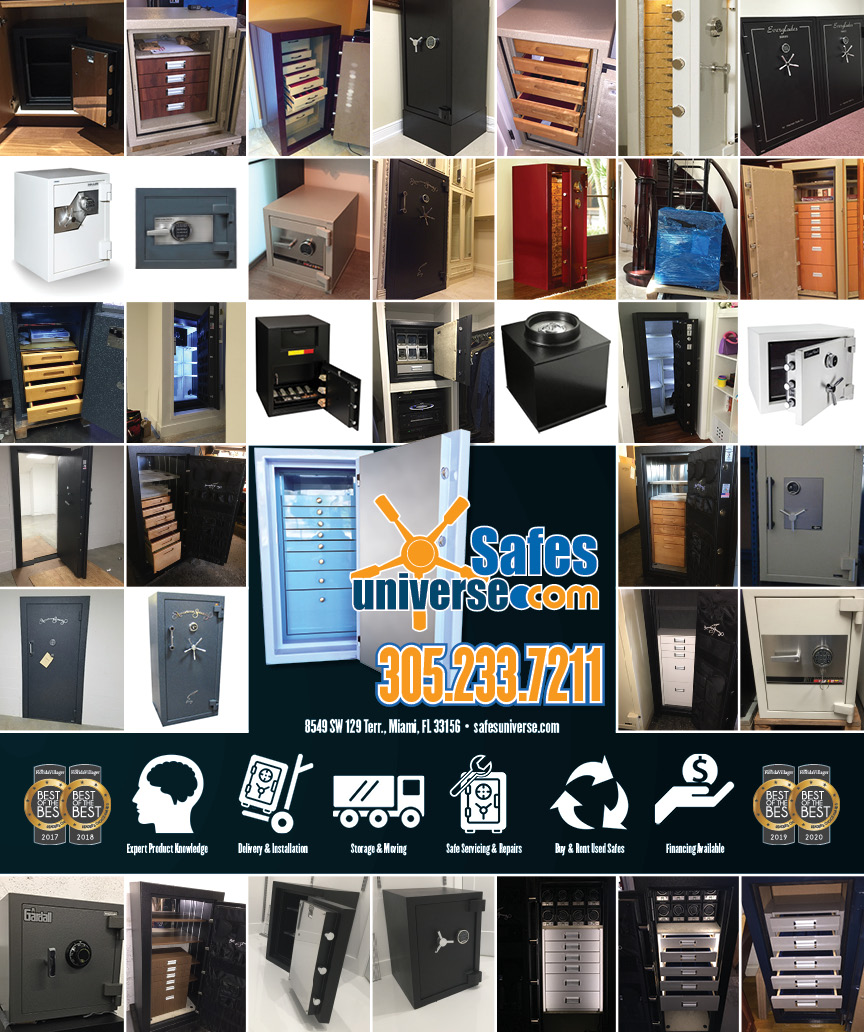
 Vintage Liquors
 Evenings Delight





 Atchana’s Homegrown Thai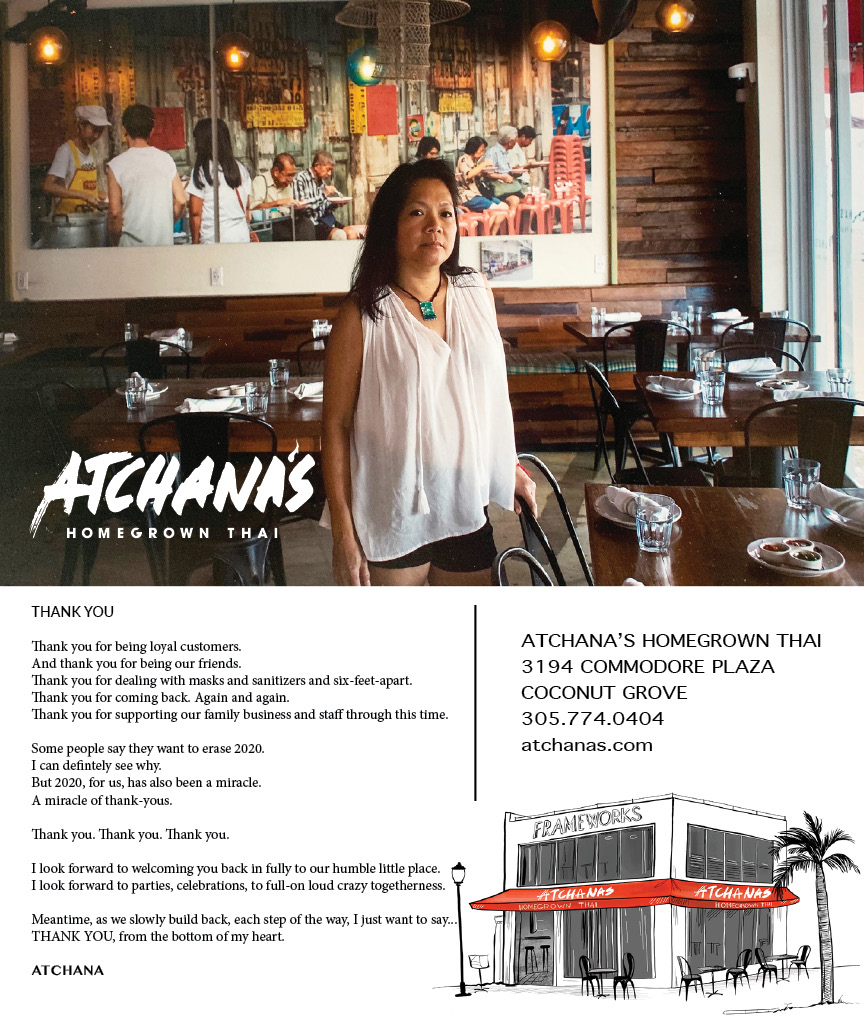
 Baptist Health South Florida

 Laser Eye Center of Miami
 Visiting Angels
 OpusCare of South Florida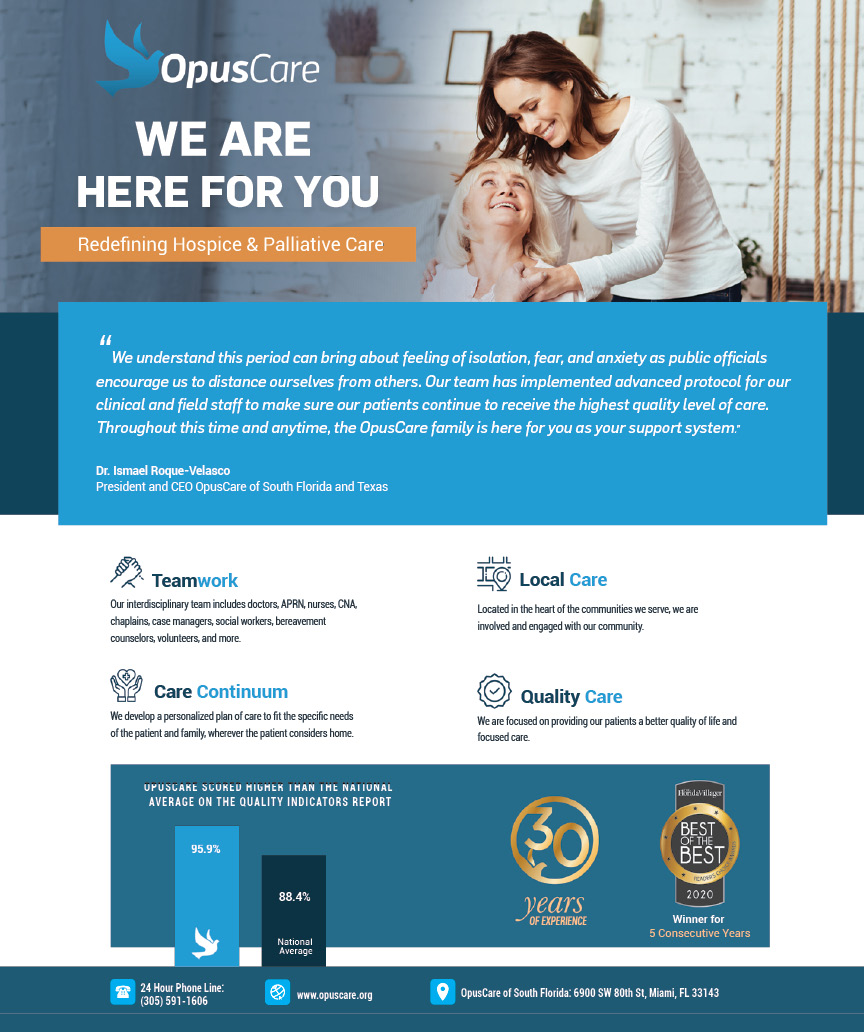



 Your Pet’s Best

 HD Tree Services
 Hamilton Fox & Company

 Creative Design Services