Irrigation decisions affect crop health, water costs, labor plans, and long-term farm resilience. Farmers and agriculture workers can make better decisions when weather data guides each step of water management.
Weather data helps farms understand when crops need water and when irrigation can wait. It also helps reduce waste during rain events, cool periods, high humidity, and changing wind conditions.
Reliable irrigation planning depends on more than checking the forecast. Farms need timely, accurate information about rainfall and soil conditions. Weather data supports practical decisions in the field. Find out how weather data can improve your farm’s irrigation decisions and how to implement it.
Why Weather Data Matters for Irrigation
Irrigation should match crop needs and field conditions. Weather data gives farmers a clearer view of both. Rainfall totals show how much water fields receive., and forecasts show whether more water may arrive soon.
Temperature affects how fast crops use water. Hot days increase demand and can require faster irrigation adjustments. Humidity also matters because dry air pulls moisture from plants and soil. High humidity can lower water loss and reduce immediate irrigation needs.
Wind can also increase water loss from sprinklers and soil surfaces. This is because strong winds reduce distribution accuracy across a field.
Key Weather Factors That Guide Water Decisions
Farmers can use several weather measurements to decide when and how much to irrigate. Each data point helps explain field conditions.
- Rainfall data offers the most direct signal. A field that received steady rain may not need irrigation for several days.
- Temperature helps estimate crop water demand. Higher temperatures often increase evapotranspiration and raise irrigation needs.
- Humidity affects how quickly plants lose moisture. Low humidity can push crops toward stress during warm periods.
- Solar radiation helps estimate evaporation and crop demand. Bright days can increase water use even when temperatures feel moderate.
- Wind speed matters during sprinkler irrigation. High wind can move water away from target zones and create uneven coverage.
- Soil moisture data connects weather conditions to root zone conditions. This information helps farmers avoid watering based only on surface dryness.
How Forecasts Improve Irrigation Timing
Forecasts help farmers plan irrigation before conditions change. A strong forecast can prevent unnecessary watering before rain.
Short-term forecasts help with daily decisions. Farmers can delay irrigation when rain has a high chance of arriving soon.
Longer forecasts help with weekly planning. They can guide labor schedules, pump use, and water allocation across fields. Forecasts also help during heat events. Farmers can prepare for higher crop demand before stress appears.
Using Rainfall Data Without Guessing
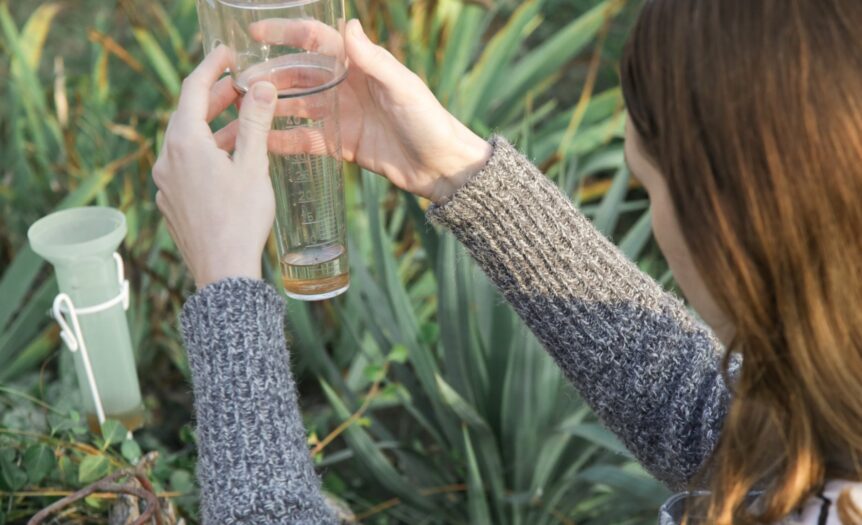
Rainfall can vary across short distances. A farm should avoid relying on one regional report for every field. On-site rain gauges provide better local data. Digital gauges can send updates without repeated manual checks.
Farmers should compare rainfall totals with soil moisture. A heavy storm may run off compacted soil and leave the root zone dry. Rain timing also matters. A short, intense storm may not deliver the same benefit as steady rain over several hours.
Irrigation records should track rainfall by field. These records help identify patterns and prevent repeated overwatering.
Connecting Weather Data with Soil Moisture
Weather data works best when paired with soil moisture readings. Together, they show both water supply and crop access. Soil moisture sensors help confirm whether rain reached the root zone. They also show when irrigation added enough water.
This combination reduces guesswork. It can prevent watering too soon after rain or too late during hot weather.
Different soil types hold water differently. Sandy soils may need smaller and more frequent irrigation events. Clay soils can hold water longer. They may also suffer from poor drainage after heavy rain.
Reducing Water Waste and Pumping Costs
Water waste increases operating costs and can harm crop performance. Weather data helps farmers reduce unnecessary irrigation events. Skipping one irrigation cycle after useful rain can save water and energy. It can also reduce wear on pumps, pipes, and control equipment.
Poor timing can create hidden expenses. Farmers who want to review common cost drivers can compare field habits with the reasons farmers overpay for water.
Weather-based scheduling can also reduce labor waste. Crews can focus on maintenance and crop care when irrigation can safely wait. Better timing can reduce fertilizer loss too. Excess irrigation can move nutrients below the root zone and increase input waste.
Protecting Crops from Water Stress
Water stress can reduce crop quality and yield. Weather data helps farmers identify high-risk periods before stress becomes visible. Hot and dry weather can push crops into stress quickly. Forecasts allow irrigation systems to prepare before peak demand.
Cloudy weather may reduce water demand. Growers can avoid overwatering when crop uptake slows.
Weather data also supports disease management. Too much moisture during humid periods can increase disease pressure in some crops.
Improving Decisions for Different Irrigation Systems
Different systems respond to weather in different ways. Weather data helps farmers adjust each system with more precision.
Drip irrigation can deliver water near the root zone. Weather data helps set run times that match crop demand.
Sprinkler systems need attention to wind. Farmers can reduce drift and uneven coverage by irrigating during calmer periods. Center pivots need careful scheduling during heat and wind. Weather information can help prevent runoff and improve application timing.
Hydroponic systems also depend on environmental control. Many growers evaluate resource use and production goals to understand why many farmers prefer hydroponic farming.
Practical Ways to Use Weather Data
Farmers can start with simple steps before moving to advanced systems. The goal should involve consistent data and clear decisions.
Useful steps include:
- Track rainfall by field
- Check short-term forecasts before irrigating
- Compare weather data with soil moisture readings
- Avoid sprinkler irrigation during high wind
- Review irrigation records each week
- Adjust schedules after major temperature changes
These practices work best when teams follow the same process. Consistent records help reduce confusion during busy periods.
Choosing Weather Data Sources
Weather data should match the farm location as closely as possible. A regional forecast may not reflect conditions in every field.
On-farm weather stations can improve accuracy. They can measure conditions where irrigation decisions happen. Public weather tools can also support planning. Farmers should compare those sources with field observations.
Sensor networks can add detail across larger operations. Multiple stations can show differences between fields and crop blocks. Data quality matters more than data volume. A farm needs measurements that support decisions rather than dashboards that create confusion.
Turning Data into Irrigation Schedules
Weather data becomes useful when it changes daily decisions. Farms should connect weather information to clear irrigation rules. Rules should reflect crop stage. Young plants often need different irrigation timing than mature plants.
Rules should also reflect soil type. Sandy ground may require faster action after dry weather. Farm managers should review schedules often. Weather changes can make last week’s plan inaccurate.
Building a Stronger Water Management Plan
A strong irrigation plan combines weather data, soil moisture, crop stage, and system performance. No single measurement tells the whole story.
Farmers can improve water management by reviewing weather data records after each season. This review can show which decisions saved water and which caused problems. Weather data also supports long-term planning. It can help farms prepare for dry seasons, changing rainfall patterns, and rising input costs.
Weather data gives agriculture teams a practical way to manage water with more confidence. It helps protect crops, reduce waste, and support stronger farm operations.








 Deering Estate
 Massage Envy South Miami
 Calla Blow Dry
 My Derma Clinic
 Sports Grill
 The Healthy Kitchen
 Sushi Maki
 Golden Rule Seafood
 Malanga Cuban Café


 Kathleen Ballard
 Panter, Panter & Sampedro
 Vintage Liquors
 The Dog from Ipanema
 Rubinstein Family Chiropractic
 Your Pet’s Best
 Indigo Republic
 Animal Health and Rehab
 Maurice’s Jewelers
 ATR Luxury Homes


 2112 Design Studio
 Hamilton Fox & Company
 Creative Design Services
 Best Pest Professionals
 HD Tree Services
 Trinity Air Conditioning Company
 Cisca Construction & Development
 Mosquito Joe
 Cutler Bay Solar Solutions


 Miami Royal Ballet & Dance
 Christopher Columbus
 Pineview Preschools
 Westminster
 Carrollton
 Lil’ Jungle
 Frost Science Museum
 Palmer Trinity School
 South Florida Music
 Pinecrest Orthodontics
 Dr. Bob Pediatric Dentist
 d.pediatrics


 South Miami Women’s Health
 Endodontix Dental Group
 The Spot Barbershop
 My Derma Clinic




 Miami Dance Project

 Rubinstein Family Chiropractic
 Indigo Republic

 Safes Universe
 Vintage Liquors
 Evenings Delight





 Atchana’s Homegrown Thai
 Baptist Health South Florida

 Laser Eye Center of Miami
 Visiting Angels
 OpusCare of South Florida



 Your Pet’s Best

 HD Tree Services
 Hamilton Fox & Company

 Creative Design Services